
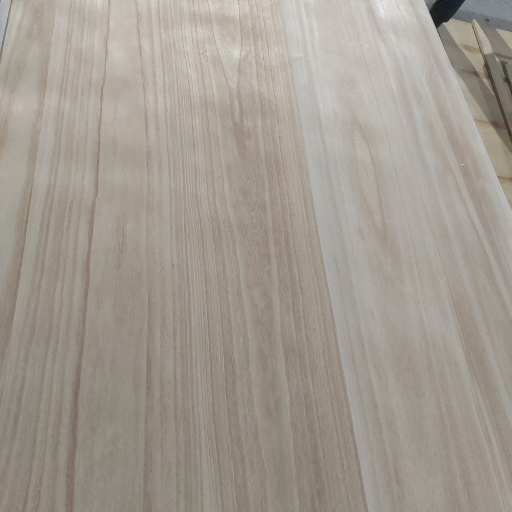
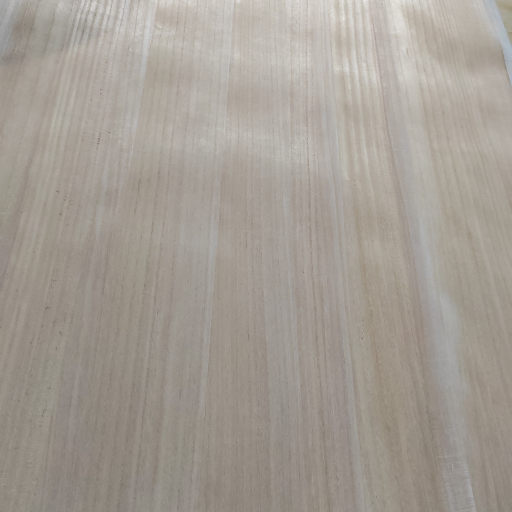
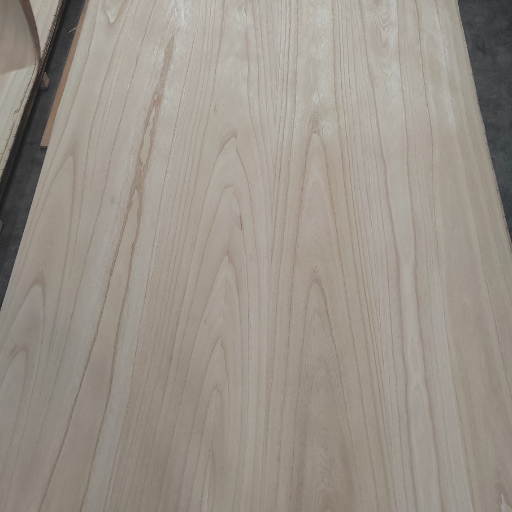
Paulownia Natural Wood Veneer
Experience the remarkable qualities of Paulownia Natural Wood Veneer. Known as one of the lightest yet most durable woods in the world, Paulownia offers a unique solution for projects that demand both performance and aesthetic grace. Its beautiful pale blonde color, smooth texture, and straight grain provide a clean, modern look. Sourced from one of the fastest-growing trees on the planet, our Paulownia veneer is the ultimate choice for sustainable design, offering incredible stability and workability without compromising on style.
Key Characteristics of Paulownia Natural Wood Veneer
Our Paulownia Natural Wood Veneer is engineered for excellence, meeting rigorous standards to ensure your project’s success.
Lightweight
One of the lightest woods available, making it ideal for projects where weight is a concern, such as furniture, cabinetry, and marine applications.
Durability
Despite its light weight, Paulownia is strong and durable, with excellent resistance to warping, splitting, and decay.
Aesthetic Appeal
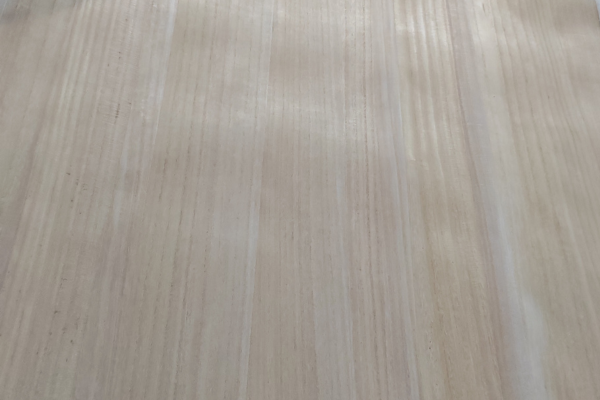
Features a pale, creamy blonde to light honey color with a straight, fine grain and a silky, natural luster, offering a clean and modern look.
Workability
Easy to cut, carve, and finish, making it a favorite for intricate woodworking, laser cutting, and crafting.
Technical Specifications for Paulownia Natural Wood Veneer
| Specification | Details |
|---|---|
| Product | Natural Paulownia Wood Veneer (Paulownia tomentosa) |
| Common Name | Empress Tree, Kiri Tree |
| Origin | Sustainably harvested from professionally managed plantations worldwide. |
| Color & Grain | Pale, creamy blonde to light honey color with a straight, fine grain and a silky, natural luster. Its texture is very smooth and uniform. |
| Cut | Primarily Flat/Crown Cut; Quarter Cut available. |
| Standard Sheet Sizes | 4' x 8' (1220mm x 2440mm). Custom lengths and widths are available. |
| Standard Thickness | 0.2mm to 2.0mm. A common thickness is 0.5mm. Custom thicknesses can be accommodated. |
| Backing Options | 10mil Paper-backed, Peel & Stick (PSA), and Wood-on-Wood (2-ply) for maximum stability and ease of use. |
| Finishing | Supplied unfinished (raw). Its smooth, non-porous surface accepts paints, stains, and clear coats with exceptional uniformity. |
| Moisture Content | Kiln-dried to an optimal 12-18% to ensure high stability and resistance to warping, cupping, or splitting. |
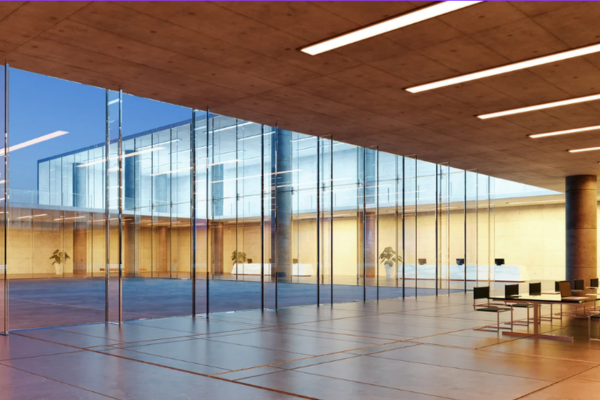
Applications for Paulownia Natural Wood Veneer
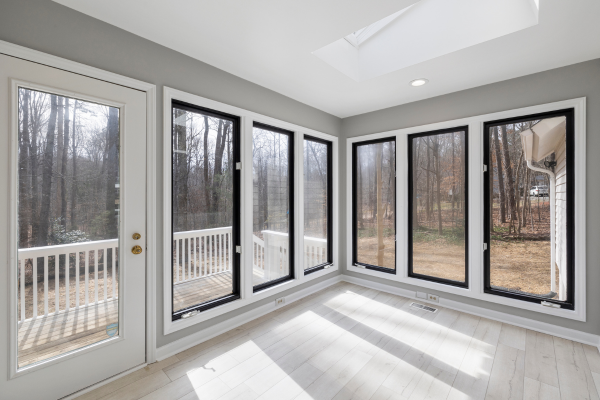
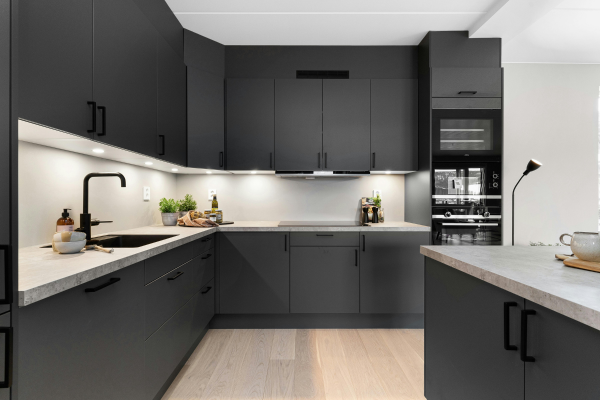
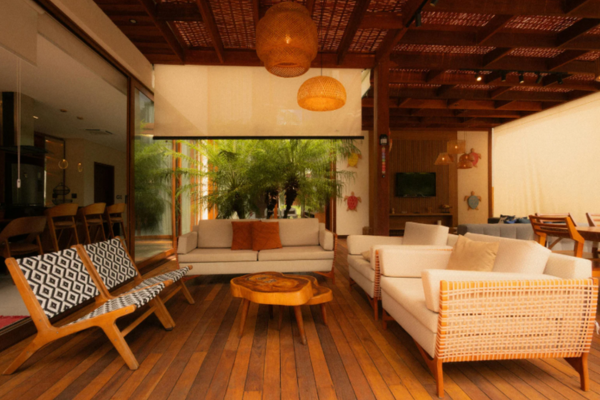
- Furniture & Cabinetry: Ideal for creating lightweight yet strong furniture, shelves, and cabinet doors that reduce stress on hardware and are easy to move.
- Marine and RV Interiors: Its exceptional resistance to warping in humid conditions and its light weight make it a top choice for paneling and cabinetry in boats and recreational vehicles.
- Architectural Millwork: Perfect for large decorative panels, ceiling treatments, and trim where weight is a concern.
- Musical Instruments: Used for the bodies of guitars and other stringed instruments due to its excellent acoustic resonance and light weight.
Why Choose Us for Your Paulownia Natura Veneer Supply?
We deliver more than just a product; we provide a commitment to quality, sustainability, and unparalleled customer service.
Sourced for Sustainability
Our Paulownia veneer comes from the world’s most rapidly growing hardwood trees, harvested from certified, responsibly managed plantations. Choosing our veneer means making an investment in a greener future.
Superior Lightweight Performance
Benefit from a material that is up to 40% lighter than other common woods, without sacrificing strength or stability. This makes your projects easier to transport, install, and handle, while reducing structural load.
Unbeatable Dimensional Stability
Our Paulownia veneer is prized for its low shrinkage rate and resistance to warping and splitting, even in environments with fluctuating humidity. This ensures your finished product maintains its integrity and beauty for years to come.
Flexible Customization
Every project has unique needs. We offer a range of sizes, thicknesses, and backing options to perfectly match your specifications. With large-scale production capabilities, we can deliver what you need, when you need it.
Frequently Asked Questions (FAQs)
Still have questions? Our team is here to help. Reach out to us anytime, and we’ll make sure you get the answers you need.
What is Paulownia Natural Wood Veneer?
Paulownia veneer is a thin layer of real wood sliced from the Paulownia tomentosa tree, also known as the Empress or Kiri tree. It is famous for being incredibly lightweight yet remarkably strong. The veneer showcases a beautiful pale blonde to light honey color with a fine, straight grain. It’s typically applied to a core material like MDF or particleboard to create surfaces that have the authentic look and feel of solid Paulownia wood.
Is Paulownia Veneer real wood?
Yes, absolutely. Paulownia veneer is 100% real wood. It is sliced directly from Paulownia logs, which means it captures the natural beauty, texture, and grain of the tree. It is not a synthetic or artificial material.
Can Paulownia Veneer be stained or painted?
Yes. Paulownia’s smooth, non-porous surface takes finishes exceptionally well. While its natural blonde color is often preserved with a clear coat, it readily accepts both stains and paints. Its uniform grain ensures an even, consistent color application. For best results, we always recommend testing your chosen finish on a small sample piece first.
Is Paulownia Veneer a good choice for outdoor use?
No, Paulownia veneer is intended for interior applications only. Like other natural wood veneers, it is not designed to withstand direct exposure to outdoor elements such as rain, UV radiation from the sun, and extreme temperature fluctuations. Such exposure can cause fading, cracking, and delamination.
How does Paulownia veneer’s durability compare to other woods?
Paulownia has an excellent strength-to-weight ratio. While it is a lightweight wood, it is surprisingly durable and resistant to dents and scratches compared to other woods of similar density. Its natural oils also provide good resistance to decay and insects. Most importantly, its dimensional stability means it is less likely to warp or split due to changes in humidity, making it a very reliable long-term choice for interiors.
Can I order sequence-matched Paulownia veneer sheets?
Yes, you can. We highly recommend sequence-matching for projects requiring a seamless and continuous grain pattern, such as large wall panels, kitchen cabinetry, or conference tables. Sequence-matched sheets are cut consecutively from the same log, guaranteeing that the color and grain flow perfectly from one panel to the next for a professional, high-end look.