
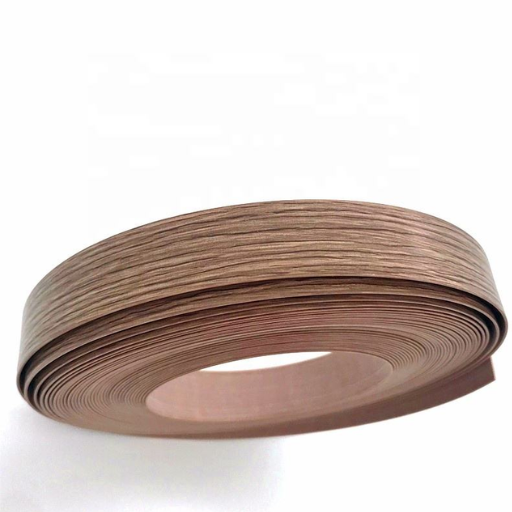
What is Wood Edge Banding?
Wood Edge Banding is a finishing material used to cover the exposed edges of wood-based panels, such as plywood, MDF, or particleboard. It is typically made from real wood veneer and is designed to provide a seamless, professional look while protecting the edges from damage, moisture, and wear. Wood Edge Banding enhances the aesthetics of furniture, cabinetry, and other woodworking projects by creating a natural, continuous grain appearance that matches the surface material. It is available in various wood species and can be stained, painted, or clear-coated to achieve the desired finish. Additionally, it comes in different application types, such as iron-on (pre-glued) or fleece-backed for machine use, making it versatile and easy to apply.
Why Choose Our Wood Edge Banding?
Genuine Solid Wood Aesthetic
Our banding provides the thickness (up to 3mm+) and authentic look of solid lumber, allowing for detailed shaping and profiling that veneer cannot match.
Match for Solid Components
It is the only option that seamlessly bridges the gap between panel cores (MDF/Plywood) and any adjacent solid wood components like face frames or door rails.
Durability and Repairability
The extra thickness offers maximum protection against heavy impact and can be sanded, re-stained, and refinished multiple times, extending the furniture’s life.
Accepts Any Finish
Made from pure, natural wood, our banding accepts all stains, clear coats, and sealants exactly like the finished lumber, guaranteeing flawless color and sheen uniformity.
Wide Species and Cut
We offer an extensive inventory spanning various species and grain cuts (Plain Sliced, Quarter Cut, Rift Cut) to meet any design or project requirement.
Sustainable Sourcing
Our wood edge banding is sourced from certified, sustainably managed forests, ensuring an eco-conscious and ethically procured product.
Technical Specifications
Detailed product specifications for professional applications
| Parameter | Specification |
|---|---|
| Material Type | Natural Wood Veneer / Solid Wood Strips |
| Usage | Edge Sealing for Plywood/MDF/HDF/Particle board, Wall Panels |
| Moisture Content | 12-18% |
| Thickness | 0.2MM - 3.0MM (Veneer to thick solid wood strips) |
| Veneer Grade | AAA / AA / A |
| Length | 50-200 Meters/Roll |
| Width | 10MM - 300MM (Roll Width) |
| Adhesive/Backing | Pre-glued (Hot-Melt) or Unglued (Fleece/Paper Backed) |
| Authentication | ISO, FSC |
Custom Wood Edge Banding Options
Wood Edge Banding Applications
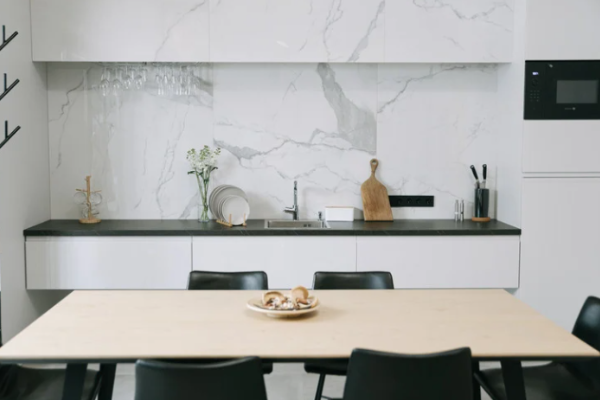
Traditional & Heritage Furniture
Wood edge banding is essential for restoring or manufacturing classic furniture styles that require the genuine texture and profile of solid wood.

High-End Custom Cabinetry
Applied to visible edges of luxury cabinet doors and face frames where the visual and tactile match to solid wood is non-negotiable.
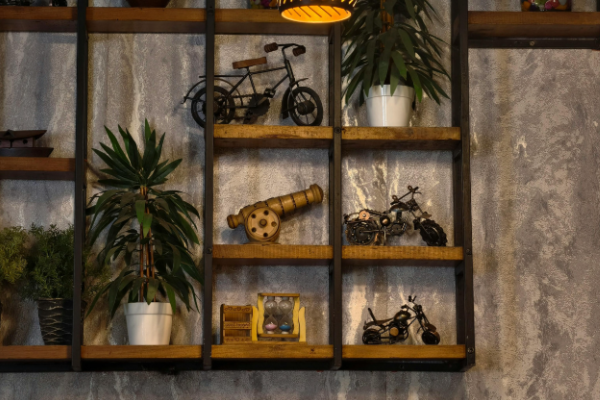
Bespoke Architectural Millwork
Employed in formal settings (libraries, executive offices) for finishing thicker panels and components that demand a premium aesthetic.
Wood Edge Banding vs. Alternatives
Understanding the differences in material form, thickness, and application methods is key to achieving the correct structural integrity and aesthetic for your specific project.
| Feature | Wood Edge Banding | PVC Edge Banding | Veneer Edge Banding |
|---|---|---|---|
| Material Form | Solid strips of natural timber (e.g., Oak, Maple); thicker and more rigid. | Extruded plastic polymer (Polyvinyl Chloride); flexible and durable. | Thin layer of natural wood on a fleece or paper backing; very flexible. |
| Aesthetic Result | Creates a substantial, true solid wood edge; can be shaped, profiled, and heavily rounded. | Consistent manufactured color or printed pattern; provides a modern, sealed look. | Seamless, authentic wood grain continuity; best for staining to match face veneer. |
| Thickness | Typically thick (3mm-5mm+), designed for durability and structural integrity. | Available in standard thin rolls (0.45mm) up to 3mm for impact resistance. | Always thin (0.5mm-1.0mm) to maintain flexibility and minimize sanding. |
| Application Method | Applied with woodworking glue and fasteners; requires profiling tools and sanding like solid wood. | Applied using hot-melt adhesive in an edge banding machine; requires clean-trimming. | Applied with hot-melt glue or iron-on adhesive; easily trimmed with a hand trimmer or knife. |
| Repair/Refinish | Excellent; can be fully sanded and refinished multiple times. | Poor; damage requires full strip removal and re-application. | Good; can be lightly sanded and refinished once or twice. |
| Cost | Highest cost due to raw material expense and labor-intensive application. | Low to Moderate cost, reflecting high volume, automated production. | Moderate cost, reflecting natural material but high production efficiency. |
When to Choose Wood Edge Banding:
From Forest Log to Finished Edge
Our Wood Edge Banding is crafted through traditional woodworking processes, ensuring authentic aesthetics and structural integrity for your projects.
Timber Sourcing & Selection
Premium logs (often Oak, Maple, or Walnut) are carefully chosen based on species, grain quality, and straightness to guarantee the best raw material for thick, durable edge strips.
Moisture Conditioning
Lumber is carefully dried in kilns to a low, stable moisture content to prevent warping, splitting, and checking, which is crucial before the final milling process.
Precision Sawing & Milling
Selected wood is sawn into thick planks, then precision-milled and planed into exact strips or profiles (e.g., 3mm or 5mm thickness) required for wood edge banding.
Sanding & Grading
Each strip is finish-sanded to a smooth surface ready for staining or lacquering. Strips are individually graded for color, grain consistency, and freedom from knots or defects.
Adhesive Application
For pre-glued applications, a high-strength hot-melt adhesive is applied to the back of the strip, allowing for immediate application using heat.
Bundling & Protection
Finished wood edge strips are securely bundled, wrapped in moisture-resistant packaging, and strapped to pallets to ensure dimensional stability and damage prevention during transport.
What Our Clients Say
“The quality and grain match of this wood edge banding exceeded my expectations. My cabinets look like solid wood and the banding blended in perfectly. Application was quick and easy!”

Emily Roberts
Custom Cabinetmaker
“After years of using plastic alternatives, I switched to this wood edge banding. The difference is night and day. It stains beautifully and adds real value to my furniture pieces.”

Jack Turner
Furniture Restoration Specialist
Frequently Asked Questions (FAQs)
Still have questions? Our team is here to help. Reach out to us anytime, and we’ll make sure you get the answers you need.
What is Wood Edge Banding and why is it essential for furniture projects?
Wood Edge Banding is a thin strip of material used to cover the exposed edges of plywood or particleboard, creating a seamless, finished look and protecting the core from moisture or damage.
How do I apply Wood Edge Banding to my cabinetry or furniture?
Most Wood Edge Banding can be applied using an iron (for pre-glued types) or an edge banding machine. Ensure the surface is clean and smooth before application for best results.
Can Wood Edge Banding be used on curved edges or only straight lines?
Many Wood Edge Banding products, especially real wood veneer types, are flexible enough to be used on gentle curves as well as straight edges for versatile applications.
What surfaces can I use Wood Edge Banding on?
Wood Edge Banding is suitable for plywood, MDF, particleboard, and solid wood edges, making it perfect for cabinets, shelves, desks, and more.
Is it possible to stain or finish Wood Edge Banding to match my project?
Yes, real wood veneer edge banding can be stained, painted, or finished just like solid wood, offering a matched aesthetic for every project.
How should I store unused Wood Edge Banding for future use?
Store Wood Edge Banding in a cool, dry place, away from direct sunlight and humidity to prevent warping and maintain adhesive quality.