

What is Melamine Edge Banding?
Melamine edge banding is a resilient edge tape applied to plywood or particleboard to cover raw edges and protect surfaces. Available as melamine edgebanding or veneer edge band variants, it delivers a uniform appearance, resists chipping, and supports easy iron-on application using a household iron or edge bander.
Melamine edge banding is a thin, thermoset resin-impregnated layer supplied in rolls to seal and beautify wood edges. The purpose is to shield the edge, prevent moisture ingress, and create a seamless look. Whether using an iron-on edge method or edge banding with hot melt, it streamlines woodworking and tape for cabinet finishing.
Why Choose Our Melamine Edge Banding?
Pre-Glued for Easy Application
Hot-melt adhesive backing activates with simple heat – apply in seconds with just a household iron or heat gun.
Superior Durability
High-quality melamine material resists scratches, chips, moisture, and daily wear for long-lasting protection.
Easy to Trim & Finish
Flexible material trims cleanly with a utility knife or edge trimmer, sands smoothly for a professional appearance.
Multiple Colors & Sizes
Available in white, black, wood tones, and more. Widths from 3/4″ to 2″ to match any project requirement.
Perfect for All Surfaces
Works on plywood, MDF, particle board, and all engineered wood surfaces for cabinets, shelves, and furniture.
Cost-Effective Solution
Professional results at DIY prices. Save hundreds compared to hiring professionals or buying new furniture.
Technical Specifications
Detailed product specifications for professional applications
| Specification | Details |
|---|---|
| Material | High-quality melamine paper saturated with thermosetting resins |
| Base Material | Flexible and durable paper or polyester composite |
| Adhesive Type | Pre-applied, high-quality hot-melt adhesive (EVA - Ethylene Vinyl Acetate) |
| Standard Thickness | 0.4mm to 0.5mm |
| Standard Widths | 3/4" (19mm), 7/8" (22mm), 1" (25mm), 2" (50mm) |
| Roll Length | Available in standard rolls of 50 ft (15m), 100 ft (30m), and 250 ft (76m) |
| Color & Finish | Wide range of solid colors, wood grain patterns, and textures; matte, satin, or high-gloss finishes |
| Application Temperature | Recommended iron temperature: 350-410°F (175-210°C) |
| Durability | Resistant to scratches, stains, heat, and UV fading under normal use conditions |
| Flexibility | Highly flexible to conform to straight edges and contoured shapes |
| Recommended Surfaces | Plywood, MDF, particleboard, hardboard, and other composite wood panels |
| Trimming | Easily trimmable with a standard edge banding trimmer, utility knife, or file |
Benefits of Using Edge Banding
Natural Wood Veneer Applications
Use in Plywood Projects
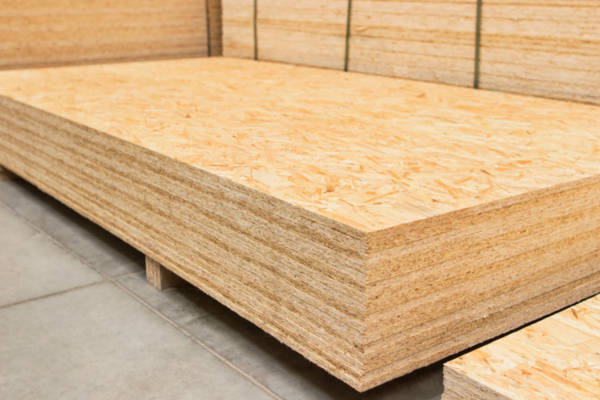
On plywood, melamine edgebanding seals the edge to resist moisture and splintering while delivering a factory finish. Use white melamine edge for bright panels or wood edge banding that complements veneer edging.
Home Improvement and Cabinet Making
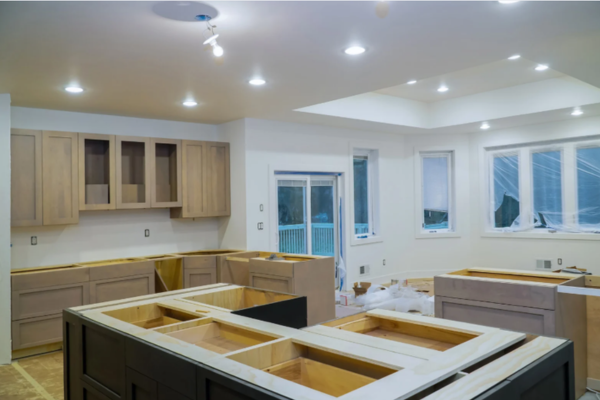
For home improvement and cabinet making, edge banding tape streamlines tape banding for cabinet repair and new door fabrication.
Edge Banding Tools
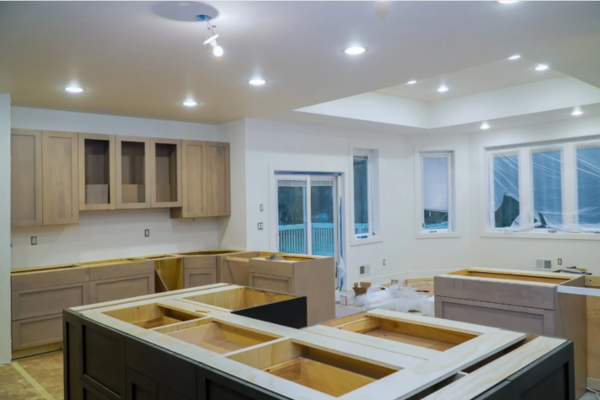
Apply iron on edge banding with a household iron, then use an edge banding trimmer or edge trimmer to flush-cut and a sanding block to soften corners.
Melamine Edge Banding vs. Alternatives
Our melamine edge banding strips have received high praise for their adhesion, color matching, and ease of use, covering a wide range of edge banding projects.
| Feature | Our Melamine Edge Banding | Solid Wood Edging | PVC Edge Banding | No Edge Treatment |
|---|---|---|---|---|
| Easy Application | ✓Iron-on in minutes | ✗Requires gluing & clamping | ✓Similar to melamine | ✗No protection |
| Durability | ✓Excellent | ✓Very durable | ✓Very durable | ✗Poor - chips easily |
| Cost | ✓Budget-friendly | ✗Expensive | $$ Moderate | ✓Free but damages |
| Moisture Resistance | ✓Good protection | ✓Excellent with finish | ✓Excellent | ✗Absorbs moisture |
| Color Matching | ✓Wide selection | ✗Requires painting/staining | ✓Good selection | ✗Exposed particle board |
| Trimming Ease | ✓Easy with knife | ✗Requires sanding | $$ Harder to trim | N/A |
When to Choose Melamine Edge Banding:
From Forest to Your Workshop
Our commitment to quality at every step
Prepare the Surface
Clean the edge thoroughly and lightly sand with 150-grit sandpaper for optimal adhesion. Wipe away dust with a clean cloth.
Cut to Length
Measure and cut the edge banding slightly longer than needed. Leave extra on both ends for a perfect fit.
Apply Heat & Press
Set your iron to medium heat (no steam). Run it slowly along the edge banding while applying firm, even pressure to activate the adhesive.
Press Firmly While Cooling
Use a wood block or roller to press the banding down firmly as it cools. This ensures a strong, bubble-free bond.
Trim & Sand
Once cooled, trim excess with a sharp utility knife or edge trimmer. Lightly sand edges smooth for a seamless, professional finish.
What Our Clients Say
“I renovated my entire kitchen cabinets using this edge banding. The results look professional and it was so easy to apply. Saved me thousands compared to replacing the cabinets!”

Sarah M
DIY Enthusiast
This product exceeded my expectations in terms of texture and finish. The natural wood veneer added a stunning, professional touch to my custom furniture pieces. It’s reliable and provides outstanding results every time! Highly recommended for craftsmanship.

James T
Cabinet Maker
Frequently Asked Questions (FAQs)
Still have questions? Our team is here to help. Reach out to us anytime, and we’ll make sure you get the answers you need.
What types of melamine edge banding are available?
Common types include melamine-coated paper edge banding, PVC edge banding with melamine-like finishes, and pre-glued hot-melt adhesive edge banding. Variations also exist by thickness (e.g., 0.4–3 mm) and width, as well as special finishes such as matte, gloss, woodgrain, and textured options to match different melamine-faced boards.
How is melamine edge banding applied?
Application methods vary: pre-glued edge banding is applied with a household or industrial iron, edge banding machine or hot-air gun to activate the adhesive; non-glued banding requires contact adhesive or hot-melt glue applied to the board edge. After adhesion, excess material is trimmed and edges are finished with scraping or sanding for a seamless look.
What tools are needed to apply melamine edge banding?
For small DIY projects, you generally need a household iron or edge trimmer, utility knife, chisel or scraper and fine sandpaper. For production work, a pneumatic or electric edge banding machine, end trimming unit, corner rounding tools and buffing units improve speed and provide professional results when applying melamine edge banding.
How thick should melamine edge banding be for my project?
Thickness depends on the board edge and desired durability: common thicknesses are 0.4–1 mm for standard furniture and cabinetry, while 2–3 mm thicker profiles suit heavy-use edges or to create a thicker visual profile. Match thickness to the substrate and application method—thicker banding may require different trimming tools.
What are the advantages of using melamine edge banding?
Does using natural wood veneer support sustainability?
Using natural wood veneer is more sustainable than using solid wood, as it minimizes wood waste and allows for efficient use of timber resources. Many businesses source veneer from responsibly managed forests, supporting eco-conscious practices.
How do I care for and maintain melamine edge banding?
Clean melamine edge banding with a mild detergent and soft cloth; avoid abrasive pads and harsh solvents that can dull or damage the finish. Promptly repair any lifted edges using appropriate adhesive or reactivation methods. Regular inspection and gentle cleaning keep melamine edge banding looking new and extend the life of the assembly.