
Technical Guides
Pre-glued Edge Banding: What It Is, How It Works, and When to Use It
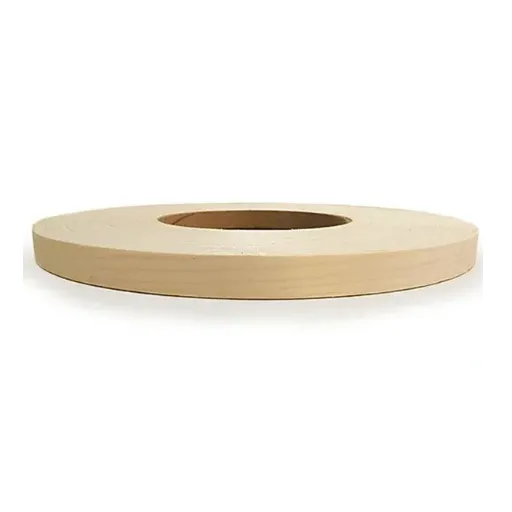
Pre-glued Edge Banding is one of those small workshop materials that can save a surprising amount of time when you’re finishing plywood, MDF, or other panel edges. It’s simple on the surface, but the difference between a clean, lasting result and…
Marine Plywood: Build Right for Boats, Decks and Wet Zones
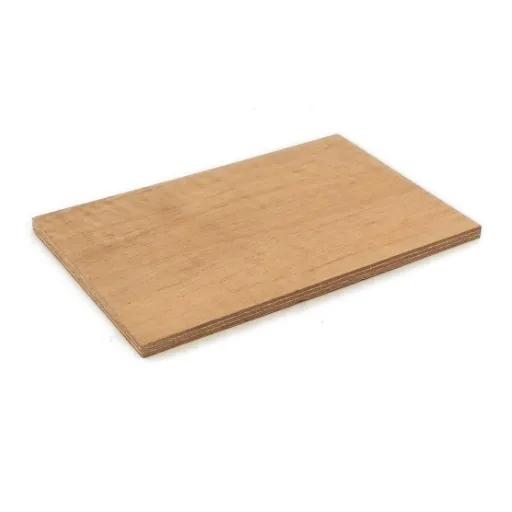
Marine plywood costs more for a reason. It’s phenolic glue between thin hardwood or tropical plies that holds when regular sheets delaminate in a summer shower or boat bilge. What Makes Marine Plywood Actually Waterproof? Marine plywood laughs at water…
What Is an LVL Beam? Understanding Laminated Veneer Lumber in Real‑World Construction
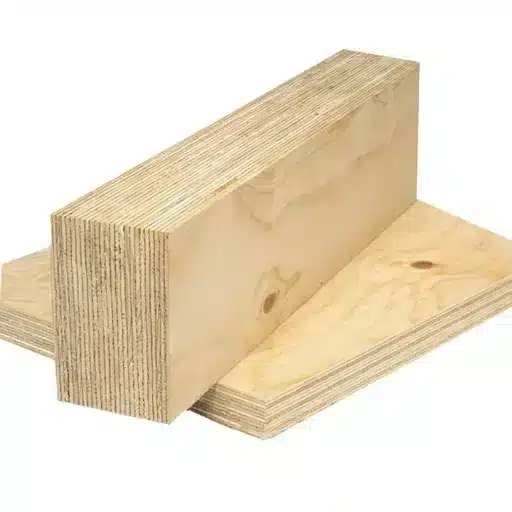
If you’ve ever opened up a ceiling or a wall and found a thick, engineered beam instead of solid lumber, you’ve probably already met one. When people ask “what is a lvl beam,” they’re really asking why builders trust this…
What Does S4S Stand For? The Lumber Term You Need to Know Before Buying
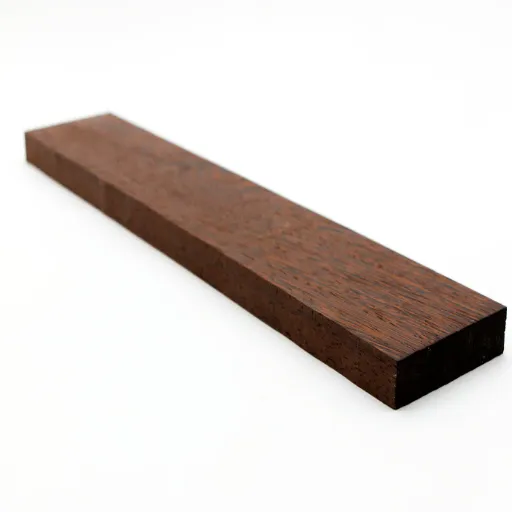
What does S4S stand for? It’s one of those yard stickers that trips up even experienced builders the first time they see it. Short answer: surfaced four sides—meaning the board’s been planed smooth on both faces and ripped square on…
Pre-glued Edge Banding: Practical Guide for Woodworkers and Cabinet Shops
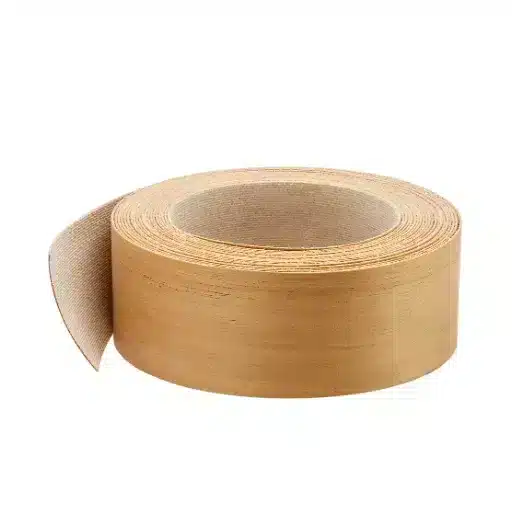
Pre-glued edge banding is one of those little shop upgrades that quietly saves you hours once you’ve used it a few times. You iron it on, trim the edges, and suddenly that raw plywood edge looks like it came off…
Why Marine Plywood is Essential for High-Moisture Environments

Marine Plywood finds its greatest application in circumstances that involve ample exposure to moisture. The ability to withstand such high levels of moisture is important where this type of plywood also called marine is made use of most commonly together…
Wood Veneer Repair Techniques: Fixing Common Issues
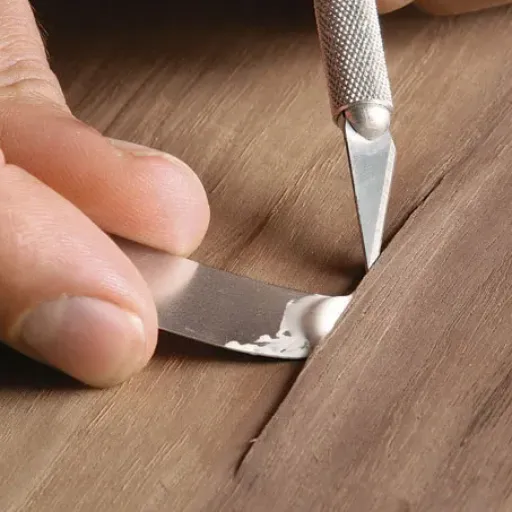
Wood veneer has the ability to make furniture, cabinetry and other woodwork pieces look more elegant and sophisticated, but eventually, even the best veneer can wear out. Chips, cracks, peeling, and scratches are among the most frequent problems that can…
Wood Veneer Color Matching: Techniques for Consistent Results
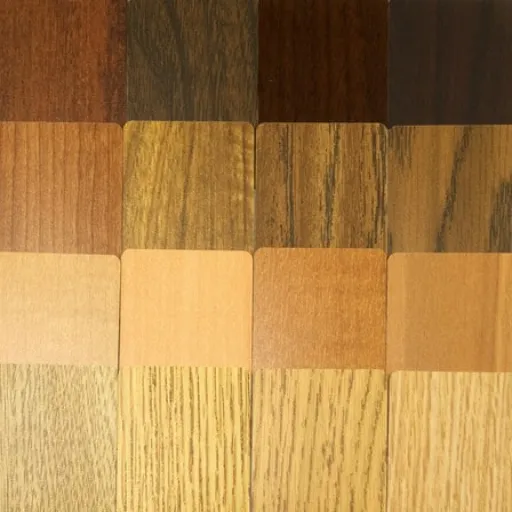
Getting the same color of wood veneer all the time is a matter of both artistry and technology. It does not matter if you are making furniture, or designing interiors, or doing a restoration project, the making of a consistent…
Wood Veneer Quality Control: Testing Standards and Methods

In various sectors, the use of wood veneer material has very soon confirmed its existence, mainly due to the combination of natural beauty and cost-effectiveness, and thus it has been widely used in furniture design and other applications, such as…