
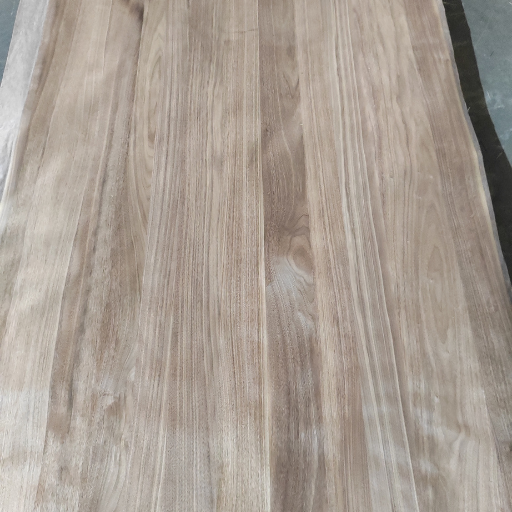
What Is Wood Veneer
Wood veneer is a thin slice of real wood, typically less than 1/40 inch thick, laminated onto a stable core material. This process yields a product that is not only more cost-effective and sustainable but also less prone to warping and cracking than solid wood. It provides an efficient and versatile solution for furniture, cabinetry, and large-scale architectural panels.
Explore Our Wood Veneer Collection
Find the perfect veneer for your project. Browse by species, cut type, or application.
Popular Species
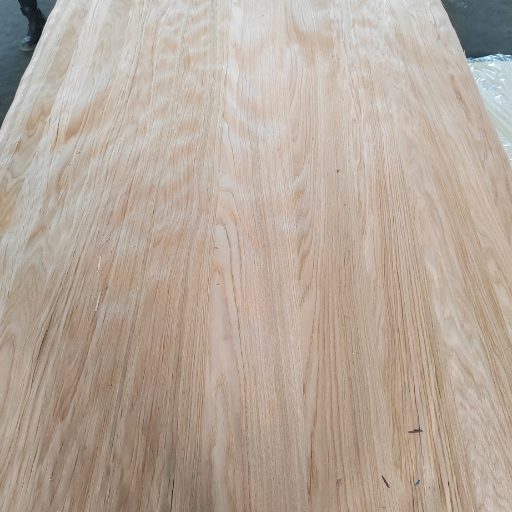
Oak Veneer
Prominent grain with distinctive rays and flecks. Available in White Oak, Red Oak, and European Oak varieties.

Walnut Veneer
Rich, dark brown hues with a smooth, elegant grain. Ranges from straight to beautiful wavy patterns.
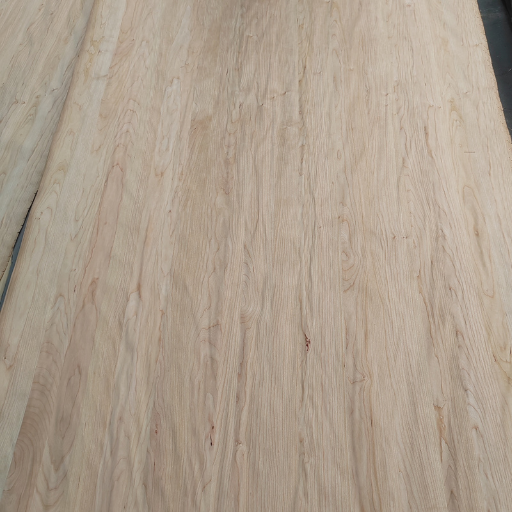
Cherry Veneer
Warm, pinkish-brown hues that darken to a rich red. Features a smooth texture and fine grain.
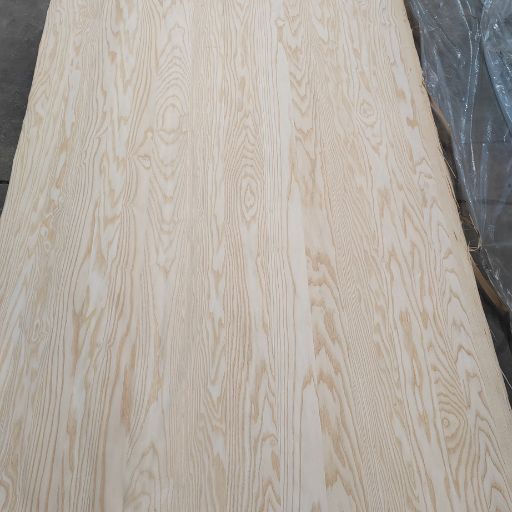
Ash Veneer
Light creamy color with a bold, straight grain pattern, similar to oak but without the prominent rays.
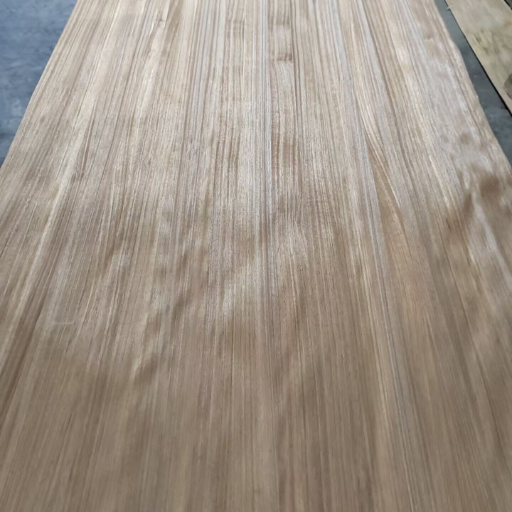
Teak Veneer
Valued for its golden-brown color and excellent durability. Features a straight grain with a natural, oily texture.
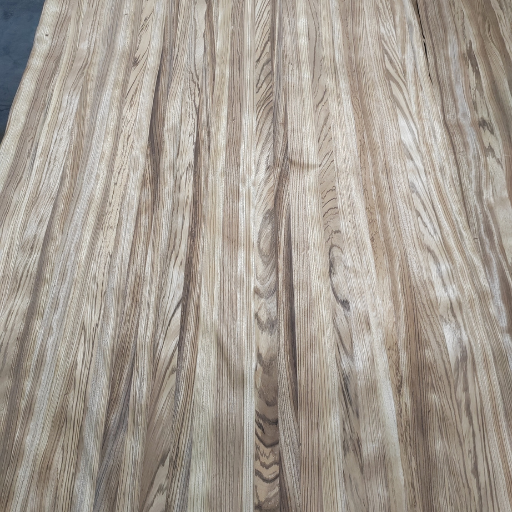
Zebrawood Veneer
An exotic veneer known for its striking, zebra-like striped pattern with alternating light and dark bands.
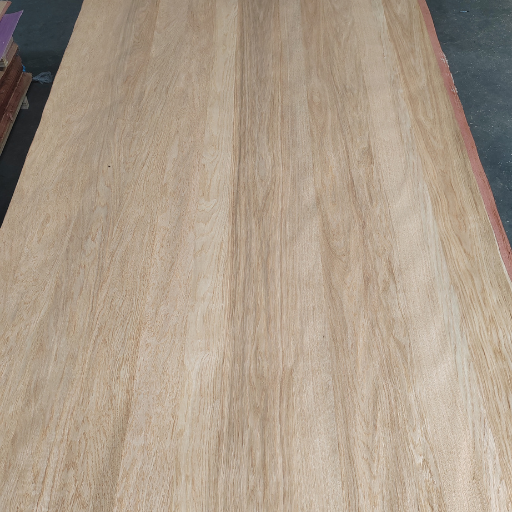
Plain Sliced Veneer
Prominent grain with distinctive rays and flecks. Available in White Oak, Red Oak, and European Oak varieties.
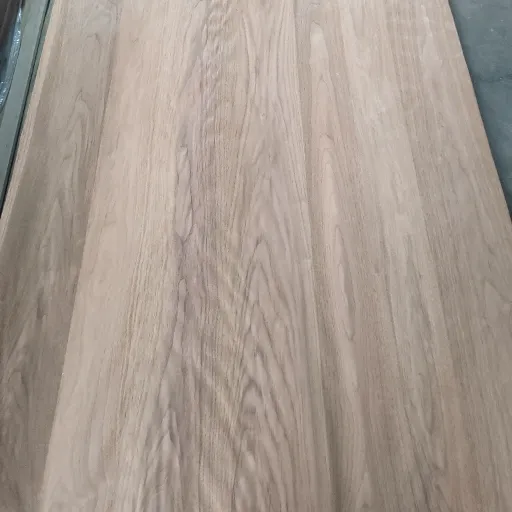
Quarter Cut Veneer
Prominent grain with distinctive rays and flecks. Available in White Oak, Red Oak, and European Oak varieties.

Rift Cut Veneer
Prominent grain with distinctive rays and flecks. Available in White Oak, Red Oak, and European Oak varieties.
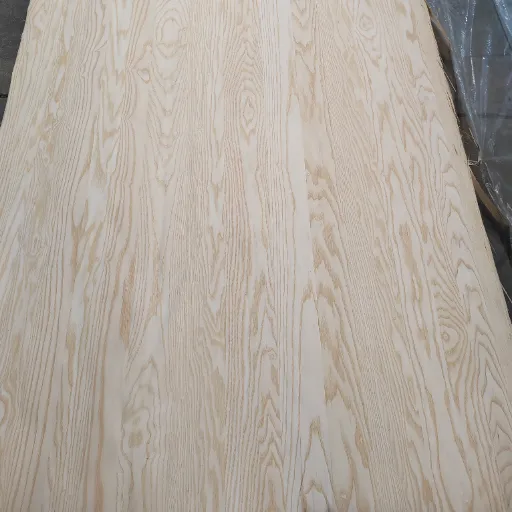
Rotary Cut Veneer
Prominent grain with distinctive rays and flecks. Available in White Oak, Red Oak, and European Oak varieties.
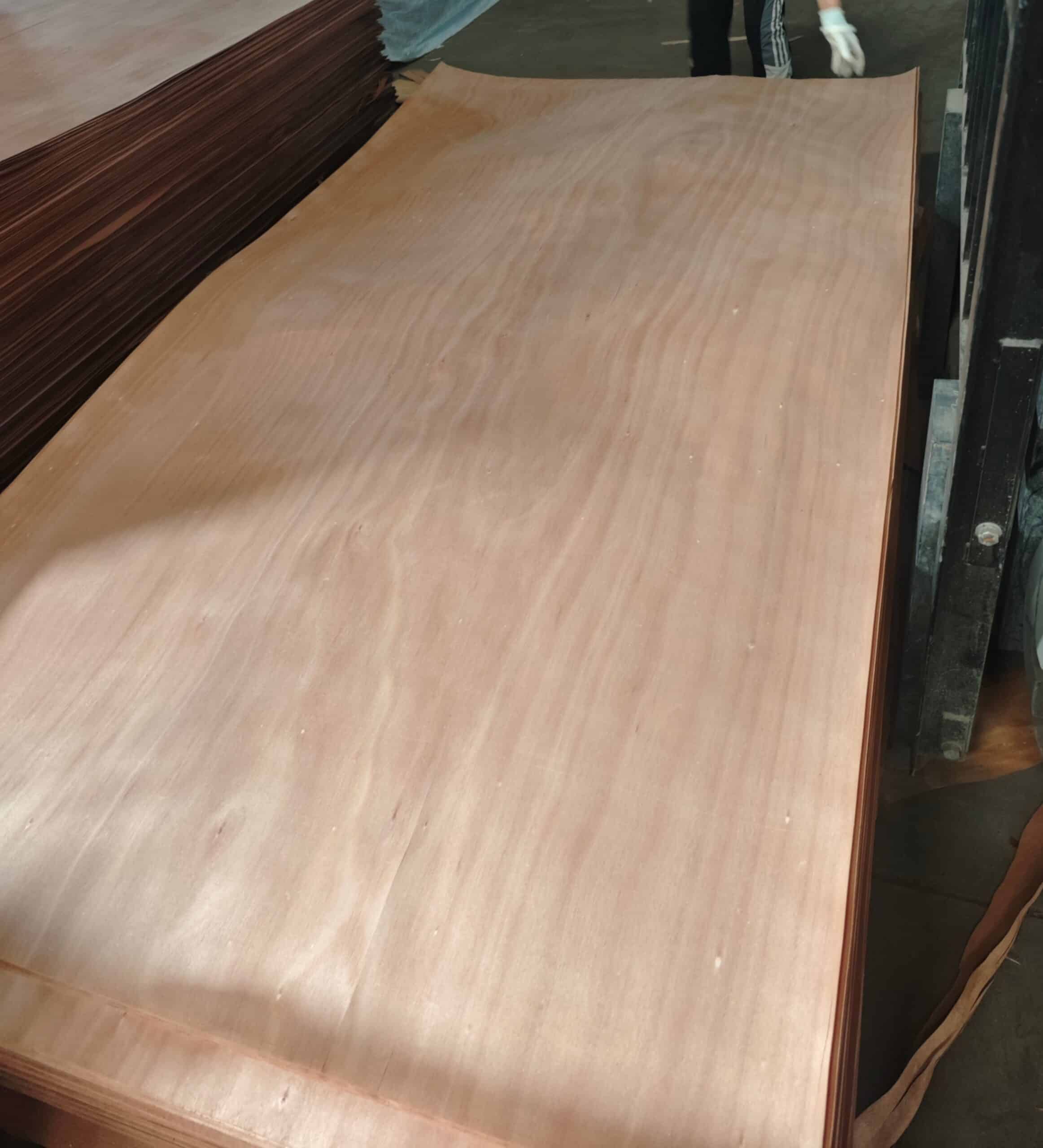
Okoume Rotary Cut Veneer
Our Okme rotary-cut veneer category is a versatile option, perfect for enhancing your woodworking projects.
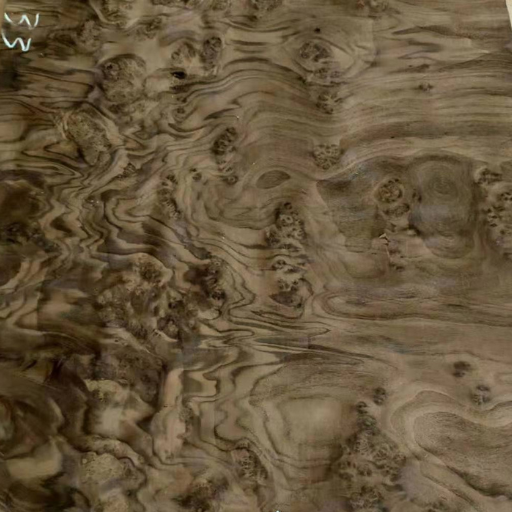
Walnut Burl
A luxurious, dark brown wood featuring a highly decorative, swirling grain with dense clusters of captivating eyes.
Mappa Burl
A unique, creamy-tan veneer defined by its decorative quilted pattern and distinctive, swirling burl clusters.
Elm Burl
Warm, reddish-brown color defined by its dense, intricate clusters of small pips and swirling grain patterns.
Why Choose Our Wood Veneer?
Natural Beauty
Every sheet showcases the unique grain patterns and color variations of real wood. Our veneers bring warmth and elegance to any space, creating timeless appeal that synthetic materials cannot replicate.
Sustainable Choice
Wood veneer uses 40-60% less timber than solid wood while maintaining the same aesthetic. We offer FSC-certified options and work with responsibly managed forests to support environmental conservation.
Cost-Effective
Achieve the luxurious look of exotic hardwoods at a fraction of the cost. One log can produce enough veneer to cover surfaces that would require multiple solid wood boards.
Versatile Applications
From furniture and cabinetry to wall panels and architectural millwork, our veneers adapt to any project. Available in various thicknesses and backing options for different installation methods.
Dimensional Stability
Unlike solid wood, veneer resists warping, splitting, and expansion. Proper backing and substrate create a stable product ideal for varying climate conditions.
Wide Selection
With over 50 species and multiple cut patterns, you’ll find exactly what your project needs. We maintain extensive inventory for quick turnaround on standard sizes.
Technical Specifications
Detailed product specifications for professional applications
| Specification | Details |
|---|---|
| Standard Thickness | 0.5mm - 0.6mm (raw veneer) |
| Standard Thickness | 0.6mm - 0.8mm (backed veneer) |
| Standard Sheet Sizes | 1220mm x 2440mm (4' x 8') |
| Standard Sheet Sizes | 1250mm x 2500mm |
| Standard Sheet Sizes | Custom sizes available |
| Backing Options | Paper backed, Fleece backed, Phenolic backed, Unbacked |
| Moisture Content | 8-12% (controlled and stabilized) |
| Grain Direction | Length direction (standard) |
| Grain Direction | Width direction (available on request) |
| Tolerances | Length/Width: ±3mm |
| Tolerances | Thickness: ±0.05mm |
| Packaging | Standard: 20-40 sheets per carton |
| Packaging | Protected with moisture-resistant materials |
| Certifications | FSC, CARB2, CE (available by species) |
Custom Options
Wood Veneer Applications
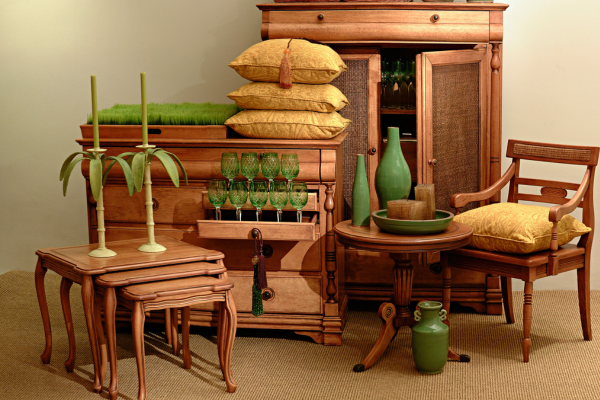
Furniture Manufacturing
Transform ordinary furniture into extraordinary pieces. Our veneers are perfect for dining tables, bedroom furniture, office furniture, and custom millwork.
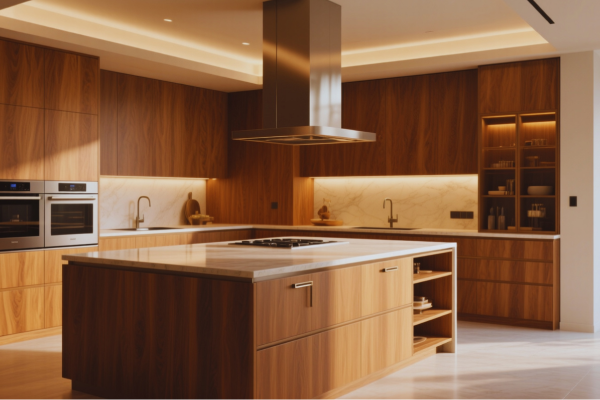
Kitchen & Cabinetry
Create stunning kitchen cabinets and storage solutions with our premium veneers.
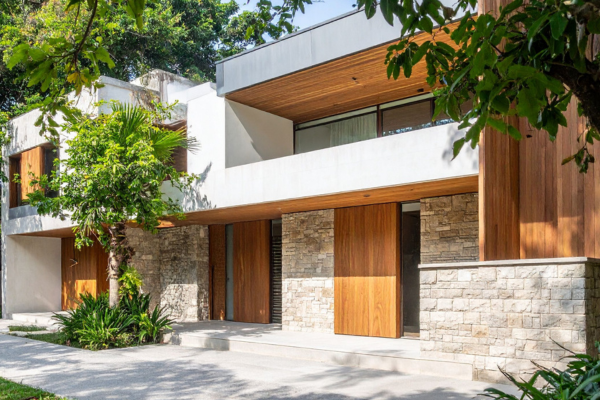
Architectural Millwork
Enhance commercial and residential interiors with wall paneling, column wraps, ceiling treatments, and decorative moldings.
Wood Veneer vs. Alternatives
See how wood veneer compares to other materials
| Feature | Wood Veneer | Solid Wood | Laminate | Vinyl Wrap |
|---|---|---|---|---|
| Appearance | Real wood grain, natural variations | Real wood grain | Printed pattern, repetitive | Printed pattern |
| Durability | Excellent with proper finish | Excellent | Good | Fair to Good |
| Cost | Moderate | High | Low to Moderate | Low |
| Sustainability | Very High (maximizes log use) | Moderate | Depends on core | Low |
| Refinishing | Can sand and refinish 1-2 times | Multiple times | Cannot refinish | Cannot refinish |
| Weight | Lightweight | Heavy | Lightweight | Very Lightweight |
| Natural Aging | Develops patina, darkens beautifully | Develops patina | Fades over time | Fades, may peel |
| Uniqueness | Every sheet unique | Every piece unique | Identical patterns | Identical patterns |
When to Choose Wood Veneer:
From Forest to Your Workshop
Our commitment to quality at every step
Sustainable Sourcing
We partner with certified forestry operations and responsible timber suppliers worldwide. Our sourcing focuses on sustainably managed forests, ensuring future generations can enjoy these beautiful materials.
Log Selection
Expert graders select premium logs based on species, grain pattern, color, and quality. Only the finest logs become veneer, while lesser grades go to other wood products.
Log Preparation
Logs are debarked and sometimes steamed or boiled to soften fibers, making them easier to slice and revealing optimal color.
Slicing
Specialized machinery slices logs into thin sheets using plain slicing for cathedral grain, quarter cutting for straight grain, or rotary cutting for continuous sheets.
Drying
Freshly cut veneer is carefully dried to 8-12% moisture content in controlled kilns. Proper drying prevents warping and ensures stability.
Grading & Sorting
Each sheet is inspected and graded according to international standards. Sheets are sorted by color, grain pattern, and quality grade.
Quality Control
Final inspection ensures every sheet meets our standards for thickness, moisture content, color, and freedom from defects.
Packaging & Shipping
Veneer is carefully packaged in moisture-resistant materials and shipped in protective cartons to maintain quality during transit.
What Our Clients Say
The consistency and quality of the burl veneer we received were exceptional. Their selection of exotic species is unmatched, allowing us to deliver truly unique, high-end results for our clients every time.

Alistair Finch
Lead Designer
Their team provided outstanding support, from sourcing a specific rift cut oak to ensuring timely international delivery. A reliable and professional partner for large-scale production runs and demanding project deadlines.

Sofia Petrova
Purchasing Director
Frequently Asked Questions (FAQs)
Still have questions? Our team is here to help. Reach out to us anytime, and we’ll make sure you get the answers you need.
What distinguishes wood veneer from laminate materials?
Wood veneer consists of actual wood slices with authentic grain, color variation, and natural characteristics unique to each sheet. Laminate uses photographic prints of wood patterns on synthetic materials, resulting in repetitive patterns without genuine wood properties. Veneer accepts stains and finishes like solid wood, while laminate only permits surface coating.
How do I calculate the quantity of veneer sheets needed for my project?
Measure total surface area requiring coverage, add 10-15% for trimming waste and pattern matching, then divide by individual sheet area. Complex designs with book-matching or special patterns may require 20-25% additional material. Consult with suppliers about specific species availability in consistent flitch runs for large projects.
Can veneer be applied to existing furniture or only new construction?
Existing pieces can be re-veneered after proper surface preparation, including removal of old finishes, repair of substrate damage, and ensuring smooth, clean surfaces for adhesive bonding. The substrate must be structurally sound and dimensionally stable. Professional refinishers often choose this approach to restore or update furniture appearance while preserving original framework.
What substrate materials work best beneath wood veneer?
Medium-density fiberboard (MDF) provides smooth, stable surfaces ideal for veneer application. Plywood offers strength with good dimensional stability. Particleboard works for less demanding applications where cost matters most. Substrate selection depends on structural requirements, moisture exposure, and budget considerations. All substrates should have balanced construction to prevent warping.
How does veneer perform in high-moisture environments like kitchens or bathrooms?
Properly sealed veneer performs adequately in moderate moisture environments when appropriate substrates and moisture-resistant adhesives are used. Apply complete edge sealing and use waterproof topcoats. However, direct water contact areas like shower walls or sink splash zones require alternative materials. Consider marine-grade plywood substrates and phenolic adhesives for enhanced moisture resistance.
Is special equipment required for professional veneer installation?
Basic projects require sharp cutting tools, appropriate adhesives, and methods to apply even pressure during bonding (rollers, clamps, or weights). Larger operations benefit from vacuum presses, hot presses, or automated edge banding machines. Many successful installations occur with hand tools and careful technique, though power equipment increases efficiency and consistency for volume work.