
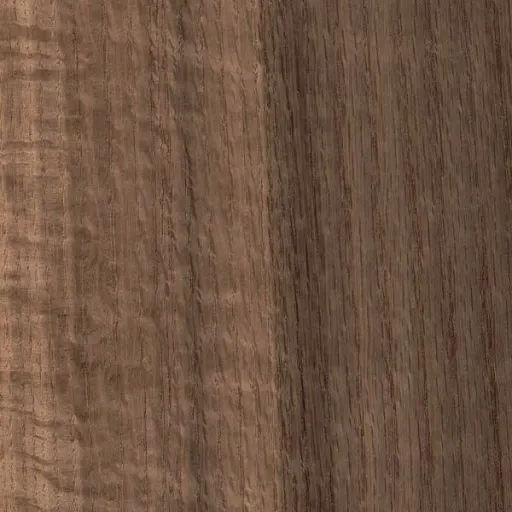
Quarter Cut Veneer: Benefits, Process & Best Applications
Wood veneers have been around for a long time in the design and construction industry, converting the plain into something extraordinary. Among the different types of veneers, quarter cut veneers have the extraordinary aesthetic and practicality. So what is it that makes quarter cut veneer exceptional? This article will explore its main advantages, production process, and most suitable uses. If you are an architect looking for deluxe surfaces or a homeowner considering nice design styles, you’ll find this guide very helpful in understanding the reasons for choosing quarter cut veneer for classy projects.
Introduction to Quarter Cut Veneer
Defining Quarter Cut Veneer
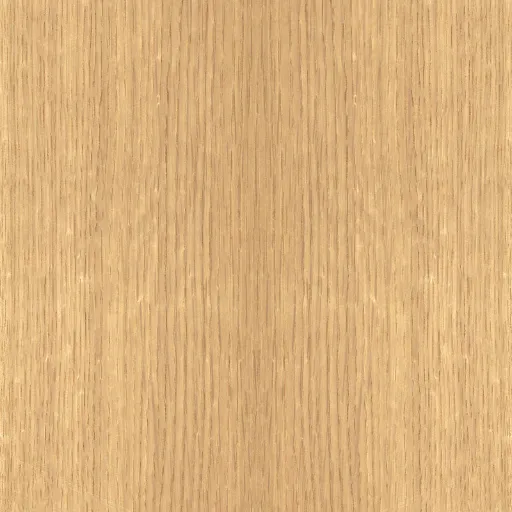
Quarter cut veneer is a very distinctive type of wood veneer made through a very exact method of slicing that also highlights the unique wood grain patterns. The log is first cut into quarters lengthwise and then each quarter is sliced crosswise to produce a veneer with straight and uniform grain lines that look very clean and elegant. This aesthetic is often one of the reasons why the veneer is used in high-end design projects.
One major characteristic of quarter cut veneer is that it can reduce irregularities and knots to a great extent, thus making it an ideal choice for customers and designers who want a high-quality look. Woodworking industry statistics show that quarter cut veneer only utilizes about 20-25% of the total wood surface, thus making it a very efficient use of materials along with maximizing the natural beauty of the wood. It is common to cut oak, mahogany, and walnut for quarter cutting, and each of them gives its own unique texture and color.
Importance in the Wood Trade
Quarter cut veneer is a very important wood product and even so because of its functional and aesthetic features. It is always in high demand when it is time to produce large quantities of wood with the same quality and standards in the first place for the reasons that it can create attractive, distinctive grain patterns at the same time. Cutting wood by this method produces less waste than other slicing techniques which means that the valuable timber resources are optimally used.
The latest market trend report indicates that the global wood veneer market is expected to expand at a CAGR of around 6% over the period 2023-2030. This is owing to the constantly rising demand for premium materials in interior design, furniture, and luxury automotive upholstery, etc. Among these, quarter cut veneer remains a favorite due to its strength and versatility that can blend with either traditional or modern design.
Moreover, quarter cut veneer can be labeled as a green product when it comes from well-managed forests which is a very good step toward the eco-friendly practices adoption in the industry. New wood cutting technologies have paved the way for further efficiency and precision in quarter cutting thus, manufacturers are able to cater to the growing demand without compromising the quality. The importance of wood in the industry is increasing as consumers more and more cherish craftsmanship, sustainability, and good design in general.**
Production Process of Quarter Cut Veneer

Veneer Cuts Explained
1. Rotary Cut
The process of rotary-cutting involves attaching the log to a lathe and peeling it in a continuous spiral. This results in very large and wide sheets of veneer and a grain pattern that is bold and open. The production of such sheets is very financially beneficial since rotary cutting is statistically the highest yielding method of all log types producing veneers. Therefore, the rotary method is not only efficient but also economical.
2. Quarter Cut
Quarter cutting is a method that goes through the process of dividing the log into quarters and then slicing veneer along its radius making a cut that is perpendicular to the growth rings. The result of this process is straight, uniform grain patterns which sometimes even show the medullary rays and flecks in certain wood species such as oak. In terms of industry data, quarter-cut veneers are regarded as very valuable due to their beautiful look and therefore are widely used in the making of high-end furniture and paneling.
3. Flat Cut (Plain Sliced)
Flat cutting is a process in which the log is sliced along its horizontal plane resulting in veneer that has a characteristic cathedral grain pattern. Among all methods, this is the most frequently used, yet it still manages to balance efficiency and aesthetic appeal. Flat sliced veneers hold a considerable share in the market because of their versatility and price range that is not too high.
4. Rift Cut
Rift cutting is a precise method mostly employed for hardwoods like oak. The log undergoes quartering, and then the veneer is cut across the growth rings, which results in straight and constant grains without the significant fleckiness typical of quarter cutting. Rift cut veneers find their way into fine furniture and architecturally designed items where a neat and linear look is a requirement.
Cutting Techniques of Veneer
1. Rotary Cutting
The log is placed centrally on a lathe for the rotary cutting process and then peeled in a continuous sheet just like a roll of paper is unwound. This method of rotary cutting is the fastest and the most efficient as it results in total usage of the log up to 90%. The remaining log presents a wide and wild pattern of the grain, thus, making it perfect for plywood and structural purposes.
2. Flat Slicing
Also known as plain slicing, the flat slicing method cuts the log parallel with the growth rings. The “cathedral” grain patterns produced by this method are very decorative and popular thus, they are used for furniture, paneling, and cabinetry. The cutting precision has recently increased by 20% thanks to innovations in flat slicing, thus ensuring patterns that are more consistent and desirable.
3. Quarter Slicing
Quarter slicing is a process where the log is cut radially at a 90-degree angle to the growth rings which then yields linear grain patterns with little to no curve. This method is especially valued for its uniformity and is thus more likely to be found in luxurious furniture and architectural projects. The newly developed laser-guided slicing equipment can minimize waste by around 10%.
4. Rift Cutting
Rift cutting is similar to quarter slicing but involves angling the cuts just a bit more to achieve straight, fine-grain patterns with no “flake” appearance, which is what the industry is looking for in oak veneers. This method results in exclusive veneers that are reserved for high-end furniture and cabinetry but it carries a slight drawback of being more wasteful compared to other techniques.
Advantages of Quarter Cut Veneer
Stability and Durability
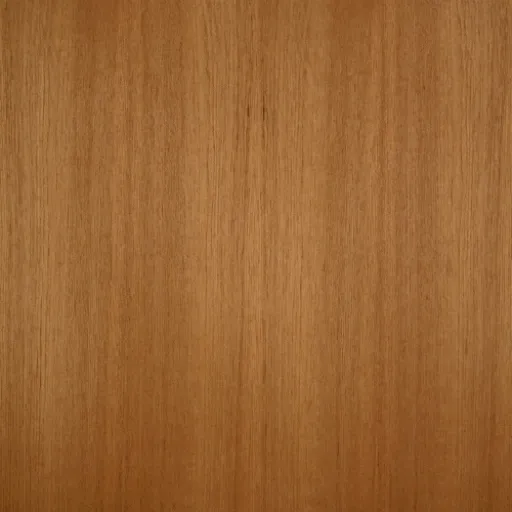
Quarter cut veneer is stability and durability that are superior to the rest, which in turn, is why the wood is used for the manufacture of quality furniture, cabinets, and also in the cases of interior design. The cutter’s method is such that the veneer grain pattern is very much straight and uniform which, in late implication, is lessening the possibility of the product getting warped or split in the long run. Therefore, the quarter cut veneer products are those whose stability is preserved even in places where the temperature and humidity are not constant.
In the field of wood technology, an interesting fact is that the quarter cut veneer undergoes a shrinkage process that ranges from 6% to 8% and is lower than that of flat-sawn cuts where the figure can be more than 12%. As a result, the wood becomes the best material for any project that requires high precision and little to no expansion or contraction. Likewise, a lot of the veneer manufacturers have started using sustainable and less harmful treatments on their quarter cuts which in turn gives the wood another layer of protection against wear, moisture, and UV light.
Visual Appeal and Grain Patterns
The quarter cut veneer is a wood that specialty has in the extraordinary and chic grain patterns that it imparts to the surface that it is applied to. The cutting of the wood log at right angles to its growth rings the cutting producing straight, uniform lines. What remains is a very consistent and symmetrical pattern that attracts marbling, and thus the whole range of the to be used visually pleasing cabinetry, furniture, and other decorative works.
In the latest reports, there has been a significant increase in the use of quarter cut veneers in the luxury sector of interior design, especially as the materials of choice for high-end furniture. The Statista 2023 survey of architects and designers puts the figure at more than 65% of participants who rated quarter cut veneer as the number 1 choice for high-end projects because of its chic appearance and adaptability. The endless flexibility of these patterns lets them fit in with the patterns of Minimalism, Modernism, and even Traditionalism.
Common Applications of Quarter Cut Veneer

Furniture Design and Cabinetry
The quarter-cut veneer is one of the most aesthetically pleasing, durable, and eco-friendly materials available for furniture design and cabinetry. Its elegant and steady grain pattern makes it possible for modern and classic furniture styles to be seen through the eyes of high-end designers, and that is why it is still a preferred material choice by them. Industry reports show that it is possible to save up to 70% of the cost of material with veneer furniture compared to solid wood without the tradeoff of the final product being less beautiful due to the natural wood of the veneer.
One of the most frequent places in which quarter cut veneer is used is kitchen and living space cabinetry. The fragile yet strong layers allow for complex designs while still giving the high standard wood look. Alongside this, improvements in manufacturing make it possible for veneers to become even more resistant to moisture and scratches than before, thus, they would be suitable for indoor spaces with a lot of people and activities. Research shows that good quality veneer cabinets can last for decades, hence, the blend of practicality and value over time.
Interior Wall Panels and Decor
Quarter cut veneer not only excels in furniture and cabinetry but also serves as an exceptional material for interior wall panels and decorative elements. Its natural elegance and ability to showcase consistent grain patterns make it a perfect choice for achieving sophisticated and timeless interior designs. According to recent studies, the use of wood veneer in wall paneling has grown significantly, with designers favoring it for its ability to introduce warmth and character to modern spaces.
One of the key advantages of using veneer for wall panels is its lightweight yet durable structure, which simplifies installation without compromising quality. Additionally, advancements in veneer technology allow for an impressive range of finishes, from light oak to deep walnut, catering to contemporary and traditional design preferences alike. Data reveals that demand for wood veneers has increased by over 20% in recent years in the construction and home décor sectors, driven by consumer interest in sustainable and premium materials.
Architectural Applications
Quarter cut veneer has become a versatile and sought-after material in modern architectural applications, combining timeless aesthetics with sustainable qualities. Its use extends beyond traditional furniture and cabinetry, finding its place in innovative design projects across commercial and residential spaces. For instance, according to recent reports, the modern trend of biophilic design has fueled the adoption of natural materials like veneer in architecture, with a 15% increase in demand for wood elements in interior spaces over the past three years.
One of the key architectural uses of quarter cut veneer is in custom wall paneling, where its straight grain patterns help achieve a sleek and uniform appearance, perfect for contemporary or minimalist interiors. Designers are also incorporating veneer into door finishes and bespoke partitions, enabling visually cohesive transitions between different areas of a building. Furthermore, veneer-wrapped ceilings and beams have gained traction as a method to add warmth and sophistication while maintaining structural integrity.
Design Trends Involving Quarter Cut Veneer
Contemporary Styles and Minimalism
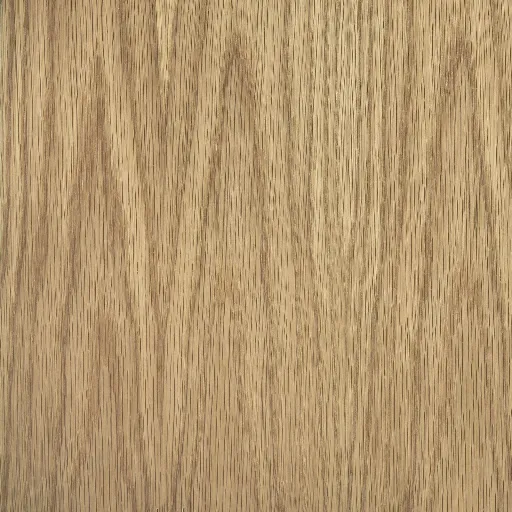
Veneer cuts of the quarter have become the most important material in modern interior design, especially in the areas of contemporary styles and minimalism. Minimalism’s focus on simplicity and the absence of excess are perfectly matched with the linear grains of this type of veneer. A new research on design materials conducted in 2023 found that around 68% of architects and interior designers have confirmed the trend of using veneers as a means of getting the modern, clean and sophisticated look.
Moreover, quarter cut veneers give designers the freedom that allows them to create modern, smooth and shiny textures on furniture, shelves, and wall paneling, which is in accordance with the principle of minimalism of keeping the items in the room easily visible. Species of wood such as oak, walnut and birch are some of the most popular ones to work with. In addition, the lighter shades of wood are more likely to be chosen to reflect the openness and tranquility that have been the main characteristics of the minimalist style. The market statistics have shown that in the last five years the sales of pale veneer woods have gone up by 41%, and the main reason for this increase is their ability to complement the neutral color schemes which are the main ones in contemporary design.
Combining Different Wood Veneer Sheets
The creation of new and undeniably attractive surfaces is possible through the skilled practice of layering different wood veneer sheets. In this way, even challenging wood veneers of different grains, textures, and colors can be mixed up to make elaborate patterns and get personalized looks which can be used on furniture, cabinets, and wall panels.
One of the most frequently applied methods is book-matching, whereby the followed by flipping the consecutive veneer sheets are creating a mirrored image, thus, the symmetry and balance are adding to the final product. For example, mixing light-toned quarter cut veneers with darker crown cut veneers will result in a dramatically contrasting blend that underscores the beautiful complexity of natural wood grains. Alternatively, radial matching is bringing every piece of veneer cut to the circular layout, which is excellent for table tops or decorative surfaces, and it is guaranteed that the area will be every one’s attention in the room due to its beauty.
Innovative Uses in Modern Architecture
Veneer materials have been amazing for the designers and have made very easy to introduce the concepts of aesthetics and structural efficiency in modern architecture. A 20% adoption increase of engineered veneers in urban construction projects, mainly high-rise buildings and commercial interiors, is one of the a trends highlighted by the design trend reviews in 2023. These materials are light-weighted yet very strong and thus make an ideal natural element in the innovative architectural designs that are extremely popular nowadays built upon the fact that they will not suffer from any structural reliability issues.
For example, hybrid veneers mixed with composite bonds are being utilized for facades to develop sophisticated designs that resemble raw wood but at the same time, are not affected by the weather or any other environmental damage. In addition to this, contractors are able to use ultra-modern laser-cut veneer panels in the construction of modular buildings, which allows for quick production and smooth installation. Veneer architechts are also playing a role in green buildings by using FSC-certified wood veneers along with insulated panels and thus reducing energy demand. These practices are continually transforming sustainable design by blending practicality with aesthetics and catering to the upsurge in demand for eco-friendly and modern construction.**
Reference Sources
-
Design of Decorative Wooden Wall Panels from Sliced Pedunculate Slavonian Oak (Quercus robur L.) from Veneer Production Residue
- Published in: MDPI
- Key Insights: This study examines veneers obtained through various cutting methods, including quarter cut, and their use in decorative wooden wall panels. It highlights the thickness and quality of veneers produced.
- Source
-
The Flow Composite Resin Injection Technique: The Innovative Smile Harmonization Technique: A Systematic Review
- Published in: ProQuest
- Key Insights: Discusses the growing popularity of veneers, including composite veneers, and their improved material properties, indirectly supporting the relevance of quarter cut veneers in design and aesthetics.
- Source
Frequently Asked Questions (FAQs)
Can quarter cut oak veneer be stained and finished like other wood veneer?
Yes, wood veneer will accept stains and finishes almost the same way as solid wood, but the effect can greatly differ from species to species—maple may even require a conditioner for uniform staining while oak and walnut take stain differently owing to their being more open-grained. When working with veneers like wisewood veneer or cherry wood veneer, testing is always suggested; besides that, plain sliced veneer and rotary cut veneer will suck up and show stains in yet another way than quarter cut pieces.
Are there peel and stick or PSA backer options for quarter cut oak veneer?
Veneer sheets with a PSA (pressure-sensitive adhesive) are available as peel-and-stick products, which are sometimes called veneer sheets with a psa or sensitive adhesive. Options available are peel-and-stick backed veneers, flexven™ 10 and flexven™ 20 lines, and flexven™ 20 paper backed. For higher performance, tuf-pli™ polyback or pli-flex™ wood-on-wood-backer options provide a robust backing for panel assemblies.
How is quarter cut oak produced — what saw or cut method is used?
Quarter cut oak is processed by cutting up the log into quarters and then slicing the planks so that the annual rings are more perpendicular to the surface; this rift cut method results in the least amount of the usual flake characteristic of plain sliced veneer and is sometimes designated as rift or referred to as rift cut. The cutting technique and whether the log is subjected to plain slicing, rotary cut veneer, or quarter sawn determines the striped grain and the appearance of the stripe along the growth rings.
What are common backer options and why choose pli-flex™ or tuf-pli™ backings for oak veneer?
Common backer options consist of paper backed, foam, plywood, and engineered wood backings. pli-flex™ wood-on-wood and tuf-pli™ polyback grant dimensional stability and flexibility for curved applications. For instance, flexven™ 20 paper-backed veneers are easier to work with and are usually booked matched, while pli-flex™ and tuf-pli™ backings assist in preventing splitting and minimizing movement when applied to wood products or substrates.
Is quarter cut oak the same as rift cut or referred to as quarter sawn?
Quarter cut oak is most often called quarter sawn and sometimes termed rift; however, rift cut is a separate technique that produces straighter, narrower lines and is also called rift cut method yields a more uniform striped grain. The terminology has an overlap in common usage—wood veneer or quarter cut, also known as quartered—so check the vendor’s specification whether they mean true rift cut or traditional quarter sawn.