
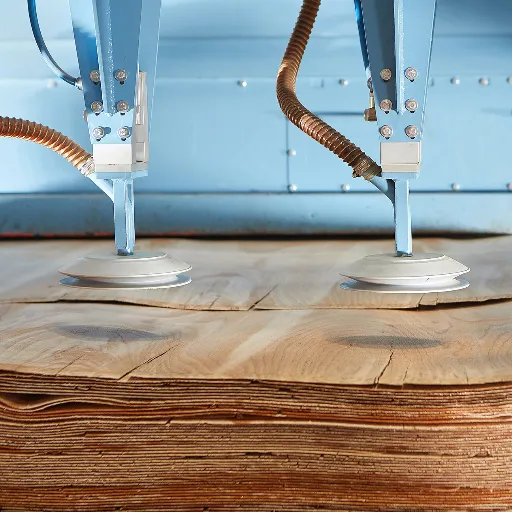
Wood Veneer Factory Equipment: Essential Machinery Guide
In the case of making high-quality wood veneers, the right factory equipment is necessary not only but also a major factor that determines the success of an operation. It doesn’t matter if you are running a big production line or a small, expert workshop, the knowledge of the machinery involved is a must for getting the most out of your operation, precision, and great results. This guide will take you through the main equipment that wood veneer factories rely on, and will give you a lot of information about their functions and the part they play in the production process. We will cover the whole process from peeling and slicing through drying and finishing, and we will explain how the technologies behind these processes work and how they can be used to improve your manufacturing capabilities.
Introduction to Veneer Machinery
The Importance of Veneer in Woodworking
The veneer of wood is a great and very important factor in the whole woodworking industry which is not only resource-saving but also very attractive for the eyes. The veneers are very thin pieces of wood which are sliced from the logs of very good quality which are further glued on top of the layers of plywood, MDF, or particleboard. By changing the wood consumption, the entire production process not only gives the furniture the appearance of the solid wood of the highest quality but also saves the expensive and rare hardwoods’ resources.
Veneers are known for being the best eco-friendly in terms of the cutting and processing of the logs. Industry reports give the figure that the wood growing process can provide up to 40 times more surface area of wood from the same log as compared to cutting solid wood. One of the primary reasons for the acceptance of wooden furniture is that it is very much zero wastage, which practice is eco-friendly and thus promotes the sustainability of the wood.
They not only make it possible to have the wood of the most luxurious and rarest species but also to the use of highly skilled artisans for making custom furniture, cabinetry, and interiors. The selection of available woods for veneers ranges from the most common oak, black walnut, and maple to the most exotic zebrawood, pink ivory, and rosewood. Additionally, modern finishing techniques have made the surface of wood veneers as durable as solid wood, therefore they are scratch-resistant and maintenance-friendly.
Overview of the veneer process
1. Veneer Peeling Machines
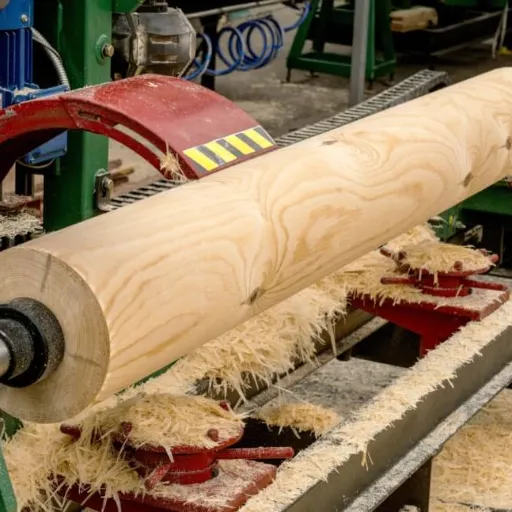
In the process of producing veneer, the main aim is to obtain very fine layers of veneer by rotating a debarked log and cutting it with a very sharp blade. The machines ensure the high yield of veneers from different species and sizes of logs. The latest advancements in peeling machines include the automatic thickness control and the very fast peeling with production rates of up to 200 meters per minute.
2. Veneer Slicers
The use of slicers in the process of making veneers has been of paramount importance since the supplier usually provides logs that have been cut at angles that make it hard to get the best from the solid blocks of wood from which decorative veneers are produced. Moreover, with cutting rates from 100 to 150 cuts per minute, these machines are permanently engaged in the production of luxury furniture and paneling.
3. Veneer Dryers
Drying is the following process after slicing or peeling and its main purpose is to lower the moisture content and at the same time prevent warping. A drying method is available that can even be combined with a conveyor system where the hot air, infrared, or steam are used to deliver uniform drying. The contemporary drying system can handle a volume of about 15 cubic meters per hour and hence the quality will be same while the energy consumption will be less.
4. Veneer Pressing Machines
These machines are meant to glue the veneers firmly onto the plywood or MDF core boards. Hydraulic and platen pressing systems are employed to ensure that the adhesives mixing and bonding are done so thoroughly that the surface and durability are even. Some of the modern presses have introduced programmable pressure and temperature control for precision and versatility as their traits.
5. Veneer Guillotines
Cutting down the size and squaring of veneer sheets right before further processing is done are the applications of guillotine type machines. They are remarkably accurate so that the manufacturers can obtain the exact size they need the veneers cut. Furthermore, with the guillotine cutting method, the machine can automatically handle the sheets and perform continuous cutting that results in improving the process’s productivity.
Types of Veneer Machinery
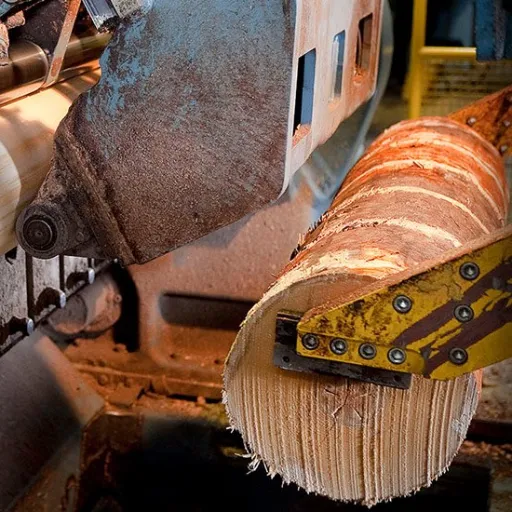
Guillotine Cutters for Precision
Guillotine cutters deliver the industry standard in terms of precision when it comes to the cutting of veneer sheets, and they are thus regarded as the most important part of veneer machines. Their application in the wood industry is mainly in the production of furniture and interior design where large-scale and very precise cuts with a minimum of raw materials left-over are required.
The modern guillotine cutters usually come with the control programs and laser-based cutting features, and the combination of these technologies ensures cutting precision even for huge amounts of products made. For example, some machines have AI-enhanced optimization algorithms, which can automatically adjust cutting layouts for the best utilization of raw materials’ yield. Moreover, with IoT-enabled guillotine cutters, the monitoring of data is carried out in real-time while predicting the maintenance conditions simultaneously, thus reducing downtime and developing operational efficiency.
Veneer Splicers: Custom Solutions for Woodworking
The splicers that are used for the joining of the veneer sheets are the most crucial in the wood industry granting the operation speed and precision that the manufacturers want. These machines can be quite expensive but they also assure that by adopting the most advanced technology the manufacturer has always been one step ahead in competition and demand. The current situation with the splicer buyer’s market continues to increase the demand for the wood processing and finished product category thus the splicer industry seems to be one of the winners in the market.
It is estimated that the demand for veneer processing equipment, including splicers, will have a compound annual growth rate (CAGR) of 4.8% between 2023 and 2030. The aug increasing use of automated machines especially in the Asia-Pacific region is indicative of the manufacturing efficiency and environmental sustainability trend that is gaining momentum.
Besides, the market is increasingly observing the phenomenon of customer departments and production departments speaking with a single voice – i.e. through the custom veneer splicing systems from the manufacturers that address the specific needs of the different industries. This indirectly gives the woodworking firms competitive advantage through improved workflow, reduced material wastage and high-quality products. Smart innovations like veneer splicer IoT integration are a furthering step in providing real-time monitoring, predictive maintenance thus ensuring operational reliability and saving costs for the manufacturers.
Essential Veneer Equipment for Factories
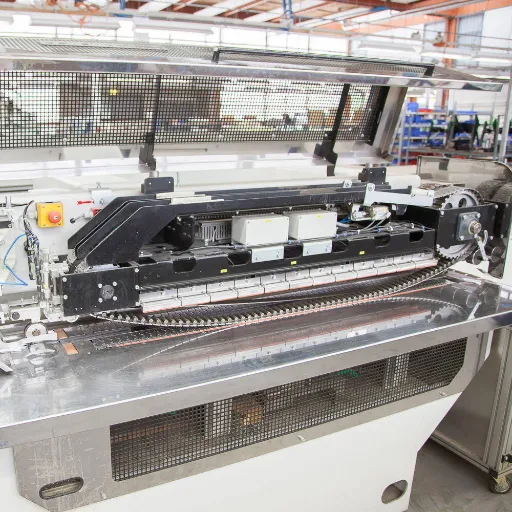
Overview of Kuper Machinery
Kuper Maschinenbau is the great manufacturer of woodworking machine, having giant and good machines. Kuper being co-led through the entire broad spectrum of machines, that are quality and service committed, is a big and regular name in the traditional wood and veneer crafting industry, its extensive machine range ever-ready for shift adoption. The company blends modern technology with the skills of artisans who have an extensive past in the wood craft and thus yields not only efficient but also end-user sustainable production.
Main products of the company are the hot and cold veneer splicers, glueing systems and presses. All of them are made to deliver superior performance and reliability. Kuper’s hot veneer splicers, for example, have been largely accepted because of their eco-friendliness, since they are very easy to integrate into production and cause only a 15% fault rate, which is a quantitative way to decrease costs.
How to Select the Right Clip Tools
Caliber of Material
Material Specialty The various clipper tools are made separately for plywood, veneer, or solid wood. In case of a powerful machine using a carbide-tipped blade, it may cut through dense hardwoods with ease, while a particular clipper for veneers will be specially made for the thinnest and most delicate sheets.
Cutting Speed and Precision
Mount today, the clippers are incredibly advanced with the technology of servo motors and laser-guided systems allowing very consistent cuts even at very fast rates. Reports from the industry say that the leading machines can now cut up to 120 meters a minute which is a huge increase in productivity without losing the quality of cuts.
Energy Consumption
The cost of clippers that save energy also lead to less operating expenses and at the same time support the sustainability goals a company pursues. It is mentioned that machines with eco-friendly standards, for instance, energy-saving motors, have a power usage reduction of up to 30% compared to conventional types.
Compatibility with Smart Technology
A number of the major producers are currently also offering clippers with IoT capability. It means that the performance of the machines is monitored in real-time, remote diagnostics are conducted and maintenance is scheduled in advance. Research mentions that IoT-enabled machines can reduce unexpected breakdowns by up to 40%, thus ensuring smoother operations.
Recent Trends in Veneer Machinery
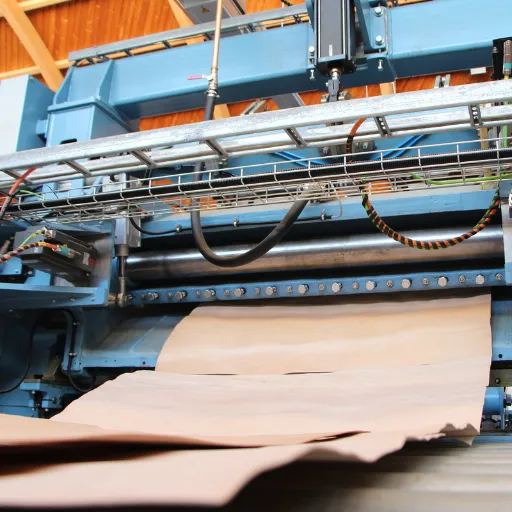
Innovations in Glue Application Technology
The glue application technology has brought about remarkable changes in the veneer production process thus leading to transformation. The process is now more precise, faster, and less harmful to the environment. The newest glue dispensers have systems that are completely automated, and they ensure that the adhesive is applied uniformly and evenly without any wastage and they also reduce human error. For example, a modern computerized-controlled spray system can customize the application pattern according to the size of the veneer and the speed of the production thus giving more precision and reducing the usage of adhesive by 30% simultaneously.
Most of the manufacturers are using a trend in the industry as a green movement and more eco-friendly adhesive solutions are the main marking. Water and bio-based glues are becoming the first choice due to manufacturers who want to comply with the stricter environmental laws and consumers’ requests for sustainable practices. The use of these glues is much safer for the ecosystem since they emit much less volatile organic compounds (VOCs) compared to classical solvent glue options which make the production process safer and better for the environment.
In addition to that, smart glue application systems are already being set up together with the technology of Industry 4.0. These systems use real-time data analysis along with sensors to monitor different parameters like glue’s viscosity, drying time, and temperature in the room. The data that is used by the manufacturers gives them strict quality control over the product and can also greatly improve the performance of the glue being used. It has been reported that plants which have adopted smart glue application solutions are enjoying a 20% increase in production efficiency along with a reduction in defects.
Recent Innovations in Manufacturing of MDF (Medium Density Fiberboard)
MDF (Medium Density Fiberboard) production has been affected in a positive way by the technology application and broken through the barrier of sustainability that has been holding it back. The cutting of wood and making of MDF was entirely dependent on the use of wood fibers and adhesives, however, the modern methodologies that are in place, are making the use of wood more efficient and less of an environmental impact. For instance, the introduction of advanced refining systems has resulted in fiber uniformity that was the reason for the strength and quality of the MDF.
Sources of data point out the recent changes in the MDF production that affected the industry positively over different metrics. Continuous press, according to the industry’s reports, has increased the capacity of the manufacturing by up to 30% and at the same time not compromising the quality of the product since the market supply will be increased. New drying systems that save energy have reduced the total energy consumption of MDF manufacturing plants by about 15%. Reducing energy consumption has twofold advantages that are savings on operational costs and helping the company in its carbon emission reduction goal by lowering carbon emissions.
Practical Tips for Using Veneer Machinery
Maintenance Practices for Longevity
Regular Cleaning
The operation of vaiveneering machines produces a lot of dust and dirt which can accumulate on the surfaces and parts of the machine, hence, leading to wear and loss of precision. Daily cleaning of the machines is suggested along with an extra focus on their different parts such as the bearings, cutters, and feed rollers.
Lubrication
The movement of machine parts such as spindles, joints, and gears can be smooth and free of friction if the right type and amount of lubricant are applied. Wear is also prevented. Equipment’s proper operation hinges on the manufacturer’s lubrication schedule being followed.
Inspection and Calibration
The cutting blades, motors, and conveyor belts should be inspected very often to check for any signs of wear. The calibration of the sensors and the changing of the alignment settings should be done periodically in order to avoid defects in veneer application and to maintain product quality.
Filter Replacement
Dust collectorsthe and filters should be cleaned or replaced periodically to ensure the best airflow and to avoid the buildup of fine particles that would not be good for the machine performance.
Training and Manuals
Operators should be trained in the proper use of equipment and should consult the manufacturer’s manual for specific maintenance guidelines. Misoperation due to lack of training is a frequent source of damage.
Optimizing Production Efficiency
Optimizing production efficiency in the manufacturing industry is going to require a strategy that combines the implementation of technology, workforce training, and process streamlining. The latest innovations such as the incorporation of Artificial Intelligence (AI) and the Internet of Things (IoT) have changed the scene in manufacturing. A study by McKinsey & Company indicated that manufacturers who connect their devices through IoT can have machine downtime reduced by 50%, and at the same time, increase their overall productivity by 10 to 25% as well.
The adoption of data-driven methods is yet another important measure. For example, predictive maintenance systems that utilize real-time data analytics can pinpoint potential weak links in the machinery days before they actually break down, thus avoiding costly interruptions. Not only that, but also revising the workflows through automation and Robotic Process Automation (RPA) leads to quicker production cycles. A survey conducted by Deloitte showed that more than 86% of manufacturers are of the opinion that digital tools do enhance operational resilience and efficiency.
Reference Sources
-
The Study of Veneer Machine from Oil Palm Stem
This study focuses on a specialized veneer machine designed to process oil palm stems, highlighting its capabilities and production efficiency.
Read more here -
Veneers and Veneer-Based Materials
This chapter discusses the production of veneers for various applications, including the use of specialized slicing machines for technical and appearance-grade veneers.
Read more here
Frequently Asked Questions (FAQs)
What are the best methods for cutting veneer strips with veneer machines?
Veneer strips cutting with high precision needs very sharp knives, exact table setting and the appropriate feeding system to be done concurrently. A perfectly working lathe or veneer cutter with a solid table should be used and instruments have to be calibrated before every run. It is necessary that the veneer is flat and either taped or clamped to hinder movement and a vacuum hold-down may be used for very thin or natural faces. Frequent sharpening of blades accompanied by adherence to the manufacturer’s technical instructions increases the reliability and decreases the waste in plywood production and laminate applications.
What does a splicer denote and what benefits does a veneer splicer confer to production?
A splicer is a device or attachment that is meant to join veneer sheets or strips from end to end thus giving rise to endless veneer webs. A veneer fanning machine or automated splicer reduces manual labor, increases line speed and ensures consistent face match for decorative panels. Modern splicers usually rely on either tape or hot glue and may be attached to a veneer table or conveyor so as to support the industrial-scale plywood production and laminate lines while keeping a natural grain profile.
In which situations would you prefer to use a hot press over a cold press for veneer pressing?
A hot press is preferable when faster curing of adhesives is required, higher bonding strength for laminates is desired, or when production of plywood with specific industrial-grade glue lines is taking place. Hot press cycles reduce production time compared to cold pressing and are thus very common in the plywood industry that requires high-volume outputs. Cold presses may be employed in the cases of very delicate natural faces or when minimizing thermal stress on adhesives is of primary importance. Selecting a brand known for its reliable nature, along with suitable technical specifications, will provide consistent pressure distribution over the entire press table.
What qualities must I seek in a veneer machine table to get the utmost performance?
Choose a table that features a smooth, sturdy surface, customizable stops, and built-in vacuum or mechanical clamping. Tables for veneer work usually come with the design features such as guide rails and quick-change fixtures for different panel sizes. The designs inspired by European and Northtech prioritize both accuracy and comfort. Make sure the table being purchased is compatible with your workflow, supporting the fanning machine, splicer or lathe and is compatible with tape or adhesive application systems for efficient panel building.