
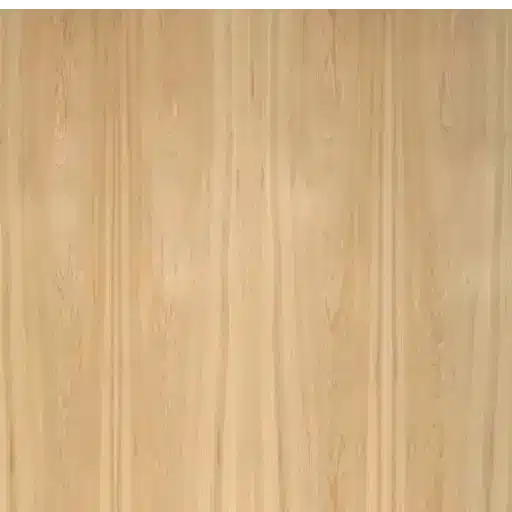
Wood Veneer Panels: A Sustainable Guide to Style and Choice
A few years back, Elena walked into her contractor’s showroom with a mindset of obtaining copious amounts of real wood surfaces for her remodelled kitchen. She liked the warmth that comes with walnut. Although the price that comes with solid wood cabinets raised some questions in her mind. And then the designer pointed at a sample board. Same pattern. Same color. Same feeling. “These are wood veneer panels,” said the designer. “You get the look of Walnut but without all the devastation of the forests of your finances”. Now Elena’s kitchen looks appealing and natural, the way she wanted it, and, additionally, her sleep is a lot better as her conscience was able to leave more trees standing.
That is the promise of Wood Veneer Panels. They allow for the most natural beauty of wood, enhanced with the additional and more important reason of saving you materials, money, and the environment. No matter if it’s a kitchen makeover, an accent wall design, or custom furniture make-up, this article will walk you step by step through the essence of wood veneers, how to pick the most appropriate one, and why they can turn out to be your most affordable, eco-friendly decision.
Here is what we will cover:
- What wood veneer panels actually are (and how they are made)
- The different types available
- How do they compare to solid wood and laminate
- Best uses for walls, furniture, and more
- Tips for installation and long-term care
- How to source veneer with sustainability in mind
What Are Wood Veneer Panels?

Wood Veneer Panels are extremely thin sheets of wood which measure between 1/40 and 1/8 of an inch thick; they are glued onto a firm base such as plywood, MDF or particle board. They serve the purpose of giving the appearance of timeless cherry or mahogany, although a very small amount of wood is used, thereby elevating their desirability in furniture making, cabinetry construction, and wall surfacing.
There are instances where woodsmen use veneer in the interest of sustainability. Let us say, going further, is a broad plank of oak; instead of making all solid oak cabinetry, a thin oak veneer is glued to the topmost layer. Visually and to the touch, it becomes impossible to tell whether it is real wood or not. What is more, nobody would be able to tell the difference except for that stool.
How Veneer Is Made
A log is where the procedure is started from. Manufacturers employ one of the following three cutting methods:
- Rotary-cut: a long lathe that rotates the log against a blade, like in the case of hand paper towel rolls. This gives wide sheets with random bold designs.
- Plain-sliced: the log is divided across the growth lines. It creates the ‘cathedral’ effect called ripping, which is associated with high-end furniture very frequently.
- Quarter-sliced: the log is divided perpendicular to its growth lines. It provides a straight, even grain which many Interior Designers admire in some modern spaces.
These sheets that have been cut are then left to dry. They are glued onto a wood core and then applied with a hot press until there is a lasting bond. This ends up as a piece made out of engineered wood with attributes of solid wood.
Common Core Materials
Whether it’s the wood that will go on the outside or the one that will be used underneath, it is important. Below are some of the different common options:
- Plywood core: It is characterized by its strength and lightness. It also doesn’t warp at all. Do not hesitate to use it for cabinets and doors.
- MDF core: It is very smooth and even throughout. Best when you want the surface to be painted or stained without any signs of unevenness.
- Particleboard core: This is a dense and cheap version. Used in most do-it-yourself furniture.
- Phenolic-backed core: Provides more water-resistant properties and enhances durability. Widely used in industry.
Types of Wood Veneer Panels
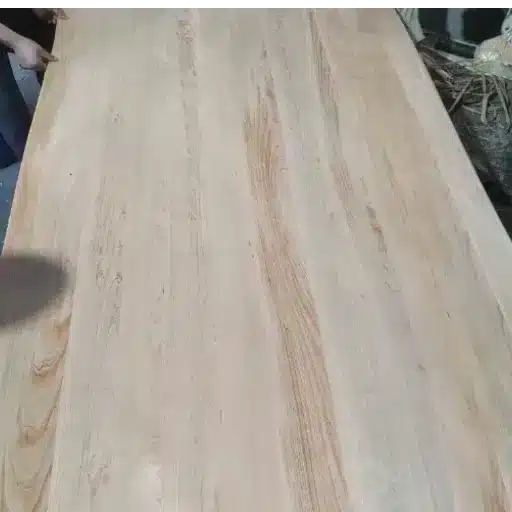
Not all veneer is created equal. The backing, thickness, and wood source all change how a panel performs and where it should be used.
Raw Wood Veneer
Raw veneer refers to the thin slices of wood that do not have any backing. Consequently, they are harder to handle and more delicate. However, they have the ability to be glued to any custom core that one desires. They are used for fine furniture making and artisan handicrafts, allowing makers fuller control over the final build.
Paper-Backed Veneer
A very slim paper layer bonds to the back of the wood slice. This added support makes the veneer flexible and adjustable on curved surfaces or intricate shapes. Paper-backed veneer could not be put to better use than for refinishing work and decorative millwork.
Phenolic-Backed Veneer
In this type, a backing is made up of resin-impregnated paper or fiberglass that promises excellent strength. The phenolic backing is as likely to be moisture-resistant as it is resistant to splitting, chipping, and impact, which makes it the ideal material to be used in offices, hotels, and busy retail spaces.
Reconstituted Veneer
It is also referred to as engineered veneer. It consists of natural wood fibers that have been colored and reconstituted into a regular surface pattern. The color and grain are unlike those of solid wood as there are no natural differences. It is the delight of every designer when furniture has to be installed in large areas and uniformity has to be achieved.
Reclaimed Wood Veneer
This is where VitalWood’s heart beats loudest. Reclaimed wood veneer is sliced from salvaged timber, old barns, fallen trees, or decommissioned buildings. Every panel carries unique character marks, weathering, and history that no factory can replicate.
When the team at Greenwood Bistro in Portland remodeled their dining room, they wanted walls that told a story. They chose reclaimed Douglas fir wood veneer panels sourced from a century-old warehouse. Patrons now dine surrounded by wood that once held up a logging mill. The grain is alive with nail holes, patina, and texture. That is the magic reclaimed veneer delivers.
Why Choose Wood Veneer Panels Over Solid Wood?
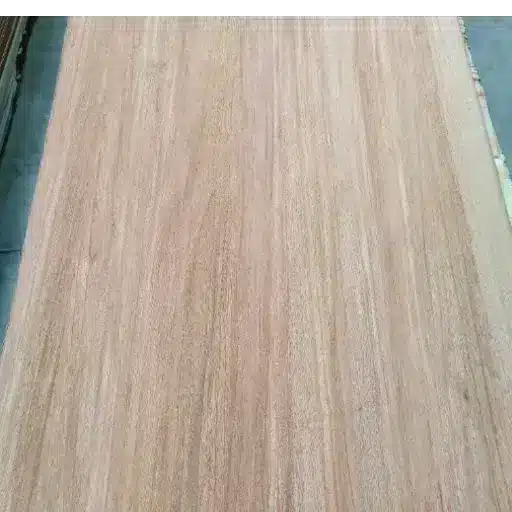
For some regions, something as timeless as solid wood will not have its place in the home, but instead will be better covered with the right wood veneer products. Such furniture shops’ finished work substitutes for almost all personal residential and commercial projects.
Sustainability and Resource Efficiency
A single log of wood can create 30 to 40 times as much veneer surface area as it could have solid lumber. That means the material of one tree goes farther to provide that same visual warmth across dozens of cabinets or an entire wall, plus leaving more sunken forest there.
Better yet, the efficiency counts for something if you care about reducing your environmental footprint. That natural resource reaches further while retaining the aesthetic that you prefer.
Cost-Effectiveness
Solid hardwood panels are very highly priced. If it needs much faster than could budget controls, walnut, cherry, or teak can send project budgets soaring out of control. In most cases, real wood veneer slabs cost about 50-70% less than solid timber surfaces. The savings received from such slabs could be redirected to better hardware or parts, lower the project’s cost, and very often reduce expenditure.
Stability and Reduced Warping
Moisture causes the expansion and contraction of solid wood, why doors of cabinets warp and cracks in table tops become more perceptible in due course of time. Engineered cores with veneer faces are much more stable, not only on the exterior, but also tend to be resistant to the seasonal movement, which may result in fewer callbacks for the contractor and less worry for the owner.
Design Versatility
The laminated veneers are thin and flexible too, making them suitable for applications where a solid would not suffice. Curved reception desks. Wrapped column covers. Seamless wall panels. The only limit to the kind of design that can be achieved is the thickness of the lumber board.
Wood Veneer vs. Laminate: What Is the Difference?
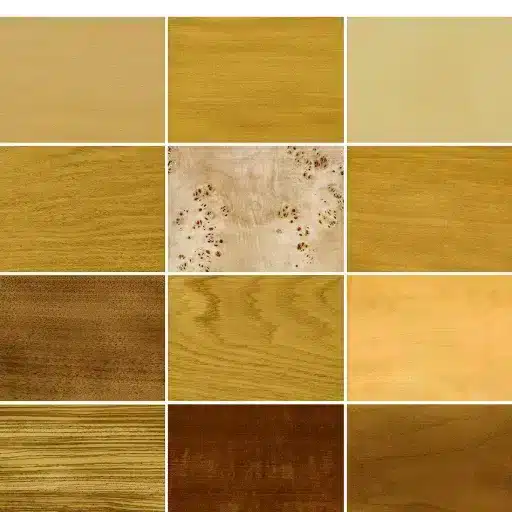
This question comes up in almost every showroom. Laminate and veneer can look similar on a sample board, but they are fundamentally different materials.
| Feature | Wood Veneer Panels | Laminate |
|---|---|---|
| Material | Real wood slice | Printed paper or plastic layer |
| Look and feel | Authentic grain can be sanded and re-stained | Synthetic pattern, surface-only |
| Repairability | Minor scratches can be sanded and refinished | Damaged sections usually must be replaced |
| Environmental impact | Uses less solid wood, often with a recyclable core | Plastic-based, harder to recycle |
| Cost | Mid-range | Usually, the cheapest option |
| Best for | High-quality furniture, accent walls, and cabinetry | Budget projects, high-wear commercial surfaces |
Laminate has its place. It is tough, affordable, and comes in endless colors. But if you want the genuine warmth of real wood under your fingertips, wood veneer panels are the clear winner. They age gracefully. They can be refinished. And they connect your space to something natural.
Popular Applications for Wood Veneer Panels
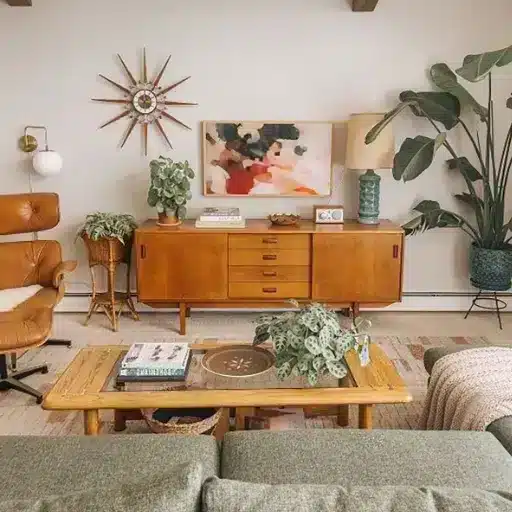
You start seeing veneer almost everywhere you look. Now, most likely, a design involves its presence, which is applied mostly by designers and homeowners.
Veneer Wall Panels and Accent Walls
Not especially creative unless internalized, just clad one wall with panels covered in veneer, and you’ve suddenly transformed your room. The vertical grain brings the eyes up. The natural texture infuses warmth no paint can touch. From minimalistic walls made of oak slats to grand courtyards layered in reclaimed walnut, veneer wall panels create an anchor in blank surfaces.
Furniture and Cabinetry
This is where wood veneer panels are truly a construction marvel. Cabinet doors, drawer fronts, countertops, and sideboards are able to capitalize on the beautiful and durable qualities of veneer. Because the core is resistant to warping, your furniture will, in fact, remain flat and functional for years. And since it is real wood on the face, each piece will have that ‘premium’ feel.
Doors and Millwork
Veneering is now commonly used for interior doors, baseboards, crown molding, wainscoting, and even other materials, in order to mimic hardwood charm in a much more affordable and lightweight material. A product originating from an engineered core exhibits superior quality and trims pieces fit more accurately when interconnected than those made of solid wood.
Commercial Interiors
Phenolic-backed wood veneer panels are used in hotels, restaurants, and offices to clad reception desks, walls, and even the elevator interiors. This material is very resilient to everyday use yet very refined and natural-looking. It cannot duplicate plastic surfaces in appearance.
How to Choose the Right Wood Veneer Panels for Your Project
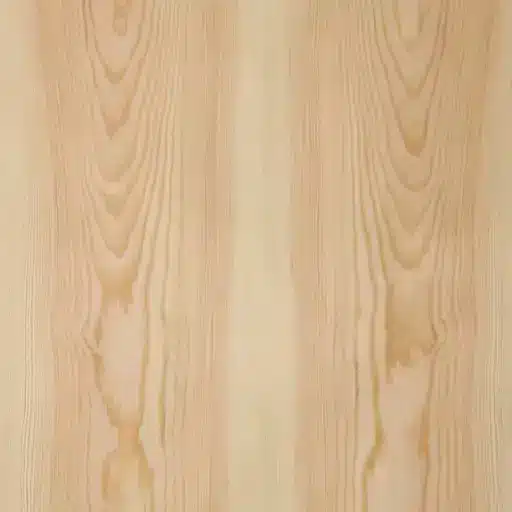
Walking into a veneer selection can feel overwhelming. Grain patterns, species, cores, and finishes all compete for your attention. Here is how to narrow it down.
Consider the Wood Species
Oak is strong and classic. Walnut is rich and dark. Maple is clean and modern. Cherry deepens to a warm red-brown over time. Each species has a personality. Choose one that matches the mood of your space and the level of durability you need.
Match the Core to the Application
When you want to install kitchen cabinets near a sink area. Plywood or phenolic-backed cores handle moisture better than MDF. A painted built-in for a dry living room? MDF provides the smoothest surface for your needs. The paper-backed veneer. The paper-backed veneer bends at the points where rigid panels stay straight.
Look for Sustainable Sourcing
You should always inquire about the source of the wood material. The FSC-certified veneer product confirms that the wood material originated from forests that forest managers operate according to sustainable practices. Reclaimed options take sustainability a step further by giving existing wood a second life. At VitalWood, we prioritize both because beautiful design should never come at the expense of the forest.
Evaluate Finish and Grain Matching
Book-matched panels create a mirror image across a seam. The Random-matched panels produce an appearance that resembles more authentic natural wood. Slip-matched panels maintain consistent grain patterns, which create a smooth visual appearance. Your installer or supplier can show you samples of each so you know exactly what to expect.
Installing and Caring for Wood Veneer Panels

Veneer panels require basic skills for handling because they need expertise for their installation process.
Basic Installation Tips
You need to begin by preparing a clean flat surface. You need to apply wood glue or contact cement after the surface has been prepared. You need to use a veneer roller or a clean block of wood to press out air bubbles as you go. The vacuum press creates the strongest bond for large panels, while most DIYers achieve successful results by using basic clamps and cauls.
The environmental conditions create an impact on the current situation. The installation process requires execution within a climate-controlled environment, which needs 24 to 48 hours of panel acclimation before work begins. The process prevents materials from changing size after the adhesive has completely dried.
Cleaning and Maintenance
You need to clean your surfaces by using a soft, dry microfiber cloth to remove dust from them. For deeper cleaning, use a slightly damp cloth with a mild soap solution. The surface will face damage from harsh chemicals, ammonia and abrasive scrubbers because these substances will remove the finish and damage the thin wood layer.
Repairing Minor Damage
You can use a touch-up marker or a matching finish to repair small scratches. The first step requires you to sand the surface area with fine-grit paper before you apply oil or lacquer to create a seamless repair. The real wood appearance of veneer allows for beautiful refinishing. The same capability does not exist for laminate materials.
Marcus learned this lesson through actual work experience. The desk he purchased for his home office in 2022 was made from laminate materials. The permanent ring left by a hot coffee mug created a permanent mark on the surface after one year. The surface material did not allow sanding or refinishing. The desk he purchased last fall featured a walnut wood veneer panel as a replacement. Last month he saw a small scratch that his dog had made. The mark disappeared after ten minutes of using fine sandpaper and applying Danish oil. “Real wood forgives,” he told us. “Plastic just rem
Sustainable Wood Veneer: Making an Eco-Friendly Choice
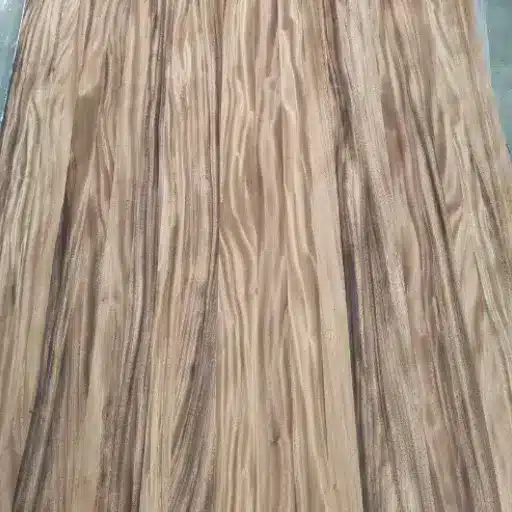
The international wood veneer market experiences continuous expansion because of its increasing market demand. The building and design industries, together with residential property owners, now recognize that veneer offers sustainability through authentic wood usage.
Why Veneer Is Inherently Greener
Veneer manufacturing processes use log-slicing techniques to create thin sheets, which results in complete tree utilization. The process results in reduced waste while producing a greater surface area that achieves the same attractive visual effect. The equation results in improved forest health because it leads to healthier forest outcomes.
FSC Certification Explained
The Forest Stewardship Council (FSC) establishes worldwide standards that define environmentally responsible forest management practices. FSC-certified wood comes from forests that protect wildlife, respect indigenous rights, and maintain biodiversity. Your financial commitment to FSC-certified wood veneer panels shows your dedication to responsible environmental management.
Reclaimed Veneer Options
Reclaimed veneer avoids the requirement to cut down trees for production purposes. The wood already exists. It already has a story. The process of repurposing existing materials into panels prevents old timber from entering landfills while decreasing the need for fresh timber extraction. At VitalWood, our sustainable wood collection includes reclaimed wood veneer, which serves as our primary sustainable material.
Low-VOC Adhesives and Finishes
The different types of glue available in the market have varying levels of performance. The use of particular traditional adhesives results in indoor air pollution due to the release of volatile organic compounds (VOCs). Customers should choose wood veneer panels that use low-VOC adhesives or formaldehyde-free adhesives for bonding purposes. The combination of natural oil finishes with these products creates a space that protects both your family and the environment.
Conclusion
Wood veneer panels offer a rare combination. They give you the authentic beauty of real wood. The engineered materials provide permanent stability. The design freedom of thin flexible sheets. The process creates sustainable results through efficient resource use.
Whether you prefer the clean lines of quarter-sliced maple or the dramatic appearance of plain-sliced walnut or the authentic character of reclaimed fir, there exists a veneer panel that matches both your project requirements and your personal convictions.
Here is what to remember:
- Wood veneer panels are real wood slices bonded to a stable core.
- They stretch timber further, making it a greener choice than solid wood.
- They outperform laminate in repairability, authenticity, and warmth.
- Your application requires specific core and material selection.
- The combination of sustainable sourcing, FSC certification, and reclaimed materials creates an even greater impact through your solution selection.