
Pine Natural Wood Veneer
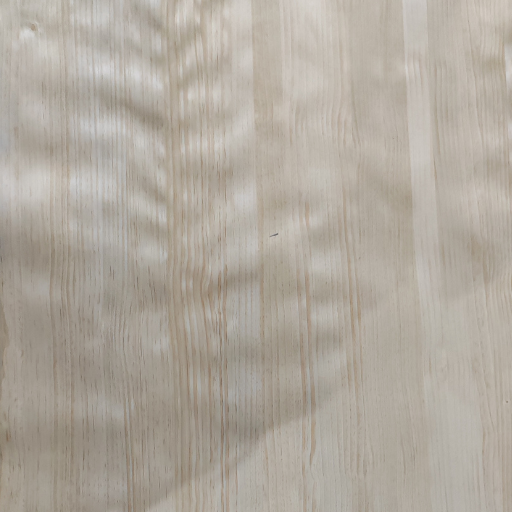
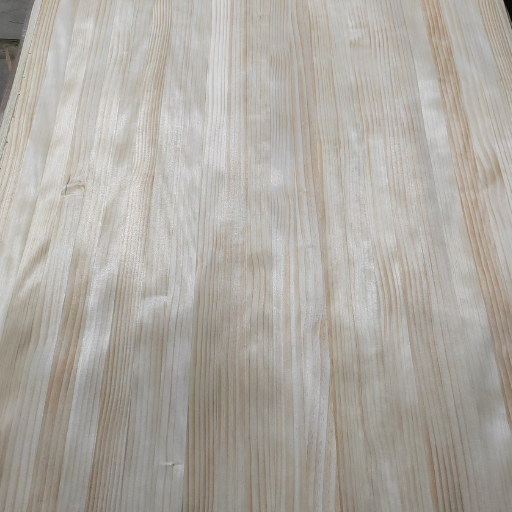
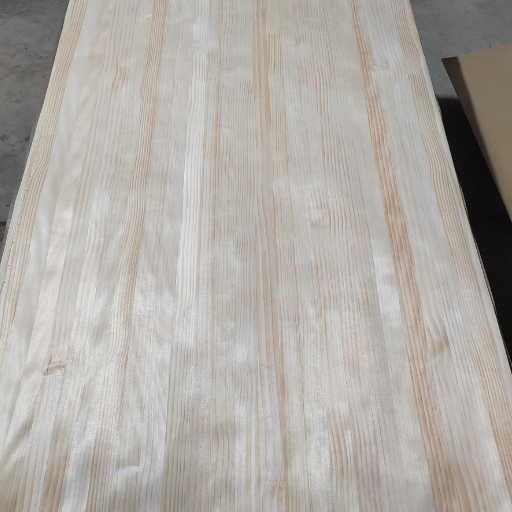
Pine Natural Wood Veneer is a versatile material that brings the character of real wood to a wide range of professional applications. Known for its light color tones and distinctive grain patterns, pine veneer offers both aesthetic flexibility and practical advantages. Whether you’re sourcing for furniture production, architectural millwork, or custom cabinetry, our veneer sheets provide an economical yet visually appealing solution that maintains the authenticity of natural wood.
Material Characteristics of Pine Veneer
Pine is a softwood species characterized by its workability and visual warmth. The veneer retains these intrinsic qualities, making it suitable for diverse design approaches.
Distinctive Grain Patterns
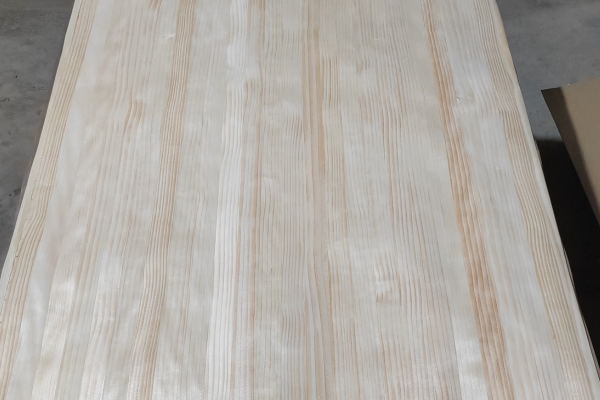
Typically featuring a straight grain, pine wood veneer offers a uniform and consistent texture. Certain cuts can also yield interesting patterns, providing a subtle yet authentic wood character to any surface.
Natural Color Range
Pine’s color ranges from pale yellow to light brown, with slight variations based on its origin. This neutral color palette works well with a wide range of finishes and both warm and cool design schemes.
Workability
Pine is a soft wood, which makes for a highly workable and flexible veneer. It’s easy to cut and apply, making it a popular material for large-scale production and detailed custom projects.
Cost Efficiency
Pine is an abundant species, making it one of the more economical veneer options available. This affordability does not compromise visual quality, allowing for high-value design outcomes within controlled budgets.
Technical Specifications for Pine Natural Wood Veneer
| Specification | Detail |
|---|---|
| Processing Method | Sliced Cut |
| Color | White/Yellow |
| Applications | Suitable for plywood, MDF, HDF, particle board, and decorative wall panels. |
| Moisture Content | 12-18% |
| Thickness | 0.2-1.0 mm |
| Length | 1.2-3.2 m |
| Width | 12 cm and above |
| Veneer Grade | AAA, AA, or A |
| Origin | China |
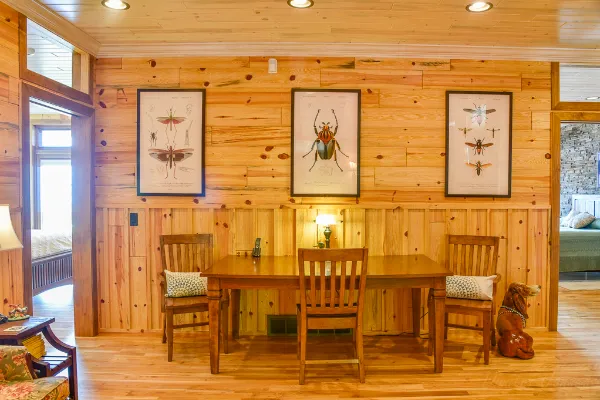
Versatile Design and Manufacturing Applications of Pine Natural Wood Veneer
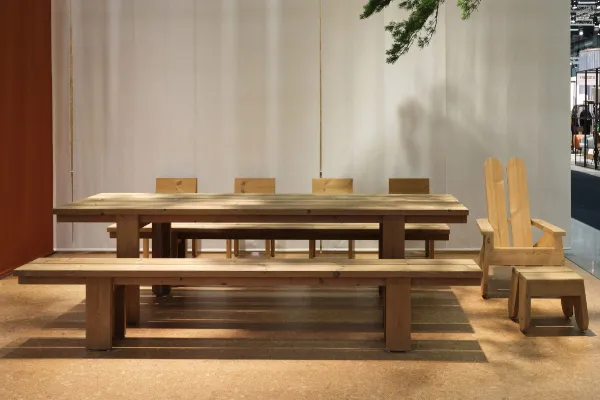
- Furniture Manufacturing: Widely used for table tops, drawer fronts, and panel components where a natural aesthetic is desired.
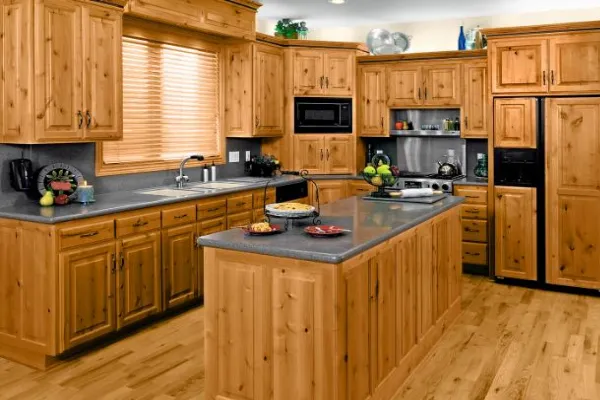
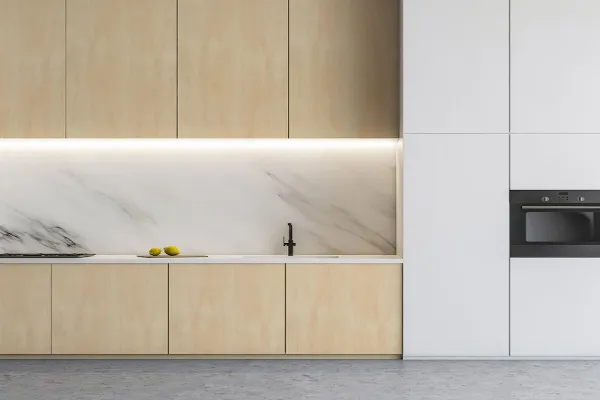
- Cabinet and Millwork: Ideal for kitchen cabinetry, built-in storage, and architectural trim requiring a cohesive wood appearance.
- Interior Paneling: Applied to walls and ceilings to create warm, inviting spaces with a natural texture.
- Door Fabrication: Suitable for interior door skins and decorative insets, offering a traditional appearance with modern construction methods.
- Retail and Hospitality: Used in commercial fixtures, displays, and signage where a natural, approachable aesthetic enhances customer experience.
Why Source Pine Veneer From Us?
We prioritize consistency, reliability, and responsive service to support the needs of professional buyers.
Quality Assurance
Every sheet undergoes inspection to ensure it meets established standards for grain consistency, color uniformity, and structural integrity. This reduces waste and ensures predictable outcomes in your production processes.
Flexible Order Volumes
Whether you require a small sample run or large-scale production quantities, our supply capabilities are designed to accommodate varying project scales. We maintain sufficient inventory to support both immediate and planned requirements.
Efficient Logistics
Our experience in international trade enables us to manage shipping, documentation, and customs processes efficiently. We work with established freight partners to ensure your orders arrive on time and in optimal condition.
Technical Support
Our team is available to provide guidance on product selection, application methods, and finishing techniques. We can supply samples for evaluation and assist with matching your veneer to specific design requirements.
Frequently Asked Questions (FAQs)
Still have questions? Our team is here to help. Reach out to us anytime, and we’ll make sure you get the answers you need.
What is the difference between knotty and clear pine veneer?
Knotty pine veneer includes the natural knots and growth characteristics of the wood, creating a rustic appearance. Clear pine veneer, often referred to as straight grain, has minimal knots and presents a more uniform surface. The choice depends on the aesthetic goal of your project.
Can pine veneer be used in moisture-prone environments?
Pine veneer can be used in interior environments with appropriate finishing. A high-quality sealer protects against moisture intrusion, but pine is generally not recommended for prolonged exposure to water without adequate protection.
How does the thickness of the veneer affect application?
Thicker veneers, such as 0.5mm, offer greater durability and can better conceal substrate imperfections. Thinner veneers, like 0.2mm, are more flexible and suitable for applications requiring conformity to curved surfaces or where material weight is a concern.
Is pre-glued veneer more difficult to work with than non-adhesive types?
Pre-glued veneer is generally considered easier for small-scale or DIY projects, as it eliminates the need for separate adhesive application. However, it requires heat activation, which may necessitate specialized equipment. Non-adhesive veneer offers more control over adhesive selection and is often preferred in professional production settings.
Can I request a sample before placing a bulk order?
Yes. We provide samples to help you assess the grain, color, and texture of the product before committing to a larger order. This allows for accurate matching with your design specifications.
What is the standard lead time for custom orders?
Lead times vary based on the specifics of the customization and current production schedules. Our sales team can provide accurate estimates based on your order details and volume requirements.