
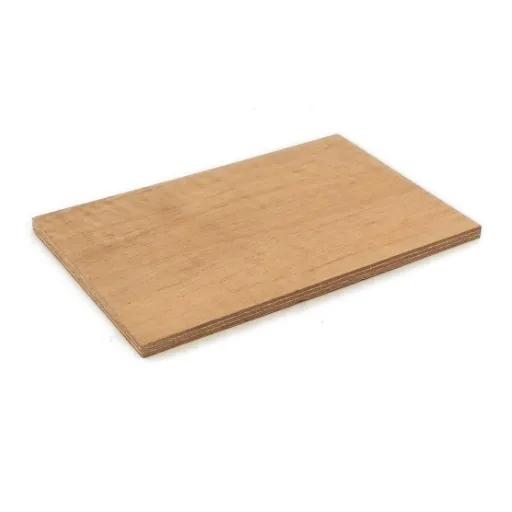
Marine Plywood: Build Right for Boats, Decks and Wet Zones
Marine plywood costs more for a reason. It’s phenolic glue between thin hardwood or tropical plies that holds when regular sheets delaminate in a summer shower or boat bilge.
What Makes Marine Plywood Actually Waterproof?
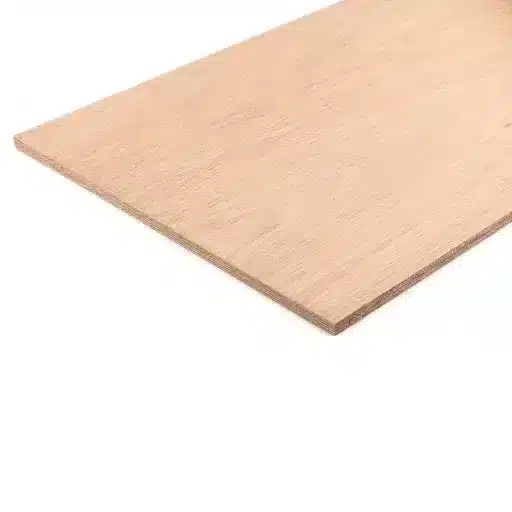
Marine plywood laughs at water that destroys regular sheets. It’s not the wood—it’s the glue and construction that turn a wet nightmare into a reliable panel.
BS 1088 vs exterior plywood truth
BS 1088 is the gold standard. Every glue line survives a 72‑hour boil test without separating, and faces stay void‑free with no plugs or patches allowed. Exterior plywood (like CDX) uses water‑resistant glue but permits core voids and repairs—fine for roofs, terrible for bilges. You’d notice the difference on a dock bench after two winters: marine stays flat, exterior cups and telegraphs.
That certification isn’t marketing fluff. It demands 5 mm or thicker face veneers, all hardwood plies, no softwood fillers. Regular exterior might pass a splash test but fails constant submersion or high humidity cycles.
Glue lines and core species that matter
Phenolic glue is the secret. WBP (water‑boil proof) adhesive sets hard and stays waterproof forever, unlike urea formaldehyde that softens over years in damp. Each glue line gets individually inspected—miss one, no certification.
Core species split into lightweight or heavy duty. Okoume gives you rot resistance and low weight for boat hulls; a 12 mm sheet floats better than meranti. Meranti or keruing packs denser punch for trailer floors or heavy benches—takes nails and screws without crumbling. You pick based on whether you need ounces saved or brute strength added. Either way, no gaps or knots hiding inside to wick moisture.
4 Thicknesses and What They Handle
Thickness in marine plywood isn’t optional—it’s physics. Pick too thin, and your boat transom flexes like a diving board; go too thick, and you’re hauling dead weight.
4–6 mm starts light. Transom patches, bulkhead sheathing, or formwork where weight savings trump strength. A 6 mm okoume sheet skins a dinghy hull without dragging bow down, but don’t expect it to carry point loads—nail spacing drops to 75 mm centers or it dimples.
9–12 mm hits the sweet spot for most builds. Hull bottoms, seat risers, or trailer sides take this range; 12 mm spans 600 mm unsupported with handrails or cleats no problem. On a 4.2-meter pram, 12 mm okoume keeps stiffness without doubling fuel burn. You’d notice flex first on choppy water—stiffer sheets quiet the hull slap.
18–21 mm turns structural. Transoms, engine stringers, or heavy dock platforms demand this; 18 mm meranti shoulders 250 kg outboards without telegraphing. Deck soles or workbenches shrug off dropped tools and saltwater puddles. But it’s 40% heavier per sheet—balance that against your crane or back.
25 mm and up is brute force. Full transoms on larger boats, pier fenders, or shop worktables that double as mooring bollards. Overkill for anything floating unless you’re mounting massive gear. A 27 mm slab laughs at 500 kg static loads, but good luck manhandling it solo down a beach.
Match span, load, and species. Okoume saves weight across all thicknesses; hardwood adds backbone where impacts rule. Test deflection on scrap—your project won’t forgive guesswork.
Core Choices: Okoume, Meranti or Hardwood?
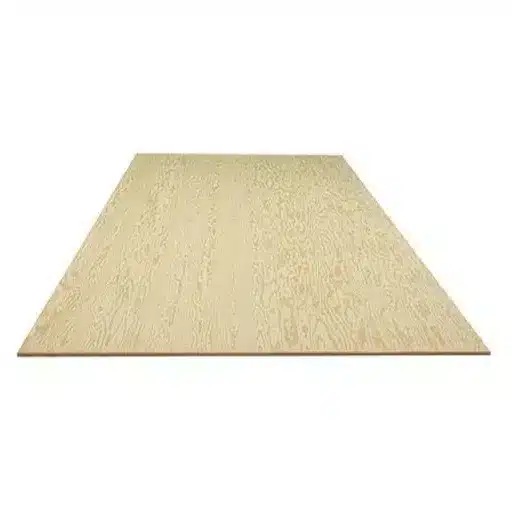
Core species decide if your marine plywood floats, flexes, or fights impacts. Marine plywood lives or dies by what’s between the faces.
Okoume keeps it light. West African rotary cuts give consistent pale plies, low density at 450 kg/m³, perfect for hull skins or canoes where every kilo drags speed. A 12 mm sheet weighs 17 kg—easy to solo stitch‑and‑glue a 3.6-meter pram. Rot resistant, too; it shrugs off freshwater longer than denser cores. But nail it too close to edge without pre‑drilling, and it crumbles like balsa.
Meranti steps up strength. Darker Southeast Asian lauan plies pack more punch at 600 kg/m³, ideal for trailer bunks or workboat decks taking keel blocks and anchors. Edges hold screws better; you can mount cleats direct without pilot holes on 18 mm. Still sands decent for varnish, though color variation shows if faces don’t match. Weight penalty hits hard on paddleboards—27 kg for the same 12 mm sheet.
Hardwood cores go bulletproof. Beech, mahogany, or keruing at 700+ kg/m³ turn marine plywood into tank armor for commercial docks or heavy skiffs. A 21 mm hardwood panel takes 400 kg outboards mid‑chop without oil‑canning. Overkill for recreational hulls; you’ll curse the heft trailering a 65 kg sheet. Best where impacts trump ounces.
So pick your poison. Okoume for speed and ease. Meranti for balance. Hardwood when failure isn’t an option. Test screw pullout on scraps—your core choice shows truth there first.
Sealing It—or Not?
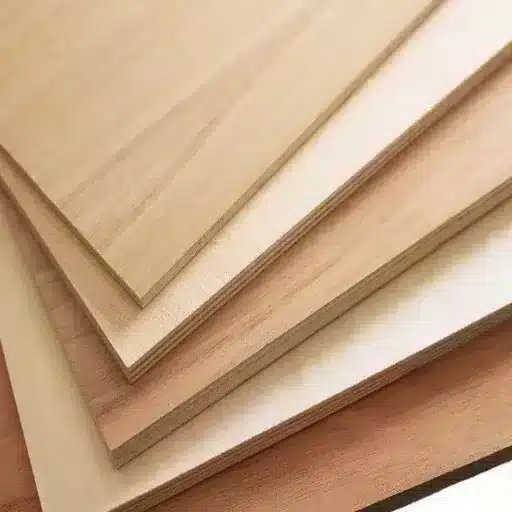
Marine plywood doesn’t need sealing to earn its name. The phenolic glue and tight construction handle moisture bare—but end grains and wear surfaces still drink water over time.
Seal cut edges first. Epoxy or marine varnish on exposed ends stops capillary wicking; one good soak on a 12 mm panel edge pulls moisture 150 mm into the core before you notice. Raw ends on trailer bunks rot first—sand, seal, done.
Faces depend on exposure. Varnish twice for UV and abrasion on decks or docks; it yellows but protects. Oil works better on fiddles or seats—penetrates without cracking, easier touch‑ups. Bare is fine inside wet boathouses where it stays damp but not abraded.
Saltwater vs freshwater projects
Saltwater demands more. Crystals wick deep on drying cycles, accelerating rot even in phenolic glue lines—coat every surface with epoxy barrier, then topcoat. A 4.5-meter skiff left in harbor salt spray shows grain raise and checking in 18 months unsealed; freshwater fishing flats? Bare okoume hulls last 7 years with basic oil.
Freshwater plays nicer. Lakes or rivers rarely leave salt residue, so light oiling or leaving faces raw works fine on canoes or rowboats. You’d notice the difference most on immersed edges—salt etches plywood like acid; fresh just swells and recovers.
Either way, never skip end grain. That’s where 90% of failures start, certified or not.
Your 6‑Step Spec Sheet for Any Marine Job
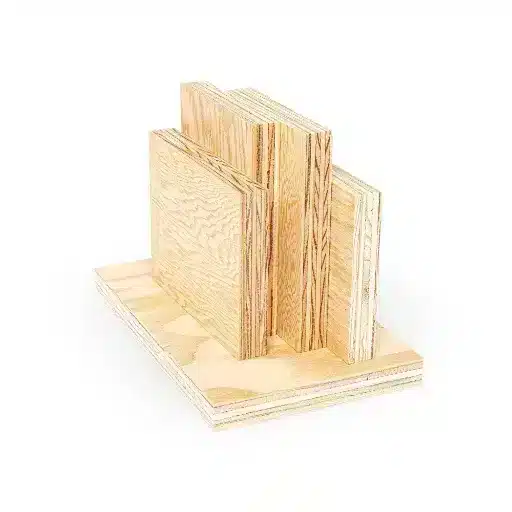
Spec marine plywood like you mean it. Skip a step, and your boat bench or dock gate fails when wet hits hard.
-
Certify BS 1088. No stamps, no deal—fakes delam after one season. Check Lloyd’s or bureau veritas marks.
-
Match thickness to load. 12 mm for hull skins spanning 500 mm. 18 mm for transoms taking 200 kg motors. Test deflection on scrap first.
-
Core by use. Okoume saves 2 kg per sheet on paddleboards. Meranti for trailer decks that eat rocks. Hardwood where impacts rule.
-
Glue line count. More plies mean better load spread—9 plies in 12 mm beats 5. You’d notice the flex difference choppy water.
-
Face grain direction. Run faces perpendicular to main stress—hull bottoms lengthwise, benches crosswise. Ignores physics, invites cracks.
-
Seal ends day zero. Epoxy all cut edges before assembly. One unsealed 25 mm end soaks 120 mm deep in a month.
Print this. Laminate it. Your next marine plywood job thanks you.
Frequently Asked Questions (FAQ)
-
Is marine plywood worth it for a small fishing boat?
Yes—BS 1088 certification means glue lines survive boiling water, unlike exterior plywood that delams in bilges. For a 4-meter pram hull, 12 mm okoume keeps weight down to 18 kg per sheet while holding stitch‑and‑glue seams tight for years, even trailered near saltwater. -
Do I need to seal marine plywood on all sides?
End grains always. They wick moisture 120 mm deep untreated, starting rot. A dock gate in 18 mm meranti lasts 5 years with epoxy‑sealed edges but fails in 18 months raw. Faces? Varnish for UV on decks; bare ok inside wet sheds. -
What’s okoume vs meranti in marine plywood?
Okoume’s light (450 kg/m³) for hulls—12 mm floats better, sands easy. Meranti’s denser (600 kg/m³), screw‑holds like iron on trailer bunks taking keel impacts. Pick okoume to save 2 kg per sheet on canoes; meranti where rocks rule. -
Can marine plywood go in a steamy bathroom?
Sure, if constantly damp. 15 mm over vanities shrugs humidity where CDX warps. Seal cut ends with shellac—near shower doors, unsealed edges swell 1.5 mm after a year. Overkill for dry zones, though. -
How thick for outdoor benches or shelves?
18 mm minimum spans 700 mm with 150 kg load no sag. On a lakeside picnic table, it takes rain and feet without cupping; 12 mm flexes under adults. Match plies to stress—9 in 18 mm beats 5.
References
-
Christine DeMerchant. (2007). Marine Plywood Grades and Specifications. https://www.christinedemerchant.com/marine_plywood_grades.html
-
BSI Group. (2018). BS 1088:2018 Marine Plywood Requirements. https://knowledge.bsigroup.com/products/marine-plywood-requirements-1
-
APA – The Engineered Wood Association. (n.d.). Marine and Exterior Plywood Standards. https://www.apawood.org/plywood
- Click here to read more.