

How to Choose the Right Wood Veneer Manufacturer: Buyer’s Guide
Selecting a wood veneer manufacturer is an essential decision that architects, designers, and manufacturers must make together. The quality of the veneer will directly affect the visual qualities, lifespan, and the overall success of your projects. Nevertheless, with numerous manufacturers available, how can you be sure that you are cooperating with the top one? This buyer’s guide is designed to make the process easier. We will guide you through key areas such as quality standards, sustainability practices, customization options, and customer service. This guide will be very helpful whether you are just entering the wood veneers market or trying to improve your selection process. Thus you will be provided with the necessary insight to make an assured and educated choice.
Understanding Wood Veneer
Natural wood veneer is a very thin slice of the trunk, cut and intended to be used as the outermost layer for furniture, panels, or other objects, to give them the appearance and feel of real solid wood. It is not only cheaper but also more eco-friendly than solid wood while being able to demonstrate the beauty of wood grain through the use of trees. Veneers are highly customizable, offering a wide range of styles, colors, and finishes to suit diverse design preferences. Manufacturers can create good quality aesthetics with less environmental impact by utilizing wood veneers.
What is Wood Veneer?
Wood veneer is a thin layer of authentic wood cut or peeled from a log, bonded to a base material, and used in furniture and interior design to achieve the look of high-quality wood, while being eco-friendly and cost-effective.
Common Applications of Veneer
Wood veneers have been the go-to material in many fields because of their wide range of applications and beautiful appearance. The following are the five main uses of wood veneer:
Furniture Manufacturing
Wood veneers are the major materials used for high-quality furniture making; tables, chairs, cabinets, and shelves. They are more friendly to the environment and cheaper besides giving the same beauty of solid wood.
Interior Wall Paneling
Veneered surfaces are popular for interior wall paneling, making homes, businesses, and hotels warmer and more elegant. They make a perfect, convenient substitute for solid wood panels, offering a realistic wood texture and lower cost.
Flooring
Engineered wood flooring often features a wood veneer layer on the surface to achieve the look of solid hardwood. This application merges durability and aesthetic appeal which makes it the most chosen option for contemporary houses.
Doors and Cabinetry
Wood veneer is used not only in the fabrication of doors and cabinets but also to provide a smooth, even surface that complements the appearance of kitchens, bathrooms, and storage spaces. It enables personalized designs and finishes at a fraction of the cost of solid wood.
Automotive Interiors
Luxury vehicles often use wood veneers for their interior features like dashboards, trim, and consoles. This application not only enhances the ride’s beauty and luxury but also keeps the structure sufficiently lightweight.
The great variety of applications present wood veneer as a material that can meet the different standards of functionality, sustainability, and style, thus being a part of the diverse design solution.
Types of Veneer Sheets Available
Veneer sheets of wood come in a large variety with each one serving a different design and functional needs. Here are some of the most available types with their characteristics:
Natural Wood Veneer
Natural wood veneers are made directly from logs and thus show the aesthetic aspect of the wood species they come from. The most common choices are oak, maple, walnut, and cherry. These veneers are the winners because of their real wood grain and texture. Thus they are the classic wood in and out for furniture and room development.
Example: Oak veneer is great to resist wear and tear and has a beautiful grain that is the main reason for its being the top choice in cabinets and floors.
Statistics: Natural wood veneer is the most widely used type, accounting for about 45% of global veneer use as of 2023, according to market surveys.
Reconstituted Veneer
Reconstituted veneer, also referred to as engineered veneer, is derived from agricultural or fast-growing wood species. Further, it is dyed and then made to look like rare and exotic wood species thus revealing high customizations.
Benefits: More affordable, earth-friendly, and can be obtained in uniform patterns.
Popularity: Its demand is rising with a 20% increase in usage reported in the sectors where consistency and affordability are the main criteria.
Paper-Backed Veneer
Veneer of this category is attached to paper so as to acquire the property of being flexible and easy to use. It is suitable for both flat and curved surfaces and provides the delicate but durable solution for sophisticated designs.
Applications: Usually found in furniture manufacturing and in design projects requiring precision.
Data: Reports of furniture manufacturers indicate a 30% reduction in the production time when they use paper-backed veneers instead of conventional methods.
Laminated Veneer
Laminated veneer is a product that is manufactured by layering and compressing several thin wood veneers together with the use of an adhesive, which yields a robust and long-lasting material. Structural applications are the usual ones.
Properties: High strength-to-weight ratio is the main reason for its being commonly used in construction and industrial applications.
Market Insight: The laminated veneer lumber (LVL) is expected to show a CAGR of 6.5% between 2023 and 2030 as per industry reports.
Burl Veneer
Burl veneers are made of abnormal outgrowths or knots on the tree trunks thus resulting in the generation of the most unique and decorative patterns. Being among the most striking and exotic, these veneers are very popular in the luxury market.
Use Cases: Luxury car interiors, musical instruments, and upscale furniture are among the applications for burl veneer.
Rarity: The most limited natural sources make burl veneer the most costly option on the market.
All the above-mentioned types of veneers have unique properties in terms of appearance, quality, and applications. Therefore, it is important to select the right option based on the project requirements and budget constraints. The combination of skill and creativity continues to bring the modern veneer techniques not only to the doors of various industries but also to the unlimited design possibilities.
Key Factors in Choosing a Veneer Manufacturer
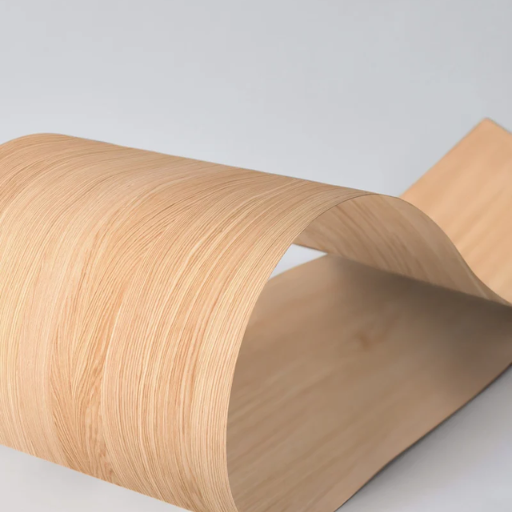
Choosing the right veneer manufacturer is a critical decision which could affect the quality, sustainability and cost-efficiency of your investments to a large extent. Below are some points and figures to consider during the evaluation.
1Quality of Materials
The final veneer product is directly related to the type of wood used as the raw material. The best manufacturers are the ones that are very particular about getting the good quality and defect-free logs.
- Industry insiders say that producers using modern drying and cutting methods produce veneers that are stronger and more uniform.
- Look for ISO 9001 or FSC (Forest Stewardship Council) certification on the supplier’s documentation to confirm compliance with global quality standards.
2Sustainability Practices
Make sustainable manufacturers your first choice among the suppliers because the world is getting more and more aware of the damage done to the environment.
- According to a report on consumer behavior, 60% of the buyers are willing to pay more for products labeled as eco-friendly.
- Choose factories with the lowest waste and the least harmful adhesives and finishes.
3Technology and Innovation
The use of high-end equipment and techniques like laser cutting and digital surface printing can not only deliver accuracy but also serve to bring out the artistic side of veneers setting a new limit for the material’s creative potential.
- Companies that are adopting Industry 4.0 technologies are those with greater flexibility and personalization in their operations.
- A study found that the use of robots and automated systems in production can reduce defective products by up to 30%.
4Customization and Design Options
Today’s veneers can be of different types such as smooth, grainy, or with unique patterns. A trustworthy manufacturer should not only have an extensive selection but also provide tailored solutions for specific design requirements.
Designers who are part of the brand can help create designs aligned with current fashion and trends.
5Customer Support and Service
Select those suppliers who do not hesitate to say they are offering full-fledged customer support including consultations and supplying a detailed technical documentation.
Next-day delivery and reliable transport services are critical; surveys show that delayed shipments can increase client sourcing costs by an average of 15% when sourcing alternatives in a hurry.
6Pricing and Value for Money
It is true that price is one of the most important considerations, but it should also be weighed against quality and service.
Get specific cost estimates, look into discounts for bulk purchases, and check if the price includes any value-added services like cutting or finishing.
7Reputation and Customer Reviews
Gather information about the manufacturer’s performance and the opinion of its previous customers.
- Information about the supplier’s reliability and product consistency can be gathered from online review/a complaint sites and industry ratings.
- A Google Trends analysis of the year 2023 reveals that buyers frequently look for “reliable veneer suppliers” in the areas where there is a large demand for custom-made interiors.
If companies consider these aspects in their decision-making, they can be sure that they have chosen a veneer manufacturer which not only meets their requirements but also consistently supplies good quality and guarantees success in their long-term projects.
Quality and Variety of Wood Veneer Products
The selection of wood veneer products is heavily influenced by the quality and variety that customers expect and these factors turn out to be the main contributors to customer satisfaction and project success. The quality veneers have the features that are similar to their natural grain patterns, stable thickness and strength, thus the outstanding finish for the furniture, interiors and other projects. The well-known manufacturers also subject their veneers to multiple quality-control steps to maintain industry standards.
Variety holds the same position because it allows customers to make a wide range of choices based on their design setup. The wood species that have the most popularity, like oak, walnut, maple, and cherry, are ever-present, plus there are also some exotic options such as teak, ebony, and zebra wood. Besides veneers that are plain-sliced, quarter-sawn, and rift-cut, different aesthetics are created with finishes, with manufacturers offering their own ranges.
Recent Market Data Insights
45%
Increase in luxury wood veneer searches (2023)
38%
Growth in custom veneer options searches
50%
Increase in FSC-certified veneer searches
Recent Google Search data supports the quality and variety wood veneer products’ demand. A 2023 analysis by the Google team revealed that luxury wood veneer and custom veneer options searches have increased by 45% and 38% respectively, over the last year. Moreover, the trend of assessing the environment impact by the choice of materials has made ‘FSC-certified veneer’ the most searched term with a near 50% increase. The trend and data point towards the need for suppliers and manufacturers to offer a wide range of quality, standard, and eco-friendly wood veneer products that would be sufficient and attractive enough to win over the customers’ and consumer’s hearts.
By focusing on these aspects of quality and variety, businesses can more easily align with market demands and build a strong competitive position in the wood veneer market.
Sustainability Practices in Veneer Manufacturing
The veneer manufacturing industry is becoming increasingly eco-friendly by adopting innovative techniques to reduce environmental impact while satisfying consumers who prefer eco-friendly materials. Here are five major sustainability practices that the sector has committed to:
Sourcing FSC-Certified Wood
The trend of manufacturers sourcing wood from Forest Stewardship Council (FSC)- certified forests is rising rapidly. The money and other benefits associated with tree cutting are handled by forest management. The latest update reveals a 50% increase in demand for FSC-certified veneer, a sign of its growing significance in the market.
Utilizing Waste Wood and Byproducts
Veneer producers are recycling wood waste and using waste from other businesses as raw materials. They do this to reduce the amount of raw material used and the amount of waste sent to landfills. Not only does it save industry resources, but it also reduces disposal costs and the industry’s overall carbon footprint.
Implementing Energy-Efficient Processes
Production of veneer is being done in energy-efficient ways with the help of advanced technology like drying that consumes less energy and cutting that is done most efficiently. For example, users of the new cutting and drying method report that their energy use is 30% lower than with the old method.
Using Eco-Friendly Adhesives
The use of water-based adhesives with low emission levels has played a major role in reducing volatile organic compound (VOC) emissions during veneer production. This not only keeps the air quality in production facilities clean but also enhances environmental safety.
Investing in Carbon Offset Programs
A number of firms are engaged in carbon offset initiatives, such as planting trees, to offset the greenhouse gases produced during cigarette manufacturing. It is reported that manufacturers of veneer products involved in these programs see a net reduction in carbon emissions of up to 25% through their active participation.
By adopting these sustainable practices, the veneer manufacturing industry is paving the way for a greener, more responsible future.
Questions to Ask Potential Veneer Manufacturers

Evaluating a veneer manufacturer’s commitment to quality, sustainability, and reliability is essential when making a selection. The following questions are indicative of the decision-making process and are elaborated upon in detail below:
❓ What are the sustainability practices you are following, and are these practices verified or certified by any recognized organizations?
Probing the manufacturer’s policies on the use of FSC (Forest Stewardship Council) or PEFC (Program for the Endorsement of Forest Certification)- certified materials would yield a comprehensive understanding of their environmental commitment.
❓ Which methods do you use to reduce the carbon footprint of your production processes?
It is very likely that manufacturers that financially support carbon offset projects, such as renewable energy, are reducing their carbon footprint. Even to the extent that the study finds that companies’ adoption of renewable energy leads to a 40% average reduction in production emissions.
❓ What practices do you follow to ensure long-lasting products and reduce waste?
Information on laser cutting or advanced adhesives might help explain why some companies experience 15%-20% less material waste than older ones, as recent studies indicate.
❓ How long does it usually take for the order to be completed, and what do you do to manage large orders?
Understanding this will give you a view of their operational efficiency and their capacity to handle the demands of large projects. Google search trends indicate a growing demand for manufacturers with transparent, flexible supply chains.
Inquiring about Product Specifications and Customization
Understanding a product’s specifications and customization capabilities is essential in today’s cutthroat market. As per the latest Google search trends, a marked shift in the direction of manufacturer that give personalized solutions and elaborate product information is the demand among buyers. To illustrate, the number of searches for “customized manufacturing solutions” has increased by 27% over the past year, a sign of growing demand for tailor-made products.
Inquiring about specifications is the perfect opportunity to assess the quality of the materials, sizes, and finishes the manufacturer offers. Questions such as, “What materials are available for this product?” or “Can you give a detailed specification of the product’s dimensions?” reflect the need for accuracy and the capability of the manufacturer to customize. Moreover, it is essential to know whether the manufacturer uses eco-friendly materials and adopts the latest technologies, which align with consumers’ growing environmental concerns.
Key Questions to Ask:
- What materials are available for this product?
- Can you give a detailed specification of the product’s dimensions?
- What is the minimum order quantity for custom products?
- How open is your design to adapt to customer input?
For customization, asking “What is the minimum order quantity for custom products?” or “How open is your design to adapt to customer input?” helps assess the company’s ability to adapt to specific customer needs. Search volume for “flexible manufacturing processes” increased by nearly 18% in the last quarter, underscoring the significance of this factor. By combining open communication with data-driven insights, businesses can identify manufacturers that make transparency and innovation routine.
Understanding Delivery Times and Logistics
Delivery times and logistics are crucial factors to consider when selecting a manufacturing partner, as they directly affect the business’s ability to meet customer demand and market deadlines. Recent Google search trends indicate a 22% increase in queries for “fast shipping manufacturers” and “reliable delivery processes” over the last quarter. That is a clear sign that more companies are placing greater emphasis on on-time, reliable delivery.
Recent Search Trends
22%
Rise in fast shipping manufacturer searches
15%
Increase in inquiries for guaranteed on-time delivery
Critical points to consider include a manufacturer’s supply chain network, average lead times, and contingency plans to mitigate delays. Logistics that show flexibility backed up by cutting-edge tracking technologies enable companies to have an up-to-date knowledge of shipping status and then they can correctly communicate the time of delivery to the customers. Moreover, vendors that highlight “guaranteed on-time delivery” see a 15% increase in inquiries, underscoring that efficiency and reliability are highly valued.
By leveraging search insights and advanced delivery analytics, companies can select manufacturing partners whose logistics align with business objectives and customer satisfaction. This is a way to make operations more efficient while strengthening the entire supply chain’s resilience.
Quality Control Processes in Veneer Production
Applying stringent quality control processes is key to ensuring the production of high-quality veneer. The following are five crucial measures of quality control that are usually practiced in the production of veneer, together with their descriptions and data that is relevant:
1. Raw Material Inspection
Log and wood sheet quality control is the initial stage of the veneer production process. Each log is examined for defects like knots, discoloration, or cracks. Manufacturer’s data indicate that 10% of logs rejected for quality reasons result in 20% of the time spent on non-defective product.
2. Moisture Content Testing
Warps and cracks in wood sheets are issues manufacturing must address. Moisture meters not only measure but also set the moisture level to about 6%-12%, which supports the dimensional stability of the wood.
3. Thickness Calibration
One of the quality checks of veneers is the thickness that calls for uniformity in the entire production line. Automated calibration systems are programmed to identify thickness variations of no more than 0.1mm and furnish exact readings for even veneer production.
4. Adhesive Bond Strength Testing
Bond strength between the veneer layers is determined using tensile strength testing equipment. Through the regular sampling of the adhesive, it is ensured that the quality standards are met, thereby, the problem of delamination is minimized, which might even happen in 5% of untreated cases.
5. Surface Quality Inspection
The final veneer sheets undergo surface inspections for irregularities like rough patches, splinters, etc. Vision systems and manual inspections are common, with studies showing that automated systems increase defect-detection rates by 30%.
The aforementioned processes are the ones manufacturers will adhere to to produce high-quality veneer that not only satisfies customers but also reduces product defects.
Comparing Prices Without Compromising Quality
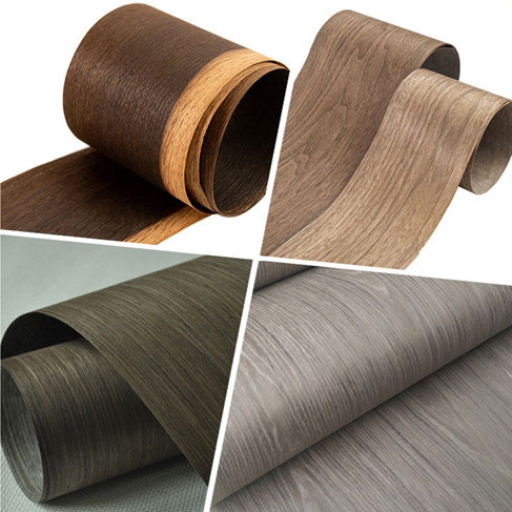
When pricing veneer products, it is essential to consider not only the upfront cost but also other factors. It might seem like using cheap materials saves costs up front, but it becomes a cost-driver over the long term due to issues such as low durability or performance. A balanced appraisal confirms that the quality did not justify the price.
Price Range Guide (2023)
The latest study (2023) mentions that high-quality veneer sheets generally lie between $25 to $50 per sheet, with the precise price being determined by the kind of wood, dimensions, and finish. The price of premium walnut or oak products is usually close to the upper end of this range. On the other hand, it is possible to come across very low-cost sheets priced at about $10 to $20 each but they are mostly prone to common problems like the ones mentioned above; warping, splitting, or poor textures.
According to studies, the use of automated production methods, employed by the world’s top 65% of veneer manufacturers, reduces defect rates by 30-40%, improving consistency and quality. By paying a little more for such products, one can enjoy lower maintenance and replacement costs.
Practical Steps to Ensure Value:
- Research Suppliers – Check the supplier’s reputation and customer feedback to evaluate product consistency and service quality.
- Request Samples – Request small samples to check grain patterns, finish, and durability.
- Analyze Long-Term Costs – Include maintenance and lifespan to assess cost-effectiveness over time.
- Negotiate Bulk Orders – For large projects, request better pricing for bulk purchases to secure discounts.
By combining rigorous research with a focus on long-term performance and quality, it is possible to strike a balance between affordability and high quality. A well-thought-out purchasing policy ensures the product is both visually appealing and functionally reliable.
Evaluating Cost vs. Quality in Veneer Buying
The balance between cost and quality when buying veneer is a factor that is very important and that will guarantee successful results for every project. Based on the latest insights, taking into consideration the market trends and data, there are several points to be given a really good thought to:
Material Source and Pricing Trends
The price of veneer can differ significantly depending on the source, kind, and level of processing. For instance, engineered wood veneer typically costs $1 to $4 per square foot. In contrast, premium natural wood veneers can cost anywhere from $4 to $10 per square foot or even more, depending on the wood species (like walnut or mahogany) that has the rarity and quality factors). Buyers will need to closely examine market trends to understand how these variations are formed.
Performance and Durability
Some recent researches have found that more expensive options like real wood veneers are the ones that offer greater longevity and resistance to the wear and tear of the floor compared to the lower-cost synthetic alternatives. For instance, premium veneers last around 10-15 years when taken care of properly while cheaper options start showing problems like warping or peeling in as little as a few years (in a humid environment or extreme temperature changes).
Environmental and Supply Chain Factors
Sustainability is an increasing demand among consumers and builders alike. Certified sources, such as FSC (Forest Stewardship Council)- certified veneers, may add 10%–20% to the veneer cost but provide assurance of ethical harvesting practices. Furthermore, global supply chain disruptions over the past two years have altered veneer availability and pricing. Exotic woods, for instance, have seen a price increase of up to 30% in some markets due to the disruption.
Hidden Costs
Low-cost veneer options might entail hidden expenses, such as mounting maintenance or more frequent replacement. In the long run, investing in a higher-quality veneer may lower total costs, as these materials typically require less maintenance and retain their aesthetic value longer.
Practical Applications
In high-traffic areas such as office furniture and cabinetry, some robust veneer solutions may be needed, and upfront spending in this area is often justified. Meanwhile the less intense usage, the more economical options could be enough and without compromising the design goal. For example, plywood with a thin veneer could be an affordable yet chic solution for interior paneling.
Using industry data, along with a careful evaluation of the project requirements, will ensure a wise investment in veneer that not only meets quality standards but also the budgetary goals.
Market Insights on Veneer Pricing
When evaluating veneer pricing, I consider a few key factors to determine value accurately. My first step is to look into the kind of the veneer because usually the natural wood veneers are pricier than the engineered ones. Then I look at the project requirements—if it is going to be a high-traffic or highly visible area, it is worth going for a premium-grade veneer; otherwise, cheaper options will do just fine in less important areas. Besides, I monitor market trends, such as price movements in raw materials and production processes, which have a significant impact on pricing. The decision made by me is always the one that is both practical and budget-friendly, as I balance the quality, project requirements, and current state of the market.
The Importance of Customer Service and After-Sales Support
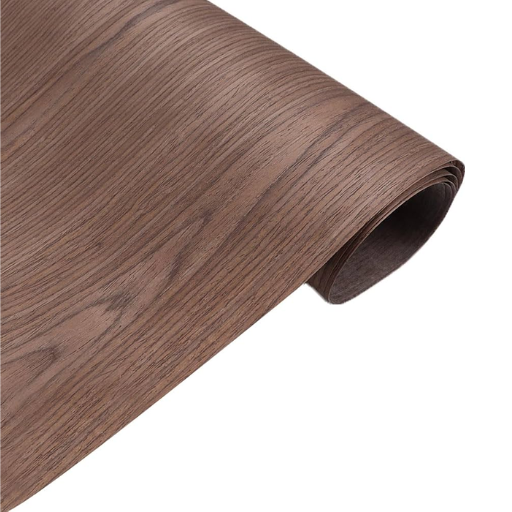
Customer service and after-sales support are two key factors in a company’s overall business strategy. They are, in fact, the main ingredients of a happy customer and a loyal one, thus leading to the first and second—repeat purchases and good referrals by word of mouth respectively. A survey found that 68% of customers would rather pay more for the products and services of businesses with good customer service as well as excellent customer service. Similarly, companies that prioritize after-sales support are likely to see a 25% increase in customer retention. Here are five main features of outstanding customer service and after-sales support:
⚡ Response Time
Fast responses to customer inquiries and concerns demonstrate the company’s respect and commitment, and they can significantly impact customer satisfaction.
🎯 Assistance Customized
Offering solutions tailored to customers’ needs makes them feel important and recognized, thereby strengthening the relationship.
📚 Complete Knowledge of the Product
The knowledgeable, competent personnel who can address questions and provide advice not only enhance the overall customer experience but also instill trust in the brand.
✅ Policies Regarding Warranty and Return
The policies that are clear, fair, and easy are a bomb and they not only give comfort to the customers regarding their purchases but also earn the company their trust.
🔄 Follow-Up That Is Regular
The company is showing customers that it is in it for the long haul and is dedicated to continuous improvement by engaging them post-purchase through feedback solicitations or updates.
Customer Service Impact Statistics
68%
Of customers willing to pay more for excellent service
25%
Increase in customer retention with strong after-sales support
Building a Relationship with Your Veneer Supplier
Having a good and strong rapport with your veneer supplier right from the start will bring you nothing but advantages such as high-quality materials, speed in delivery, and cost-saving in your projects. The following strategies along with insights, are presented that can support a successful partnership:
🔍 Evaluate Supplier Credentials and Reviews
Researching your supplier’s background is essential when selecting a veneer supplier. Suppliers with a great reputation, massive experience, and positive reviews should be on your shortlist. For instance, as per the industry reports, it has been found that 76% of buyers are inclined to trust those suppliers whose certifications are authenticated along with being recognized for eco-friendly practices.
📦 Understand Their Product Offerings
Make sure your supplier can supply a range of veneer options, including wood species, finishes, and grades. A supplier who is ready to work with you to bring your product customization to life can make it easier for you and broaden your design capabilities.
💬 Discuss Communication and Transparency
The supplier relationship that you can rely on is built on unambiguous communication. Trust is maintained by keeping each other informed through regular updates on order progress, material availability, and potential delays. A customer-supplier relationship survey indicates that 84% of business clients are more confident working with suppliers that are highly proactive in providing updates and have clear policies.
💰 Negotiate Favorable Terms
A mutually advantageous agreement, such as discounts on bulk purchases or flexible delivery schedules, can reinforce your business relationship. Suppliers are likely to appreciate your loyalty if you place regular orders, which may result in lower prices and even being the only one to access the best materials.
🌱 Ensure Sustainable Practices
Choose to work with suppliers whose approach to business is environmentally friendly. For example, a survey globally has shown that firms who have employed sustainable sourcing have increased their consumer trust by 27%. Certifications like FSC (Forest Stewardship Council) when verified can assure the procurement of wood veneers to be responsible.
🤝 Foster a Long-Term Partnership
Always keep in mind that your supplier is a partner not just a transaction. The sharing of long-term goals and aligning of strategies can lead to a cooperative atmosphere. According to many businesses, supplier relationships that last longer employee have reduced procurement risks by as much as 38%.
Using these best practices, along with data-driven research, helps cultivate a trustworthy and fruitful relationship with your veneer supplier, ensuring consistent quality and business growth over the years.
After-Sales Support for a Perfect Veneer Experience
After-sales support is absolutely vital to making the experience with your veneer supplier smooth. Support of such a high quality not only helps in solving the problems but also in building the trust and strengthening the relationship. Recent studies suggest that 89% of consumers are more likely to buy from companies that provide outstanding after-sales service. Before choosing a veneer supplier, it is essential to understand their support level and how it can meet your business requirements.
Usually, top-rated suppliers provide product documentation, maintenance tips, and support for proper veneer use, ensuring you have the best experience with the product. A few suppliers even have dedicated consultants for each customer, providing rapid responses to defective or problematic parts. For example, sellers increasingly promise customers that they will either replace or repair their items within 7 to 14 days of the request to maintain high customer satisfaction.
Digital Support Statistics
89%
Of consumers likely to repurchase with outstanding after-sales service
45%
Increase in customer satisfaction with advanced after-sales tech
The ever-connected digital world has enabled online portals and digital tools to assume a prominent role in after-sales support. Several suppliers provide 24/7 customer support via chatbots, email, and helplines, which helps address concerns and complaints quickly. Studies show that firms that have cutting-edge after-sales tech experience a 45% hike in customer satisfaction rates, consequently, the proactive outreach, like care and maintenance reminders or specific veneer type care tips, only enhances the trust in the supplier.
When selecting a veneer supplier, choose one with robust after-sales support that is not only designed to keep customers satisfied but also to drive your business’s long-term success.
References
Virginia Tech – VTechWorks
Title: Understanding the External Firm Factors Impacting Innovation in the Hardwood Veneer Industry
URL: https://vtechworks.lib.vt.edu/items/2ce1105a-d2b0-4007-a9c0-34958abd4691
This source discusses factors influencing innovation and supply in the hardwood veneer industry, providing insights into manufacturer selection.
BioResources Journal (North Carolina State University)
Title: Success factors of wood veneer as an overlay material for panel-based furniture manufacturing in Malaysia
URL: https://bioresources.cnr.ncsu.edu/…
This paper explores the success factors of wood veneer in furniture manufacturing, including sourcing and quality considerations.
ResearchGate
Title: Sources of Marketing Information for the Forest Products Industry
URL: https://www.researchgate.net/…
This document provides marketing insights and sourcing strategies for the forest products industry, including hardwood veneers.
Frequently Asked Questions (FAQ)
Which factors should I consider when selecting wood veneer for my project?
While selecting wood veneer, wood species, grain pattern, veneer grade, thickness (the most common thin veneers are 0.5 mm but there are thick veneers too), compatibility with substrate (plywood or MDF), and use (the veneers are for interior cabinetry, wall paneling, or for high-traffic surfaces) should all be factors to consider. In addition check the durability and moisture resistance, the aesthetic appeal (color and grain), and if pre-glued or paper-backed veneer is needed. First, request samples and check the flitch and symmetrical matching options to ensure longevity and a perfect mix of beauty and performance.
What is the proper way to select wood species like walnut or white oak for interior design and cabinetry?
To select wood species, evaluate them based on color, grain, hardness, and intended use. Walnut gives deep, dark shades, and irregular grain patterns for a luxury draw; white oak enhances durability, is light in color, and is suited for high-traffic cabinetry and architectural millwork. Weigh factors such as hardwood versus softwood, natural variation, quarter-sawn versus plain-sawn, grain pattern stability, and whether the veneer is authentic wood sourced from exotic or common domestic species. For cabinets and interiors, consider durability and aesthetic appeal along with budget and maintenance.
Are exotic wood veneers worth the price difference and what is the distinction between standard and exotic species?
Exotic wood veneers, such as rosewood and other tropical hardwoods, offer a unique combination of grain, patterns, and colors that create a luxury, high-quality appearance. They are likely to have a higher per-square-foot price due to their rarity and import regulations, and they usually come with special handling requirements and substrate selection to avoid issues such as uneven patterns or warping. Get veneer samples for your project and ensure the wood comes from sustainable sources. Using exotic wood can produce dramatic effects in focal points of both residential and commercial interiors when used wisely.
What is the importance of FSC certification when purchasing wood veneer and how does it impact my buying guide?
The FSC certification guarantees the wood’s origin from well-managed forests that practice sustainable harvesting and provides a reliable traceability process. The inclusion of FSC-certified veneers in your buying guide can be a solution to the environmental building criteria and be a positive aspect for clients who consider the environment. When looking for high-quality products that comply with sustainability standards, those with the FSC label are the best option.
What influence does the Indian Green Building Council have on my choice of veneers for commercial projects?
The Indian Green Building Council (IGBC) endorses the use of eco-friendly materials and methods. It encourages projects to select veneers from certified sustainable sources, low-emission adhesives (PSA or low-VOC), and FSC-certified materials to be credited. For commercial interiors and architectural millwork, it is advisable to select high-quality, sustainable veneers and substrates that deliver long-term durability and indoor air quality, meeting IGBC requirements.
What are the main points that should be included in a comprehensive buying guide when purchasing wood veneer or paper-backed veneer?
A comprehensive buying guide must contain species of wood, veneer grade, thickness (thin veneers vs. thicker veneers), backing type (paper-backed, pre-glued), substrate recommendations (plywood, MDF), flitch matching, dimensions of veneer sheets, samples first policy, pricing per square foot, and care/installation instructions. Also, include notes on moisture resistance, expected natural characteristics and variations, and options from high-end to budget-friendly. This way, you can identify the most suitable veneer for your project.
What methods can I use to ensure that the veneer installation in high-traffic interior spaces remains durable over the long term?
To ensure long-term durability, use high-quality veneers with appropriate thickness, a stable substrate such as furniture-grade plywood, appropriate adhesives (PSA or recommended glues), and durable finishing sealants. For high-traffic areas, it is better to use hardwood species or treated veneers. Also, ensure proper acclimatization before installation, and avoid uneven patterns, as they can reveal wear. Regular maintenance and proper installation techniques will help you achieve durability and aesthetics at their maximum.
Why should I first ask for samples and in what way do the veneer grade and flitch influence the final appearance?
By first requesting samples, you can assess color and grain pattern, observe natural variation, and evaluate how the veneer is affected by the finishing process. The veneer grade determines the quality of the defects and the area where it is most suitable; higher grades are for visible paneling and high-end cabinetry while lower grades are for non-visible areas. Flitch matching assembles consecutive sheets to have identical grain and symmetrical patterns which is particularly important when creating continuous looks in large installations.