
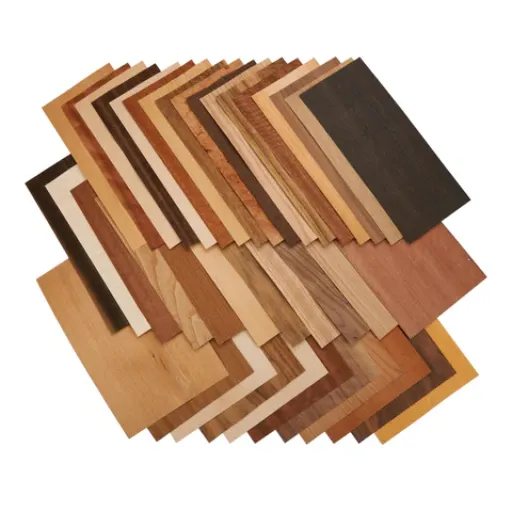
How to Calculate Wood Veneer Costs: Pricing Guide for Buyers
Wood veneer is an option that comes with a number of pros and cons when compared to solid wood for woodworking and interior design purposes. Nevertheless, it can be considered as a less expensive way to bring in the beauty and the sturdy quality of wood at the same time. The task of calculating the wood veneer costs may appear at times as an uphill battle due to the variety of factors such as the type of material, size, and finishing that may come into play. This guide will be your ally in making the whole process smooth and easy. It will give you the main factors that influence prices and will also assist you in making decisions that require you to have information. If you are a do-it-yourselfer, a designer, or someone who provides contracting services, this article will let you know the right things to do while budgeting and getting the best out of your purchase.
Understanding Wood Veneer
What is Wood Veneer?
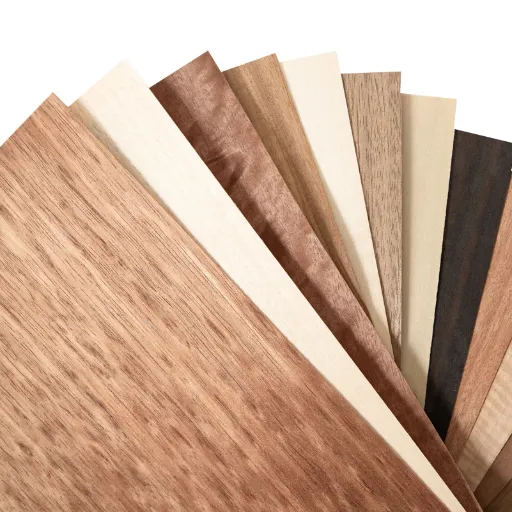
Wood veneer is the skin of natural wood that has been cut or peeled from a log and then glued to a base like plywood, MDF, or particleboard, thus acquiring the look of solid wood. It is an environmentally friendly and economical substitution for solid hardwood, at the same time retaining the aesthetic and physical properties of wood.
In general wood veneers are around 0.5 mm to 3 mm thick and they come to the market through different techniques such as rotary cutting, plain slicing, and quarter slicing, which make their own patterns of the wood grain. These patterns can be straight and uniform, or very wavy or even highly figured, giving the veneers a very wide application range, depending on the type of pattern created.
Common Uses of Wood Veneer
Furniture Production
Wood veneers are a must-have in the production of high-quality furniture pieces. They enable the manufacturers to provide the exquisite finishes a like to rare woods, but without the high cost and no environmental loss. Recent statistics from the industry show that around 65% of wood products with veneer are used for furniture making, which speaks greatly about their importance in this sector.
Interior Design and Paneling
Wood veneer is mainly used for wall panels and cabinet faces, bringing the coziness and grace of woods to the interiors. Architects and interior designers are among those who love veneers since, apart from being light and easy to install, they can provide a seamless look. Curiously, the engineered wood veneers are mainly chosen for the uniformity and customizability in the modern design trends.
Doors and Flooring
Wood veneer is always a preferred material for production of doors and flooring, as it gives an excellent combination of durability and beauty. Veneered doors are light but at the same time strong, and often they have intricate jointures that will even more enhance the property’s look. Veneered floor planks are also the other hand praised to act as real wood, as they need less raw material than natural wood.
Automotive and Luxury Vehicle Interiors
The use of wood veneer is limited to high-end models only, as luxury car makers strive to incorporate their vehicles with elegance and art. This specific use validates the capability of veneers to impart an air of sophistication and exclusivity. It is estimated that the global automotive wood trim market will continue its upward trend, with the use of veneers being one of the main factors.
Factors Affecting Wood Veneer Cost
Quality of the Veneer
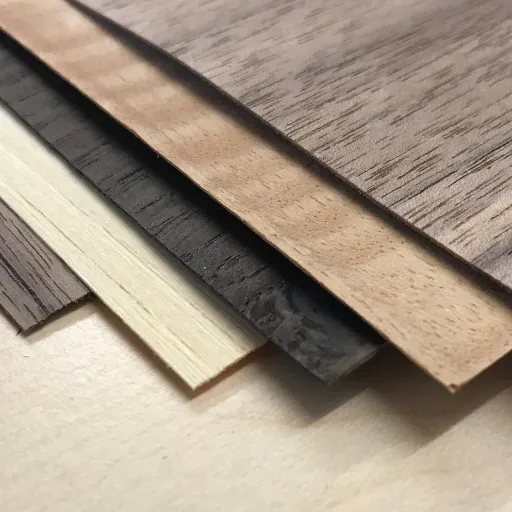
The durability, appearance, and price of the product all depend a lot on the wood veneer quality. Wood veneer of the highest quality will have the following features: it will have very similar grain patterns all over, very close thickness and almost no visible defects such as knots and cracks. Expertly graded veneers are usually sliced or peeled from logs that have been thoughtfully picked to show off the very best of the wood species. The choice of modern manufacturing processes, such as rotary cutting, flat slicing, and quarter slicing, gives a great deal of precision to the process of getting the required patterns and textures.
The latest research shows that the more demanding the industry standards get and the more technology in production improves, the less waste there will be for marketers during veneer cutting, in fact, waste reduction by up to 30% is thus achieved, and consequently, the manufacturers’ use of the raw materials is optimized. Moreover, it is indicated by studies that the use of sustainable or engineered veneers can nearly halve the environmental impact as compared to solid wood, and thus, they promote the eco-friendly construction and design practices.
The thickness of wood veneer sheets
Much depends on the thickness of the wood veneer sheets as that decides the application and functionality. As a rule, there is a range of 0.5mm to 3mm for the wood veneer sheets but if there are specific requirements and applications it may go to the extent of causing slight variations. The thinner veneer sheets coming down to around 0.5mm to 1mm are the ones most often used for intricate designs and detailing because they can be bent and worked with quite easily. In contrast, closer to about 2mm or 3mm, thicker sheets guarantee more durability and are frequently found in situations where strength is a requirement, such as flooring or furniture that gets a lot of traffic.
With modern manufacturing it is possible to have precise control over the veneer thicknesses which result in their being compatible with a variety of substrate materials such as MDF, plywood, and particleboard. Moreover, in engineered wood veneers, uniformity in thickness is very important for the attainment of a flawless surface as well as the preservation of structural stability. Thicker veneers are sometimes the only ones that are accepted for sanding applications, the reason being they offer more surface treatment without the risk of exposing the substrate underneath.
Comparing Wood Veneer Costs with Alternatives
Wood Veneer vs. Solid Wood
Cost Comparison
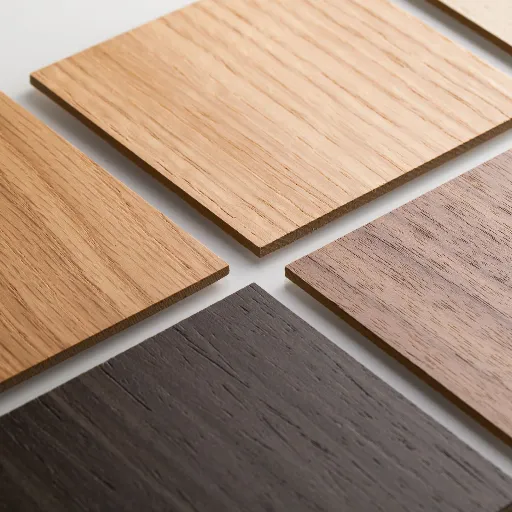
The price of solid wood is usually very high, the reason being the raw material and the labor-intensive production process. Recent studies in the market suggest that solid wood furniture could cost 50-70% more than the one made with wood veneer. A dining table of solid wood, for instance, may lie between $800 and $2,500 or sometimes even more depending on the kind of wood, while something similar in the design using wood veneer could be priced at $400 to $1,200.
Durability and Longevity
Solid wood gives a guarantee of long-lasting quality. Properly cared for and refinished, it can last for decades or even centuries. Solid wood, however, is sensitive to and may suffer from the effects of high temperatures or humidity, leading to splitting or warping. Although wood veneer is not as durable as solid wood, it has the advantage of being less prone to warping because of the engineered core stability.
Design Versatility
Veneers open the way for the easier creation of elaborate designs and patterns like bookmatching or inlays, since it is easier to work and match grains with the thin sheets. Solid wood, though having remarkable beauty, might face restrictions in certain detailed areas or may even require skilful craftsmanship that is costly thereby making it less accessible.
Environmental Perspective
The application of wood veneers is partially seen as the more environmentally friendly option because the rare or costly woods can be sliced thinly and a relatively large area can be covered with those. On the other hand, solid wood calls for considerable timber cutting which in turn can eventually result in the loss of forests. Using the latest technology, some manufacturers manage to combine veneers with environmentally friendly substrates to gain more sustainability credits.
Wood Veneer vs. Laminate
Material Composition
Real wood veneer is made of thin slices of wood that are glued to a panel, which makes them look and feel as if they are genuine wood. Laminate is a synthetic resin and various wood-like patterns or other prints that are overlaid on paper or fabric layers, which are all fused together under the heat and pressure.
Appearance
Veneer presents wood as a tree, which is one of the reasons it is so precious and luxurious; it captures a tree’s life, even its good and bad traits. Moreover, laminate still doesn’t have the depth and reality of real wood product as even very sophisticated laminates are no more than fake wood at a lower price.
Durability
In terms of scratches, heat, and moisture resistance, laminate generally has the upper hand over wood veneer. Being a real wooden product, wood veneer suffers from damage and might need regular care which involves polishing or refinishing, thus, getting a bigger cost in the long run. Moreover, high-pressure laminates (HPL) are reported to endure up to 1,000 cycles of abrasion testing which confirms them as the most suited material in constantly used areas like kitchens or offices.
Sustainability
Using eco-friendly substrates, wood veneer comes out slightly better than solid wood because it consumes less wood and that it is the least of the environmental consumers. Laminates, on the other hand, have their own recycling programs as well as certifications (Greenguard) that classify them as non-toxic (low emissions of VOCs) and environmental friendly.
Cost
Wood veneer is more expensive than laminate and this will naturally make it an impractical option if the projects are budget-constrained. But, at the same time, if one wants the beauty of solid wood without its heavy price tag, then the veneer is the perfect compromiser.
Applications
Both materials have a wide range of applications but laminate gets the nod for commercial areas where its durability is an important factor, whereas the wood veneer remains in the home where decoration is the priority.
Budget-Friendly Sourcing Tips
Where to Shop for Affordable Wood Veneer
Local Lumber Stores
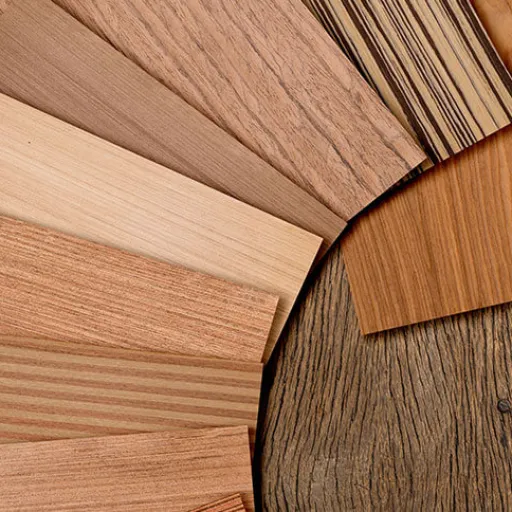
When it comes to getting affordable wood, seeing local lumber yards or woodworking shops is always a good option. Most of the shops have different types of wood veneer sheets as stock items, and if you buy locally, you won’t have the shipping cost. Try retailers like Woodcraft or Rockler, as they usually have occasional sales or discounts on wood veneer sheets.
Online Retailers
The internet has made it easier to find inexpensive wood veneer among the best places to source. For example, Oakwood Veneer, VeneerSupplies.com, and eBay sell competitively and may offer bulk discounts. Oakwood Veneer, for instance, is known to often have the standard and exotic wood veneers for sale at very reasonable prices, along with the option for free shipping if the order is large enough.
Home Improvement Stores
Wood veneers have also been the main focus of chain stores like Home Depot and Lowe’s who are targeting DIY lovers and home reno people. Their selection may not be vast, but the pricing will always be at the level of affordability, and delivery fees can be reduced if you opt for in-store pickup.
Specialty Wholesale Distributors
In case you are ordering a huge amount of wood veneers for a bigger project, it is better to reach out to wholesale distributors for prices. Timber Products Company and Certainly Wood are two such companies that work with both individuals and contractors. Most wholesalers have online stores and their bulk order discounts significantly lower the cost per square foot.
Closeout or Clearance Sales
Always watch out for flash sales or clearance events through retailers’ websites or seasonal promotions. When stores are updating their inventory, that is the time the selling of good quality veneers at very low prices happens and such sales offer the chance to grab the veneers at very big discounts.
Online vs. Local Suppliers
When it comes time to choose between online and local suppliers of wood veneer, it is essential to take into account the pros and cons of each choice. Online suppliers, for instance, usually have a much larger selection of veneers and may also include some peculiar patterns, exotic wood species, and one-of-a-kind cuts along with the main ones. Woodcraft, VeneerSupplies, and Certainly Wood are just a few of the sites that provide high-quality wood veneers and get great customer ratings. Also, online shopping gives you an advantage of convenience—being able to compare prices and read customer reviews while sitting at home. Currently, as per the latest statistics, the number of searches for “buy wood veneer online” has grown by more than 20% over the last year indicating a move towards the online purchase of wood veneers.
Conversely, local suppliers can turn out to be just as good an option, especially when projects are time sensitive or when it is essential to check the veneer by touch and sight. Local hardware stores or small woodworking shops in your area might carry a limited but a very good quality selection of veneers just like big players like Home Depot or Lowe’s. One big plus point is that you will always have the option to see and touch the wood before deciding which one to take thus you will never be left wondering whether the quality and the finish of wood are up to your expectations. On the other hand, the cost of shipping could also be a factor to consider, as regional suppliers will often charge you less than online retailers that base their rates on bulk orders or distance for smaller orders.
Potential Hidden Expenses in Wood Veneer Projects
Installation Costs
Wood veneer installation by professionals is a costly affair on average, as the price goes from $50 to $100 per hour based on the difficulty and region where the work is done. To illustrate, a simple veneer wall project in a small room may cost the homeowners $300 to $700, while the labor for bigger, more complicated designs may be over $1,500. Besides that, custom designs or intricate patterns will lead to a further increase in the price because of the precision and time needed to create them.
Moreover, the DIY approach to veneer installation might reduce the initial cost, however, it involves buying tools like veneer cutters, glues, and rollers that are necessary for the job. The total cost of these tools can range from $100 to $300. Mistakes made during the process can also result in the loss of materials thus your overall spending on the project will also increase.
Maintenance and Care Expenses
Proper maintenance must be done to your wood veneer project if you want it to last long and always looking good. Regular maintenance should include cleaning the surface with a soft lint-free cloth and sometimes a specialized wood cleaner is used to remove dirt without affecting the finish. On average, wood cleaners and polishes are priced between $10-$30 bottle, depending on the brand and volume.
For veneer furniture or surfaces that are highly exposed to wearing out, minor repairs like filling scratches, reapplying finishes, or re-gluing raised edges can be required after some time. Depending on its contents and quality, repair kits meant for veneers can be priced around $20-$50. If damage is severe, then a professional’s help in fixing it may be required at a cost of $50-$150 per hour, depending on the place and the complexity of the repair.
As a further measure to protect your veneer surfaces, you might want to buy furniture pads, coasters, or tablecloths to avoid scratches and water rings. The prices for these common protective items are usually in the range of $10 to $40. Plus, keeping indoor humidity at 40% to 60% will prevent the veneer from cracking or warping but it may require a dehumidifier, the price of which is between $50 and $300 depending on the model and features.
Reference Sources
-
The Global Supply Chain of Wood Products: A Literature Review
- Key Findings: This review highlights the importance of logistics and supply chain management in controlling costs within the wood industry, including veneer production. It emphasizes the role of industrial round wood in veneer cost structures.
- Methodology: The study analyzed literature on wood products supply chains, focusing on cost management and market trends.
Source
-
Revisiting US Softwood Lumber Demand Projections: The Central Role of Residential Construction in Forest Sector Outlooks
- Key Findings: This study discusses how residential construction impacts the demand and cost of wood products, including veneer. It identifies supply-side cost factors as critical in determining market prices.
- Methodology: The research extended demand projections using economic modeling and panel data analysis.
Source
-
ClimWood2030: Climate Benefits of Material Substitution by Forest Biomass and Harvested Wood Products
- Key Findings: This report explores the economic and environmental benefits of using wood products, including veneer, as substitutes for other materials. It discusses cost implications in the context of climate benefits.
- Methodology: The study used scenario analysis to evaluate the economic and environmental impacts of wood product substitution.
Source
Frequently Asked Questions (FAQs)
What types of wood veneer to which the price of wood veneer is affected?
The price of veneers is very much dependent on the wood species: rare ones such as rosewood, zebrawood, and mahogany are usually much more expensive than less popular kinds like birch, maple, or oak. The rarity, demand, and grain pattern are the main reasons for price differences; one certain species might change the whole budget of your project, especially if you have to buy big or continuous pieces for the sake of matching the grain.
Can I get a list of factors that determine wood veneer cost?
Of course, and a typical list of cost factors comprises: species, cut type (plain, rotary, quarter), thickness, backer material, size and quantity of pieces of wood required, finishing, and labor for application. Plus, there will be some expenses associated with matching, edge banding, and waste allowance, all of which will affect the final cost you pay.
How does shipping impact the final wood veneer cost?
The shipping cost can be really high and add up to the total amount, more so when it comes to heavy orders or the international shipping of rare species. The total shipping cost might include freight, insurance, customs duties, and any special handling for sheets that are long or wide and of very rare types. In any case, always check if shipping has been included in the quoted price or if it is mentioned separately, so you will be able to know the delivery options available.
Are there low-priced species still that look like high-end ones?
Yes, such as engineered alternatives and other less common species that can be finished to look like top-grade ones. For instance, the hardwoods ash, oak, and birch are in large supply and they can be cut and finished to give nice results at a price lower than that of the rare species. Using a backer and thinner face veneers also lessens the expense while the wanted look is retained.
How does the choice of backer affect the cost of wood veneer?
The backer material (plywood, MDF, particleboard, or flexible paper) has an impact on both price and performance. The high-quality backing increases the cost but results in better stability and lower likelihood of splitting or warping. By selecting a proper backing for the application one can align cost and durability in the total project budget effectively.