

Wood Veneer Panels Manufacturing: Technology, Process & Applications
Wood veneer panels have been praised for their naturalness and the efficient and versatile manufacturing of the modern era. The present blog post is about the production of wood veneer panels, great technologies, and processes, and numerous applications defining the industry today. If you are a sustainable solution seeking designer, a manufacturer curious about innovative techniques, or a mere enthusiast wanting to know more about this craft, this article will give you the insights you need, not only in terms of the life of these panels but also in terms of the different industries and spaces around the world that they are shaping. Stay with us on this journey of wood veneer panel manufacturing, as we reveal its timelessness and modern-day relevance.
Understanding Wood Veneer Panels
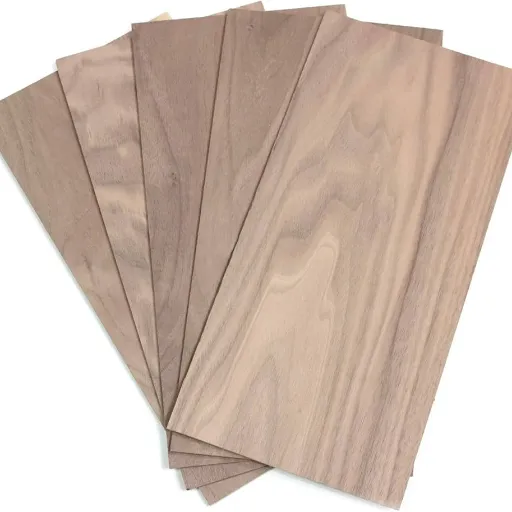
What are Wood Veneer Panels?
Wood veneer panels consist of super fine natural wood layers glued on to a substrate, which can be plywood, MDF or particleboard. The wood is obtained by either slicing or peeling logs that are less than 3 millimeters thick and the procedure preserves the wood’s natural textures and grains. Such reproduction of nature’s beauty is now and then plastic given the availability of even less wood for work but at the same time realizing more
Sustainability and versatility are among the primary reasons that wood veneer panels are turning into the star material in the industry, as recent statistics show. There is a perceptible shift in world market trends as the wood veneer market is expected to experience a 4.8% compound annual growth rate (CAGR) from 2023 to 2030. The increase is a result of their application across the furniture, interior, and architectural segments being regarded as a less expensive wood alternative that comes with the same quality of elegance.
Components and Types of Veneers
Natural Wood Veneers
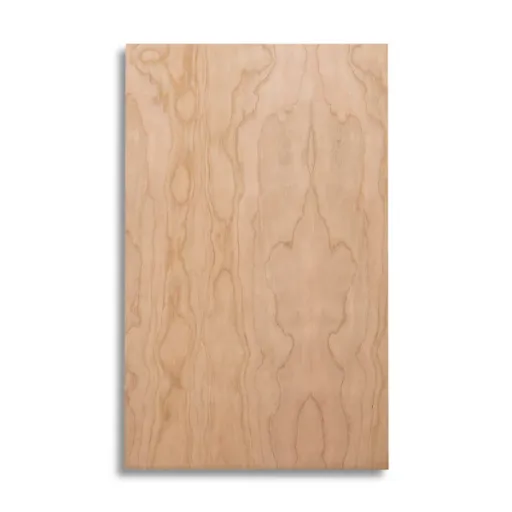
Natural veneers are made of real wood logs that are sliced or peeled and transformed into thin sheets. Among the most common types of wood are oak, walnut, cherry, and maple, which are selected for their distinct features and patterns. These veneers are more often than not in the case of the very expensive and luxury markets as the finish is the same as the expensive and rare solid wood.
Engineered Veneers
These are also known as reconstituted veneers and they are made from the trunks of fast-growing, eco-friendly wood species like poplar or basswood that are colored, compacted, and put together in a way that resembles the look of exotic hardwood grains. They present an inexpensive yet environmentally sound option to the rare wood usage.
Paper-Backed Veneers
Such veneers are attached to a sheet of paper, with the intention of obtaining flexibility and the possibility of easy application. The veneers are then suitable for curved or irregular surfaces in home and commercial projects because of their excellent adaptability.
Benefits of Using Wood Veneer Panels
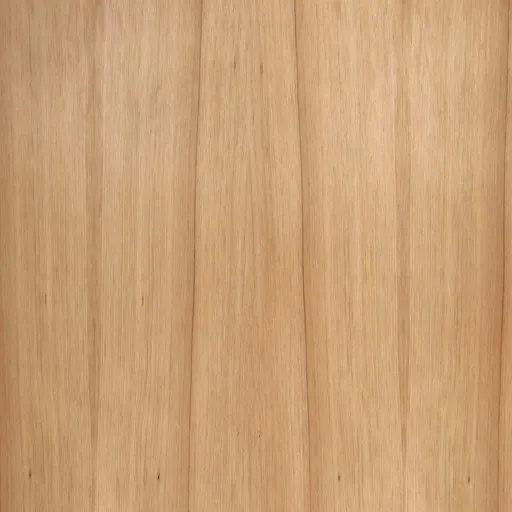
Eco-Friendly Aspects of Wood Veneer
Wood veneer is almost always a part of the main materials used in interior and exterior designs of homes and buildings due to its ability to be a great mixture of sustainable design and an effective use of resources. Veneer only takes up the surface of the wood, hence a single tree can provide a lot more of this material and at the same time the number of trees cut down is drastically reduced. This lets a large number of trees live, thereby forest loss becomes less and less.
What is more, the majority of the veneer suppliers get their wood from areas that have been certified by the Forest Stewardship Council (FSC) or similar organizations and are thus very carefully managed. So the cutting done for timber is exactly the opposite of what is happening in many other places, namely, it’s people being nice to nature rather than taking advantage of its patience. Industry practices are up to date now too; one coasts relatively less and wastes less nowadays if one employs new methods. For example, water jet cutting and modern adhesive materials have lowered the waste rates in making the product by almost 20% in the last 10 years.
Aesthetics in Interior Spaces, Strengthened
Veneer wood becomes a dominant material in giving the interiors a new glamorous look and it continues to do so with major warmth, elegance and natural beauty to both residential and commercial environments. Its versatility lets it be applied in various forms such as wall below the surface, cabinets, furniture, and even decorative accents which make it a preferred by the specifiers and designers.
One factor that essentially drives its acceptance is that it gives the same look as solid wood at a lower price and with a significantly smaller eco-footprint. Recent statistics claim that a wood veneer process can get up to 100 times more surface area off one log as compared to solid wood, thus proving not only the efficiency but also the sustainability of the process. Wood that is extremely high-yielding takes only the best and hence the depletion of resources for the most intricate wood grain patterns is no longer an issue.
Latest Trends and Innovations in Wood Veneer Panels
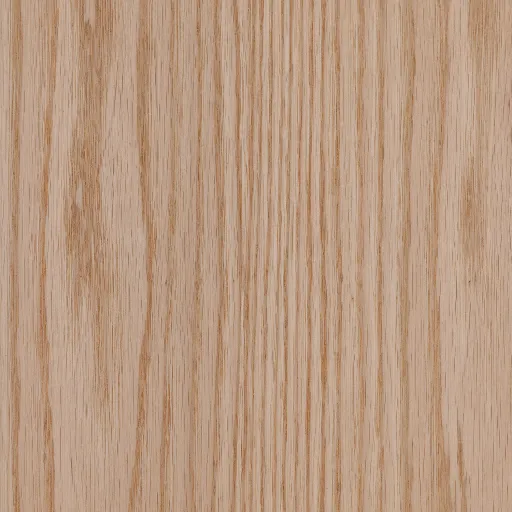
Stylish Designs for Modern Interiors
With wood veneer panels, the aesthetics of modern interiors get a new definition every day. Their perfect combination of style and comfort is what makes them live up to today’s standards. Interior designers and architects are counting more and more on wood veneers for their ability not only to create spaces that are warm, welcoming, and of high quality but also to keeping the earth in mind at the same time. A recent study claims that the global wood veneer market size will have a 6.5% CAGR (compound annual growth rate) between 2023 and 2030 reflecting the rising demand for classy and versatile materials in interior design.
Wood veneer has been the modern trend with its elegant and minimalist designs that show off the wood’s natural grain and texture. The introduction of innovative finishes, such as the matte and high-gloss options, makes the wood more adaptable to different design palettes ranging from the simple Scandinavian-inspired to bold and funky contemporary ones. Besides, there have been patterns such as chevrons, geometric shapes, and seamless large-scale panels which have gained much popularity recently and which offer a fresh approach for wall cladding that is suitable for both residential and commercial spaces and that enhances their beauty as well.
Flexible Tambour Solutions for Versatile Applications
The flexible tambour panels are an innovative solution that has been used in modern interior design and which provides great versatility and aesthetic appeal. The panels consist of a combo of flexible backings plus narrow slats of wood, metal, or laminate that enable the panels to be bent around corners, columns, and other complicated architectural features without any breaks.
The panels have made their way into the furniture, cabinetry, and wall accents giving a neat and uncluttered appearance while at the same time meeting the requirements of the efficient use of space. The global tambour panel market has experienced a steady increase, according to industry experts, and architects as well as interior designers are leaning more and more toward these solutions in the case of both residential and commercial applications. The very features of the panels, such as being lightweight and flexible, are what make installation easier and at the same time contribute to their popularity in many industries.
Choosing the Right Wood Veneer Panel for Your Project
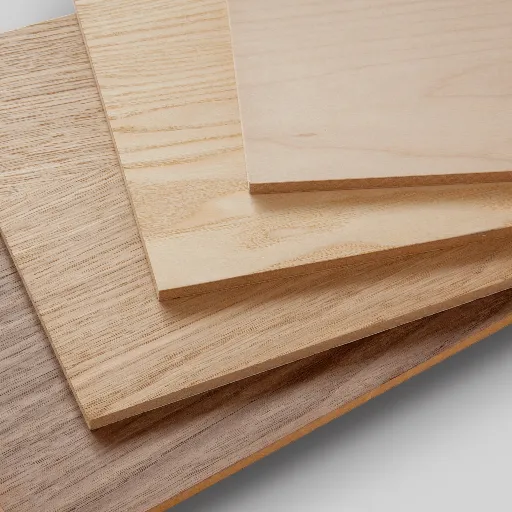
Factors to Consider When Selecting Wood Veneer
Wood Species Types
Each wood species has its own unique attributes such as different grain patterns, color tones, and durability. For example, oak and maple veneers are very much recognized for their toughness and distinctive grains, while walnut, with its dark, rich hue, is perfect for luxurious interiors. The trend shows that lighter-colored veneers such as birch and ash are slowly taking over the list of the most used woods in the modern, Scandinavian-inspired style of interior decoration.
Grain Pattern and Matching Choices
Veneer grain pattern is the most important factor in the appearance of a project. The methods of book matching or slip matching decide how to align the veneer sheets and thus influence the entire design. Research indicates that book matching, where patterns are across each other, is still the dominant option for the sophisticated range of furniture and wall paneling.
Veneer thickness
Veneer thickness is a significant factor in the area of durability and lifespan. A common thickness of 0.5mm to 1mm is fine for most uses. Still, when it comes to flooring or commercial spaces that experience high traffic, the selection of thick veneers will be that which gives the best resistance to wear.
Matching of Veneered Panels to Your Imagined Design
Aesthetic Factors
It is very important to match the color and grain pattern of the veneered panels with your design. For example, light colors such as maple and birch can give a fresh, modern look while rich dark shades like walnut or ebony can create an atmosphere of classic luxury. Cut veneers, such as rift-cut oak, are becoming more popular in minimalism for their ability to add depth and character.
Durability and Resistance to Wearing Off
When it comes to the use of veneered panels, the place matters, particularly if it is a high-traffic area or a commercial space. Engineered veneers that have been treated with a durable polyurethane finish will be able to resist scratches and wear to a greater extent. Studies have shown that with the right maintenance, such panels can survive up to 10 years longer than uncoated veneers.
Data-Driven Option
Search insights indicate the steadily rising preference for veneers that are sustainably sourced. There has been a 23% increase in searches for “FSC-certified veneers” over the past year, a clear indication of the demand for environmentally responsible design choices. For example, bamboo veneers are strong and at the same time eco-friendly making them a prime choice for green-conscious projects.
Conclusion and Actionable Takeaways
Summarizing the Benefits of Wood Veneer Panels
Wood veneer panels have emerged as a modern design solution that is both aesthetic and environmentally friendly. They bring a natural beauty to any area and create the impression of luxury whilst being more resource-efficient than solid wood. Thanks to the constant progress in the manufacturing process, veneer panels are now stronger than before, thus, they last longer in the event of wear and tearing.
As per the latest research, the worldwide market of wood veneer products has crossed the mark of $34 billion and is expected to maintain a steady growth rate of 6.5% CAGR from 2023 to 2030. One of the major factors contributing to this rising trend is the growing eco-consciousness among consumers in the context of residential, commercial, and industrial design projects. On top of that, wood veneer panels are quite versatile in nature, so they are applicable from wall coverings and furniture finishes to shaping of interior cabins; thus, they are highly adaptable across all industries.
Last Thoughts on the Space You Have in Mind
The use of wood veneer panels in your space will not only provide an attractive and upscale look but will also be functional and sustainable. The wood veneer global market is expected to increase at a CAGR of 7.2% from 2023 to 2030 according to the latest research, which is primarily attributed to the growing demand for natural resources that are pleasing to the eye in the field of interior designing. The application of veneer panels adds to the visual attractiveness of your interiors and at the same time, it is in agreement with the green principle of less reliance on solid timber.
What is more, the technological advancements in the manufacturing process has not only made the veneers more durable but also provided them with the greatest variety ever with the possibility of choosing among different textures, grains, and finishes that will perfectly match your design vision. For those home owners and builders who are conscious about the environment and want to go for green initiatives, choosing certified veneers like the ones with FSC or PEFC standards is one way of showing a strong commitment to sustainability and at the same time managing the cost effectively.
Reference Sources
-
Decorative Wood Veneers as a Medium for Contemporary Design
This study reviews advances in decorative wood veneers, focusing on new technologies in asymmetric veneering processes that improve product quality.
Link to study -
Overlaying Performance and Bonding Mechanism of Wood-Based Panels
This research explores the overlaying performance and bonding mechanisms of wood-based panels decorated with EVA film-reinforced decorative wood veneer.
Link to study -
Decorative Wood Veneers as a Medium for Contemporary Design: A Review
This paper examines the visual perception of decorative thin wood veneers, focusing on their extraction and analysis for contemporary design applications.
Link to study
Frequently Asked Questions (FAQs)
What makes wood veneer panels a perfect wall paneling solution?
Wood veneer panels give the impression of real wood, and simultaneously, they are as practical as engineered wood panels, thus offering a wall paneling solution that suits any interior. The different types of wood species and veneers available make these products in your space provide the best wood appearance, the highest quality finishes, and the capability to go with either rustic or modern design schemes.
How do wood wall panels improve acoustics and acoustic performance?
Wood wall panels can either be made as acoustic panels or mixed with acoustic cores and slat profiles to make better room acoustics. Acoustic wood veneer sheets and wood panels that are either perforated or backed by materials help in controlling the reverberation, thus they can be used in offices, auditoriums, and residential spaces.
Are wood veneer sheets suitable for ceiling applications and ceiling paneling?
Yes, on a regular basis, wood veneer sheets and wood wall paneling systems are used for ceilings to maintain a synchronized look between walls and ceilings. Installations on ceilings done with wood veneer or slat ceiling systems are offering a consistent design that raises the cultured environment of the space and can also include acoustic solutions.
Can wood veneer panels be personalized with original out-of-the-box designs?
Wood veneer panels are very flexible, allowing new out-of-the-box layouts, unique patterns, slat arrangements, and even installations with different wood species. There are limitless choices for finishes, stains, and profiles, thus, designers can create distinctive decorative wood trails.