
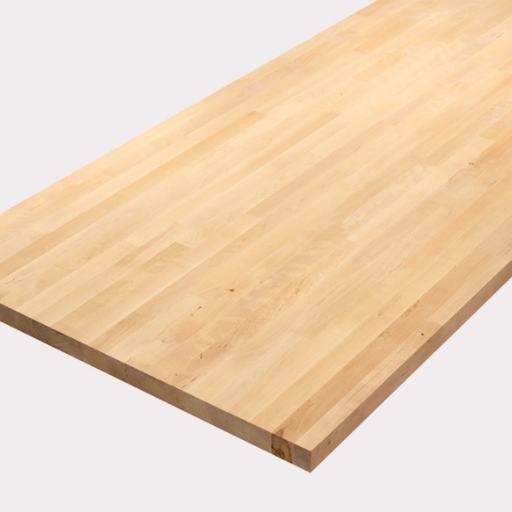
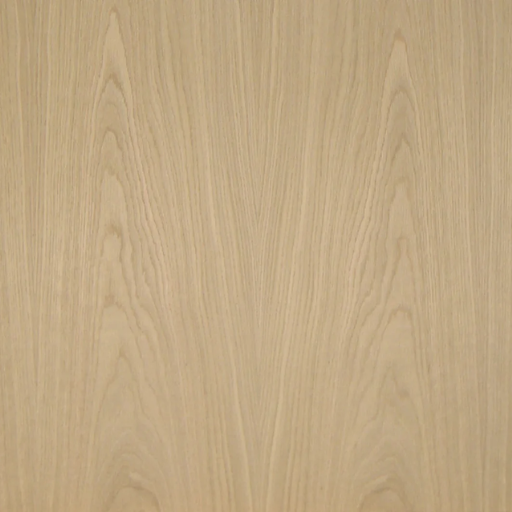
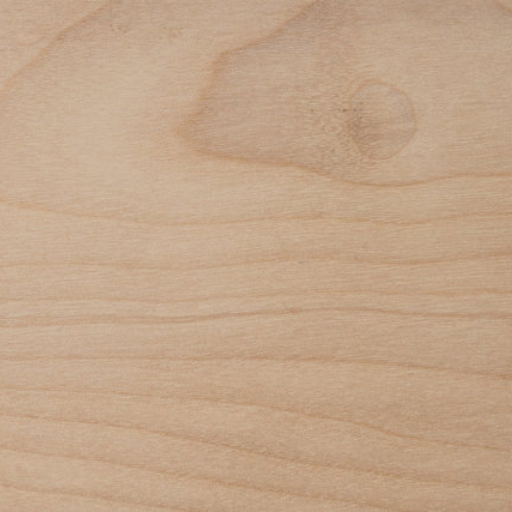
Birch Wood Veneer Panel
Our Birch Wood Veneer Panels are the perfect solution for furniture, cabinetry, and interior design projects. With their natural beauty, durability, and versatility, these panels are ideal for both residential and commercial applications.Engineered for professional woodworking and global procurement, birch veneer sheet and panel solutions deliver real wood aesthetics with reliable performance.
What Makes Birch Wood Veneer Ideal for Professional Projects
Transform your furniture, cabinetry, and design projects with the natural beauty and durability of authentic birch wood veneer
Authentic Beauty
Real birch wood with cream to pale brown tones, fine grain, and natural variations that add character to every project.
Superior Strength
Medium-density hardwood that’s strong and durable, perfect for furniture and high-traffic applications.
Easy to Work
Cuts, glues, stains, and polishes beautifully. Flexible sheets conform to curves without cracking.
Cost-Effective
Get the look of solid birch at a fraction of the cost. Maximize your budget without sacrificing quality.
The Difference Between Birch Wood and Cherry Wood Veneer
Cherry Wood Veneer
Cherry wood, on the other hand, is celebrated for its warm reddish-brown tones that deepen with age, complemented by a smooth, straight grain with occasional wavy patterns. It is durable, easy to work with, and commonly used for high-end furniture and decorative applications.


Birch Wood Veneer
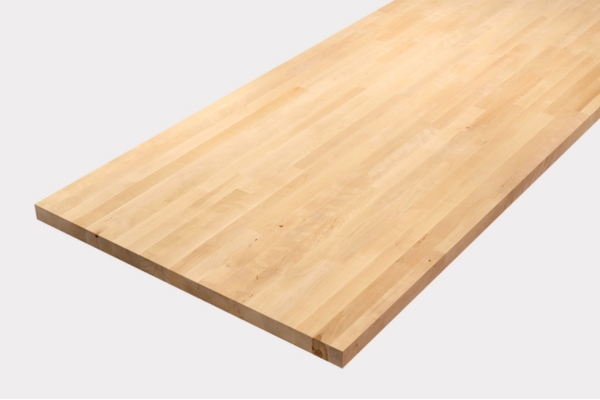
Birch wood is known for its creamy white to pale brown color, often tinged with pink, and features a straight grain with a fine, uniform texture. It is strong, versatile, and widely used in furniture, cabinetry, and architectural projects.

Technical Specifications for Birch Wood Veneer Panel
| Specification | Details | Notes |
|---|---|---|
| Material | Genuine Birch Wood | Sourced sustainably from Northern United States and Canada. |
| Color | Creamy white sapwood with pale brown heartwood | Color can have a pinkish tinge and will naturally deepen over time. |
| Grain | Straight-grained with a fine, uniform texture | Provides a smooth and consistent appearance ideal for finishing. |
| Sizes Available | 4' x 8' (32 sq ft) | Custom sizes may be available upon request. |
| 4' x 10' (40 sq ft) | ||
| Thickness Options | 3/4" MDF (Good 1 Side / Good 2 Sides) | MDF and Ultracore provide a stable substrate for the veneer. |
| 1/2" MDF (Good 1 Side / Good 2 Sides) | ||
| 3/4" Ultracore (Good 1 Side / Good 2 Sides) |
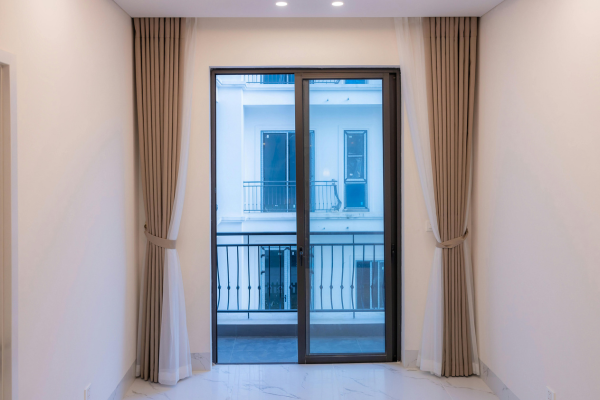
Applications for Birch Wood Veneer Panel
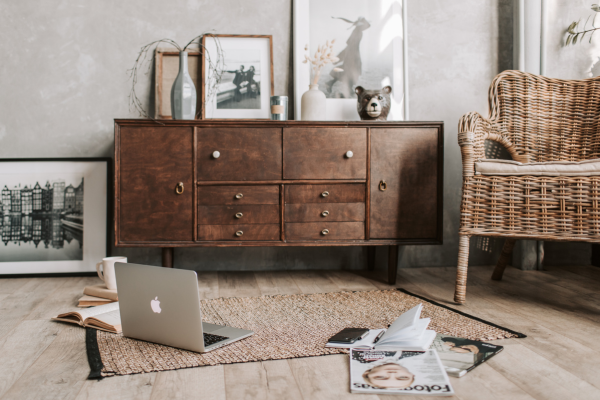
- Furniture Making:Tables, chairs, dressers, bookcases, and custom furniture pieces
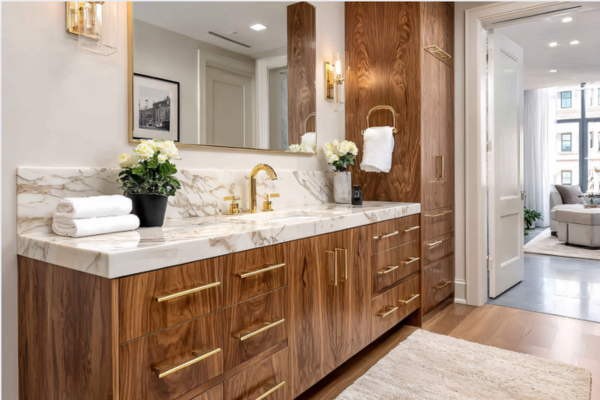
- Cabinetry: Kitchen cabinets, bathroom vanities, storage units, and cabinet refacing
- Architectural Panels:Wall panels, ceiling treatments, and decorative features
- Interior Doors: Residential and commercial door veneering
Maintenance and Care for Birch Veneer
Proper care preserves natural birch aesthetics, extending service life of wood veneer products. Maintenance focuses on gentle cleaning, protective finishing, timely repair of dents or chips, and environmental controls that safeguard real wood veneer sheets against humidity and abrasion.
Cleaning and Upkeep Tips
Use non-abrasive cleaners and soft cloths to protect stain and topcoat on birch veneer panels. Avoid soaking edges, manage humidity, and periodically sand and recoat high-wear wall panel areas to maintain uniform sheen and authentic color and grain presentation.
Repairing Damaged Veneer Panels
For chips, cut a matching birch patch from veneer sheets, align grain, and bond using glue or psa depending on backer. Clamp carefully, then sand flush and re-stain, ensuring repairs blend with existing white birch veneer finishes seamlessly.
Longevity of Birch Veneer Products
Well-finished birch wood veneer retains durability when environmental conditions are controlled and edges sealed. Choosing quality backer options, correct adhesive systems, and routine care ensures cabinet, wall panel, and plywood-faced installations deliver long-term real wood performance globally.
Frequently Asked Questions (FAQs)
Still have questions? Our team is here to help. Reach out to us anytime, and we’ll make sure you get the answers you need.
Are birch wood veneer planks available in multiple sizes and backer options?
Yes, birch veneer planks commonly come in multiple sizes and backer options so you can choose widths, lengths, and thicknesses that suit flooring, cabinetry, wall panels, or furniture. Backer options include MDF, HDF, birch ply, and other engineered cores—each affecting stability, weight, and finishing characteristics.
How does the natural yellow wood tone of birch affect finishing choices for planks?
Birch naturally has a warm, pale yellow wood tone that accepts stains evenly and provides a neutral base for dyes or pigments. Because of this yellow undertone, some stains will warm the color further, while bleaching or using gray washes can neutralize it; test samples first to ensure the plank achieves the intended look after stained and finished.
Are birch veneer planks easy to work with for DIY projects?
Birch veneer planks are generally easy to work with: they cut, rout, and sand similarly to other engineered panels. Because the visible layer is thin, care is needed near edges to avoid exposing the substrate, but with the right tools and adhesives these planks are considered easy to work for cabinetmakers, joiners, and DIYers alike.
Can birch veneer planks be stained and finished like solid wood?
Yes, birch veneer planks can be stained and finished much like solid wood, but results depend on the veneer thickness and substrate. Use appropriate wood stains, sealers, and topcoats formulated for veneers; conditioners or pre-stain treatments help achieve uniform color and a durable finish suitable for high-use surfaces.
What installations are birch veneer planks best suited for?
Absolutely. We understand that seeing and feeling the texture is vital for design decisions. You can request a sample of the Oak Wood Veneer Panel through our catalog request form to verify the grain and quality before purchasing.
How do you repair or refinish a damaged birch veneer plank surface?
Minor scratches and wear can often be repaired by light sanding and reapplying stain and topcoat; deeper damage exposing the substrate may require patching with veneer adhesive and a repair veneer or wood filler before refinishing. Because veneers are thin, refinishing should be done carefully to avoid sanding through the face layer.