
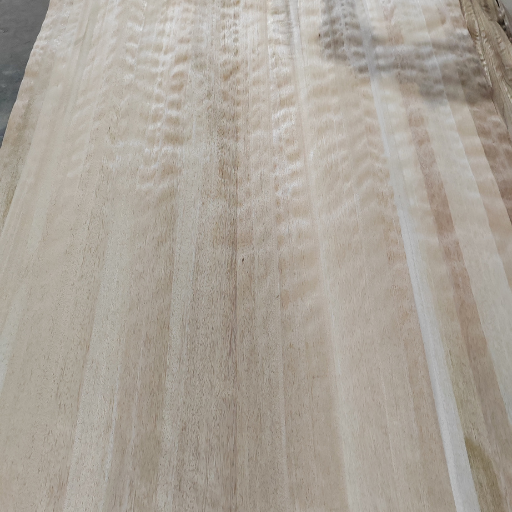

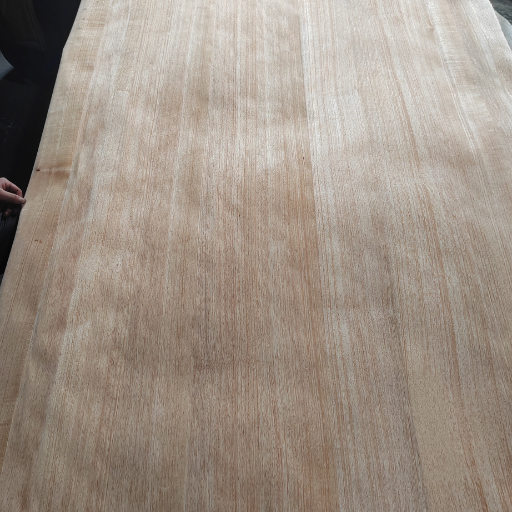
Mango Wood Veneer Panel
Mango veneer combines the aesthetic warmth of a tropical hardwood with efficient use of material. Produced by slicing thin wood from mango wood logs, our wood veneer sheets and panel facings offer premium colour control, grain selection, and finish readiness for professional joinery, plywood lamination, and architectural interiors at scale.Mango veneer is a thin slice of mango wood bonded to substrates like plywood or MDF to create stable panels and wood veneer sheets. This mango wood veneer delivers natural figure, golden brown tones, and exotic character while optimizing yield from the tree for sustainable, cost-effective projects.
Exceptional Features of Mango Veneer
Experience the exotic beauty of tropical hardwood with guilt-free sustainability. Mango veneer delivers stunning golden tones and unique spalted patterns while protecting endangered forests.
Stunning Natural Beauty
Rich golden-brown heartwood with captivating pink streaks and distinctive spalting patterns. No two pieces are identical—each panel is a unique work of natural art.
Water Resistant
Natural water-repelling properties make mango ideal for kitchens, bathrooms, and even outdoor covered areas when properly finished.
Easy to Work With
Excellent workability—glues, stains, and polishes beautifully. Fine to medium texture accepts nails and screws without splitting.
Budget-Friendly Luxury
60-70% less expensive than teak while delivering similar aesthetic appeal. Get exotic hardwood beauty without the premium price tag.
Mango vs. Other Hardwoods
See why mango wood is the smarter choice
Mango Wood
✓Fully sustainable & eco-friendly
✓Affordable luxury pricing
✓Unique spalted patterns
✓15-year growth cycle
✓Readily available supply
✓Water resistant properties
✓Easy to work with

Oak Wood
✗75-year growth to maturity
✗Less exotic appearance
✓Unique spalted patterns
✓Strong and durable
✗Common, lacks uniqueness
✗Pressure on old-growth forests
✓Traditional appeal


Teak Wood
✗3-5x more expensive
✗Limited sustainable sources
✓Excellent durability
✗Often overharvested
✗Long lead times
✓Superior weather resistance
✓Premium appearance


Technical Specifications for Mango Wood Veneer Panel
| Specification | Details | Notes |
|---|---|---|
| Material | Genuine Mango Wood | Sourced sustainably from mango trees that have completed their fruit-bearing cycle. |
| Color | Varies from light golden brown to dark brown, often with streaks of pink, yellow, or black. | Color can be highly variable, contributing to its unique and exotic appearance. |
| Grain | Typically straight or interlocked, with a medium to coarse texture. Can display unique patterns and spalting. | The grain's character and figuring make each panel distinct. |
| Sizes Available | 4' x 8' (32 sq ft) | Contact us for custom dimensions and availability. |
| 4' x 10' (40 sq ft) | ||
| Thickness Options | 3/4" MDF (Good 1 Side / Good 2 Sides) | Core options provide stability and are suitable for different structural needs. |
| 1/2" MDF (Good 1 Side / Good 2 Sides) | ||
| 3/4" Plywood Core (Good 1 Side / Good 2 Sides) |
Applications for Mango Wood Veneer Panel
- Premium Furniture:Dining tables, coffee tables, dressers, cabinets, chairs, and custom pieces with exotic appeal
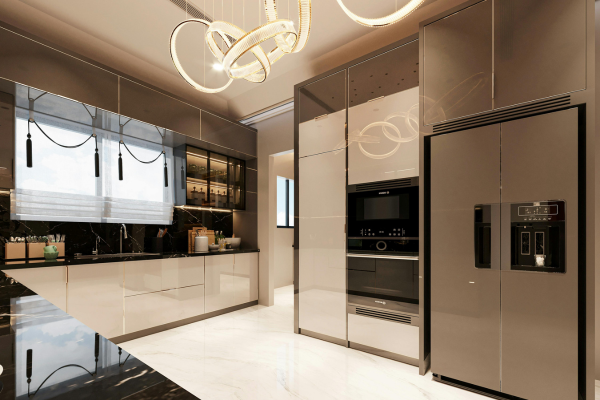
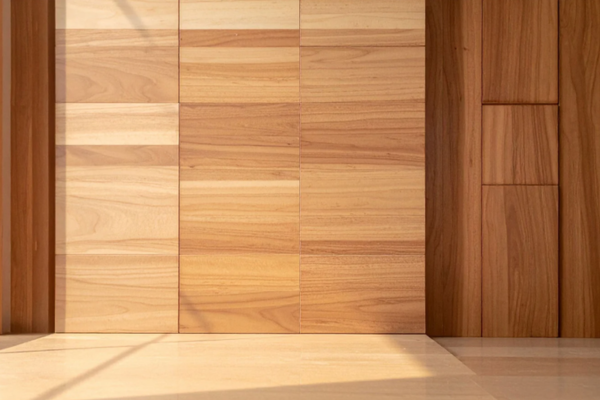
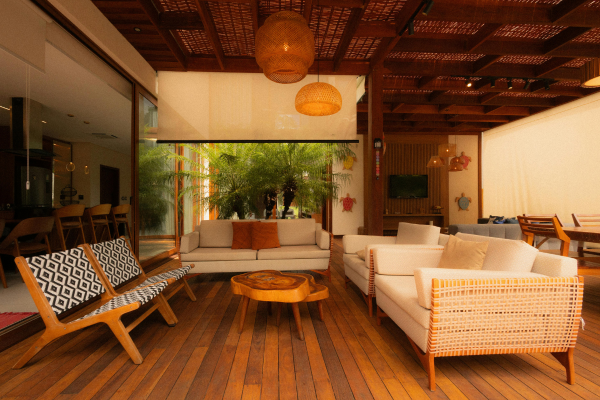
- Architectural Panels:Wall paneling, accent walls, ceiling features, and commercial interior design elements
- Doors & Cabinetry:Kitchen cabinets, bathroom vanities, interior doors, and storage units with tropical character
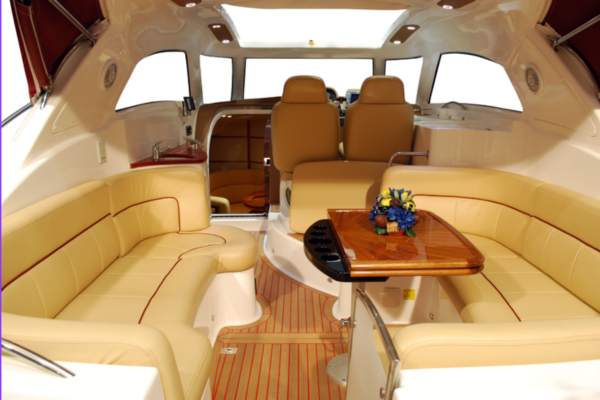
- Yacht Interiors: Marine-grade applications for luxury yacht cabinetry, paneling, and trim work
- Aircraft Interiors: Lightweight yet durable veneer for private aircraft cabins and executive jet interiors
Truly Sustainable Wood
Mango wood comes exclusively from non-fruiting trees after 15-20 years. No trees are cut solely for timber. Instead of being discarded, retired fruit trees are transformed into beautiful, durable wood products. It’s the ultimate eco-friendly alternative to teak and oak.
Zero Waste
Trees harvested only after fruit production ends naturally (15-20 years). What would be discarded becomes beautiful furniture.
Fast Growing
Reaches maturity in 15 years vs 75 years for oak. Rapid replenishment ensures continuous sustainable supply without forest pressure.
Protects Forests
Reduces demand for endangered tropical hardwoods. Every mango panel sold helps protect old-growth teak and mahogany forests.
Carbon Positive
Planted mango trees absorb CO2 throughout their fruit-bearing years before becoming sustainable timber resources.
Mango Wood Veneer Is The Sustainable Solution
Get the exotic tropical beauty similar to teak with superior sustainability credentials. Each mango veneer panel features unique golden-brown tones with pink and black spalting patterns. Strong, water-resistant, and affordable—mango wood delivers professional results without compromising our planet.
Frequently Asked Questions (FAQs)
Still have questions? Our team is here to help. Reach out to us anytime, and we’ll make sure you get the answers you need.
What brown shades and finishes are available for mango wood veneer panels?
Mango veneers naturally range from pale yellow-brown to rich medium and dark brown with warm golden highlights. Manufacturers offer several finishes—clear lacquer, oil, satin and matte—to enhance the brown tones and protect the surface. Staining can deepen the brown or shift it toward walnut- or teak-like hues, but be sure to test a sample before finishing to avoid uneven color absorption on the veneer slice.
Can I use mango wood veneer panels on a table surface?
Yes, mango wood veneer panels are suitable for table tops when properly prepared and finished. Because veneer is a thin wood layer, it should be bonded to a stable substrate like MDF or plywood and finished with a durable topcoat (e.g., polyurethane) to resist moisture and wear. For heavily used tables, consider additional edge protection and periodic maintenance to keep the surface beautiful and resilient.
How do I identify and preserve the natural figure in mango veneer?
The figure in mango veneer—interlocking grain, waves or curly patches—gives it character. To preserve and highlight figure, sand lightly, avoid aggressive staining that obscures texture, and use clear or slightly amber finishes that enhance depth. Applying finish samples to a small veneer piece helps determine how the figure will respond to different treatments before committing to the full panel.
Are mango veneer panels compatible with plywood or MDF substrates for doors?
Mango veneer panels are commonly glued to substrates such as plywood and MDF for door skins and cabinetry. Plywood offers strength and resistance to warping, while MDF provides a smooth, uniform backing that supports thin wood veneer slices well. For exterior or high-humidity doors, select appropriately rated substrates and adhesives and ensure all edges are sealed to prevent moisture ingress.
How do I repair chipped or damaged edges on thin wood mango veneer?
Small chips on thin mango veneer edges can be repaired by gluing down any loose veneer with a high-quality wood glue and clamping. For missing areas, use a veneer patch cut from a matching slice and edge-bond using contact cement or PVA glue, then sand and finish to blend. For damaged edge bands, replace the banding with new veneer edge trim or apply wood filler colored to match, followed by touch-up finish.
Where can I obtain a sample slice of mango wood veneer before buying panels?
Many veneer suppliers and woodworking stores provide small sample slices or sample packs so you can inspect grain, color and figure in person. Request sealed samples if possible to see how finishes behave on the wood. Samples are especially helpful when matching to existing furniture or when choosing complementary plywood or MDF substrates for veneering projects.