

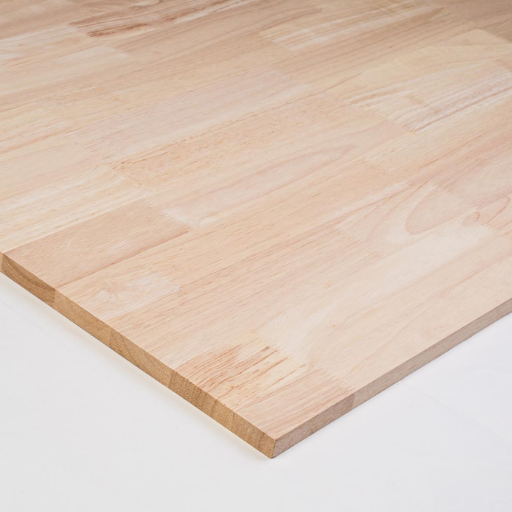

Rubber Wood Veneer Panel
Rubberwood is a plantation-grown hardwood derived from retired rubber tree stock, prized for eco-friendly utilization and consistent density. As rubber wood, it supports veneer, plywood, mdf cores, and solid rubberwood panels with reliable machining and finishing performance. Rubberwood veneer offers uniform grain, cost-efficiency, and excellent bonding with durable sheet options. Natural rubber wood veneer provides color consistency and compatibility with oak, birch, maple, walnut, and acacia.
What Makes Rubber Wood Veneer Panel Ideal for Professional Projects
Transform your projects with beautiful, eco-friendly rubberwood veneer that combines affordability, durability, and environmental responsibility
Truly Sustainable
Harvested from trees that already served their primary purpose producing latex. Zero deforestation, maximum resource utilization.
Budget-Friendly
40-60% cheaper than oak, walnut, or mahogany without compromising quality. Premium appearance at accessible prices.
Durable & Stable
Medium-density hardwood with minimal shrinkage. Kiln-dried for excellent dimensional stability that resists warping.
Beautiful Aesthetics
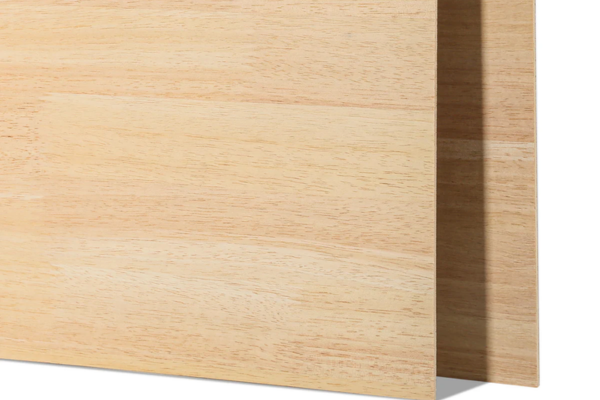
Light yellow-brown color with straight, fine grain. Takes stains uniformly for easy customization to match any design.
The Difference Between Rubber Wood and Walnut Wood Veneer
Rubber Wood Veneer
When choosing between walnut and rubber wood veneer, consider the differences in appearance, durability and cost: walnut veneer offers a rich, dark grain and a luxurious finish that suits high-end furniture and cabinetry, while a rubber wood wood veneer panel provides a lighter, uniform look with good stability and eco-friendly credentials since it makes use of plantation-grown trees; walnut tends to be more expensive and can show more pronounced grain patterns that require careful matching, whereas rubber wood veneer panels are cost-effective, easy to work with, and resist warping when properly manufactured, making them an excellent choice for mass-produced furniture, shelving and veneer-faced panels where consistent color and affordability are priorities.
Walnut Wood Veneer
Walnut veneer provides deep, rich tones and dramatic figure prized for premium wood wall panels, offering a luxurious aesthetic and distinctive grain that elevates interiors; rubber wood veneer rivals stability at lower cost, making it an ideal choice when budget and structural performance are both priorities. Combining walnut faces with rubber cores produces a balanced plywood that brings together the high-end appearance of walnut and the dimensional stability and affordability of rubber wood, resulting in a versatile rubber wood wood veneer panel well suited for furniture, cabinetry, joinery and decorative wall applications where consistent performance and attractive surface appearance are required.


Technical Specifications for Rubber Wood Veneer Panel
| Specification | Details | Notes |
|---|---|---|
| Material | Genuine Rubber Wood (Hevea brasiliensis) | Environmentally friendly plantation hardwood sourced from latex-producing trees. |
| Color | Light blonde to creamy yellow, sometimes with pinkish or brownish tints. | Known for its light, neutral color that stains easily to mimic other species like Oak or Teak. |
| Grain | Straight to slightly interlocked grain with a coarse, open texture. | Features a uniform appearance with occasional distinct grain patterns, similar to Ash. |
| Sizes Available | 4' x 8' (32 sq ft) | Standard panel sizes; custom cutting services may be available for specific projects. |
| 4' x 10' (40 sq ft) | ||
| Thickness Options | 3/4" MDF (Good 1 Side / Good 2 Sides) | Available in various core thicknesses to suit furniture making and cabinetry needs. |
| 1/2" MDF (Good 1 Side / Good 2 Sides) | ||
| 1/4" Particle Board Core |
Applications for Rubber Wood Veneer
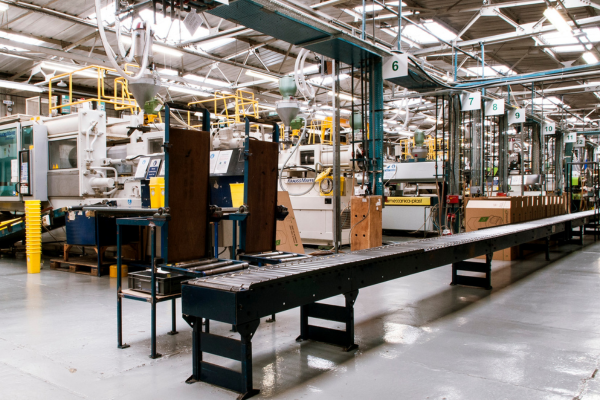
- Musical Instruments: Guitar bodies, drum shells, and instrument components
- Kitchen Accessories: Cutting boards, utensil handles, and food-safe kitchen items
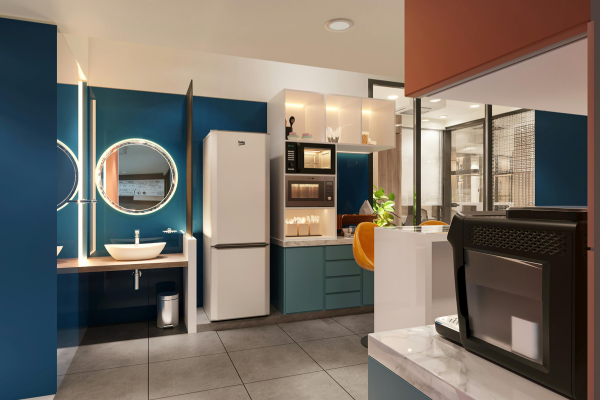
- Cabinetry: Kitchen cabinets, bathroom vanities, built-in storage solutions
- Cabinetry & Doors: Kitchen cabinets, bathroom vanities, cabinet doors, and drawer fronts
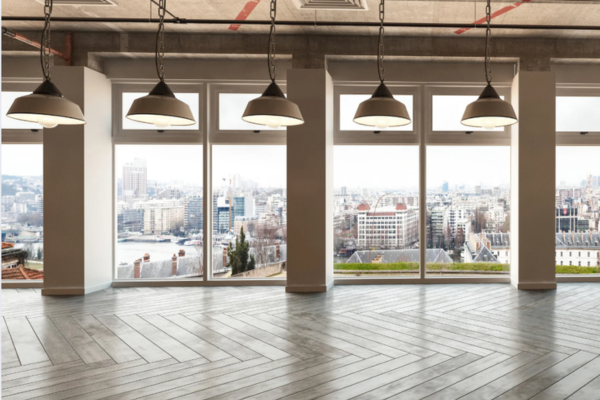
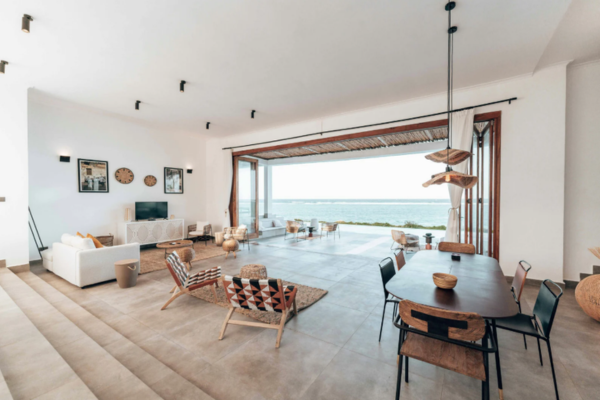
- Commercial Spaces: Restaurant furniture, retail displays, hotel interiors, and office furnishings
- Furniture Manufacturing: Tables, chairs, dressers, cabinets, bedroom sets, and dining furniture
Why Professionals Trust Rubber Wood Veneer
Our premium rubberwood veneer panels deliver the beauty of hardwood at 40-60% lower cost, with superior stability, consistent quality, and genuine eco-friendly credentials. Transform your projects while protecting the planet.
Low Shrinkage Rate
Excellent dimensional stability. Minimal expansion and contraction compared to other hardwoods, ensuring long-lasting results.
Uniform Grain
Consistent straight grain pattern throughout. No wild variations or unpredictable figure that complicates finishing.
Termite Resistant
When properly treated and finished, rubberwood shows good resistance to insect damage and decay.
Easy Machining
Cuts cleanly without tear-out. Excellent glue adhesion. Accepts nails and screws without splitting.
Superior Finishing
Smooth surface takes lacquer, varnish, and paint beautifully. Stains evenly to achieve any desired color tone.
Frequently Asked Questions (FAQs)
Still have questions? Our team is here to help. Reach out to us anytime, and we’ll make sure you get the answers you need.
Can rubber veneer and wood face veneer be used for a high-quality table top?
Yes, rubber veneer and other wood face veneer options such as maple wood or mahogany face sheets can be used to create high-quality table top surfaces. In plywood production, a plywood veneer or face sheet is glued to a stable substrate to produce a durable wood surface that is used for furniture and wood veneer wall panels; selecting a reliable supplier—often Chinese suppliers for rubber wood—ensures consistent quality for tables and chairs and other used for furniture pieces.
How does plywood veneer compare to plywood production using softwood or timber cores?
Plywood veneer in plywood production typically refers to the thin layers of wood—like rubber wood veneer or walnut veneer—used as face sheet layers over a timber or hardwood core. The difference lies in the core material and manufacturing process: rubber wood panel cores can be engineered for uniformity, while traditional timber cores may vary. The end result is a stable wood surface suitable for interior design, furniture decoration, or wall applications such as wood veneer wall panels.
Are wood veneer wall panels made from natural veneer durable for interior design?
Wood veneer wall panels made from natural veneer, including rubber wood wood veneer panel products, are durable when properly engineered and finished. A high-quality wood veneer sheet applied to a plywood veneer backing creates a stable face sheet that resists warping and is popular in interior design and furniture decoration; choosing reliable suppliers, including reputable Chinese suppliers, helps ensure longevity for installations in homes and commercial spaces.
What is the role of a face sheet in rubber wood wood veneer panel construction?
The face sheet is the visible top layer that determines the aesthetic of a rubber wood wood veneer panel; it can be a thin slice of ash wood, walnut, mahogany, or maple wood that provides the natural veneer appearance. In plywood production, the face sheet is adhered to the plywood veneer core to produce a finished wood surface used for table top pieces, wood wall panels, and other tables and chairs components.
Is rubber wood veneer sourced from the rubber tree and how sustainable is it?
Yes, rubber wood comes from the rubber tree and is harvested after the trees complete their latex-producing life cycle, so rubber wood veneer and panels often come from the rubber tree and are considered a more sustainable option compared with some tropical hardwoods. Using this material in plywood production and as a wood veneer sheet helps reduce waste and supports furniture decoration and interior design projects that favor responsible sourcing.
Can ash wood or mahogany look be replicated with rubber veneer for furniture?
Rubber veneer can be stained and finished to resemble ash wood, mahogany, or even walnut and oak wood, providing versatile options for furniture decoration. When a high-quality face sheet such as a mahogany or maple wood veneer is applied to a plywood veneer backing, the finished wood surface is attractive and suitable for used for furniture applications like tables and chairs and wall cladding.