
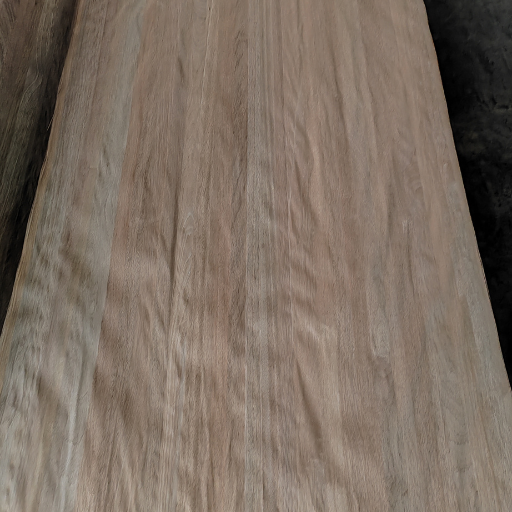
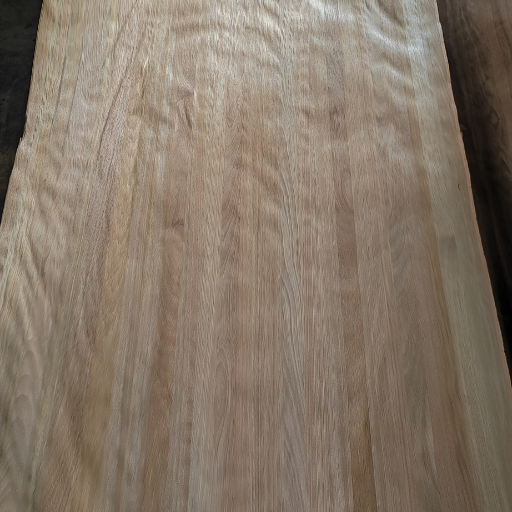
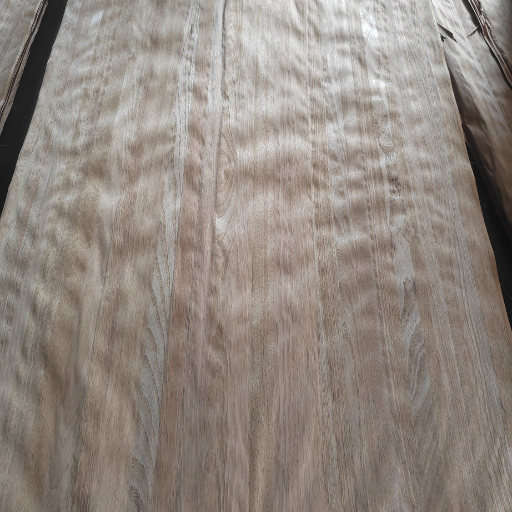
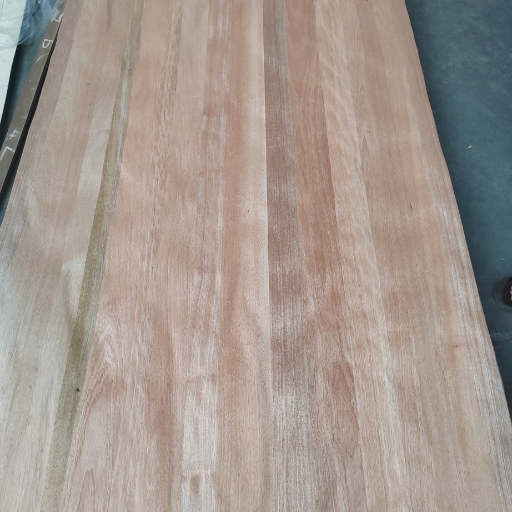
Swintonia Engineered Wood Veneer
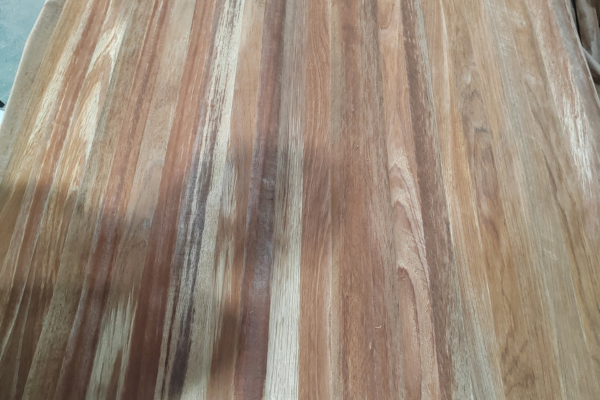
Discover the next generation of wood surfacing with Swintonia Engineered Wood Veneer. Meticulously crafted to deliver flawless consistency and superior performance, our Swintonia veneer offers the rich, warm aesthetic of exotic hardwood with enhanced stability and environmental responsibility. It’s the perfect solution for architects, designers, and manufacturers seeking predictable beauty and reliable quality for any project, from large-scale architectural installations to bespoke furniture pieces.
Key Characteristics of Swintonia Engineered Wood Veneer
The consistency and durability of Swintonia Engineered Veneer make it the ideal choice for a wide array of applications where uniformity and quality are paramount.
Consistent Quality
Offers uniform grain patterns and color consistency across all sheets, ensuring a flawless finish for any project.
Sustainability
Made from fast-growing, sustainable wood species, providing an eco-friendly alternative to rare exotic woods.
Versatility
Suitable for a wide range of applications, including furniture, cabinetry, architectural millwork, and interior design.
Customizable Options
Available in various thicknesses, backing types, and finishing options to meet specific project requirements.
Technical Specifications for Swintonia Engineered Wood Veneer
| Specification | Details | |||
|---|---|---|---|---|
| Product | Swintonia Engineered Wood Veneer | |||
| Composition | Made from rotary-peeled, dyed, and laminated layers of common, fast-growing wood species (e.g., Poplar, Ayous). | |||
| Grain Pattern | Uniform, straight-grain (quarter-cut) or flat-cut appearance, free of natural defects, knots, or voids. | |||
| Standard Sheet Sizes | 4' x 8' (1220mm x 2440mm). Custom sizes are available upon request to minimize waste. | |||
| Standard Thickness | 0.5mm - 0.6mm. Custom thicknesses are available based on project requirements. | |||
| Backing Options | - 10mil Paper-Backed: Ideal for flexibility and standard applications. | |||
| - Wood-on-Wood (2-ply): Provides maximum stability and a premium feel. | ||||
| - Phenolic-Backed: Offers superior moisture resistance and rigidity. | ||||
| Finishing Options | Supplied unfinished and pre-sanded. Ready to accept stain, lacquer, varnish, or oil to meet any design aesthetic. | |||
| Color Consistency | Excellent color and grain uniformity from sheet to sheet and batch to batch, ensuring a consistent final look. |
Applications for Swintonia Engineered Wood Veneer
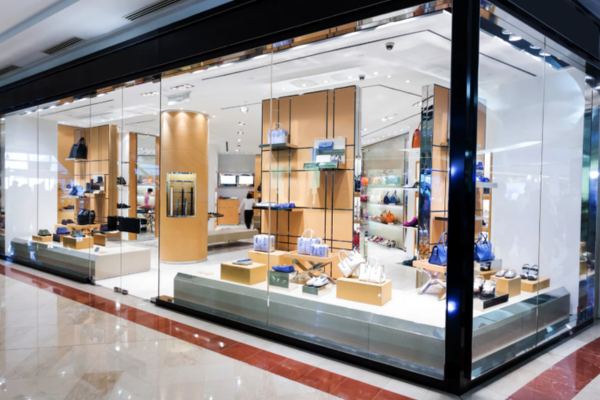
- Architectural Millwork: Perfect for large-scale wall paneling, reception desks, and feature walls in hotels, corporate offices, and retail spaces where a consistent look is crucial.
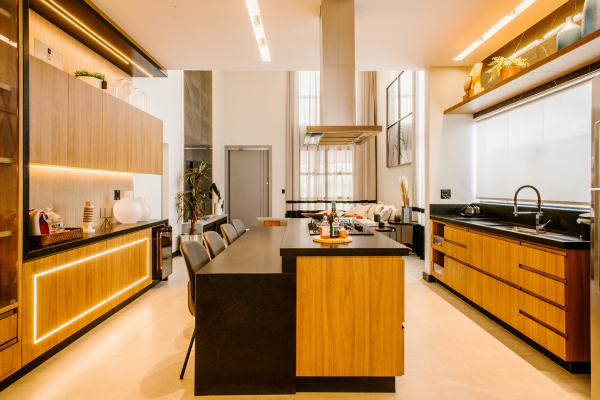
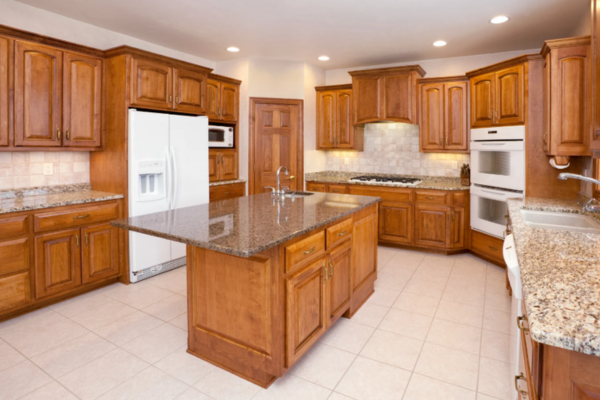
- Custom Cabinetry: Delivers a sleek, uniform finish for modern kitchen cabinets, bathroom vanities, and high-end storage systems.
- Furniture Manufacturing: Ideal for casegoods, tabletops, and bedroom furniture, providing a flawless surface that enhances modern and minimalist designs.
- Retail and Hospitality: Creates a sophisticated and cohesive brand environment in store fixtures, bar fronts, and hotel headboards.
Why Choose Us for Your Swintonia Engineered Veneer Supply?
When you choose our Swintonia Engineered Veneer, you’re investing in more than just a product; you’re partnering with a team dedicated to excellence.
Uncompromising Quality
Our veneers undergo rigorous quality control to ensure every sheet is free from defects and meets the highest standards of color and grain consistency. We guarantee a premium product you can rely on.
Commitment to Sustainability
We are dedicated to responsible sourcing. Our engineered veneers are crafted from fast-growing, sustainable wood species, maximizing resource efficiency and providing an eco-friendly alternative to rare exotic woods.
Expert Customer Support
Our team of veneer specialists is here to support you at every stage. From providing technical data and selecting the right product to offering application advice, we are committed to helping you achieve your design vision.
Reliable Inventory
We maintain a robust inventory to ensure your project stays on schedule. Get the materials you need, when you need them, without delays.
Frequently Asked Questions (FAQs)
Still have questions? Our team is here to help. Reach out to us anytime, and we’ll make sure you get the answers you need.
What makes Swintonia Engineered Wood Veneer different from natural wood veneer?
Swintonia Engineered Veneer is manufactured by laminating dyed layers of fast-growing, sustainable wood species. This process creates a veneer with a perfectly consistent grain and color, free from the natural defects like knots or mineral streaks found in natural veneer. While natural veneer offers unique, one-of-a-kind patterns, our engineered veneer provides predictable beauty, which is ideal for large projects requiring a uniform look.
Is Swintonia Engineered Veneer real wood?
Yes, it is. It’s made from real wood that is processed and reformed to achieve a consistent appearance. You get the warmth and texture of wood with the added benefits of modern engineering.
What is the best way to install this veneer?
For best results, we recommend using a high-quality veneer adhesive applied to a smooth, clean, and stable substrate like MDF or particleboard. Proper pressure should be applied across the entire surface to ensure a strong bond without air pockets. For specific installation guidance based on your project and backing type, consult our technical data sheets or contact our support team.
How do I clean and maintain surfaces with Swintonia Engineered Veneer?
Maintenance is simple. You can clean the surface with a soft, lint-free cloth, either dry or slightly dampened with water. Avoid using abrasive pads, harsh chemicals, or ammonia-based cleaners, as they can damage the finish. Treat it with the same care you would give any fine wood furniture.
Can I customize the look of my Swintonia veneer?
Absolutely. Our engineered veneer is supplied unfinished and pre-sanded, ready for you to apply your choice of stain, oil, lacquer, or varnish. This allows you to match your project’s exact design specifications while benefiting from the veneer’s consistent base.
How does using Swintonia Engineered Veneer benefit the environment?
This veneer is a highly sustainable choice. It is crafted from common, fast-growing wood species, which reduces the demand for rare or slow-growing hardwoods. The manufacturing process also maximizes the yield from each log, making it an efficient and responsible use of natural resources.