
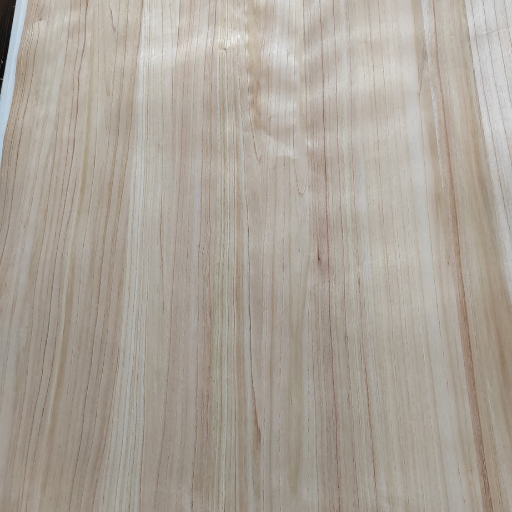
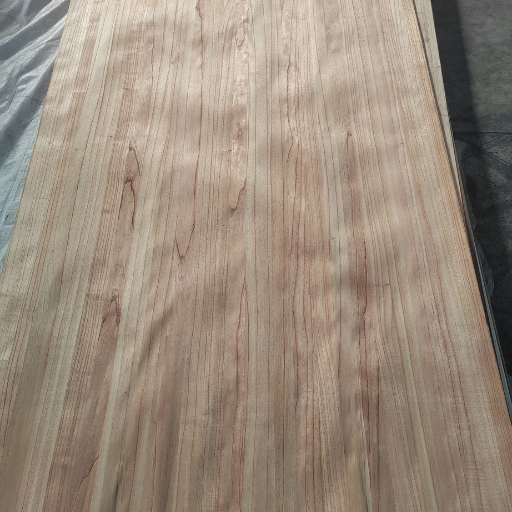
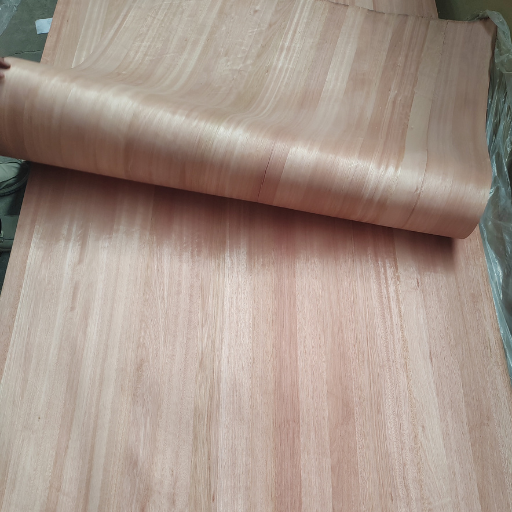
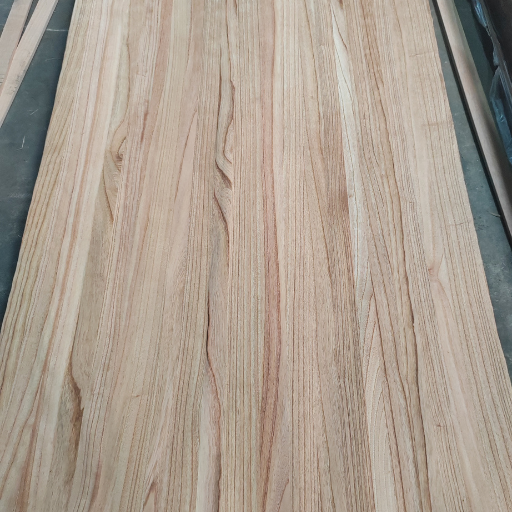
Chinaberry Natural Wood Veneer
Chinaberry Natural Wood Veneer is a distinctive material prized for its unique aesthetic and workability. Derived from the Melia species, this exotic hardwood offers a compelling alternative for professionals seeking a visually interesting material for specialty applications. Its pronounced grain and rich color profile make it a standout choice for high-end furniture, decorative panels, and custom interior projects, providing an appearance that is both striking and refined.
Distinctive Characteristics of Chinaberry Wood
Chinaberry wood is valued for its unique visual properties and workability, making it suitable for projects requiring an exotic aesthetic with practical fabrication characteristics.
Color and Appearance
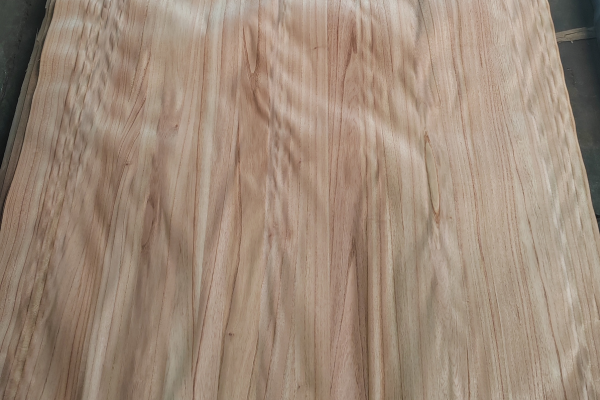
The wood displays a natural color progression from light pinkish orange to a deeper reddish brown upon prolonged exposure to light. This dynamic color shift adds visual interest over time, making it ideal for applications where material aging enhances design intent.
Grain Structure
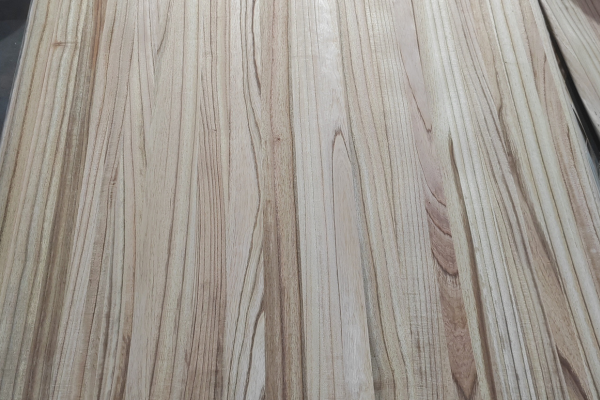
Chinaberry typically presents a straight grain, though occasionally interlocked patterns introduce additional texture complexity. The coarse and uneven texture, combined with large pores, creates a tactile surface that distinguishes it from finer-grained hardwoods.
Natural Luster
A pronounced natural luster is characteristic of chinaberry, providing a reflective quality that enhances finished surfaces even without heavy coating applications. This inherent sheen reduces finishing requirements in certain design contexts.
Technical Specifications for Chinaberry Natural Wood Veneer
| Specification | Detail |
|---|---|
| Processing Method | Sliced Cut / Splicing Veneer |
| Color | Red |
| Applications | Suitable for plywood, MDF, HDF, particle board, and decorative wall panels. |
| Moisture Content | 12-18% |
| Thickness | 0.2-1.0 mm |
| Length | 2440 mm, 2800 mm, 3200 mm, 3600 mm |
| Width | 640 mm, 915 mm, 1220 mm |
| Veneer Grade | AAA, AA, or A |
| Origin | Africa |
Applications for Chinaberry Veneer
- Specialty Furniture: Used in custom table surfaces, cabinet door panels, and accent pieces where distinctive grain and color create visual focal points.
- Turning Projects: Suitable for decorative turning applications including bowls, handles, and architectural elements that benefit from the wood’s workability and luster.
- Decorative Inlays: Applied as accent strips or inlay borders in marquetry and fine woodworking where contrasting grain patterns enhance compositional complexity.
- Architectural Millwork: Specified for interior trim, paneling, and feature walls in residential or commercial spaces seeking natural material warmth with exotic character.
- Custom Cabinetry: Integrated into high-end cabinetry systems where the reddish brown tones complement other hardwood species or serve as primary visual elements.
Why Choose Us Chinaberry Wood Veneer?
Our commitment extends beyond supplying a product; we provide a partnership built on quality, reliability, and deep knowledge of exotic materials like Chinaberry wood. We focus on ensuring your project’s success from sourcing to final application.
Uncompromising Quality in Exotic Species
We implement a rigorous selection process, ensuring each Chinaberry veneer sheet meets our high standards for grain, color, and structural integrity. Our specialized grading for exotic woods guarantees visual consistency, so the material you receive aligns perfectly with your design vision.
Reliable Sourcing and Supply Chain Management
Navigating the complexities of sourcing specialty woods is our expertise. We maintain a managed inventory and established supply networks to ensure consistent availability and timely delivery for projects of any scale, safeguarding your production timelines.
Dedicated Technical and Project Support
Working with a unique material like Chinaberry can present new challenges. Our expert team acts as your partner, providing guidance on best practices for fabrication, finishing, and application to ensure you achieve optimal, high-quality results.
Frequently Asked Questions (FAQs)
Still have questions? Our team is here to help. Reach out to us anytime, and we’ll make sure you get the answers you need.
What is the natural color of chinaberry wood?
The color ranges from a light pinkish orange to a deeper reddish brown. The wood will naturally darken over time with exposure to light, enriching its hue.
Is chinaberry considered a hardwood?
Yes, it is a medium-density hardwood known for its durability in furniture and other interior applications.
Does the grain have a unique pattern?
The grain is typically straight but can be occasionally interlocked, which adds to its distinctive character. It has a coarse texture due to its large pores.
What is the best way to finish this wood veneer?
Chinaberry finishes well. For a perfectly smooth surface, it is recommended to use a grain filler to even out its large pores before applying a final topcoat or lacquer.
How does its price compare to other exotic woods?
The price for chinaberry is generally considered moderate for a specialty or exotic wood, making it an accessible option for adding a unique touch to a project.
Is chinaberry a sustainable material?
Yes, it is often regarded as a sustainable choice. The tree grows quickly and is widely available. Utilizing it can be part of a responsible forest management strategy.