
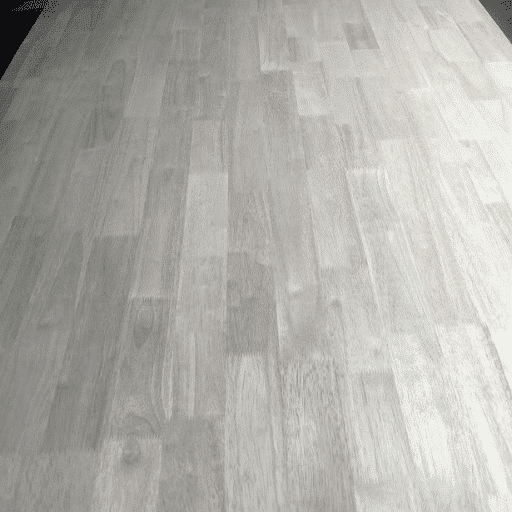
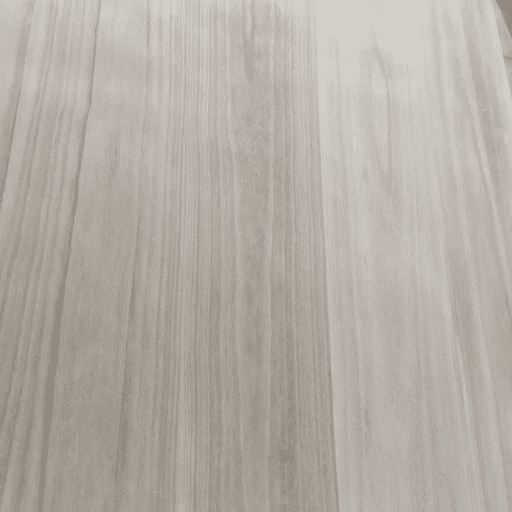
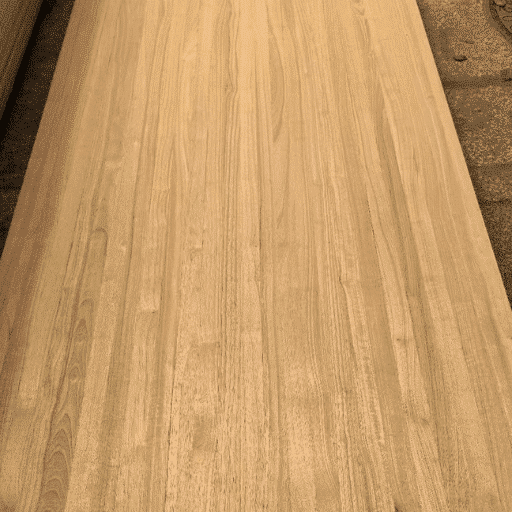
Rubber Wood Natural Wood Veneer
Our Rubber Wood Natural Veneer offers exceptional value as an eco-friendly material that combines warmth, durability, and versatility for any project. Sourced from rubber trees at the end of their latex-producing lifecycle, this veneer repurposes wood that might otherwise go to waste. With its light, creamy color, straight grain, and excellent workability, it’s a top choice for furniture makers, designers, and builders seeking a sustainable and cost-effective alternative to traditional hardwoods.
Key Characteristics of Rubber Natural Wood Veneer
Rubber Wood’s unique combination of affordability, durability, and sustainability makes it an excellent choice for a diverse range of interior applications.
Sustainability
Rubber wood is an eco-friendly material, sourced from rubber trees at the end of their latex-producing lifecycle, promoting sustainable forestry practices.
Durability
Known for its moderate density and stability, rubber wood veneer resists warping and cracking, making it suitable for long-term use in various applications.
Versatility
Compatible with a wide range of finishes, including stains, oils, lacquers, and paints, allowing for customization to match any design style.
Cost-Effectiveness
Provides the look and feel of hardwood at a fraction of the cost, making it an economical choice for high-quality projects.
Technical Specifications for Rubber Wood Veneer
| Specification | Details |
|---|---|
| Product | Natural Rubber Wood Veneer (Hevea brasiliensis) |
| Origin | Sustainably harvested from managed rubber tree plantations in Asia. |
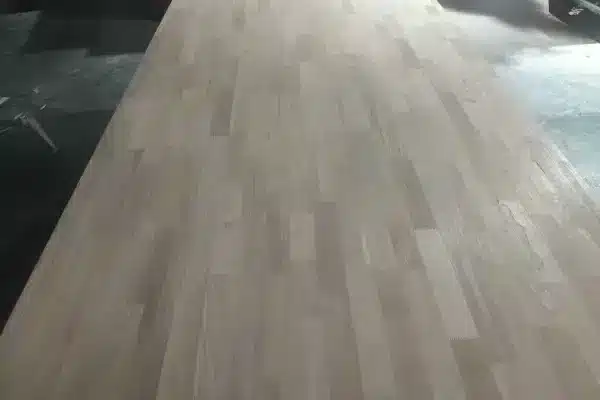
| Color & Grain | Light blonde to pale cream color with a generally straight, clear grain. May have subtle variations. |
| Cut | Primarily Sliced Cut or Rotary Cut. |
| Standard Sheet Sizes | 4' x 8' (1220mm x 2440mm). Custom sizes available upon request. |
| Thickness | Standard 0.5mm - 0.6mm. Other thicknesses from 0.2mm to 2.0mm available. |
| Backing Options | Paper-backed, Wood-on-Wood (2-ply), Phenolic, and Peel-and-Stick (PSA). |
| Finishing | Unfinished (raw). Exceptionally receptive to stains, oils, lacquers, and paints. |
| Moisture Content | 8-12%, ensuring stability and reducing risk of warping or cracking. |

Applications for Rubber Wood Natural Wood Veneer
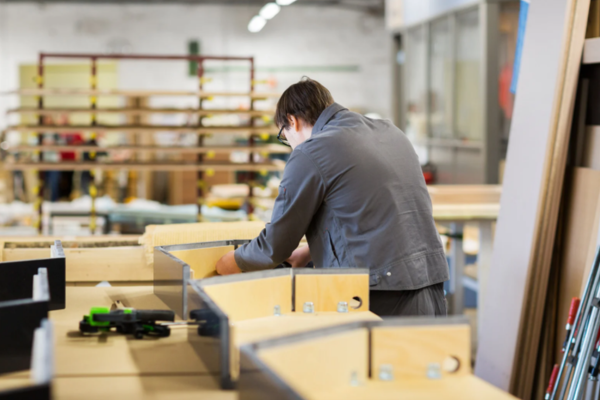
- Furniture Manufacturing: Perfect for creating cost-effective and durable tables, chairs, bed frames, and case goods.
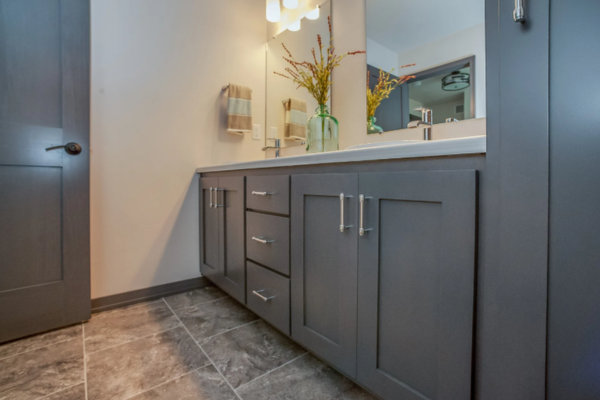
- Kitchen & Bath Cabinetry: Its stability and moisture resistance make it a reliable choice for kitchen doors and cabinet boxes.
- Architectural Millwork: Ideal for wall panels, doors, and fixtures in both residential and commercial spaces.
- Toys and Children’s Products: A safe, non-toxic, and durable material for high-quality children’s toys and furniture.
Why Choose Us for Your Rubber Wood Natural Wood Veneer?
We are your premier source for high-quality, sustainable Rubber Wood Veneer, backed by our commitment to excellence and customer satisfaction.
A Leader in Sustainability
Our Rubber Wood Veneer is a byproduct of the rubber industry, promoting a circular economy and preventing waste. By choosing our veneer, you are making an environmentally responsible decision that supports sustainable forestry.
Unbeatable Quality and Value:We deliver a high-quality
We deliver a high-quality hardwood veneer at a fraction of the cost of traditional options like oak or maple. Our veneer provides excellent durability and a beautiful, consistent appearance, ensuring you get the best possible value for your investment.
Expertly Processed for Stability
Our rubber wood is carefully dried and treated to enhance its stability and resistance to decay. This meticulous process ensures our veneer is less prone to warping and cracking, providing a reliable material for any indoor application.
Customization and Flexibility
We understand that every project is different. We offer a range of sizes, thicknesses, and backing options, including peel-and-stick for easy application. Our team is ready to help you find the perfect specification for your needs.
Frequently Asked Questions (FAQs)
Still have questions? Our team is here to help. Reach out to us anytime, and we’ll make sure you get the answers you need.
What exactly is Rubber Wood Natural Wood Veneer?
Rubber Wood Veneer is a thin slice of real, solid wood harvested from the Hevea brasiliensis, or rubber tree. These trees are used for veneer after they have completed their lifecycle for producing latex. This makes it a highly sustainable and eco-friendly material.
How do I care for and maintain surfaces with Rubber Wood Veneer?
Maintaining rubber wood veneer is straightforward. For daily cleaning, simply wipe the surface with a soft, damp cloth. Avoid using harsh chemical cleaners or abrasive scouring pads, as they can damage the wood’s surface or finish.
Can you stain rubber wood veneer?
Absolutely. Rubber wood is known for taking stains and finishes exceptionally well due to its light color and tight grain. You can easily stain it to match other woods or to achieve a specific color for your design project.
Is rubber wood veneer a good choice for outdoor projects?
No, rubber wood veneer is not recommended for outdoor use. Like many hardwoods, it is susceptible to moisture damage and decay if exposed to the elements without a specialized and diligently maintained exterior-grade finish. It performs best in indoor environments.
How do I install rubber wood veneer?
The installation method depends on the backing. For a peel-and-stick (PSA) veneer, you should ensure the surface is clean, dry, and smooth, then simply peel off the liner and apply firm pressure across the entire sheet. For paper-backed veneer, you’ll need to use contact cement, applying a coat to both the back of the veneer and the surface you are covering. Allow the cement to become tacky before carefully pressing the two together.
What makes rubber wood veneer an eco-friendly choice?
Rubber wood’s primary environmental benefit is that it comes from a repurposed source. Rubber trees are grown for about 25-30 years to produce latex. Once their latex production declines, the trees are harvested for their wood, which would otherwise be destroyed. This process gives the tree a second life as a valuable lumber product and makes room for new trees to be planted, creating a sustainable, cyclical system.