
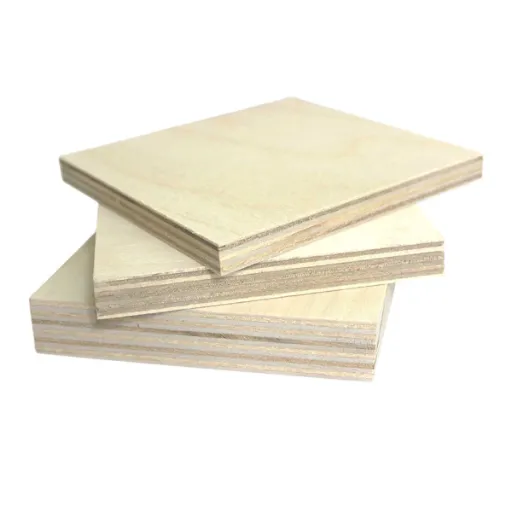
18mm Plywood: A Comprehensive Overview of Hardwood Plywood Sheets
One can never underestimate the importance of plywood in the construction industry, interior design, and woodwork. Out of a rich collection of plywood, 18mm plywood made up of hardwood clusters is effective for several purposes. It has superior strength, is very durable, and at the same time is very beautiful. For these reasons and others, there is no denial to the fact that the concern 18mm hardwood plywood is enjoying highly popularity. This content focuses on the salient features and benefits of 18mm hardwood plywood sheets and situates their deployment. Be it a professional or an amateur designer. Of utmost importance is the exploration of the limits of the subject material in order to be successful.
Introduction to 18mm Plywood
What is 18mm Plywood?
Laminated wood twenty millimetres thick, worked out in slices of hardwood and glued together with a super-adhesive for its structure, is one of the engineering products called 18mm plywood. Each one of the glued layers has grains arranged in the opposite direction of the neighboring layer, and such an arrangement is referred to as cross-plaining. Such a design increases the capacity of the plywood to withstand loads, stabilize, and does not crack or crumble under pressure.
The depth of 18 mm is perfectly suitable for construction applications through which robustness and toughness are key. This thickness is widely extended in use for making up of furniture, cabinets, floors, and similar constructions, as its weight bearing capacity does not lead to sag over prolonged periods of time. Also, its evenly smooth surface is conducive for laying out decorative lamination or veneers providing functional as well as decorative dimension.
In most cases, plywood of this type is made from high-quality hardwood species like birch or poplar to ensure the density and strength of the core. Its production also conforms to various industry regulations and standards to make sure the quality is consistent. Due to these features, 18mm plywood has become the favorite in both residential and commercial structural requiring the highest precision and durability.
Significance in Construction and DIY Projects
Owing to its pleasing aesthetics and unique characteristics, 18mm plywood is why it is extensively applied in construction and other activities. As it has a stable construction, it has been applied in areas where there is significant support, for example in floor, roofing and walls. Due to its numerous layers, such a plywood does not bulge or fall out easily, hence assists in maintaining its shape when even lots of pressure is applied or adverse conditions in place. Consequently, it is for this these types of plywood are commonly used in commercial constructions or the making of fanciful pieces of furniture.
Therefore, using 18mm plywood is usually common in people who love making their own items. It has an allowance of being freely cut, drilled, sanded, and final formations are also possible i.e. plain or themed designs for a number of projects ranging from shelving units to cabinetry. The smoothness of the sheet makes it great for painting, veneering, and even laminating, and customizing by painting or applying film plys to the interior or exterior part of the wood is very easy. In addition to that, it comes with an even layer of density, which helps in ornamental detailing, and that is recommended for making beautiful and original items.
Moreover, this kind of plywood is also popular because it is environmentally friendly in which various manufactures attempt to adhere to sensible forest management and permissible levels of formaldehyde content. Such properties also minimize its carbon footprint and guarantee air quality indoors, which is especially important in homes. Be it for construction purposes, or enhancement of one’s interior, hardwood plywood which is 18mm in thickness is a premium material in the course of a need for stable and functional materials.
Applications of 18mm Plywood
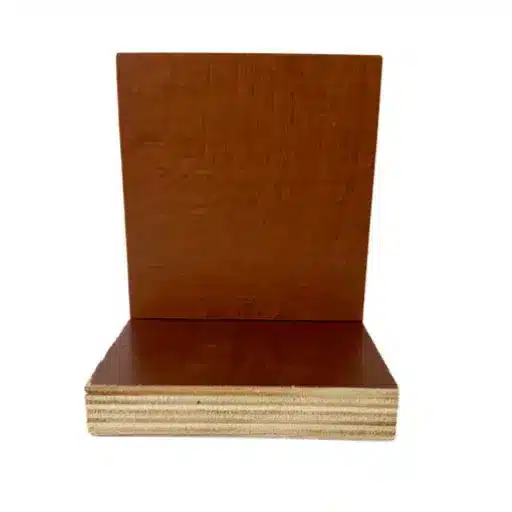
Common Uses in Various Industries
- Construction and Building:Plywood is very common in the construction industry as it is very stable and strong with 18mm plywood being no exception. The flooring, roofing and wall sheathing are among the structural industries where it is majorly used. Scaffolding and concrete formwork can also be used – for this purpose,18 mm plywood is effective due to the loads it can carry and its dimensions.
- Packaging and Boxes:The furniture sector makes very good use of 18mm plywood for its main reason is so as to make furniture that is hard wearing and visually appealing. This is because it possesses a smooth surface and finishes easily; therefore it is mostly found in the making of cabinetry, tables, closet systems, or shelves.
- Mobility Industry: Since the strength to weight ratio of this plywood is good and the plywood is used to build floors, walls, and even partitions of trucks, trailers, and vans, they are also made for retardation and some floor suspension vibrations. Whichever surface is used, the plywood is appropriately functional for this task as it is quite strong and yet not a heavyweight which makes it favorable to use in the convenience of all these moving vehicles without endangering their integrity.
- Interior Space Decoration: For interior uses, the standard thickness of 18mm plywood is most commonly used for fancy wall panels, ceiling boards and fitted units. It can be veneered or coated which brings out interesting design options and at the same time serves its function as a stable and clean surface.
- Packing and Crating: 18mm plywood is often employed in heavy packings, specifically boxes and pallets, for it is both hard-wearing and economical. Its strength can bear load pressure and force, so it is very efficient in protecting merchandise when being transported.
Marine Plywood Applications
This section briefly describes marine plywood and how it can be used in different applications. Marine plywood refers to a type of wood, which is used for areas, which are likely to be constantly wet or exposed to the elements more than usual. Besides being highly resistant to rotting and remaining very strong, marine plywood has other added advantages and is consequently used in a wide variety of water-based applications. Some of the most common uses of marine plywood are as follows.
- Boat Manufacturing: Marine plywood was and is still most in demand for the construction of small rowboats, luxury boats and their like. It offers extensive performance even in the most challenging of an exact marine environment by preventing warping and ingress of water. In addition, one can mold and sharply cut advantage unlike suspected without losing the finished products’ sharp coastline profile.
- Construction of Docks and Piers: Being able to take constant wetting and changes in temperature, Marine Plywood is popular among all dock decks, piers, and other marinas on water. It helps significantly because of the ability to keep the construction’s geometry intact even at such heavy loads.
- Bathroom Furnishing and Fit outs: Marine grades of plywood are further instruments of interest, particularly in moisture-prone indoor environment. It includes bathrooms, or kitchen areas as they need plywood for cabetry or floor and cupboard. The problem is many contribute to unnecessary increase in weight and volume of the saya.
- Wall Panels for Exteriors – Durable materials:Another application of Marine grade plywood is the making of wall panels located on the outside walls of any building structure. This building material is very useful, for example, in areas, where it usually rains or regions with high humidity. This preemptive strategy involves high performance and avoids water or liquid penetration for a long period of time into the structure.
- Bespoke Garden Furniture: Marine plywood is the ideal choice for the construction of structures comprised of different weather resistant materials such as benches, tables or seats. This is because marine plywood is weather resistant, thus reducing wear against environmental and climatic conditions such as rain and humidity. Its surface is also easily finished to produce most attractive and eye catching functional furniture.
- Standing soil based solutions:: How many options are there for a table made out of 18mm plywood and two containers on wheels, or four of some other type? New steel shelving with removable / adjustable shelf comes with a range of colors and finishes.ennial vegetable production involving hedge rows should also be highlighted as an alternative. User also agrees that the maximum average weight capacity for each level will be 800 lbs and should not exceed the floor weight capacity of the shelf system and support structure so as not to exceed human ergonomic capabilities.
The durability and the ability of marine plywood to accommodate moisture and strength makes it suitable for use in every industry that needs works with these characteristics be it traditional maritime or new construction and design projects.
Furniture and Cabinetry
Because of its strength, resistance to water and several other reasons, marine plywood finds a great deal of application for making furniture and cabinets. For instance, cupboards and other furniture made of plywood have several advantages when used in places that are humid or have extreme weather. In this article, the few cases are going to be given to explain why people prefer the use of marine in making furniture and cabinets.
- Kitchen Cabinets: They are made from this material in many cases because of its advantage in the naked eye that does not swell in water and therefore retains so much structural integrity even within humid and hot kitchens.
- Bathroom Furniture: Another prime example is decorative vanities which can be made from this material because it is as water resistant as timber and hence able to cope open space bathrooms where there will be a lot of steam and water will not be able to destroy the vanity aggressively or cause any disfigurement.
- Garden Tables And Chairs: Cold climates don’t go well with furniture like a comfy patio table, bench, or perhaps chairs fabricated in timber, trimmed in whatever frills they please – reasons calling for the use of any marine plywood.
- Storage: In garages or basements, or any enclosed areas with high humidity, storage units are built with the help of marine plywood, as it helps offer secure and long-lasting internal containment.
- Paneling:Marine plywood is smooth and allows for excellent finishing, particularly ideal in the construction of decorative wall panels as well as modern furniture components for an enhanced functional appeal.
Incorporating moisture resistance, weight and a useful surface lining, marine plywood, in some size as thick as 18mm plywood or more, continues to remain a key material almost for all ware and fancy wood-work.
Benefits of Using 18mm Plywood
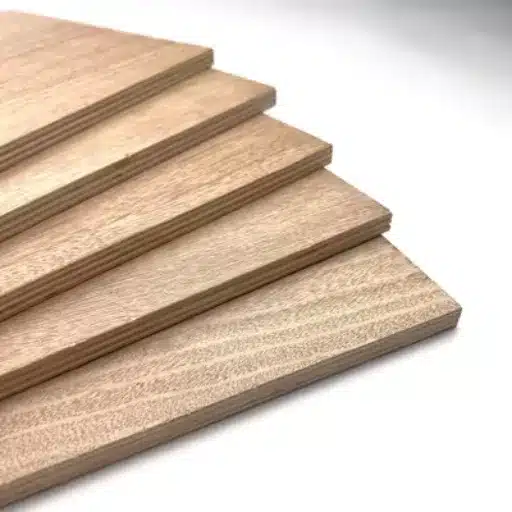
Durability and Strength
18mm plywood is very strong and can easily withstand hard conditions. The usage of such material is therefore justified for the most extreme circumstances. Here are the reasons why it is so suitable in these cases:
- More geometry means additional strength: The thing is that 18mm thickness is achieved by laminating multiple slim sheets in their grain opposite each other. The grain structure reduces the tendency of the plywood to warp due to weight load, cutting, and splitting.
- High Volume Glue Technologies: All layers are high pressured glued together with heavy duty adhesives, making the panels far harder. Consequently, even within extreme working conditions, the plywood absorbs no deviations or loses accuracy in performance.
- Durability: Thicker and even more durable than this is 18mm plywood, which is resistant to friction injuries, continuous impact and pressing that it is often worn in flooring furniture and construction of frames.
- Capacity of Load-Bearing: Measuring a full eighteen millimeters, plywood can withstand giant loads without significantly giving in since it also boasts of load bearing properties. Studies also indicate that it is more than fifty percent better in load distribution than thinner plywood.
- Lasts Long in Many Places: Fluctuations in the temperature and moisture do not affect the performance of 18mm plywood. This is increased by replacing the plywood with stronger variants such as marine and moisture plywood for the extremes.
These qualities of 18mm plywood allow it to be a recommended material for use in high strength applications constructing and performance where excessive work of machine is not experienced.
Moisture Resistance
- Araldite: Water-resistant plywood products often make use of Araldite, as even in the presence of moisture, most weather-resistant adhesives generally retain their adhesiveness.
- Water-proofing uses: The application of a water-proof coating or silicone to the surface of the plywood ensures that water does not leach into it and makes it more resistant to water damage for extended periods of time.
- State of the art in core layers: High quality cores are used in manufacturing for the prevention of such voids where water may enter or form and make the whole material less inhomogeneous in its action.
- Descriptions for Marine Plywood: The thickness of marine grade 18mm plywood is produced to such specifications as BS 1088, which documents severe water-proof testing requirements, as where the material has to be boiled for some time without getting damaged.
- Inhotonic Floats: Moisture changes do not significally affect the dimensions of 18mm plywood, as there isn’t enough scope for meaning swelling and warping. Due to the arrangement of layers and use of glue, which is applied in between the layers, such plywood can withstand a lot of strain through thick and thin.
Cost-Effectiveness Compared to Other Materials
Compared with many other construction materials 18mm plywood has a large cost advantage because it’s flexible, long lasting and able to perform under a wide range of environmental conditions. Five of the most significant examples include:
- Cheaper Material: The cost of high quality, efficient and solid structures use is reduced when 18mm ply wood sheet is used instead of solid wood. For the same purpose, solid wood panels are 30-50% more expensive than the ones made of plywood.
- Low Effluent: The standard size of a plywood sheet helps limit the amount of materials wasted during the cutting or installation process. This efficiency translates into cost savings especially in large scale projects whereby optimum use of materials in any given fabricated component is paramount.
- Less Cost in Terms of Labor: Being lighter than concrete and wood, plywood can be easily carried in constructions reducing quite a hefty amount of labor costs as much of the time and energy is spent in the installation of the component. Installation within shorter periods can help reduce considerable labor costs.
- Durability and Upkeep: Since it can resist warping or cracking and remains stable in all environments, high quality 18mm plywood and more so the marine grade one does not need frequent replacements or repairs. In the course of a given project, this reduces the overall costs drastically.
- Flexible Use in Different Functions: Plywood can be utilized for many structural or decorative purposes, including making floors or furniture. Such flexibility minimizes the need to find and purchase particular materials, thus further optimizing the acquisition process and incurring lower costs.
Cost and performance are two factors that help to strike a balance leading to 18mm plywood still being a viable construction material and design option against other types of materials that are significantly more expensive.
Comparing 18mm Plywood with Other Plywood Sizes
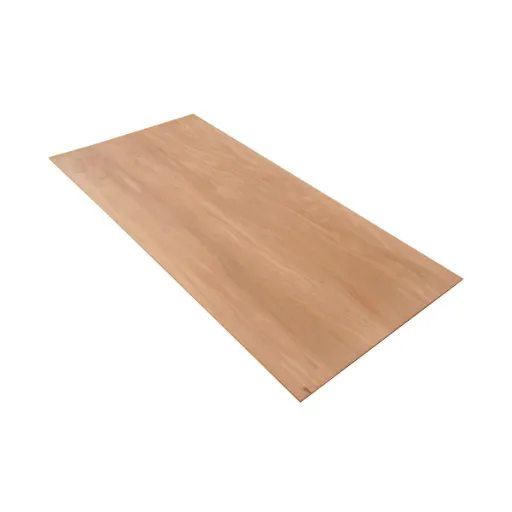
When to Choose 18mm Over Other Thicknesses
As I’m planning for types of plywood to use for the work, there’s no question that 18mm plywood should be considered whenever consideration on strength and longevity is important. This is simply because 18mm plywood is almost built in terms of strength meaning it is safe to say that thinner plywood sheets will not work effectively in other load-supporting applications, such as floor boards, cabinets, and even wardrobe shelves in question. Besides that, everyone understands that 18 millimeter thickness provides an effective compromise between light weight and stiffness; the structure becomes even more steady without excessive difficulty in handling or fitting.
In addition, There are also circumstances where 18mm plywood is better selected than other thinner boards if one includes the edge visibility within the design. Thickness makes it easy to finish off the edges cleanly with applications like veneer covering or sanding unlike thin sheets
which tend to have rough edges. And asides her aesthetics and strength, another advantage of 18mm plywood is that its thickness provides more allowance for the screw to grip the material and there is less chance of splitting during the joining process which is very important in carpentry and heavy duty fastening applications.
Moreover, where soundproofing or thermal saving is an issue, 18mm plywood whose thickness is advantageous is recommended. The product is of high density and can serve as an insulator over thinner plans. Perhaps those are some of the reasons why even when building rooms with or without partitions but still aiming to clean out and create the desired acoustic balance installation of for example 18mm plywood may pass as advantageous over any other thickness. Anyway, I find it to be the most useful for work that needs to take in a lot of weight, with it being strong, practical and hard wearing, such work includes 18mm plywood.
Pros and Cons of Different Plywood Thicknesses
Thicker plywood offers greater strength and durability, while thinner plywood is lighter, more flexible, and cost-effective for specific applications.
|
Key Point |
Thicker Plywood |
Thinner Plywood |
|---|---|---|
|
Strength |
High |
Moderate |
|
Durability |
Long-lasting |
Less durable |
|
Flexibility |
Low |
High |
|
Weight |
Heavy |
Lightweight |
|
Cost |
Higher |
Lower |
|
Applications |
Structural, flooring |
Decorative, panels |
|
Moisture Resistance |
High |
Low |
|
Workability |
Harder to cut |
Easy to shape |
|
Finish Quality |
Smooth, sturdy |
May require support |
|
Eco-Friendliness |
Often certified |
Varies |
Maintenance and Handling of 18mm Plywood
Best Practices for Storage
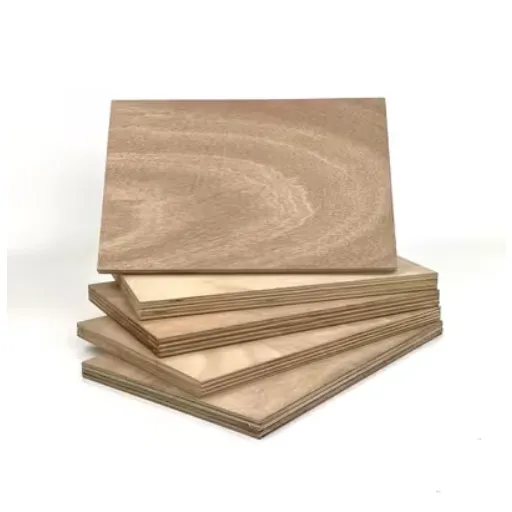
It is essential that particular attention is paid to the safe keeping of 18mm plywood in order to keep it strong and useful for an extended period of time. Plywood must be stored horizontally all the time so as not to bow or distort its shape. Providing stable structure with wooden battens standing approximately evenly under the sheet piles helps in weight distribution that prevents any point from getting stressed. In the event that it is not possible to store it horizontally, in the vertical position make sure that the edges of the plywood rest on a surface that supports them, so otherwise it will damage the boards by tipping over. Storage areas should be kept airy; providing ventilation especially helps, because with no ventilation there is a risk of moisture retention, which may affect the longevity of the material.
Polywood is a very special material allowing panels used for the flooring of ships and their furniture to be manufactured. When such surfaces are not kept clean and dry and when the relative humidity is excessive, this will very likely result in the swelling of boards or delaminating of boards. Hence, it will also, unlike extended rent periods, be recommended for renting a kept environment to avoid hot or cold drafts and changes in humidity. In case of external storage the mold proof plastic 18mm plywood all around the sheets and cover them with a sheet of waterproof tarpaulin. However, try to allow any air flow that can contribute to water build-up on the under surface.
Furthermore, do not store plywood in the open, where it is likely to be exposed to sun rays for long periods, which can affect the bonding glue used to its layers; this will minimize the strength over time. Every once in a while, it is recommended to clean up the storage area, in order to prevent unwanted dust and other particles – which will over time become abrasive – from building up. Do not allow contact of the sheets with chemicals, grease, or anything that may be corrosive as it will damage the surface or the substrate of the material. Considering the above stated storage methods, the life of 18mm plywood will be prolonged to sustain the levels of performance demanded by the applications.
Handling Techniques to Avoid Damage
It is important to handle 18mm plywood correctly in order to avoid any damage to its structure or a finished surface. The right stance is to always lift the board while carrying it instead of dragging on the floor or using the sides which may injure the corners or scratch the board. The proper or acceptable protective clothing should be used, for instance, gloves for better grip during transportation when necessary. To carry larger panels or sheets, more than one person or a hoist may be of use to ensure that no strains appear on the material or any parts of the body.
Moreover, ply should be stacked on a flat and even surface to avoid bending. Plywood has to be laid flat, and when more than one sheet is piled, battens or wooden spacers have to be provided between them in order to take the weight off each other and allow some air circulation. Do not overcrowd the pile as it will cause embossing or it will be very hard to pull the sheets out. In site operations, make sure there is nothing that would potentially puncture or scratch the material from the site’s working surface.
Caring for the environment is of utmost importance as well. Do not let the plywood become wet while being handled as this could result in the plywood swelling or delaminating. In cases when handling the same outside dry conditions is not possible, it is secure to use tarpaulin covers or any other waterproof covers for a short period of time till the material is stored inside. These unique handling skills enable the plywood to maintain its qualily and lastly its lifespan for the purpose for which it was obtained in the first place.
Long-Term Care and Maintenance Tips
Manufacturers recommend taking preventive steps to avoid wear and tear on the plywood in order to prolong its service life. This includes periodic checking of damage indicators such as swelling, cracking, and mould at early stages. Where present, it is prudent to refinish or recoat the relevant part immediately, and avoid the truancy of the status quo as damage could develop. In susceptible areas, marine materials treatment or waterproofing any seams and cuts can be effective because 18mm plywood basic treatments cannot suffice.
Controlling temperatures and humidity levels is of paramount importance in ensuring the lifespan of plywood. In most cases where external temperature variations are a challenge, it is recommended that time-temperature-management ensures the exposure is limited as joints will not suffer from tension expansion or compaction most of the time. Solar damage can be prevented by keeping the item shaded as much as possible out of direct sunshine.
Advise proper drainage system out of doors from standing water around a plywood. Otherwise supporting structures with proper ventilation are needed due to the risk of moisture built-up which brings about rot or mold in a few years. It will be preferable to have planned or regular maintenance such as bringing the surface to a seal every couple of years; Failure to do so will result in compromising structural and aesthetic aspects of the material.
If all these care guidelines are followed, and the environmental problems in which the plywood is being used are contained, then 18mm plywood will be able to fulfill its role in most applications and over time.
References
-
Physical and Mechanical Properties of Raj Koroi Plywood
Academia.edu – Raj Koroi Plywood Study
This paper examines the physical and mechanical properties of plywood, including 18mm thickness. -
Plywood from Oil Palm Trunks
Academia.edu – Oil Palm Trunk Plywood
This study discusses the production of thicker plywood, including 18mm, from oil palm trunks. - Click here to read more.
Frequently Asked Questions (FAQ)
Q: Could you define the term 18mm plywood and give a brief description of it?
A: 18mm plywood is a high-quality engineered wood product that is made by compressing thin layers of hardwood or softwood sheets facing each other with the grain of every adjacent sheet being perpendicular for maximum structural strength. Generalizations about products may usually include the dimensions of the sheet usually 2440mm by 1220mm and 18mm thick among other metric dimensions used for plywood boards. Its structural design is explained further along with its uses such as it could be modified into a floor or a floor inside a shed or into joinery. Hardwood Plywood sheet options, required retention of nails if included and where else it is advisable to utilize heavy gauge construction by the suppliers are also available.
Q: What other sizes are available for 8×4 sheets apart from 2440x1220x18mm 18mm plywood and what does the 8×4 feet proportion mean?
A: It’s common for plywood board sheets to come in the standard size of 2440mm x 1220mm, which means the panel is 2440mm long and 1220mm wide. However, some suppliers offer 2440mm or 1220mm identification in single dimensions or subsets. In some instances, it may also be valuable to offer metric dimensions, as it enables architects and artisans to use uniform values for CNC cutting or cutting to size cabinets, and other construction details.
Q: Will it be possible to cut 18mm thick plywood down to the required sizes and is it good for CNC work?
A: It is a practice that many suppliers or delivered to sites and still within practical limits cut 18mm thick plywood sheets into smaller pieces to the exact sizes required and it is usually almost always possible for 18mm thick plywood cut to sizes using table saws or CNC routers. Because of the construction of the panel and the layers of the timber, plywood is used as a material of choice in the CNC machining process and for joinery or pattern making where accuracy, similar items or complex items are involved. Remember to choose the correct blades and tools to avoid damage to the material and make smooth edges in really heavy or dressing up applications.
Q: Which is more effective in construction, plywood in 18mm thickness, MDF board, or a sizable lumber ship of 25mm?
A: When it comes to MDF, an advantage of using typical 18mm plywood is that it has better moisture tolerance, stiffness, and fastener holding. These attributes make it convenient for bearing loads and interference of elements or storage shelter projects for example. In comparison with a 25mm solid board, 18mm plywood is thinner, however, it is more dimensionally stable and fits large areas in the way of sheets – this is beneficial for cladding floors and laminated timber situations where there are large surfaces to cover without any breaks.
C: In terms of pricing for retailers and customer reviews, what should a woodworker scout for with 18mm plywood?
A: The cabinet shop pricing for every furniture manufacturer is formulated keeping basic principles common to the industry. They are compelled to investigate and verify the discounts and benefits from all wholesale companies. They place emphasis on the cost of the plywood-per-square foot, clipping machines, re-facing onsite, edges or face laminations and default backer boards. The ratings often comment about ease of driving nails, the actuality of the measurements in the metric system, or the presence of any delamination or veneer deformation – All vital aspects while purchasing sheets to make contemporary furniture.
Q: Does 18mm plywood work well for building things that take a lot of weight (Mouse pad sound absorbing uses are not considered.) Where there is heavy usage such as flooring or framing for a shed?
A: The use of 18mm plywood in structural applications such as underlayment, shed ground flooring, and non-load bearing wall sheathing is recommended for as long as its building code and structural load application load are not compromised. Wood suitable for heavy-duty and synthetic load-bearing frames should reference the performance of engineered wood, then thicker boards or take other structural actions to increase support. The long-term action of a project is also associated with stabilized components such as spacing or type of fixings or treatment of the sides.
Q: How its performance is characteristic according to the species and coatings of 18mm hardwood ply?
A: Hard woods in hardwood ply of 18mm may be sourced from different species such as oak, birch, maple or the like good for the core with a thin top layer of the veneer only. The extent of finishing can vary from sanded unfinished or lacquered finish faced or unobtrusive veneered to some other degree of furniture and joinery. All of these items will vary the degradation of the surface, the amount of sanding and refinishing that is required and the price. All of these options are important in the selection of the appropriate thickness of hardwood sheets when such items as trim, cabinets or panels that are exposed is of essence.
Q: Does the use of engineered and painted wooden construction techniques enhance the compressive strength of 18mm plywood?
A: Different patterns of tangible inner layers construction with each other serve to ease the amount of warping, as opposed to solid timber. Such layering of the plies confers more bending and shear strength over the similar monolithic members. Durability is a function of the used adhesive, the veneer appropriateness, and the sealing; it is worthwhile to use outdoor decks or treated decks to mitigate to wet or expiring caution situations.