

Wood Veneer Wall Panels: The Perfect Solution for Interior Spaces
To create a cozy interior, attention must be paid to every detail, and the wooden wall coverings have a great aesthetic appeal combined with practical and elegant qualities. Be it an artist’s loft or an office’s waiting area, these panels can magically suggest a theme of each space without a problem at all. This post will review the rise in popularity of wood veneer wall panels in the interior decor interior décor sector, looking at the advantages, uses, and other factors that make them unique and attractive to any part of a house.
Introduction to Wood Veneer Wall Panels
Growing Popularity in Residential and Commercial Spaces
Decorative patterns covered with wood veneer wall panels have become very appealing partly due to their many appealing attributes. In the case of the residential setting, they add warmth and in some cases a factor of attraction out of an ordinary wall. It is mostly in the living room, dining room or bedrooms that these panels are used, as it is the natural qualities of the material and its colors, that are able to beautify and highlight any space.
Wood veneer is also a designer’s construction element that is commonly used in public interiors. Wood veneer wall panels are typically found in office areas, retail trade outlets or hospitality facilities, embellishing the atmosphere in a contemporary way. They are not only functional by assuaging echoes, which is always a plus for any sound sensitive environment, but they also create that feel of going big.
The other very major reason for their fame is preservation associated with them. A majority of the wood veneer panels are manufactured with materials sourced from appropriately managed forests. Such wood veneer wall panels are environmental friendly and therefore a structural advantage to their users. It is for this reason that these panels are popular in home interiors as well as office designs.
Overview of Wood Veneer Benefits
It will be a remarkable benefit of wood veneer wall panels, and one that should not be underestimated. The mix of different layers of veneers gives an attractive look of layers, colours and patterns, hence creating a multitude of possibilities in using wood finishes for enhancing a space. The use of these types of panels has given room to a wide selection of styles which designers and other users can apply depending on their interests ranging from old-fashioned styles to contemporary ones.
One of the other notable benefits is that they are long-lasting. The wooden panels are made up of high-quality veneer that makes them resistant to deterioration and evenly adapt both in high-traffic business or crowded residential places. This is because, unlike solid wood, they are easy to install and handle without compromising power or quality since they are less heavy.
Wood veneer wall panels, ultimately, are also preferred for being green and sustainable materials. In fact, most brands are mindful of the environment and endeavor to use engineered wood and chemicals that are environmentally friendly. Thus, variations of veneer wood wall paneled structures, if extended in use, provide endless possibilities for creativity within the spaces. This is from the balance that the beauty and the function in them present, and finally the fact that they are fashionable, which makes their use to remain on the rise even in other applications in the interiors.
Benefits of Wood Veneer Wall Panels

Aesthetic Appeal and Design Flexibility
wood veneer wall panels have certain attractive characteristics that make them an ideal cladding material for use in both domestic and business environments. These features include the following five factors:
- Ideal Finish and Colors: The soft touch of the natural wood grain is brought about by the veneers, mosaics, patterns, and roughness on each panel interestingly. In this regard every wall is different, helping to augment a classy and ageless outlook.
- Suits All Types of PJoject: Homeowners and designers have the option of a large range of finishes, which could be either flat, glossy, or textured. For example, if one in interested in a minimalist look, it can easily be achieved.
- Many Different Trees to Choose From: Wood veneers contain every kind of wood species, from standard ones such as oak and walnut to more rare ones like teak and tigerwood opening new worlds of design to the designer.
- Additional Elements: Wood veneer panels can be customized to match any architectural layout or interior orientation. They create an uninterrupted surface that enhances the aesthetic appeal of the area.
- Going Green: Ignoring the fact that solid timber consumption results in the outflow of portion of natural resources and lush appearance, veneers optimally use timber.
All these arguments point towards the versatility and universality of wood veneer wall panels as they can be used in so many ways for different purposes without losing the attractiveness.
Durability and Longevity
There are few items of interior decoration that can claim to break one’s spirit, and wood veneer wall panels are certainly not among them, provided they are well-walleted and properly taken care of. Their construction and care for their use where technology meets form come into play in the following representations:
- No Warping and Cracking: Thanks to and engineered wood veneers, the wood tends not warp or crack as much as solid woods over time and so, the panels maintain their form and looks for long.
- Baring Coating: Premium-grade wood veneers are coated with lacquer or polyurethane for reinforcement. These top coats protect the surfaces from scratches, staining and moisture.
- A More Secure Bonding: With the development of newer adhesives, the surface, as in the veneer in this case, is strongly ferried onto the substratum, making it stable and reducing any chances of possible peeling.
- Little Maintenance: Simple cleaning and periodic reapplication of protective finishes is generally enough to keep the panels in good condition, which ensures long service life and low maintenance costs.
- Material’s sustainability: Most often veneer panels consist of engineered cores such as MDF or plywood that provide structural support and eliminate the problem of expansion and contraction faced by solid wood due to the changes in the environment.
All these factors illustrate how resilient the wood veneer wall panels are, making them more preferred and very sustainable for residential and commercial projects.
Sustainability and Environmental Impact
wood veneer wall panels are extremely sustainable and friendly to the natural environmental in many ways. The following are five of these green features in greater depth:
- Green Resource Management: Making wood veneers requires real wood but in the form of a veneer; by making the timber thinner, the material is stretched over more coverage. In comparison with solid wood, this method consumes very little material hence materials are used optimally.
- Minimized Waste Output: The production of veneer panels creates much smaller volumes of waste than its other wood counterparts. Through laboring thin wood in layers, one is likely to get rid of less scrap and consume the tree entirely.
- Incorporation of Engineered Cores: A great number of veneer panels employ engineered panels such as MDF (Medium-Density Fiberboard) or Plywood. This is primarily as they are made from waste wood and quick-growing species. In this way, reliance on natural forests is decreased, and forestry becomes more manageable.
- Decreased Emissions from Transportation: The creation of wood veneers used for interior and even exterior designs potentially causes less harm to the environment than producing other building materials like metal or plastic. Such a feature of wood is highly examined as a positive one since carbon dioxide trap happens because of the wood.
- Reusable and Durable: Veneer articles are especially designed to last long enough so that they do not require very frequent replacements. Besides, usually the components used have the possibilities of elimination as waste through recycling and this helps to reduce damage to the environment.
This in essence backs the whole vision of wood veneer wall panels being eco-friendly, and in turn sustainable by society today.
Installation Tips for Wood Veneer Wall Panels
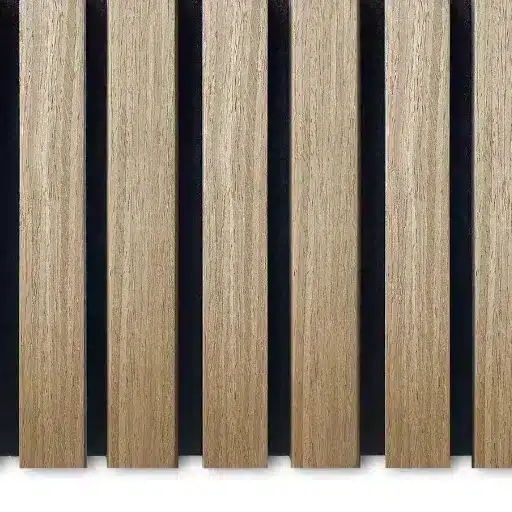
Preparation and Tools Needed
Before getting started with installing the wood veneer wall panels, it is important to have all the necessary tools in place and also to check if the working surface is ready for this process. First, make sure to thoroughly clean any dust, grease or old wallpaper off the wall surface to achieve a nice and uniform layer. Adequate preparation helps in preventing installation adhesion problems. Also, it would help to measure and mark wall space in advance so as to know how to apposition and fit the panels. Tools that are needed for the installation include:
- Measuring tape and level: Levels up the measuring and alignment accuracy.
- The utility knife or even a saw: For resizing of the panels.
- Nail or glue: For those who prefer to use glue or tacks strong glue and nails should be used to fix the pieces in place.
- Clamps and weights: For securing the panels while waiting for the adhesive to set.
- Sanding block / sand paper: To make the finished network edges smooth or to remove defects.
- Protection Equipment: When one is engaged in cutting and sanding, they should at all times wear gloves, safety goggles, and a face mask.
With the right tools and proper preparation of the surface, it is assured that the end product will look professional and will bring out the beauty of the wood veneer wall panels.
Step-by-Step Installation Process
- Ready the Surface of the Wall: First of all, you need to make sure that the wall where you intend to put wood veneer wall panels is clean. The wall has to be smooth and dry, and all dirt or any grease should be removed. You can also wash it with a wet cloth, and let it dry entirely as well. Fill and sand any holes or other defilements to ensure the surface is even. This provides the best adhesion and finish without flaws.
- Measure and Plan the Layout: Accurately measure the dimensions of the wall and establish the arrangement of the panels. Draw lines on the wall with chalk or pencil to indicate the positions and ensure the panels are in straight lines. Consider any other installations, like sockets or switches, while marking and cutting the panels, as they will affect the designs.
- Size the Panels: Trim the wood veneer panels with a proper knife or a toothed saw to the appropriate size. To prevent mistakes, always double – check your measurements before proceeding to cut. Edge the parts with sandpaper, or sanding block in case it is required to eradicate any burs or also to secure the sharp edge.
- Adhere the Panels: Focus on the edges and center then smear enough wood glue or premium construction adhesive at the back of the panel for the veneer wood. Overuse is discouraged as there are high chances of the glue spilling over when fitting the panel.
- Position and Secure the Panel: Align the panel with your reference marks and place it carefully on the wall. Press the wall cladding, wall panel against the wall. Clumps or weights could also be placed on the panel to ensure it does not stick out, more so while waiting for the adhesive cure. The curing time should be as per the manufacturer’s recommendation for the adhesive in question to ensure efficiency of the bond to be created.
- Edge Finishing: After the panels are all in place, the edges and seams should be investigated. When there are any high points, they should be sanded using an abrasive, and if there is a need, a wood filler can be smeared over the small voids and cracks. When all these bindings are done, the surface can be covered by a wood finish or a sealant so as to both preserve and make even more beautiful the wood systematic layers of veneer panels.
If you follow these instructions carefully, you will have your wood veneer wall panels refinished so sleek, ensuring your walls are left with an attractive warm accent that looks very classy.
Common Mistakes to Avoid
- Ignoring the Pre-Installation Work: It is a common mistake of so many people that they don’t prepare the surface of the wall before fitting the wood veneer wall panels on the surface. Dust and dirt, as well as rough textures, may prevent the veneer from sticking properly and may manifest as bubbles and flaking over time.
- Choosing the Right Adhesives: The use of inappropriate glues sometimes cannot deliver the best results as planned. Always select wood veneer glues of that critical percentage glue if you want your product to stand the test time.
- Failing to Acclimate the Veneer: Also, if one forgets to acclimatize the veneer to the space in order to regulate humidity or more importantly, temperature, all can be vulnerable to warping or cracking once and installation is done. Keep the material in the intended area for use for at least two days before starting the operation.
- Neglecting Exact Measurements: Imprecise measurements are the leading cause of uneven cuts and misalignment. Check all of the dimensions to avoid any hey of wasted materials or visible gaps during the installation.
- Not Paying Attention to Finishes: Forgetting tiny but important details like making smooth rough areas, filling gaps with filler or adding a protectant form of finish can make such veneer walls look unfinished and lower in quality. It is a process which requires one to be determined and diligent in order to get a neat product.
Such simple errors if omitted might influence the success of the already started wood veneer paneling process and making sure a dust free wood veneer wall panels is achieved in the context of the said surface.
Current Design Trends in Wood Wall Paneling
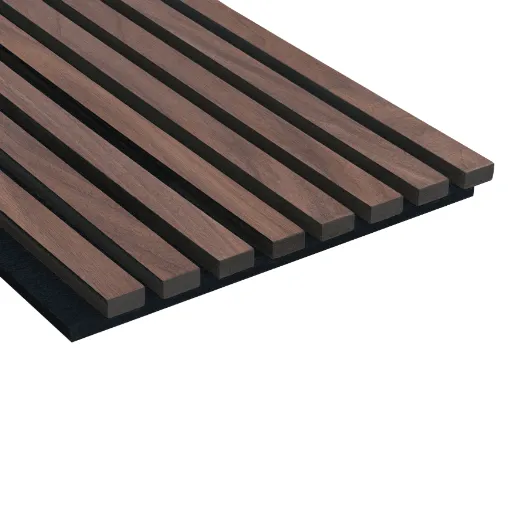
Innovative Applications in Modern Interior Design
Wood veneer wall panels have shown a significant resurgence in interior design as people aim to incorporate long lasting features that are bigger on both form and function. One interesting trend is the use of slat walls, where vertical wooden panels – created with equal spacing between each- provide texture and sound absorbency. Such panels can be applied on focal walls in sitting rooms, home workspaces and hallways, bringing style of twenty-first century sophistication that is slightly nearer to nature. When worked out in conjunction with warm and soft lighting, the vertical slats help to draw out intimate spaces in a dynamic way.
A more recent trend has been to use asymmetrical design in wood paneling as opposed to straight lines that pattern occupies. Chevron or herringbone patterns look quite fancy and geometric as interior wall surfaces in exclusive dining rooms or in luxury commercial projects. Designers are also advancing and are experimenting with mixing wood wall panels with non-traditional materials like brass inlays, glass, or stone. These bring in a new aesthetic value and showcase the endless possibilities of utilizing wood veneer wall panels even as companion materials.
Design and manufacturing changes, including the desire for reuse and environmental construction, amongst others, also stimulate development of changes in wood wall cladding industries. There are many manufactures with products made out of recycled or regenerously harvested timber for, particularly, the green aficionados. Installing the wood panels for purposes other than the traditional aspect of interior design; such as cabinetry incorporation or constructions that serve as storage, is a pragmatic usage of the material. Besides the conventional application of architectural elements, there are other ways of using and applying wood in modern interiors as part of the fad of personalization and ecology aimed at the interiors systems and their components where wood wall panelling becomes a commodity.
Incorporating Acoustic Wood Panels
There is a high probability that most people will encounter more and more often the necessity to combine beauty and practicality in the form of sound management in interior space of private commercial and public amenities, this is achieved through decorative acoustic wood panels. These panels made out of advanced woods with high sound absorption ability are able to significantly lower the sound levels by reducing the sound echoes. Different treatments in the panels such as grooving and perforating structures help enhance sound absorption or diffusion, as a result lower the noise levels. This feature becomes beneficial in such applications as open office spaces home cinemas recording and producing studios where noise regulation is of utmost importance. Of course, there are other structures such as wood veneer wall panels which are able to greatly control the reverberations in a room.
In addition to sound proofing, decorative acoustic panels are aesthetically pleasing and help achieve a well designed and symmetrical look in a room. It is available in different surfaces, designs and textures depending on the interior designing of the space. Whether designing a room with minimalistic decor with the help of wood veneer wall panels or a cottage styled room; the addition of wall panels can be either way flexible and chic in any of the approach applied. Also, the production of most panel types is often eco conscious and eco-friendly by the manufacturers themselves for the reason of being built with green building methods that are becoming more popular. With this increased level of function and the purpose of being neater, these can also add to acoustic wood panels being used for shaped as well as deeper understandings.
Recent years brought technological advances enhancing use and demand for acoustic wood panels. As manufacturers enhance the production process, panels become light and strong and do not pose challenges if fitted even on existing surfaces or during redesign. Some types of panels have incorporated technology aspects such as lighting or speakers, among others, to incorporate this sound managing material for more useful purposes. As more variants of such panels are being presented in a modular form and specific cases are emerging, this means that they can be applied across many environments; wall lining, fixtures of the ceiling or any decorative partitioning system. In essence, acoustic wood panels illustrate the whole idea of how design can meet people’s desires while meeting their needs of soundproofing the room, hence raising safe and beautiful interior envelopes. The plain wood veneer wall panels provided an unobstructed view of the surrounding scenery.
Conclusion: The Value of Wood Veneer Wall Panels
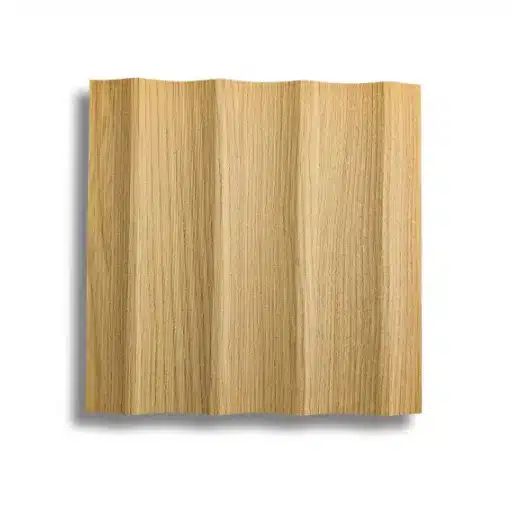
Summary of Key Benefits
Interior design offers a wide range of options that make wood veneer wall panels distinct, especially in furnishing both houses and business offices, owing to the numerous benefits offered by wood. First of all, these wood cover plates comprise a good mixture of ageless aesthetic pleasure without sacrificing any aspect of usability. The warm touch of wood and its texture make it feel elegant, and at the same time, the available version enforcement allows one to do different styles fitting the purpose. Thanks to this, they become an integral part of the interior design making it possible to combine the past and the state of the art in projects.
Furthermore, wood veneer wall panels perfectly fit its purpose in that this kind of wall panels enhances the acoustic environment of an enclosed space, making it more appealing from the point of view of both vision and sound. Since it absorbs sound and reduces noise, its use is appropriate in locations such as offices, theatres and conference halls where the control of sound is critical. As regards the private sector, the panels convert living spaces into peaceful escapes by lessening the noise outside and enhancing the ambience. Combining both form and function showing how noise control can complement decorative elements demonstrates sensible design.
Wood veneer wall panels, from the standpoint of environmental considerations, are among the most eco-friendly finishes available for walls. This is because, in using this form of finishing, only thin pieces of wood are usually glued to other materials thereby making good use of the sources and minimizing wastage. Many producers have also taken up sustainable forestry practices that allow for the products’ generation without disrupting the environment. Due to this coupled with the fact that they are resilient and require very minimal care, wood veneer wall panels are a worthwhile and sustainable investment for the future. These advantages make it an ideal choice for designs where aesthetically appealing but environmentally sound and acoustically improved interiors are desired.
Encouraging Creativity with Wood Wall Design
The design of wooden walls stands out as an excellent tool in enhancing the creation of interior rooms. Through the use of wood veneer wall panels, it is possible for a designer to bring positive emotions and comfort in a room. An array of finishings is available ranging from super royal mahogany to soft looking wood. There is therefore, provision for creative justice to any environmental aesthetic. It is possible to enhance wood by geometric shapes, complementary use of materials or three dimensional effects panels among others. In this way, wood is custom made to create outstanding designs or simple pleasant one. Such versatility not only-enhances the design aesthetics but also changes ordinary places to the exceptional.
The evolution of the current trends has reloaded the possibilities for creativity within designing wood wall decoration. CNC cutout and laser cutting, the design of fine and complex shapes which were previously impossible is now accurate. Personalized designs can be executed with precision and accuracy thus opening doors for customized look in homes and offices. Furthermore, the use of modular wood panels makes the mounting of thought out designed installations that are highly practical easy. With the convenience of the good old art and craft and the latest discoveries in mind, wood wall design transitions from classic look into the modern use.
More than just structural designs, decorating interiors with wood is actually a very strategic move. Due to its form and nature, this material functions as an absorber of noise and is thus effective for places that must have quiet conditions such as working areas of busy places like restaurants or offices. Additionally, responsibly produced wood fits in with green design philosophies which are becoming popular among more people, thereby enhancing their interest in aesthetic designs. The eco-friendly paints and labels available allow both architects and householders to make sure that they comply and adhere to the expectations set by green and social responsibility. Beauty meeting cutting edge and ease of use, wood wall decor tests the imagination and does not have boundaries.
References
-
User Preferences on the Application of Wooden Wall Coverings in Interiors Made of Oak Veneer Residue
Published on MDPI, this article explores the use of oak veneer residue in designing decorative wall panels for quieter interior spaces like libraries and classrooms. -
Design of Decorative Wooden Wall Panels from Sliced Pedunculate Slavonian Oak (Quercus robur L.) from Veneer Production Residue
This research focuses on the production process of oak veneer and its application in decorative wall panels. -
Wood-based Composites and Panel Products
Published by the USDA Forest Service, this source discusses the use of hardwood plywood in decorative wall panels and furniture. - Click here to read more.
Frequently Asked Questions (FAQ)
Q: Can you explain what wood veneers are and how they are different from this?
A: The answer is, natural wood wall panels are materials made up of thin pieces of real wood which is either mdf, plywood or hdf and there is actual wood work. The panels are easily assembled at any one time or any place needing scenery and enhancement of such simpler solid wood. Contrary to what many imagine, solid wood implies the use of an actual wood surface, wood in surface area but due to the fact many view too,many differing aspects of timber usage such dimensional stability, weight and cost, are actually minimized in comparison to many solid wood planks.
Q: Can I put wood veneer wall panels alone? How is that done?
A: Installation of wood veneer wall panels is possible with little training although usually is best done by professionals or contractors. Some of these methods commonly include gluing up the panels against a flat surface, using screws or nails and other mechanical means to support them with access distributing clips or battens in case of soundproofing or ventilation. A partnership would particularly create panels where surfaces are properly cleaned, levelled adequately and aligned appropriately taking care of the orientation of the panels.
Q: How the woodwork given below can be finished and designed in so many ways? Give me some examples.
A: There is a lot of versatility when it comes to wood veneer wall panels. They can be finished with a clear coat, oiled and stained, painted, distressed and even book matched or engineered with textures. From oak, walnut, maple and cherry, different choices help to obtain sporadic or timeless embelishments.
Q: Would placing the wood panels on walls in the bathroom or the kitchen endure well?
A: Use of wood veneer wall panels is possible in kitchens and bathrooms but it needs proper substrate, sealing and adequate ventilation in those areas to avoid moisture damage. Use water-resistant materials for the substrate and the finish and steer away from areas exposed to water or opt for damp environment specific panels.
Q: What steps can be taken to still maintain wood veneer wall panels in a good condition and clean them to remove dirt by keeping these panels as new as possible?
A: Routine upkeep for wood veneer wall panels involves dusting with a soft cloth, using a slightly damp cloth to wipe spills immediately and never using abrasive cleaners or excess water on such panels. Applying manufacturer suggested oils or clear coats at intervals enhances the aesthetic and helps preserve the veneer.
Q: In terms of acoustics and thermal effects, what good come from the usage of wood veneer wall panels?
A: Wood veneer wall panels could enhance acoustics through the use of acoustic backing in the substratum or insulating of the back of the panel to control echo and sound within the panel. In addition to the hollow core construction walls, they offer some degree of comfort to the zone in which the wall is erected in the construction.
Q: Are wood veneer wall panels green enough? Are there any recommendations for selecting eco-friendly variants?
A: Compared to real wood, wood veneer wall panels are normally more environment-friendly since they use less natural wood on any given area. In eco-design, one should opt for certified veneers that have an FSC or PEFC certificates, as well as for adhesives and finishes with minimal volatile organic compounds, reclaimed wood veneers, responsible substrates, and minimum waste production during manufacture.
Q: Can you tell me what to consider with the cost of the wooden wall panels, and also how to be able to anticipate the costs for my project.?
A: There are various cost factors that affect wood veneer wall panels such as the type and quality of veneer, substrate of the panel, type of finish, and dimensions and style of the panel (bookmatching is a good example), the ease of its installation and the acoustic and fire rating conditions. A budget can be estimated by determining square meters, multiplying by cost of materials and finish, and allocating funds for labor and other forms of contingency such as custom works or wastage.