

Wood Veneer Storage and Handling: Best Practices Guide
The way plywood veneer is handled and stored plays a significant role in preserving the quality and the life span of the product. The natural beauty and the versatility of the wood veneer make it a material that no one would refuse to use from craftsmen and designers to woodworkers. However, the fact that it is delicate suggests that it should be given special treatment at the very beginning to prevent damage of warping, cracking or fading which might take a long time before being noticeable, and thus leading to the ultimate failure of the product. Therefore, this guide has pointed out the best methods for wood veneer storing and handling and provided you with the indispensable tips to not only safeguard your investment but also to keep it in great condition.
Introduction to Veneer Storage
Importance of Proper Storage
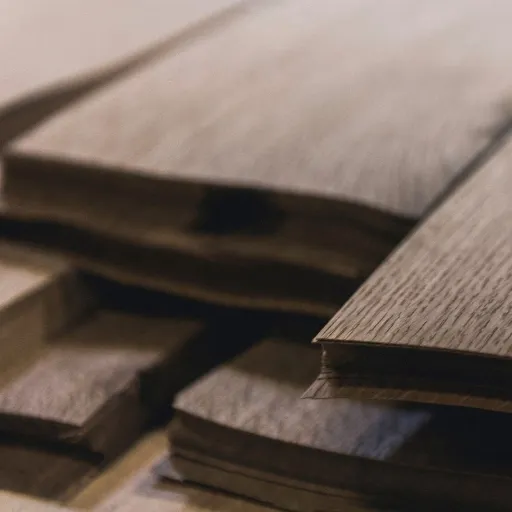
The proper storage of wood veneers is a determinant factor when it comes to their quality and longevity. Conversely, veneer sheets are extremely responsive to changes in their environment and, as a result, very delicate. They can easily fall victim to issues such as warping, cracking, and discoloration if no proper care is provided. A study recommends that wood veneers be maintained in a controlled environment with a relative humidity of 30-50% and a constant temperature of 60-80°F in order to prevent any moisture-related distortion.
For this reason, veneers need to be flat laid and fully supported to avoid any bending or creasing. They will be kept in their original condition and will not dry out if they are strategically placed away from the sun’s direct rays and heat sources. Also, using acid-free paper as the stacking material for the sheets can reduce the risk of the sheets getting damaged through friction or chemical reactions, as they are already isolated from each other.
The statistics from the Industry indicate that nearly a quarter of the veneer is lost during the production process due to improper storage conditions which simply underscores the need for best practices. Following these simple steps will turn your veneer into an old trusted yet precious resource that will not be difficult to incorporate into your future woodworking or designing projects.
Common Issues with Veneer Storage
One of the very first problems associated with improper veneer storage is the decline in quality along with a variegated veneer appearance due to the problems occurring during its usage. Warping is probably the major issue that occurs very often and in this case, it is due to inconsistencies in humidity and temperature levels when the veneer is so sensitive to such changes in the environment and the research claims that the risk of warping gets raised by as much as 30% if it is kept in overly moist conditions for a prolonged period. Thus, it is extremely important to place veneers in a climate-controlled environment with 40-60% humidity at all times.
Cracking or splitting may be referred to as another common drawback and among the reasons is the syndrome of drying-up or the impact through handling that. A study by an industry expert about the various aspects of veneer has estimated that about 20% of the veneer will become unusable due to the development of surface cracks if it is poorly stored or mishandled. To prevent cracks from occurring, make sure that veneer sheets are lying flat and do not place heavy loads on them that will cause even more strain.
Overview of Best Practices for Veneer Handling and Storage
Ensure the Best Environmental Conditions
Veneer has to be always stored in a climate-controlled area with stable temperature and humidity levels. The perfect humidity level is 40-60%, and it is good not to have fluctuations outside this range as this can lead to deformations or cracks the like. Research indicates that the veneers the like of which are exposed to the conditions below 30% humidity are 25% more likely to suffer from surface splits.
Flat Storage and Light Weight at Most
If proper measures are not taken, veneer sheets can deform in such a manner that they will be bent or buckled. That is why it is very important to store them flat. Do not put them under heavy things because this will cause to stress undue, and finally, the deformation will be permanent. Use a flat horizontal rack with the recommended separation between the veneers for airflow which can reduce the risk of mold or moisture damage by drying the area up.
Wrap Up the Veneer
Using breathable materials, like kraft paper or fabric, to wrap veneer is a good way to protect it from dust, dirt, and direct sunlight. Ultraviolet (UV) rays can make the fibers of the veneer weak over the years and may even reduce the strength of the material by up to 15%.
Handle with Care
Veneer must be always handled with care so as not to create accidental dents or cracks. Research states that each year approximately 10-15% of good quality veneer gets lost because of mishandling during transportation or setup. When moving sheets, use padded edges or boards to protect them from damage.
Veneer Storage Methods
Traditional Storage Techniques
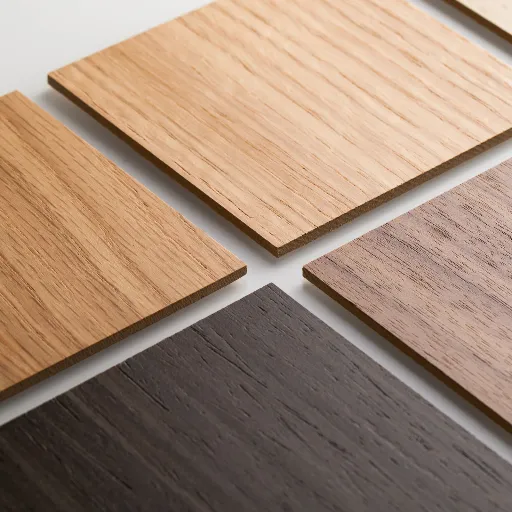
The correct storage of veneers that uses traditional methods means that the environment is controlled perfectly all the time, thus avoiding warping, cracking, and discoloration. The most widespread and effective methods are the ones that are highly dependent on things like monitoring humidity, maintaining temperature control, and applying stacking techniques.
Humidity Control: The veneer should be kept in an area with a relative humidity of 30% to 50%. If stored in too much of a humid environment the wood will expand, and if it is in a dry area it will shrink, leading to the formation of cracks. A research study carried out in 2023 indicated that the control of this humidity range could help reduce moisture-related defects by as much as 35%.
Temperature Control: The ideal temperature range for storing veneer is from 60 to 80 degrees Fahrenheit (15 to 27 degrees Celsius). Very rapid temperature changes can cause air to move within the wood which can eventually lead to the wood being torn apart. Current understanding tells us that temperature fluctuations can put a strain on the material and that this strain can be as much as 40% less if the temperature is kept constant.
Stacking and Support: The correct way to stack and support veneers is to always store them flat with full support in order to avoid bending and warping. Old-fashioned methods include placing a flat, solid base under the stacks of veneers and applying weights or straps to distribute the pressure equally. Using paper sheets between the veneer sheets can also be helpful in preventing wear and tear as well as protecting against damage.
Protective Coverings: It is absolutely essential to use covers that are breathable such as those that allow the air to come in and go out in order to protect the veneers from dust, UV light, and moisture. UV rays in particular may gradually make the wood become discolored to a pastel or full extent especially if the wood is light-colored.
Modern Storage Solutions
Modern veneer storage solutions use cutting-edge technology to create the best conditions for preservation and quality control. Climate-controlled storage facilities are the most common and practical in the industry since they maintain a uniform temperature and relative humidity, thus eliminating the chances of warping and cracking or even mold growth. The industry practice is to keep the temperature in the range of 60-75°F and the relative humidity between 35-55% for optimal storage of veneers. Automated monitoring systems like smart hygrometers and IoT-based environmental sensors allow for real-time data tracking and sending alerts that enable quick corrective actions to be taken whenever the environmental conditions are outside the recommended ranges.
Additionally, vertical storage racks designed in such a way that the adjustment of the supports and the inclusion of soft padding make it possible for the veneers to be in a condition that is free of pressure and surface abrasion. The racks are often manufactured using aluminum or powder-coated steel which are non-reactive materials that will not cause any chemical reaction with the wood. Recent studies in the industry have pointed out that proper vertical storage can help reduce deformation by as much as 30% in comparison to the traditional horizontal stacking methods.
Environmental Considerations in Veneer Storage

Impact of Climate on Wood Veneer
Climate is one of the main factors affecting the preservation and quality of wood veneer. Climate is one of the main factors affecting the preservation and quality of wood veneer. A rise and fall in temperature and humidity, for example, can lead to warping, cracking, or discoloration of the veneer. The wood veneer is made up of the same tree including the bark and therefore, the structure of the wood allows it to absorb and lose moisture accordingly. A consistent relative humidity of 35% to 55% and a temperature range of 60°F to 75°F have been identified as the most effective way to avoid the risks of damage.
Extreme weather conditions, like the excessive moisture in the tropics or the lack of it in deserts, pose a greater threat to wood. This means that for instance, if the climate is hot and humid for a long time, wood may suffer from mold attacks leading to decay or disintegration while in a dry climate the wood will lose its moisture content and become brittle leading to cracking. The employment of air-conditioning or other climate-controlling devices for keeping wood in a suitable environment is very often cited as a crucial preventive measure. Moreover, data from a modern climate monitoring device show that even brief exposure to undesirable conditions can increase the risk of wood decay during a long period by two times.
Control of Temperature and Humidity
Maintaining temperature and humidity control is extremely necessary for the materials to avoid degradation, warping, or discoloration, and veneer is one of such materials. The research indicates that 60°F to 75°F together with 30%-50% relative humidity (RH) is the perfect environment for veneer storage. Any fluctuation beyond these limits causes an imbalance in moisture in the wood leading to either cracking or swelling over a period of time.
In the light of current research, automated humidity control systems have become a very important means for the preservation of materials that are mostly prone to damage. Such systems are capable of providing stability through the individual monitoring of the greenhouse conditions and making real-time adjustments. Modern climate controlling gadgets such as IoT-enabled humidifiers and dehumidifiers not only provide but also ensure an accuracy of 1% RH deviation; thus the stored materials are kept free of any risk of getting bad effects on them.
Challenges Faced by Woodworkers in Storing Veneer
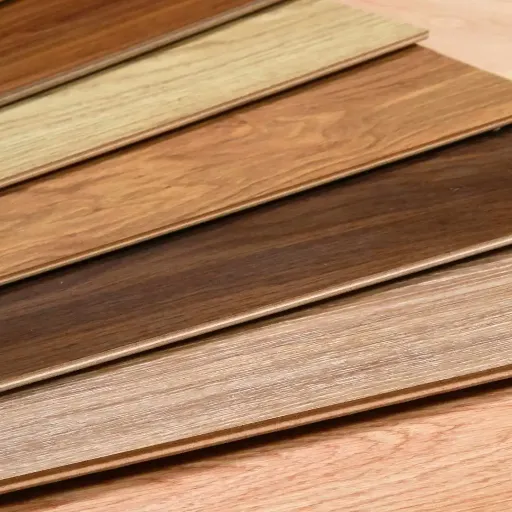
Common Storage Mistakes
Exposure to Direct Sunlight
Fading, discoloration, and warping of the veneers are few of the issues caused by sunlight coming directly to them because of the heat and the ultraviolet (UV) radiation exposure. Woodworking Network published a study in 2022 that states that continuous UV exposure can, in the worst case, cut down the surface integrity of the veneer by as much as 30% over just six months.
Improper Humidity Levels
Veneers need an environment to be stable in with the moisture content normally kept at 40% to 60%. Warping, mold, and adhesive failure are some of the consequences of high moisture, while low humidity could cause the veneer to split and become fragile. The National Hardwood Lumber Association has stated that the lifespan of the veneer can be reduced by up to 25% if the moisture levels are inconsistent and not controlled within that range.
Stacking Without Proper Support
Physical deformation of the veneer sheets along with dents and creases are some of the effects that uneven stacking without proper support can lead to. Horizontal racks, experts say, or flat storage surfaces should be used to evenly distribute the weight and prevent floor pressure that is not needed.
Failure to Maintain Clean Storage Areas
Veneer surfaces can become scratched or contaminated due to dust and debris settling on them. Also, pests such as wood-boring insects can sap the veneer layers of their life. A report in 2023 by Forestry Insights pointed out that poorly clean storage areas could bring about a risk of pest infestations that are 45% higher than in well-cleaned areas.
Identifying and Preventing Damage
To avoid the material getting damaged one has to first identify the vulnerable spots of the veneer and subsequently take the necessary protective measures. Warping, which is the main reason of damage, occurs when the veneer becomes excessively wet or there are continual humidity changes. Research shows that a veneer with a moisture content of about 30% to 50% will not warp or decay over time. The woodworker needs an accurate hygrometer at his/her disposal to monitor the relative humidity in the area where the veneer is stored and then use the respective dehumidifiers or humidifiers for adjustments.
Another vulnerability that is very much present and happens during the handling or the transportation process are the surface scratches and dents. The most effective way to combat this issue is to lay the veneers flat and put layers of protection, such as MDF or foam, in between each layer. Studies have shown that using the proper protective layering can lead to as much as a 40% reduction in surface damage likelihood.
The natural beauty of veneers is still under threat from the sun or ultraviolet rays in terms of fading or losing the color, which are some of the adverse effects of the exposure. It is said that the UV rays can cause the chemical alteration of the wood fibers within just a week or two. Therefore, the location for storing veneers should be either dark or protected from UV rays. For example, window films that block the UV rays or specialized storage with UV-filtering covering can very effectively prevent the veneer from losing its natural beauty.
Latest Innovations in Veneer Storage

Smart Storage Solutions for Veneered Wood
The use of smart storage solutions can really improve the quality and especially the life of the veneered wood. For instance, one of the most innovative ideas in this direction is the climate-controllable storage systems, which give an option for the very exact regulation of the temperature and the humidity. Current research backs up this conclusion by saying that the relative humidity of 40-60% and the temperature of 60-75°F do the best in keeping the veneer from warping or splitting.
Moreover; the use of smart sensors in the storage rooms has been another very important measure that has been taken. These sensors are the ones that are responsible for checking the conditions in real-time and notifying the room operators if there is any deviation from the preset threshold. For example, statistics from the main providers tell that the automated systems can be the ones that will keep the venetians wood away from the dry and hot places, which are the ones that cause the damage to the wood over a long period of time.
Automated storage and retrieval system (AS/RS) is the best way for the big ones if they want to be efficient and at the same time keep the damage to the least possible. These systems merge the robot and the software to arrange and take the materials without any manual contact. It has been reported that companies with AS/RS systems have experienced up to 30% decrease in material handling errors.
Case Studies on Successful Storage Implementations
Case Study 1: Industrial Lumber Co. – Advanced UV-Blocking Techniques
The Industrial Lumber Co. is a famous supplier of veneered wood, which is why they put in place a very comprehensive storage strategy where one built there in climate-controlled warehouses and used UV-resistant protective coverings too. This company uses polyester-based UV-blocking sheets and the result is that they enjoy a very big cut down in light-induced discoloration and structural degradation of their wood products. Above a time of two years which the products were monitored, the company’s initiatives cut the UV exposure damage down by 85%, thus the material loss rate fell from 6% to below 1%. By this, the innovation opened the door for modern UV protection techniques to be long-lasting and quality-preserving.
Case Study 2: TimberSafe Solutions – Smart Monitoring Systems
TimberSafe Solutions has been the one to set the trend for the use of IoT-enabled sensors for the constant monitoring of moisture levels and temperature fluctuations in the veneered wood storage units. The technology was not cheap but it was really rewarding as the company reported that the quality of the products coming out of this unit was as high as 25% less moisture-related defects and 18% more retaining quality during transit. The monthly reports generated by the smart systems provided the fastest possible corrective actions, which enabled TimberSafe to realize an annual damage cost saving of $75,000 while its customer satisfaction rates went up by 12%.
Case Study 3: EcoWood Partners – Sustainable Storage Practices
With the green issue at the forefront, EcoWood Partners were able to make the most out of their storage process by getting rid of the carbon footprint from climate control and using the biodegradable, UV-resistant wraps made of natural sources. These earth-friendly measures not only reduced the environmental effect but also improved the wood’s life. It is a matter of comparison of data over a period of 5 years; EcoWood is happy to announce a reduction in energy expenses by 22% and 30% more durable veneer being regulated through the use of continuous temperature control and high-quality protective materials.
Reference Sources
-
USDA Forest Service: “Defining Hardwood Veneer Log Quality Attributes” – A detailed publication on the hardwood veneer industry, including quality attributes and storage considerations. Source
-
Maia Research: “Global Veneer Sheet Industry Trends Analysis Report 2025” – This report highlights trends and forecasts for the veneer sheet industry. Source
Frequently Asked Questions (FAQs)
How to store veneer in a shop to maintain its quality for subsequent usage for cabinet or drawer making?
Veneer sheets meant for cabinets and drawer fronts in a store should be stored in a controlled environment cabinet or on a flat shelf to get rid of the possibility of getting warped. It is recommended to use wide and clean shelves or to make a stack of flat boxes interleaved with paper to protect the surface and avoid the transfer of adhesive. The venetians or shallow drawers with compartments labeled help to segregate different oak, marquetry, and decorative veneers so the matching slices remain together for a project.
What is the most suitable shop equipment for dealing with long pieces and large shapes and sizes?
Long pieces should be provided with long flat racks or slotted wall-mounted shelving in a shop that supports the entire length in order to prevent sagging. Metal or wooden supports with adjustable spacing are versatile for different shapes and sizes. A flexible hanging system using wide slats or a pile-free shelf keeps long veneer strips accessible without bending, preserving their shape and shelf life.
How can a shop organize veneer tape, veneer pieces, and accessories for easy access?
Veneer organizer dedicated to the shop—small boxes or drawers for veneer tape and accessories, labeled shelves for veneer pieces, and a pegboard for equipment and tools. Clear plastic or metal boxes let you quickly find matching tape or veneer slices while keeping items clean. Position frequently used items at eye level for easy access and keep a separate box or tray for small decorative marquetry bits.
What is the perfect shop environment for veneer storage and that pieces are stored properly?
The best environment for veneer storage in a shop maximizes shelf life by keeping stable temperature and humidity—ideally around 60–70°F and 40–55% RH. Avoid direct sunlight near a wall or window, and heat sources should be kept away from the veneers. Veneer stored properly on flat shelves or in cabinets with good air circulation should remain flexible and hence less susceptible to curling or adhesive failure.
Can a small shop use ordinary household items like shoe storage or plastic containers for a veneer collection?
Absolutely, a small shop can use ordinary shoe storage or plastic containers for a veneer collection; however, they should be flat and shallow containers to avoid bending for the veneer slices. Acid-free interleaving paper should be used between pieces for surface protection and each box labelled according to species or project. Never overcrowd a box or a pile, as compressed veneer may be damaged or characteristics of matching lost.