

Natural vs Engineered Wood Veneer: Complete Comparison Guide 2025
For a long time, wood veneer has been a popular choice for enhancing the aesthetics and functionality of furniture and interiors. Still, a common issue for homeowners, designers, and craftsmen is choosing between natural and engineered wood veneer. Each type has its own set of pros and cons and particularities, but still, the question remains – which one is most appropriate for your particular situation? The ultimate comparison guide for 2025 discusses the main differences, privileges, and factors to consider regarding natural versa engineered wood veneer. Whether you prioritize eco-friendliness or aesthetics, this guide will help you choose wisely, ensuring your selections align with your projects and preferences. Let’s take a look at the inherent beauty of wood veneer, the creative appeal of engineered veneer, and the power of both to shape spaces to your vision.
Introduction to Wood Veneers
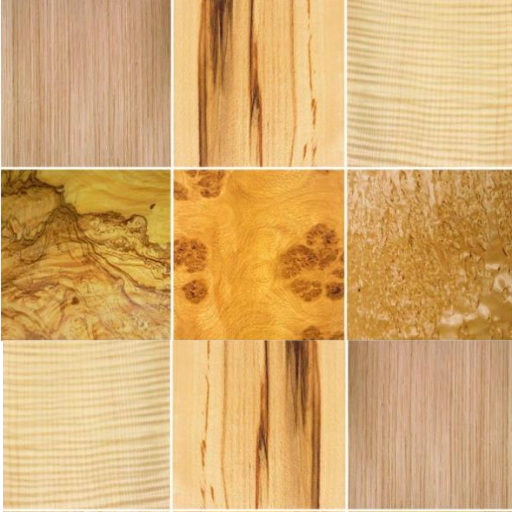
Wood veneers are the first layer of the wood which is applied to the surface in order to give the impression of solid wood while still being cost-effective and resource-saving. They are still widely used in furniture, cabinets, and interior design because they offer both beauty and flexibility. Natural wood veneers are made from real logs, giving them the one-of-a-kind look of grain patterns and textures. Engineered wood veneers, however, are made with a consistent look and more possibility of customizing them. Both are regarded as effective methods for achieving high-quality, expensive-looking finishes in many places.
Understanding Wood Veneer
Wood veneer is an exceptional choice when it comes to aesthetic appeal, environmental impact, and cost-effectiveness among others. It not only permits the use of top-notch wood but also reduces the overall timber used, thus, being a good choice for the earth. The production of veneers is believed to consume about one-fortieth of a log, compared with solid wood processing, which is a resource-efficient method. Apart from this, the availability of numerous wood species like oak, walnut, maple etc., makes it easier to invent different designs, and hence, to express customers’ tastes and preferences of either modern or traditional styles.
Natural Veneer
Real wood is the source of natural veneers, the topmost representative of the wood and the most distinctive for their uniqueness. As an example, walnut veneer with a light-dark effect of tone with a dominating rich dark brownish hue while oak veneer always displaying soft and elegant lightish grains.
Engineered Veneer
This type, commonly referred to as reconstituted veneer, is designed to be aesthetically uniform throughout. Such veneers are very much applicable in the case of the industry and commercial environments where it is very frequent to have total finish required.
Applications of Wood Veneer
Wood veneer is a widely-used raw material with a broad spectrum of applications in and around
- Furniture and Cabinetry: The aesthetic appeal of laminates in high-end furniture production is a major reason they are the first choice, as they offer an extravagant appearance at a lower price than solid wood.
- Interior Paneling: The produced panels are lightweight and can be cut to any shape or design for installation in residential and commercial spaces.
- Architectural Components: used in the production of doors, partitions, and decorative panels, veneers lend elegance to the architectural design.
Current Trends and Innovations
Durability and sustainability are the two main areas in which the wood veneer market is continually evolving through innovation. One of the things that are getting popular in the construction industry today is the pairing of fire-resistant and moisture-resistant veneers. Furthermore, the global use of engineered wood veneers is expected to increase significantly, driven by advances in manufacturing methods and rising demand for eco-friendly materials. A recent market study indicated that the wood veneer industry is projected to grow at a compound annual growth rate (CAGR) of approximately 6-7% by 2030.
Thus, by uniting enduring beauty with resource efficiency, wood veneers remain an indispensable material in both design and construction, aligning with the modern focus on sustainability and fashion.
Importance of Choosing the Right Veneer
The process of selecting veneer should be done correctly, as it can determine the aesthetic, functional, and longevity of a number of design and construction projects. The following five key points affirm the importance of this decision:
Aesthetic Appeal
The veneer selection determines to a great extent the visual character of the area. The variety of wood species, grain patterns, and finishes brings about different styles that can be claimed by the designer or the homeowner, to whatever look they aspire, i.e., classical, modern, or rustic.
Durability and Maintenance
High-quality veneers are not just surface options; they also contribute to the overall strength of furniture and other surfaces. A veneer that can take in the wear, scratches, and maybe even the moisture and water from the top will add to the furniture’s life span and lesser need for maintenance.
Environmental Sustainability
In the case of wood, the thin veneer is the only part that is eco-friendly, while the solid wood alternative is not. Choose veneers sourced from sustainable sources, and you will be helping to conserve the environment.
Cost-Effectiveness
Veneers can provide the natural wood’s aesthetic for less than solid wood. This price advantage gives them access not only to the luxurious projects but also to those with only a high-quality finish requirement.
Versatility in Design
Veneers are incredibly versatile and can be used in various instances such as furniture, walls, and ceilings. Their flexibility makes them perfect for both residential and commercial projects giving the designer countless options.
Taking into account the above-mentioned factors very carefully is a sure way to have the chosen veneer to not only increase the value of the project but also provide a perfect combination of aesthetics, eco-friendliness, and quality.
Overview of 2025 Trends in Wood Veneers
The wood veneer market for the year 2025 is going to be a very different place, full of new and exciting things like wood products with superior presentation, hygiene and durability. The following are the main market trends with full details:
Sustainably Sourced Materials
In the very near future, the top-selling items in the wood veneer sector will be those that are made from wood from sustainable sources. Recent statistics indicate a 30% increase in global demand for Forest Stewardship Council (FSC)- certified wood veneers by 2025. It is mostly because both individuals and businesses have started to choose eco-friendly products, which do not only reduce the ecological impact of wood harvesting but also indirectly support the preservation of forests.
Innovative Surface Finishes
Veneer production will rely heavily on advanced technologies to deliver new finishes and textures. The use of matte and ultra-matte finishes that look like the natural surface is likely to increase and also the antimicrobial-treated veneers are to be found in healthcare and commercial areas with a high demand because of their hygienic preservation properties.
Customization and Digital Printing
The year 2025 will bring about a massive change in the wood veneer world due to digital printing technology allowing for customization. Through digital imaging, manufacturers can deliver exactly what customers are looking for in terms of designs and colors. There are also reports that the digitally printed veneers market is growing by 40% annually due to the advantages of design applications.
Minimalist and Neutral Aesthetics
The designers select the minimalist, neutral tones to align with current fashion trends. Light wood veneers, such as birch and ash, will be particularly favored, as they align with the serenity and naturalistic interior design trend. This trend of earthy aesthetics reflects the widespread longing for harmony with nature.
Technological Integration in Manufacturing
The application of automation and machine learning in the manufacturing process is enhancing the veneer-making process by making it easier and cheaper. The positive impact of this merger is that the waste generated during production can be lowered to 20% while still the same high accuracy and quality that are standard in the industry will be maintained in the manufacture of veneers.
Growing Applications in Emerging Markets
Most of the developing countries, the ones located in Asia-Pacific and Latin America in particular, are quickly becoming the major markets for wood veneer because of the rapid construction and renovation of houses and outfitting of interiors. As a result, these countries are projected to account for about 50% of the global increase in the wood veneer trade by 2025. Possible causes include urban sprawl, higher-paying jobs, and increased demand for aesthetic yet cost-effective options in the materials market.
These trends of the wood veneers industry signal a bright future whereby the wood veneer market would be characterized by the integration of technology with environmentally friendly lives and artistic design skills. The suppliers and contractors through to the architects will be able to take advantage of these trends not only in the form of increasing market share but also in terms of being more competitive in 2025.
Key Differences Between Natural vs Engineered Wood Veneer
Natural Wood Veneer Explained
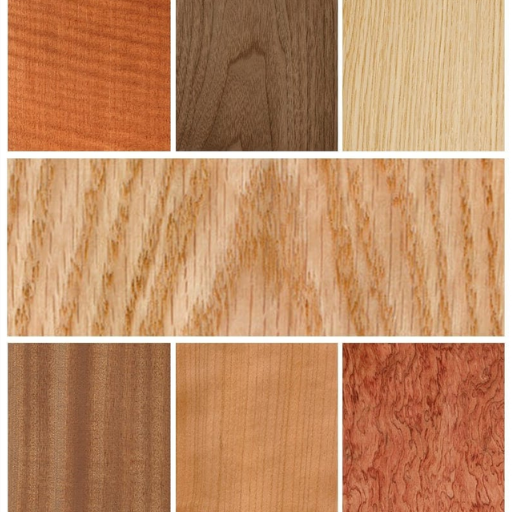
Natural wood veneer is a slice of actual wood that is usually less than 1/8 inch thick. It is prepared using modern machinery that either peels or slices the log. The original tree’s unique grain patterns, color variations, and textures are preserved, and the veneer has a very natural, pleasant finish. Natural veneers are eco-friendly and offer customers many advantages, so they are highly valued. By using only one large tree, a maker can produce up to 90% less waste than making solid wood furniture.
Market research indicates that natural wood veneers are a strong choice for home interiors, furniture, and architecture, as consumers increasingly prefer sustainable materials. A good example is the sales of natural veneers, which are projected to grow at an approximate 6% CAGR between 2022 and 2030, mainly driven by urbanization and the need for diverse, custom-designed products. Moreover, hardwoods such as oak, walnut, and teak are among the most popular due to their strength and classic style.
Producers of wooden veneers often highlight their versatility and flexibility, as they can be applied to everything from kitchen cabinets to wall panels. This is the other side of the coin, as they are more prone to getting damaged because of moisture or scratches than engineered wood so they require more careful handling. In fact, this very trait makes natural veneers the prime candidate for high-end premium projects, where aesthetics and authenticity are the foremost considerations.
Engineered Wood Veneer Overview
Engineered wood veneers, also called reconstituted veneers, are made from natural wood that is dyed, compressed, and reassembled, resulting in a high-quality grain pattern and texture. They are as if natural wood got so much attention and care that every small defect is hidden! Unlike natural veneers, engineered veneers are produced for uniformity, with every sheet matching the same look and lacking the natural imperfections typically found in solid wood.
Moreover, one of the main advantages of used wood veneers is that they are very cost-effective. The prices of engineered veneers are often lower than those of the natural ones while the quality of the finished products is almost indistinguishable. The recent market reports indicate that the demand for engineered veneers is growing in both, the commercial and residential sectors due to their excellent performance when subjected to changing environmental conditions. This means they are less likely to warp, crack, or shrink than natural wood.
In the light of sustainability concerns, one could say that engineered veneers are nature-friendly. Not only do they consume less wood, but at the same time, often plantation of quick and easy-to-harvest species is used, which not only consumes less wood but also puts less pressure on the environment. A 2023 study suggests that using engineered veneers instead of solid wood can reduce wood waste by up to 25%.
Moreover, these veneers come in different colors, textures, and finishes making them a very creative option for applications involving furniture, doors, and decorations. Also, technology has advanced so much that manufacturers can produce engineered veneers with properties such as high durability, scratch resistance, and moisture tolerance, making them an ideal solution for both high-traffic areas and areas with changing humidity.
Comparative Analysis of Properties
In assessing the qualities of artificial veneers in comparison to nature wood veneers, several important aspects are considered. A detailed comparison of five such properties, together with their data, is given below:
Durability
Engineered Veneers: Very durable, primarily because of the application of modern manufacturing techniques and composite materials, thus, they are practically impervious to wear and tear.
Natural Wood Veneers: Fairly durable, but durability varies with wood type. They are more prone to scratches and dents over time.
Scratch Resistance
Engineered Veneers: Outstanding scratch resistance; frequently put under a protective layer allowing them to take a lot of rough usage.
Natural Wood Veneers: Have lower scratch resistance; require regular maintenance and care to maintain their appearance.
Moisture Tolerance
Engineered Veneers: With their synthetic composition, they have excellent moisture tolerance and are best suited for wet areas such as kitchens and bathrooms.
Natural Wood Veneers: Have very low to moderate moisture tolerance; they can deform or swell if left in high humidity or water.
Aesthetic Variety
Engineered Veneers: Offer the broadest range of colors, patterns, and textures, one can be sure of the exact appearance one wishes as well as the possibility of customization.
Natural Wood Veneers: Are restricted to the natural texture of the tree species, providing distinct yet rotational patterns of lower uniformity.
Cost Efficiency
Engineered Veneers: Money-wise, they are the best choice, especially for large projects where quality is not compromised.
Natural Wood Veneers: Usually costlier due to the raw material and the extensive labor involved in the treatment process.
This comparative assessment gives a clear picture of the pros and cons of the two materials, thus facilitating the selection of the best one according to the project requirements and environmental conditions.
Natural Wood Veneer Vs Engineered Advantages and Disadvantages
Pros of Natural Wood Veneer
Authenticity and Aesthetic Appeal
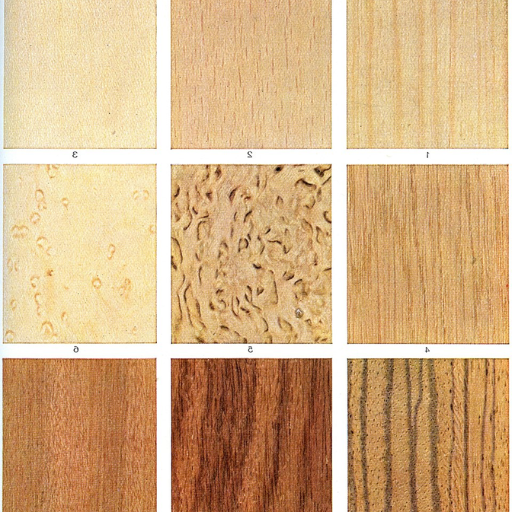
Natural wood veneer is one of the most reliable materials on the market, offering an authentic look across all aspects with its varied grain patterns and textures. It is the case that each sheet is different, and the result is an aesthetic that is both timeless and luxurious, thereby adding up to the cost of any project.
Eco-Friendly and Sustainable
Natural wood veneers, compared to solid wood, use less timber, making them a more eco-friendly option. This leads to a reduction in deforestation and waste, while at the same time, the beauty of natural wood is still kept within reach.
Durability with Proper Care
Natural wood veneers have the potentiality of being in existence for as long as between 10 and 20 years when they are properly maintained, and the right application of veneers is followed. If the real wood surface wears down, it can be sanded and refinished, significantly extending the veneer’s lifespan.
Variety of Species and Design Options
There is a wide variety of wood species available for natural wood veneers, such as oak, walnut, cherry, and mahogany, which can easily cater to different design tastes and project material requirements.
Adds Value to Projects
The feeling that is both rich and real of natural wood veneer not only adds to the general quality of the furniture and the interior but also makes it a preferred choice in high-end residential and commercial applications where the perceived quality is an important factor. This aspect, in many cases, results in the product having a higher selling price or market value.
Cons of Natural Wood Veneer
Sensitive to Damage
Natural wood veneer is impacted by scratches and dents as well as chipping, and this can change its appearance over time. It is also thinner than solid wood, hence it does not last longer, and with everyday use, it gets easily damaged.
Maintenance is Required
Natural wood veneer requires intense care such as cleaning, sealing, and polishing to keep its radiance and slow down deterioration. If the veneer is not properly maintained it may eventually suffer fading, discoloration, or even warping because of moisture or sunlight exposure.
Moisture Sensitivity
Natural wood veneer can swell, warp, or become unfit for use when in constant contact with water or high humidity. This effectively restricts its installation in moisture-prone areas such as bathrooms or kitchens unless the veneer is well sealed and treated.
Cost Concern
Natural wood veneer may be cheaper than solid wood, but it is still not as affordable as laminate or engineered surfaces. The cost of high-quality veneer and installation can be significant, particularly for large projects.
Inconsistent Colors and Grains
Veneers can exhibit inconsistent patterns, grain, and color due to natural variation in wood. While this variation adds uniqueness to the wood, inconsistency in matching veneers across several surfaces can lead to complications in the design process since it is sometimes difficult to decide which one to choose.
Pros of Engineered Wood Veneer
-
Cost-Effective
While the price of engineered wood veneer is lower than that of natural wood, it remains significantly lower due to the use of abundant, sustainable materials in the manufacturing process, which do not affect the final appearance.
-
Consistency in Appearance
Engineered wood veneer, unlike natural wood veneer, has dominant colour and grain patterns that are similar to one another. This monotony simplifies the design process, especially for large areas or when several surfaces must be matched.
-
Eco-Friendly
The manufacturing process for engineered wood veneer can reduce environmental impact by consuming less energy and using fast-growing, renewable wood species that typically produce more waste. Moreover, it does not contribute to the harvesting of slower-growing, high-value trees.
-
Enhanced Durability
The engineered wood veneer is designed to resist warping, cracking, and shrinking, thereby providing a longer lifespan. This makes it ideal for high-foot-traffic areas or for environments with fluctuating temperatures and humidity that would otherwise degrade the wood.
-
Customizable Designs
By using engineered wood veneer, the manufacturers can make replicas of the rare or exotic wood, thereby giving a whole lot of design options at a very low cost. This capability makes it perfect for projects that require personalization or have high aesthetic demands.
Cons of Engineered Wood Veneer
Limited Sanding and Refinishing
The core of engineered wood veneer is made of thin wood layers. Solid wood, on the other hand, can be sanded and refinished multiple times. To get the best out of the engineered wood, sanding should be limited though it might be done once or twice. Moreover, if the veneer is over-sanded, it can expose the core material. Hence, in certain circumstances, its lifespan is shorter than that of solid wood.
Susceptibility to Water Damage
Engineered wood veneer is always more water-resistant than solid wood. However, moisture absorption will eventually occur if the product is left in water for extended periods. Warping, swelling, and even mold infestation might occur, especially if the finish is not intact.
Chemical Adhesives and VOCs
The use of adhesives in the engineered wood veneer manufacturing process is one of the great contributors to the release of volatile organic compounds (VOCs). This is the primary concern regarding environmental and health factors, especially when air circulation is poor.
Cost Can Be Higher Than Solid Wood Options
A premium engineered wood veneer can sometimes be of equal or higher cost than certain solid woods, depending on quality and design. Hence, it may not be that appealing for the budgets projects.
Prone to Chipping and Peeling
Over the years of use, engineered wood veneer will become chipped, dented, or peeled, mostly at the edges and corners. Day-to-day use or accidental impacts might leave visible damage which will necessitate repair or replacement.
Natural Wood Veneer Vs Engineered Cost Comparisons
Price Range of Natural Wood Veneer
Natural wood veneer pricing can be however one is concerned, one might find various price ranges mainly determined by the factors mentioned above. Typically, the prices for the cheaper common species like oak, maple, or cherry will be around $0.50 to $3.00 per square foot, in other words, the prices will be very close to around this average. But the prices can get as high as $5.00 to $15.00 per square foot for the more exotic or rare woospecies, especially for the likes of ebony, rosewood, or zebrawood, and even beyond that.
Moreover, the cost depends on whether the wood veneer is raw, pre-finished, or backed. Raw veneers, the least expensive to begin with, typically require finishing and are the least costly to start with, while pre-finished veneers come pre-sanded and coated and thus are more expensive, subject to the added convenience. Paper-backed veneers may also be slightly more expensive since they are designed for ease of application.
In addition, other considerations, such as purchasing smaller sheets or custom cuts, will increase the per-square-foot price. However, the opposite is true for bulk purchasing or getting the supply locally, which can help dramatically reduce the costs. Finally, the shipping charges must be considered when ordering veneers online, as they often require very delicate handling.
Cost Analysis of Engineered Wood Veneer
The cost of engineered wood veneer among other things, directly sees the impact a number of factors. To start with the following are the most critical considerations in detail:
- Material Quality:
Perhaps the most prominent factor in the pricing difference is the quality of the raw materials. There are high-quality veneers made from premium wood species and better finishes, which are expensive, while standard-grade veneers are cheaper.
- Sheet Size:
The smallest sheets or custom-sized orders have the highest price per square foot due to the additional processing and labor involved.
- Backing Type:
It is common to find the price of paper- or adhesive-backed veneers slightly higher than that of raw wood due to the convenience of easier application.
- Shipping and Handling Costs:
Online ordering can sometimes be very costly for veneers due to shipping, if the material needs special packaging during transit, so as not to be damaged, then extra packaging will be included in such a case.
- Bulk Purchasing Discounts:
The unit cost of veneers decreases with higher purchase volume because suppliers offer discounts, and large projects often require such a unit, which is why they are considered a cost-effective option.
The buyer has made the final consideration after weighing all these factors. The decision to purchase engineered wood veneers or not would be in accordance with the project budget.
Budgeting for Flooring Types
When selecting flooring types, I start by assessing the entire project and its requirements, such as the area size and required durability. I make a comparison among the price tags of different choices like hardwood, laminate, vinyl, and engineered wood veneers, while also considering the installation and long-term maintenance costs, at the same time. On top of that, I look into the possibility of bulk purchasing discounts in case the project is sizable and check any additional costs such as shipping or special preparation. This method enables me to be on budget and at the same time get the right flooring for the project.
Popular Applications in Flooring
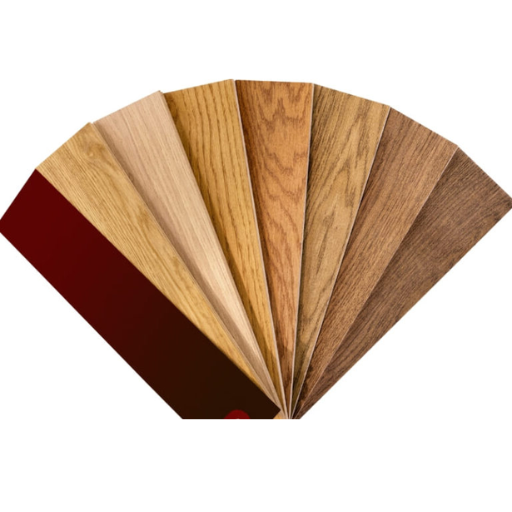
Flooring materials have diverse applications across different locations primarily because of their practical nature, beauty, and long-lasting characteristic. The following are five well-known places where flooring comes into play:
Residential Homes
Floors in private residences are selected primarily for aesthetics, convenience, and ease of cleaning. Hardwoods, laminates, and vinyls are mainly used in living rooms, bedrooms, and kitchens. For example, throughout the centuries, hardwood has been and still is, the main option due to its beautiful character. In contrast, many modern families consider vinyl the best choice because of its affordability, water resistance, and ease of maintenance.
Commercial Spaces
Companies, retail locations, and restaurants all use flooring that can withstand high traffic and remain aesthetically pleasing. Options such as epoxy, polished concrete, and commercial-grade carpet tiles are selected for their durability and aesthetic appeal. For instance, polished concrete is one of the main reasons modern office designs continue to be refined, as it looks great and requires minimal maintenance.
Healthcare Facilities
Hospitals and clinics are very particular about the floors they install. Flooring that is easy to clean, durable, and slip-resistant must be the characteristics of the flooring. North American healthcare facilities often opt for LVT, rubber, or sheet vinyl. All these materials are hygienic and provide comfort for staff who stand for long hours.
Educational Institutions
Schools and universities must constantly have practical floor coverings that are super durable and easy to maintain. Heavy duty flooring mainly consists of linoleum, vinyl, or carpet tiles. Linoleum is loved for its affordability and eco-friendliness; hence, it is widely used.
Outdoor Spaces
Outdoor flooring areas such as decks, patios, and walkways require a weather- and wear-resistant surface. The main materials are wood-composite, porcelain tiles, and natural stone due to their robustness and aesthetic appeal. Yet porcelain tiles remain the number one choice in outdoor applications since they give nice looking and durable not only against but also for outdoors.
Applications of Natural Wood Veneer in Flooring
Natural wood veneer has three main advantages: aesthetic appeal, versatility, and eco-friendliness. It assembles thin slices of timber onto a substrate, producing the look of solid wood in a more environmentally sound way. Here below are five remarkable uses of natural wood veneer in flooring:
-
Residential Flooring
The cozy, natural look of natural wood veneer makes it a favorite choice for bedrooms, living rooms, and dining areas among homeowners. Furthermore, the material supports a range of designs and finishes that can match any interior style.
-
Commercial Spaces
Natural wood veneer has become a very popular material in the interior design of upscale hotels, classy restaurants, and high-end office buildings, creating an atmosphere of professionalism and elegance. The material has the strength to withstand moderate foot traffic while maintaining its sophisticated look.
-
Parquet Flooring Designs
Parquet designs known for their complex geometric patterns like herringbone or chevron, use Natural wood veneer to give luxurious and timeless charms without the heavy reliance on solid wood.
-
Flooring with Underfloor Heating Systems
Natural wood veneer can be used with underfloor heating which is why it becomes a perfect choice for the combination of style and warmth in the colder regions.
-
Recreational Spaces
Wood veneer is a flooring material commonly used in gyms, yoga studios, and other recreational spaces because it offers a natural, peaceful aesthetic that enhances the area’s ambiance while providing a robust surface for various activities.
Use Cases for Engineered Wood Veneer
Residential Spaces
Among the many places where engineered wood veneer finds its usage, home flooring, cabinetry, and wall are some of the most important ones; it provides an elegant and strong solution at the same time. A recent survey found that more than 65% of residential projects using wood have opted for engineered veneer due to its durability and lower cost compared to solid wood.
Commercial Offices
The use of engineered wood veneer for desks, conference tables, and office interior decoration is another major trend in contemporary office spaces. Its elegant finish and price have made it a favored material, and an estimated 40% of the commercial office market has switched to veneer as part of their eco-friendly design concept.
Hospitality Industry
In the hospitality industry, wood veneer is widely used in hotels and restaurants. They are taking advantage of this wood’s luxurious look and feel at a reduced price by using it for furnishing, walls, and even decorative elements. The hospitality sector is often environmentally conscious and emphasizes the benefits of wood while enhancing the property’s aesthetics.
Retail Spaces
Engineered wood veneer is used in retail environments, including shelving, counters, and display fixtures. Its lightweight construction and variety of finishes not only contribute to a professional, warm retail atmosphere but also help increase customer engagement.
Educational Facilities
Schools and universities use engineered wood veneer for desks, library shelving, and soundproofing panels. Its durability and cost-effectiveness make it a perfect choice for wear-and-tear environments like classrooms and study halls.
Choosing the Right Veneer for Your Project
When selecting the most suitable veneer for my project, the first step is to analyze the specific requirements of the installation site. I consider factors such as durability, aesthetics, and price range to ensure the veneer meets my requirements. Moreover, I also consider the functional side of the veneer, if it has to be wear-resistant, give a certain appearance or need upkeep of a certain kind. In this way, I can be sure that the veneer I choose will not only be suitable for my project’s purpose but also enhance the overall design.
References
- Bonding Acetylated Veneer for Engineered Wood Products—A Review
Published by MDPI, this article reviews the bonding properties of acetylated veneers in engineered wood products.
Read more on MDPI - A New Type of Engineered Wood Product: Cross-Laminated-Thick Veneers
Published on ScienceDirect, this paper discusses innovations in engineered wood products, including cross-laminated veneers.
Read more on ScienceDirect - Veneer-Based Engineered Wood
A book available on Google Books that explores the development and applications of veneer-based engineered wood products.
Read more on Google Books
Frequently Asked Questions (FAQ)
What is the primary characteristic that distinguishes solid hardwood flooring from engineered hardwood flooring?
The basic distinction is the method of manufacturing: solid hardwood (solid wood, solid hardwood flooring, solid wood planks) is derived from the direct milling of one whole timber—a genuine wood piece everywhere—while engineered hardwood (engineered hardwood, engineered hardwood flooring, engineered planks) is made up of a top veneer of real wood (top veneer layer, natural veneer) bonded to several layers of wood or plywood underneath. Engineered veneer sheets and natural veneer sheets produce a stable wood product that is more resistant to moisture and movement than a solid-wood piece.
What is the difference in quality of natural veneer sheets and reconstituted or engineered veneer?
Natural veneer sheets are produced by slicing or rotary-cutting of a wood log and hence the appearance is similar to that of real wood grains with the character of the wood species. Engineered veneer, sometimes also referred to as reconstituted veneer, is made of wood fibers being recomposed into a consistent grain pattern. Natural veneer provides exceptional natural beauty and diverse wood grain, whereas reconstituted or engineered veneer sheets offer greater cost-effectiveness and still retain the wood appearance of veneer and engineered wood veneer.
Is solid hardwood flooring better than engineered hardwood flooring?
Selection of floor options based on natural and engineered wood veneers is dependent on the site conditions. Solid hardwood flooring showcases the genuine charm of wood and gives a possibility of sanding and refinishing numerous times, yet it is more vulnerable to moisture and needs controlled environments. On the other hand, engineered hardwood flooring gives the reliability (wood layers cross-oriented beneath the top veneer) that permits it to be installed below-grade or in humid areas and it is often cheaper than solid flooring. High-quality engineered wood can closely imitate the look of solid hardwood and is available with veneer thicknesses that affect refinishability.
What is the ideal thickness of the top veneer layer on engineered hardwood?
Veneer thickness varies across products: a thicker top veneer (top veneer layer) of natural veneer or high-quality natural wood veneer allows more sanding and refinishing, thereby extending its service life to that of solid hardwood. Thin veneer sheets are standard in budget-engineered options and limit the number of times a surface can be refinished. When comparing engineered hardwood with solid hardwood, examine veneer thickness, total number of wood layers, and the wood species used for the top veneer to assess durability.
Does the wood type or wood species have an impact on the aesthetics and veneering performance?
Absolutely. The wood species determines the wood’s natural beauty, grain pattern, color, hardness (the difference between hardwoods and softwoods), and veneer slicing. Rare or hardwood species exhibit unique natural wood grain patterns and may be more costly than their engineered equivalents. Both natural and engineered veneer sheets can be made from the customer’s choice of wood species. Still, engineered products can also replicate the species’ appearance using reconstituted veneer or printed layers, which affects cost and authenticity.
Which one is more costly and what is the reason?
On a per-square-foot basis solid hardwood is usually pricier than engineered equivalents because it entails full-thickness real wood for premium species. By using less of the costly top veneer and cheaper wood layers beneath, engineered hardwood provides overall savings. However, high-quality engineered products with thick natural veneer and premium wood species may approach or exceed the price of some solid hardwood, while giving the benefits of stability and versatile installation.
What are the positives of engineered veneers and the benefits of engineered hardwood?
The dimensional stability of engineered hardwood, its wider range of subfloor installation, and often easier installation (click systems, tongue-and-groove) are its advantages. Engineered veneer and engineered veneer sheets allow the manufacturers to utilize the rare and expensive wood species in a more efficient way thus making the beauty of real wood more available. The advantages of engineered include better performance in moisture-prone areas, less movement, and potentially lower lifecycle costs, even though refinishability is limited compared to solid hardwood.
What factors should I consider when deciding among natural veneer, wood veneer offers, and reconstituted veneer for my home?
Think of application, budget, and desired life span as your main factors. If you consider the most authentic look and future refinishing options, the best choice is solid hardwood or engineered wood with a thick natural veneer. If stability and installation flexibility are the main concerns, choose engineered hardwood with the appropriate veneer thickness. If you want a consistent pattern and a lower price, then reconstituted veneer or engineered veneer sheets also known as reconstituted veneer would be a good option. When comparing floor selections, the real wood beauty versus engineered alternatives, consider factors such as surface finish, number of wood layers, and specific product warranties.