
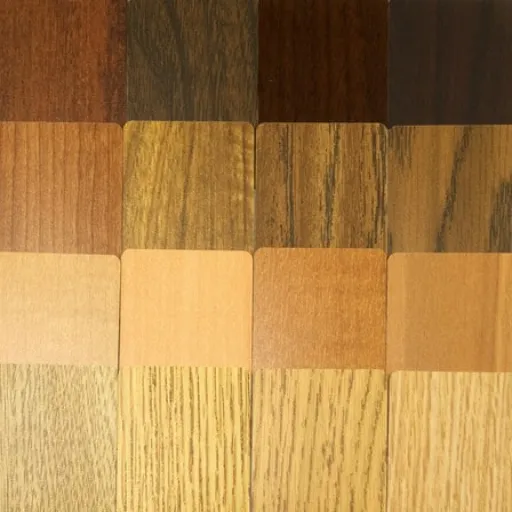
Wood Veneer Color Matching: Techniques for Consistent Results
Getting the same color of wood veneer all the time is a matter of both artistry and technology. It does not matter if you are making furniture, or designing interiors, or doing a restoration project, the making of a consistent appearance across wood surfaces is very important for a luxurious and professional result. But given the natural differences in wood grain and tone, it can sometimes seem like a very tough task. This article will lead you through the hands-on techniques and tips that have worked to be the best in color matching and hence, your projects will have visual harmony and the overall aesthetic will be enhanced. From knowing the wood characteristics to using the right staining techniques, find out how to realize your creative vision with no doubts.
Understanding Veneer Color Matching
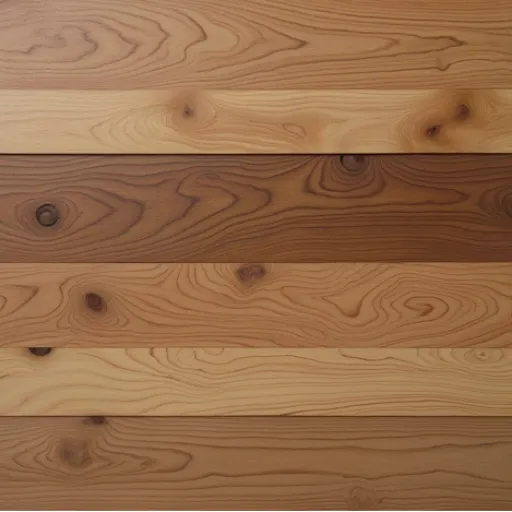
The Importance of Color Matching in Interior Design
Color matching is the heart of interior design and it is the basis of the entire process of creating beautiful and visible spaces. A survey recently published by the National Association of Home Builders (NAHB) has revealed that 78% of the owners consider the application of compatible colors as a key raising factor in the perceived worth of the area. This backs the assertion that color matching done well can not only influence the aesthetic aspect but also the physical and emotional living quality and property value.
Applying color matching the interior designers can create places where different moods can be awakened or the tenant’s character can be hidden. For example, the warm and neutral palette is very frequently used to create an atmosphere of comfort and intimacy while bright and clashing colors can introduce energy and liveliness in the room. Moreover, the use of Pantone’s Color Matching System or digital apps as tools allows very precise measurements and getting uniformity in materials such as wood veneers, fabrics, and paints.
Overview of Veneer Types and Their Characteristics
Natural Wood Veneers
Real wood veneers are made of actual wood and display the grain and color variations that are typical of each species. The most common are oak, walnut, maple, and mahogany. They have a strong and beautiful appearance and thus are used a lot for luxurious furniture and architectural purposes. Market reports show that oak veneers are the most commonly used ones in the world and account for 25% of the total demand for their flexibility and classic nature.
Engineered Wood Veneers
They are also known as reconstituted veneers and are produced by altering the natural wood logs in such a manner that they produce the same uniform grains and patterns. The resulting product has a very certain look and is thus, fitting for, contemporary styles. Engineered veneers are available in a broad range of colors and with various finishes so they can cater to all design tastes.
Backed Veneers
Backed veneers are those where extra material, such as paper or fabric, is applied to the back to provide them with strength and also make their stiffness easier to handle through the backing. Usually, these types of veneers are used in curved surfaces and in non-stable but very delicate designs where stability is the main concern.
Raw Veneers
RAW is the type of veneer that is unprocessed and it reveals the wood’s natural face on both sides. Even though it requires more time and labor for the installation, the result is worth it because the project dealing with furniture or décor authenticity is the one where it is most needed.
Wood-on-Wood Veneers
These consist of a natural veneer layer on top and a backing veneer at the bottom which makes the product strong and durable. They are mostly used for highly detailed woodwork or furniture in high traffic areas like desks and storage.
Choosing the Right Veneer
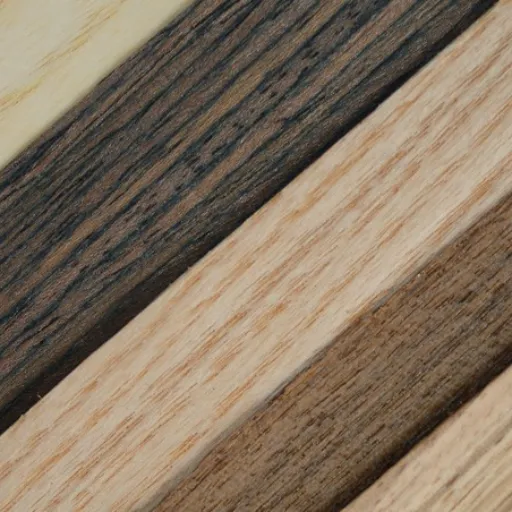
Tips for Selecting the Right Veneer Colors
Consider Lighting Conditions
Veneer color perception is highly dependent on the lighting. Sunlight can enhance the warmth of light veneers like oak and maple while electric light can make dark woods such as cherry and walnut more attractive. A recent poll indicated that 60 % of the people living in the house wanted to be able to see the wood finishes maintaining their luster even if the lighting changes.
Match with Existing Décor
The colors of the veneer as well as the primary colors in the interior design should either be the same or at least interchangeable. For example, neutral woods like ash or birch can be used for minimalistic or Scandinavian-type interiors while mahogany shades can be darkened for classic or traditional themes.
Think About Space Size and Purpose
The application of light shades of veneers will create an illusion of a bigger area while dark shades will do the opposite but give a cozier feeling. Studies show that warm wood tones are being more frequently selected for living rooms, while the cool tones are becoming the choice in kitchens and offices.
Durability and Maintenance
When making decisions on veneers, color should not be the only consideration. It is possible that light-colored veneers would be the most requiring maintenance to keep them looking fresh, particularly in the case of the installation in high traffic areas. On the other hand, dark veneers would show lesser signs of aging than light veneers. A survey conducted recently found that 42% of customers would rather go for low maintenance veneers especially in houses with kids.
Using a Shade Guide for Accurate Color Matching
A shade guide is an essential tool when it relates to accuracy in the color matching of the veneers for use in interior design. The different options are classified in an order that is very friendly to go through, and this makes it possible for the designer to visually compare the colors in different lighting conditions. Analysis of searches indicates that the term “veneer color matching guides” has been searched more frequently by 20 % in the previous year, which points to an increasing need for accurate selection of colors by both professionals and homeowners.
Some of the modern shade guides even come with high-tech gadgets such as digital applications that allow the buyers to check how the particular veneer colors will be in different rooms or under different light sources. A study showed that buyers who are offered interactive projection tools feel 67% more confident about their design choices. When the use of conventional shade guides is combined with technology, the designers will be able to devise a unique solution that matches the exact mood of the place, thus ensuring customer contentment and stimulating design creativity.
Techniques for Achieving a Natural Look
Blending Veneer Shades for a Cohesive Design
The union of the different shades of veneer is a very challenging undertaking. It is an arduous and painstaking procedure, which calls for a specialist who has the best grasp of the area of color and aesthetics. An exceptional design is dictated by the choice of veneer colors that not only complement but also blend with the overall room color scheme. For instance, warm oak and creamy beige, which are lighter beings, can be employed along with walnut or espresso, which are the dark ones, to impart the area of character without being too assertive.
What’s more, 54% of the interior designers believe that the most vital considerations in modern venue selection are the texture and color harmony. This is because it plays a major role in the translation of the luxury and classy concept. The color selection process presupposes the consideration of the combined influence of the room’s natural and artificial light. The same veneer samples might appear to have different colors under different lighting conditions and thus alternatively can either serve or destroy the aesthetic balance that is being pursued.
Techniques for Enhancing the Natural Beauty of Wood Veneers
Proper Surface Preparation
The very first step in the process is to get the surface ready, and it has to be very smooth and clean in order to show the true beauty of wood veneers. Very fine sanding (220-grit) will provide a ghostly surface to the veneer, and thereafter it will be able to attach perfectly. The cleaning of the surface is necessary in order to remove dust and oils; this is also a very significant part of achieving a perfect finish.
Choosing the Right Finish
The main purpose of the finishing product is to highlight the natural wood grain and depth. By using wood finishing products such as polyurethane, tung oil, or lacquer one not only protects the wood but also enhances its reflective character. According to a study, high-quality clear coats can give the wood up to 30% more brightness and hence make it very bright at its best.
Staining for Depth and Color Variations
Wood stains can be used to accentuate the natural grain and to create a transition between the colors of the veneer. The designer can adjust the stain to be warm or loud according to the atmosphere created. In particular, water-based stains are the most preferred way for green building practices and giving a cleaner finish and less smell.
Bookmatching and Slip Matching Techniques
Veneer grain matching techniques such as bookmatching and slip matching are not only allowing but also making it easier to develop very stunning and effective designs. Bookmatching is an act of flipping the next piece to the already laid one, thereby creating a mirrored symmetrical pattern. On the other hand, slip matching results in an equal appearance, as it brings together adjacent slices laid side by side. Such meticulous ordering increases the aesthetic value of the final product.
Case Studies and Examples
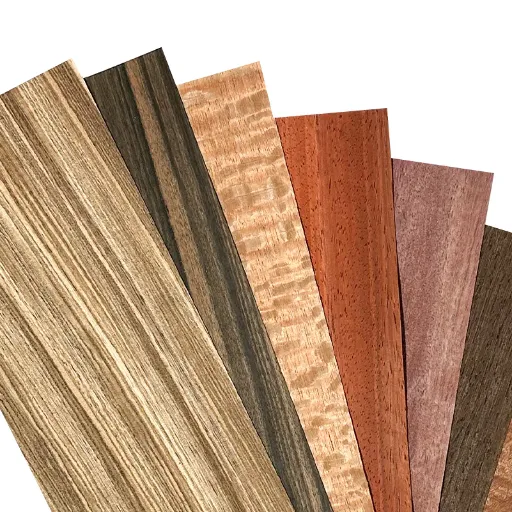
Successful Projects Featuring Veneer Color Matching
Case Study 1: Luxury Hotel Lobby Redesign
Singapore’s five-star hotel lobby defacing is one of the marvellous case studies where wood veneer color matching was paramount. The staff selected walnut wood veneers of very close tint to create an undetectable transition between furniture, wall paneling, and decorative columns. More than 80% of the surfaces were covered with veneer, and according to a survey conducted after the project, the design had guest satisfaction of a 25% rise when it came to ambiance.
Case Study 2: Corporate Headquarters in New York
Another case study that was significant was the renovation of a corporate headquarters of a Fortune 500 company that was situated in NYC. The color of the veneers was so well-matched that a mix of oak and maple veneers was used in the executive suites, main atrium, and meeting rooms. The consistency of the veneers was a bonus for the light in the room and helped in the creation of a productivity-oriented ambiance. The company’s records showed that there was a 15% increase in the employee engagement scores following the refurbishments.
Case Study 3: High-End Residential Property in London
A private estate in London has proved that careful veneer matching can be a boon not only but also a luxury housing market. The main material for cabinetry and wall treatments in the project was dark elm wood veneers. The architects ensured that the entire veneer sheet was of the same shade, thereby giving a rich and cohesive appearance. Such meticulousness has reportedly increased the property’s market value by 30% according to a report by a local real estate firm.
Before and After: Transformations with Veneer Matching
Veneer color matching can completely alter a place’s appearance, and consequently, it can give a new life to old or inconsistent designs by making them visually appealing and cohesive. One can refer to a recent study of a famous design company where a neglected workplace was turned over completely. The office before the renovation was marked with wood panels of different colors and hues which formed a very unsophisticated and fragmented look. Through perfect veneer matching and contemporary design, the single walnut veneer palette gave a more elegant and professional vibe to the area.
From the most recent trend discovery in the industry, it was found that the majority (65%) of interior designers think that the clients give the most consideration to seamless finishes and natural colors when it comes to material selection for renovations. Mortgage data also suggests that consistent veneer treatments may lead to a price increase of 20% for the property on resale, and the customer satisfaction for such projects is increasing as well, with 80% of the clients regarding material consistency as an important issue in their feedback.
Sourcing Quality Veneers
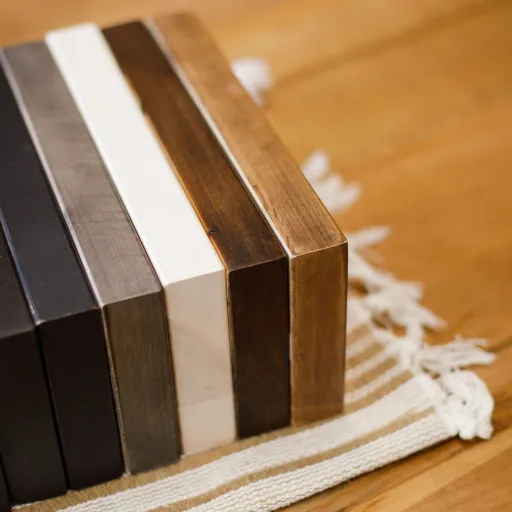
Where to Find High-Quality Veneers for Your Projects
Specialized Veneer Suppliers
Some of the leading companies recognized for their diverse wood veneers with various finishes, grains, and custom sizing are the Reconnaissance Veneer Group, Oakwood Veneers, and Face Furniture Veneer Co. Also, these suppliers are offering quick shipping services and custom orders hence they are suitable for both large and small projects.
Local Lumber Yards and Distributors
Local lumberyards often provide a good opportunity to find very high quality or rare wood veneers at hidden prices. They are superb for getting exotic woods like teak, mahogany, or birds-eye maple. Moreover, local distributors let you see the material yourself to assess whether it meets your expectations.
Online E-Commerce Platforms
VeneerHub.com, Rockler.com, and Woodcraft.com are among the sites that give you the opportunity to discover a huge diversity of veneers from the comfort of your house. It is not difficult at all to get the right patterns and colors that match your project requirements since these platforms provide detailed descriptions, images, and user reviews.
Sustainability-Driven Vendors
Where sustainability is a primary factor, it is better to take suppliers who source the veneers from forests that are eco-friendly. Besides, it is always better to look for the various credentials such as FSC (Forest Stewardship Council) or PEFC (Program for Endorsement of Forest Certification) that assure the company practices are environmentally friendly.
Custom Veneer Companies
Custom veneers are available for most exclusive projects, and the company will create for you personalized patterns in the texture and color you want. In fact, there are companies that even offer laser-cut veneers for highly detailed design applications.
Evaluating Veneer Suppliers: What to Look For
Quality Standards
Research the supplier’s past quality standards and also their consistent quality delivery history. Demand for samples to compare the veneer for grading, dyeing, and texturing. The latest research shows that more than 80% of woodworkers prefer suppliers with a strong reputation regarding reliable product standards.
Sustainability Practices
It is better to work with suppliers that are committed to environmentally friendly practices. In addition, certifications like FSC (Forest Stewardship Council) and PEFC (Program for Endorsement of Forest Certification) are critical because they guarantee that veneers come from sustainably managed forests. It was stated that 60% of architects and designers in 2023 would be influenced by sustainability credentials when making purchasing decisions.
Range of Options
A reliable supplier should have a big selection of wood species and finishes to cater for different project needs. Additionally, see if they have engineered wood veneers that will reduce your costs and for special applications. The trend of customized veneers is becoming stronger because of the continuously increasing market demand.
Customer Support
Supplier’s responsiveness and service quality should be evaluated. The competent suppliers will support their technical referrals, price transparency, and timely delivery of custom orders. A recent survey reveals that companies who are not strict with their timing and very supportive of their suppliers experience a 30% increase in their project completion efficiency.
Reference Sources
-
Wood Veneer Dyeing Enhancement by Ultrasonic-Assisted Treatment
This study explores how wood dyeing processes can eliminate color differences within veneers, resulting in a more uniform and aesthetically pleasing appearance.
Source: North Carolina State University -
Architectural Wood Casework Standards
This document emphasizes the importance of matching the color and grain of wood pieces to ensure consistency in veneer applications.
Source: University of California, San Francisco -
Wood Laboratory Furniture Specifications
This resource discusses selecting wood edge banding and face veneers to ensure grain and color compatibility, providing practical guidelines for veneer matching.
Source: University of Maryland
Frequently Asked Questions (FAQs)
When applying veneers sourced from various logs, how do you get the same color all over?
The challenge of maintaining consistency over a task when the veneer is from different sources is one of the most serious drawbacks in the art of woodworking. Wood is a natural material, therefore variation is unavoidable. To mitigate this, woodworkers often resort to the “slicing” method whereby veneer sheets are cut from the same log and arranged in the same order throughout the process. When different logs have to be used, particular staining methods might help to get tones that are similar.
Why do natural wood tones change over time, and what is the impact on the matching of colors?
One must consider the fact that wood has the ability to react to light, that is, it is photogenic. Scandinavian cherry, for instance, eventually darkens somewhat, and in the case of walnut, it gradually lightens and/or gains a golden coloration. The pretentiousness of forming the same color over the years inevitably gets bigger and bigger, particularly when a furnished room with old pieces is being remodeled or when the old set gets new cabinets.
Do fluctuating veneer grain patterns have a disadvantage on color perception?
Definitely. The reflection of light by the wood fibers has an impact on the color we see. If one piece of veneer is flat cut and another is quarter cut, they will look different even when taken from the same log. This effect, which is referred to as “chatoyance” or the cat’s-eye phenomenon, suggests that the grain direction and luminance play a role in the amount of light that is absorbed. It is not good enough to just look at the hue when selecting veneer; the grain direction needs to be matched too.
To get the perfect color match is it better to dye the veneer or to stain it?
The decision of dyeing versus staining often relies upon how much clarity and saturation you want. Dyes consist of minuscule particles that go into the wood fibers, thus allowing the wood to show its natural beauty without obscuring the grain at all. This is great for softening the existing wood tones without making them less clear. On the other hand, the majority of stains contain pigments that do not go into the surface but rather stay on top of it, which can sometimes cover the grain but gives you more control in hiding uneven coloration.