

Cherry Wood Veneer: Characteristics, Grades, and Uses
In the case of top-notch wood veneers, cherry wood’s classic beauty and multipurpose character are hard to rival among the few options to choose from. Cherry wood veneer is famous for its warm colors, smooth grain, and durability so it gets the favor of designers, artisans, and the general public. But what is it that cherry wood veneer has that is so special? What are the differences in grades, and what are the most suitable ways for combining it with your work? The article will open up the discussion of the specific qualities, the grading system, and the wide range of applications of cherry wood veneer thus providing you the power to make right choices for your next design or woodworking project. This guide will be a source of inspiration and knowledge for your entire creative process no matter if you are a skilled professional or a curious novice.
Introduction to Cherry Veneer
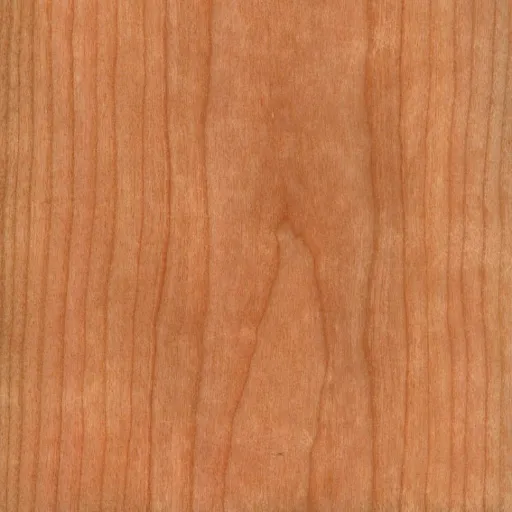
What is Cherry Veneer?
Cherry veneer is the name given to the wood product with a very thin layer made from slicing or peeling the cherry tree, especially from the Black Cherry (Prunus serotina) species. This type of veneer is known for its magnificent, warm, and rich colors as well as for its fine and subtle grain that is the main reason why it gets a lot of use and is highly rated in the wood and design industries. It is primarily applied as a decorative surface in making of furniture, cabinets, panels, and other architectural works.
The aging process of cherry veneer is one of the main reasons it has such great character. With time, the veneer first gets lighter and then deepens into a rich dark brown color due to light exposure. The natural patina formed in this manner erases the project duration and makes cherry veneer a favorite for the classic style. But the cherry veneer also has good workability, which means it can be easily cut, glued, or finished, thus giving different applications the versatility of the material.
Different grades of cherry wood are available, thus catering to the different needs and budgets of the projects. The upper grades are virtually non-defective; the wood displays even coloration along with very few flaws, while the lower grades may have knots or areas that have gone brown in color and this is what appeals to the rustic or informal style. According to market reports, the price of cherry veneer on average ranges from $1 to $4 per square foot, depending on thickness, grade, and availability.
Properties of Cherry Wood Veneer
The cherry wood veneer is and continues to be a highly appreciated and widely used wood due to its wonderful texture, warm tones, and the charm that accompanies it. Its silky and beautiful grain patterns give the wood a luxurious look which, in contrast, is appropriate for the upper cabinets, furniture, and interior designing projects. One of the main characteristics of cherry veneer is its color range which goes from light pinkish-brown to deep reddish-brown. The wood ages by getting darker and even richer patina when there is continuous light, thus the application is endowed with beauty, intimacy, and timelessness.
From a technical point of view, cherry wood veneer usually has a Janka hardness rating of about 950 lbf which corresponds to moderate durability, easy cutting and machining. Its stability and workability are features that make it favorite wood among woodworkers for making precise cuts and getting smooth finishes. The thickness of cherry veneer typically ranges from 0.5 mm to 2.0 mm in order to suit a variety of design applications.
Benefits of Using Cherry Veneer in Interior Design

Aesthetic Appeal and Color Tone
The warm, elegant look and the rich, natural colors of cherry veneer are simply irresistible which is why the material is loved by many. It, thus, imparts beauty and grace to every interior design. The hues of cherry veneer range from soft pinkish tones in the more delicate cuts to rich reddish-brown colors in the case of matured wood. Time has also played a role in developing this color. The aging effect on cherry wood is so good that it is called “timeless” indicating the wood’s popularity among the designers who make beautiful and lasting designs.
According to the results of recent studies consumers are mainly attracted by the natural warmth of cherry wood, with 65% of the survey participants naming the reddish wood tones as the most liked ones for furniture and cabinetry. The silky and smooth-grained texture of cherry veneer, which aids a high gloss finish, is another factor that greatly contributes to the most loved aspect of cherry wood as a luxurious and versatile material. The feature does allow its merging into all different types of design styles from classic to contemporary yet still being able to captivate the eye over long periods and through many fashion changes.
Durability and Longevity
Apart from the attractive look, cherry veneer has also got a very long life which is the most important factor why it is so commonly used in both domestic and commercial projects. It has been reported in a recent study that if cherry surfaces are well cared for they can last for decades without any noticeable wear or fading. The wood’s natural ability to resist moisture and cracking under different environmental conditions contributes to its long life and even allows it to be used in fluctuating humidity places.
One of the features that make cherry veneer different from the others is its ability to develop a soft patina over the years thus enhancing its attractiveness. A survey on furniture durability in 2023 revealed that over 70% of the participants have declared cherry veneer items still being in good condition and looking great after 15 years of use. This toughness makes cherry veneer to be the first choice of those who want to have elegance for a lifetime. With proper care like regular cleaning and applying protective coatings, cherry veneer can look charming and be new for the generations to come.
Comparing Cherry Veneer with Other Wood Veneers
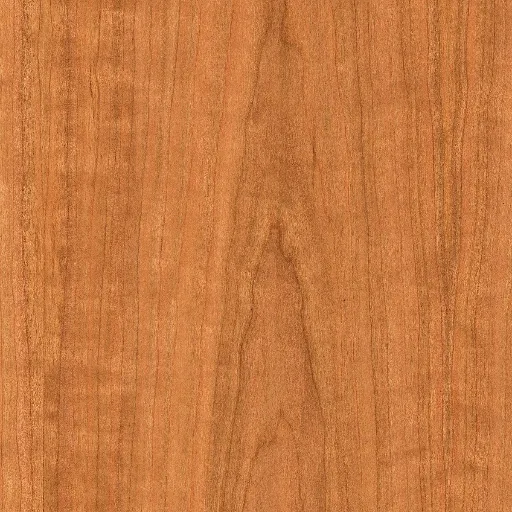
Cherry Veneer vs. Maple Veneer
When comparing cherry veneer to maple veneer, it is undeniable that they both possess unique characteristics which cater to different needs and tastes in terms of looks. Cherry veneer is without a doubt the wood of choice for expensive furniture and cabinetry due to its fine patterns of grain and reddish-brown colors. The main feature of cherry wood is the gradual darkening of the wood and the formation of a patina that has the same color which adds to the opulence making it even luxurious. On the other hand, the almost white and creamy aspect of the maple veneer along with its scarcely visible grain give the wood a place in the realm of modern and minimalist designs.
If one talks about the durability the two veneers are alike in being strong and wear-resistant given the right maintenance. Industry reports state that maple veneer has a higher hardness rating of 1450 on the Janka scale whereas cherry veneer has a rating of 950 thus implying that the former may be less likely to be dented or scratched when compared to the latter. On the other hand, cherry veneer compensates for its lower resistance to wear by being very technique-friendly thus giving smooth cuts and intricate designs.
Cherry Veneer vs. Oak Veneer
Cherry Veneer: It is the wonderful deep, brown-red shades and silky grain of cherry veneer that spell magic and one cannot resist the charm it even casts on a dull day. Time changes the color of the wood but it also makes it easier to see the beauty in the material and its quality of being always captivating. Cherry wood, although characterized by a relatively short life span, is nevertheless smooth and easy to cut which makes it a reliable timber source for high-end furniture, cabinets, and wall finishing. Cutting not only contributes to an environmental point of view, but the managed growth of the timber also gives it a consciousness as the cherry trees grow back quite fast.
Oak Veneer: The oat wood is quite the opposite when it comes to physical traits – the oak veneer is really a strong and bold wood that impresses with its rough character and very visible grain patterns. It can be produced from two types of oak: red and white. The former is the one displaying warm shades, whereas the latter has subtle dynamics from light to tan and brown; thus, it can match with both the conservative and the very modern approaches. The oak wood has always been regarded as the most durable, at the same time it still resists stains and finishes or it can be simply re-finished. These qualities make the wood the first choice for flooring, wardrobes, and busy areas.
Sustainable Sourcing and Eco-friendly Practices
Responsible Harvesting of Cherry Species
The application of sustainable forestry practices which are the very determinants in this regard makes the harvesting of wood species from cherry trees more responsible similarly so. Mainly, cherry from the cherry tree is harvested in North America, Europe, and some regions of Asia, where strict regulations are in place to manage the cherry trees in such a way that forest regeneration and biodiversity preservation are ensured. The latest numbers reveal that the US is just one country among many that contribute significantly to the global production of cherry hardwood, with around 3.5 million cubic meters being cut down every year through Forest Stewardship Council (FSC) certified programs, which amounts to about half of the world’s cherry wood consumed annually.
In addition to this, technological innovations have resulted in an improvement of the cherry wood harvesting process that is more efficient and less wasteful at the same time. One of the major factors that have helped in lowering the environmental impact is the use of selective logging methods, where only mature trees are cut down. Furthermore, the laws that ban clear-cutting and promote coppicing, which is a technique that allows trees to regrow after being cut, are cited as contributing to the long-term availability of cherry resources. The cherry veneer industry has to follow these practices which have made it possible for it to remain eco-friendly while at the same time making the supply of this delicate material timelessly renewable.
Impact of Cherry Veneer Production on the Environment
One of the most significant environments impacts of cherry veneer production is attributed to overcutting of trees in the forestlands, energy consuming processing and debarking, and waste generation. On the contrary, sustainable practices and modern technologies are implemented with the goal of making these effects less severe. Research has shown that cutting down trees for timber—if not managed—can result in the loss of wildlife including birds and insects thus raising total carbon output into the atmosphere. According to FAO, 10 million hectares of forests fall victims to degradation each year, which points to the need for renewable sources of wood.
The next factor contributing to the environmental problem is energy consumption. The main processes of the venery industry are log drying and slicing that require a lot of energy. According to the industry sources, the energy-efficient equipment and use of renewable energy are expected to reduce the emissions by 20% or maybe even more. The environment has also gained some benefits through the innovations that have come to veneer manufacturing, such as taking thinner cuts and reusing the wood waste.
The initiatives which the industry took to reduce the environmental impact of cherry wood production have pointed to sustainable practices. The Forest Stewardship Council (FSC), one of the certification bodies, is providing certificates for sustainable forests scenario in which the cherry wood is cut down at the most correct time. The FSC-certified forests are not only managed for the benefit of the wildlife but also for the welfare of the local communities. Hence, the manufacturers promoting usage of certified cherry veneer can imbibe the eco-friendly practices while catering to the market needs.
Maintaining and Caring for Your Cherry Veneer Products
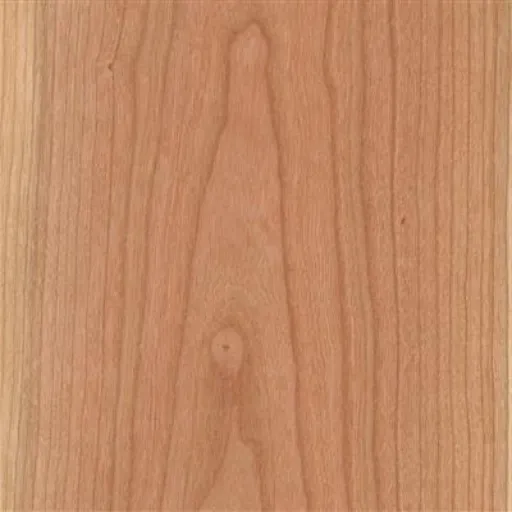
Cleaning and Maintenance Tips for Cherry Veneer Products
Regular Dusting
If you don’t want your cherry veneer to be covered in dirt and debris, you better at least dust it once a week with a soft and dry cloth or a microfiber duster. Dust won’t be able to accumulate when using microfiber because they attract it without damaging the surface.
Use Gentle Cleaning Solutions
In case you want to clean thoroughly, start with a mild soapy solution consisting of warm water with just a few drops of dishwashing soap. Soak a soft, lint-free cloth in the solution, wring it out thoroughly until it is only damp, and then gently wipe the surface. Do not let moisture reach the veneer as it may result in damage or warping. Right after cleaning, use a dry cloth to soak up any remaining moisture.
Avoid Abrasive Materials
When cleaning, be careful not to use abrasive sponges or any harsh chemicals, and avoid ammonia or bleach-based cleaners, as they will definitely ruin the surface. Whenever possible, choose products that are labeled as safe for wood veneer.
Prevent Sun Damage
Cherry veneer that has been receiving a lot of sunlight soon loses its tint. So either place your furniture away from windows, use curtains or blinds to reduce shadows, or apply UV protection on the windows.
Protect Against Scratches
Preventing scratches or dents by using coasters, mats, and placing felt underneath heavy things is always a good idea. When changing the position of furniture, lift it instead of dragging so that you do not lose the veneer surface.
Repairing Damages in Veneer Sheets
Fixing Scratches
You might want to try a furniture touch-up marker in the same shade as the veneer for the smaller scratches. You can further soften the area with a soft cloth in the end. Apply a wood filler intended for glaring scratches that can be used with veneers, sand lightly when dry, and apply close the finish in color to the area so as to hide it.
Repairing Chips and Peeling Edges
Chips and peeling edges can very often be repaired simply with woodworking glue or epoxy resin. First, clean the area, apply the glue, and then gently press the veneer back into position. Clamp or hold down the repaired area for at least 24 hours to ensure good adhesion. For larger chips, cut a veneer patch to size, insert it, and glue it accurately.
Removing Water Stains
Water stains are usually characterized as white circles or spots and are recognized by a color that differs from the rest of the veneer surface. However, it is very easy to get rid of these stains by applying either a baking soda-water paste or gently rubbing a small amount of petroleum jelly. Alternatively, one can use a hair dryer on the lowest heat setting to evaporate the moisture that is trapped under the finish.
Reference Sources
-
Hardwood Lumber and Veneer Series: Black Cherry
This document provides detailed information about black cherry wood, including its characteristics and applications in veneer production.
Source: Purdue University Extension -
Enhance Your Space with Stunning Wood Veneer Cherry
This resource discusses the versatile applications of cherry wood veneer in design, such as accent walls, ceilings, and custom furniture.
Source: University of Arizona -
Quality Hardwood Veneer
This publication highlights the growing demand for black cherry veneer in traditional hardwood markets, alongside other popular species.
Source: University of Tennessee
Frequently Asked Questions (FAQs)
Are cherry veneer sheets genuine wood or a paper back product?
Most of the cherry veneer sheets are authentic wood veneer, which is cut from a log, and then glued to a supporting material like paper or fabric. Printed paper-backed alternatives lose the texture and shine of real wood, but solid wood, wood veneer and wood veneer panels keep them. There are both plain paper-backed cherry veneer sheets and the more expensive architectural grade real wood veneer options that are book matched for table and cabinet restoration projects.
How can I get a book matched look and similar veneer species for a tabletop?
To create a book matched, symmetrical look, take sawing slices from the same log and lay them open as a book with the mirror grains aligned. Opt for veneer species—American cherry for warm pink to reddish brown tones, or mahogany-like species for darker shades—and consider flat cut or quarter cut to control grain pattern according to your desires. Vacuum pressing is a technique for high-quality results, where panels are assembled to ensure even adhesion and reduce gaps.
What is the difference between cherry and other veneer species such as mahogany?
The main comparison points between cherry veneer and mahogany are mainly the characteristics of their colors and lusters; the former usually has a satin luster and soft light to deep reddish brown color, whereas the latter can be richer and darker. One of the reasons for cherry’s popularity in woodwork and restoration is its fine texture and warmth. Both can be cut flat or quarter cut; cherry tends to be easy to cut and bend, is flexible, and works well for curved applications when used with a vacuum press or flexible backers.
Is cherry veneer the only one that can be used for edgebanding, curved surfaces and restoration projects?
Cherry veneer is not the only one, but it is the main one in woodworking for edgebanding, oak tops, panels, and restoration. A flexible, thin real wood veneer can be easily wrapped around the curves; peel and stick or PSA-backed veneers and 3M adhesive-backed sheets simplify application. For durable, high quality finishes, apply edgebanding or use a vacuum press to bond veneers to panels and substrates, then trim with edge banding tools for a clean result.
What are flat cut vs quarter cut cherry veneers and how are they produced from the log?
Flat cut and quarter cut refer to the methods of slicing veneers from the log. Flat cut (plain sliced) yields wide cathedral grain patterns and rich reddish-brown color variance, while quarter cut produces straighter, more uniform grain with subtle luster. The target of the cut type is the main difference between them; flat cuts are often highlighted for their pronounced grain and are usually used in book matching while quarter cut is common for architectural grade panels due to its uniformity.