
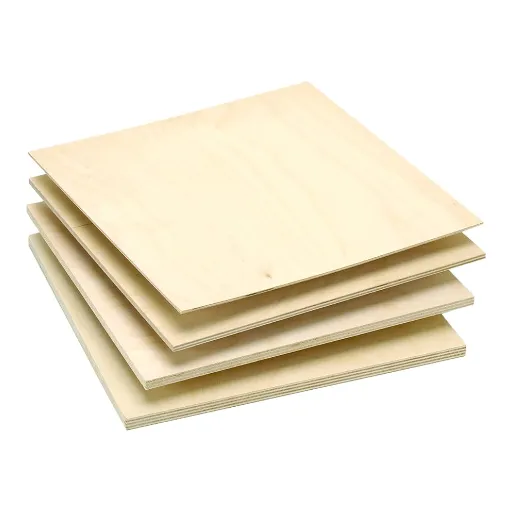
9mm Plywood: A Comprehensive Overview of Hardwood and Marine Plywood Products
If you have ever had the opportunity to build something, or even tried to design a piece of furniture, then you must be familiar with wood and its various uses, and one of those uses which stands out, is plywood. There are many qualities and sizes available, but 9mm is the most preferable thickness because it has the combined features of suitability and malleability. It will be interesting then to discuss further/extend on the topic of 9mm plywood this time. Priority will be given to wood and especially softwood and marine plywood as a comparison. Such people are likely to be looking for something that would hold their structures strongly if they are contractors, or even are likely to be creative in creating very interesting end products even at home such people would require to be aware of the existence of 9mm plywood, its key reason of trade, horizontal features, other applications.
Product Overview of 9mm Plywood

What is 9mm Plywood?
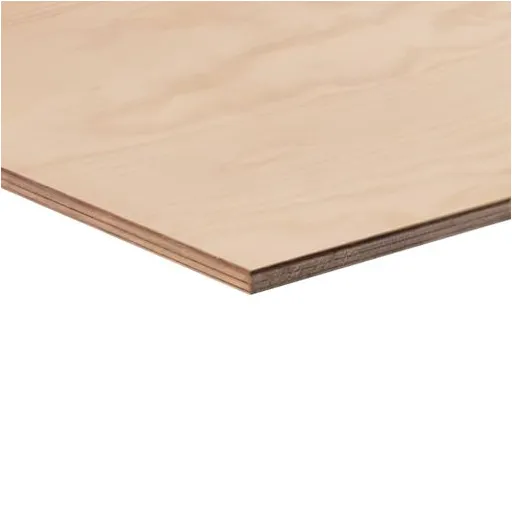
9mm plywood comprises of the thick sheets of wood manufacturd into the sheets with exactly 9mm thickness. The fabrication of the plywood is achieved by pressing and heating many thin slices of wood veneer which are stuck together by means of glue. In this case, several sheets of paper are coated and arranged such that the grains of each sheet are oriented in one direction and the grains of the next sheet is opposite to that. This is done to prevent the plywood from warping, fracture and enhance its strength as well as durability, in which it is viable in a non flower bed chrysanthemum mum inclined fashion.
Moreover, this grade of the plywood can also be simply stated as two; hardwood and marine, which have different characteristics and limitations. In the case of any 9mm hardwood plywood, it is made from any hardwood chuffs such as birch and alder which is very strong and does not require a lot of preparation. It is also possible to use 9mm boards in situations such as us in addition to the elevations and any other works where a neat finish is a must. However, marine 9mm plywood is built to take in water, has a difference in paint adhesives that are lower in Moh and are better in quality.
This thickness of materials has steadily been increasing in popularity owing to its ability to function in a variety of applications. The such well moderate thickness renders it such that it does not crack whilst being broken off to size and is another reason why it is a favourite of many workmen. 9mm plywood has several benefits even for complicated construction and such entailing assembly of fine items or outdoor work where standard wooden materials are the least durable and robust during these operations hence other experts specify such fragile wood.
Specifications and Measurements
In most cases, 9mm plywood has a 9mm thickness and the usually available flat sheet is 4 by 8 feet but converted into millimeters is 1,219mm by 2,438mm. The current form of these sheets meets the existing practices of supply to the industry and therefore supports many areas of applications in the construction beauty therapies and tanaging also adjacent products. Different measurements may apply depending on the region or the manufacturer. However, 4 feet by 8 feet is generally termed as the common size.
The material consists of layers of wood veneer that are glued together in a crosswise direction in order to enhance the resistance to deformation of the material. The specific layers of 9mm plywood may change also depending on the type (or grade) of plywood, but almost all contain another layer at the very least in order to keep the Nr. of layers consistent. Thus, such a scheme allows to fabricate a laminated sheet which is highly mechanically sound/tough, low-distortive and free from the propensity to develop tiny cracks, when used.
9mm adhesive-bonded wood (i.e. plywood) has got to be among the more popular construction materials due to the fact that it is quick and easy to mount yet has an adequate carrying capacity for some load bearing units like small to medium sized structures. It would also be of interest to state that the plywood could be functionalized on different parameters such as glued types in which case WBP would be used in waterproofing of a joinery on the outside or type of furniture in the case of interior furniture amongst others. Or, similarly, the finishing quality of the concealed face and visible face may also differ from smooth washable face, to coarse surface where the grains and edges have been sawn, sanded or simply painted to a surface that has very rough and jagged edges and has been painted or left rough. This is the reason why engineers and carpenters have been quick to take to the implementation of such a convenient material.
Benefits of Using 9mm Plywood
Durability and Strength
- High Tensile Strength: The 9mm plywood is made with cross-lamination technology adding to its tensile strength. This means it can resist stretching under the action of load; therefore, it is appropriate for loading purposes.
- Resistance to Warping and Shrinkage: The 9mm plywood, the layers have different grain orientations, which results in the excellent dimensional characteristics of warping, twisting and shrinkage even in conditions where moisture is present.
- Impact Resistance: The 9mm plywood being composed of different layers makes it very resistant to impact force. It can therefore be used in flooring, subflooring and several other purposes that have high traffic which requires flooring that is very strong.
- Consistency in Load Distribution: The layers are arranged uniformly so there is a balanced strength throughout the 9mm plywood. Thus, the load applied on the shelf is distributed evenly which is very essential in shelving, roofing and even furniture making.
- Adaptability to Harsh Conditions: Various types of exterior-grade 9mm plywood, include varieties with WBP (Weather-Boil-Proof) adhesive. Such plywood types are resistant to moisture, temperature changes, and even exposure to direct sunlight; therefore, durable in use outside the premises and under unfavorable atmospheric conditions.
Cost-Effectiveness
- Utilization of Resources: In comparison to hard wood, 9mm also is highly efficient in terms of material as the thin wire of wood that forms the plywood is cut at over the width of the wood shaving as the continuous forms of the veneer do not waste entire pieces of wood, only small dimensions. This efficiency is cost reducing yet maintaining high strength properties.
- No Transportation Issue: In the deriving, it’s a form of plywood, therefore one can find 9mm plywood at any corner of the world. With the high level of production, also factor in the various market demands in place since the market is quite open to fit the buyer, costs of moving the product do not vary much, hence children adapt efficiently with no extra help on the prices.
- Strength and Duration: These products are light as it has resin coated to adhere and compress the thin Ply furnaces which is a plus for deforestation. Additionally, when used to build homes, the plywood is able to last longer before any scrapping or repairs take place.
- Flexibility in Use: Due to the additional stableness and strength of this type of the product, it can be used to make cabinets, beds, tables, and several other items, reducing the number of materials that one has to buy leading to economical management of project funds without compromising quality.
- Decreased Labor Fees: 9mm plywood, due to its less bulky but still strong composition, makes it very easy to handle and fix, resulting in reduced costs and time of labor, especially for projects with huge scale sizes that require a quick turn around.
Versatility in Applications
9mm plywood is a very flexible and adaptable building material. That has made it quite desirable for many industries. Even surface and high standard strength attributes make it possible to be used in various circumstances. 9mm ply is often used in the manufacture of furniture because the finish is neat and can be cut precisely into different patterns on the ply yet the strength is not sacrificed. It is definitely, also, a good material to use in making cabinets and a lot again panelling because it can handle a certain degree of weight without the pure stretch being quite visible.
In construction, 9mm plywood is workable for building lightweight walls, for composite floors and even for sheathing jobs. Despite the qualitative evaluation of the denseness, the elasticity and toughness still allow it to achieve the required stiffness or deflection. Such materials can be easily transferred into the domestic and commercial buildings concept where the economy and dependability remain paramount.
Additionally, 9mm plywood is compatible with a variety of finishes such as paint, veneers, or laminates, thus increasing flexibility in design. This allows the users to modify the material so that it meets the aesthetics while still serving its purpose. Such flexibility makes 9mm plywood a resource which is highly applicable to a considerable number of sectors. In view of its economic value and simplicity in handling, there are more reasons for using this material-both by specialists and by amateurs.
Common Applications of 9mm Plywood
Construction and Framing
Even in case of moderate loads, 9mm plywood boards are durable enough to provide necessary rigidity and prevent any deformations. This allows to use it as a substitute of a heavy steel beam where this is needed for various structural elements. For example, it is very often positioned underneath any kind of wood flooring as it provides an even base for its subsequent laying tiles, vinyl or hardwood. Moreover, supporting a construct through the use of timber, may result in constrictions related to the over weight capacities of the element. Further, the inherent stability of timber contributes to slimmer sections and lighter weight structures, which is particular suitable for flat structures and pre-fabricated elements.
The fact that 9mm plywood is also an easy bolt quality allows for application of various methods of fastening such as nails or screws or even adhesives that make it not only easy to connect but also with lesser chances of breaking of the joint. It’s the suitable feature that makes many builders and developers use this type even when the structure being erected is to be subjected to changes in environmental conditions like humidity and temperature. The safety features in kiln-dried 9mm sheathing is fitting for high humidity or high rainfall regions of the country where it provides excellent moisture and dimensional stability features contrary to it being moisture prone. If the expense is measured against the other weights of the plywood, one would agree that these goes further when it comes to internal walls within interim or non-loadbearing structures executed in parts.
Besides, 9mm plywood has the ability to fulfill artistic demands as well. It is extensively used in the formation of bending or engraving intricate designs, sound absorbing panels, or double curves, latticework carving and the so-called kerf bending technique. This very property allows scaffolding designers to create not only functional but, two-sided appealing three-dimensional structures alike with external form. With this, 9mm plywood serves as a good tool to address both the technical and the aesthetic considerations for the construction of the buildings. It pinpoints particularly where this material finds extensive application – artwork which is known as modern architecture.
DIY Projects
Many individuals turn to 9mm commonly in DIY activities as it offers a good balance of strength, easy handling, light weight and workability. It is effective with most small to medium applications since its thickness is good enough for the use, whereas it is rather easy to cut, mold or even sand using mechanical woodworking tools. Moreover, the veneer structure with this plywood particularly favors those individuals who are interested in painting, staining, or applying proper veneers as it offers a good surface that is almost as good as that of a rectangle.
9mm plywood is quite common in the world of DIY projects for furniture finishing. It can, for instance, be used to make uses such as shelves, side tables, or shelves where more weight can be accommodated with no damage and which should be simple in design. This is because the veneer layers of the plywood are mostly flat, which helps in minimizing the amount of shrinking. Nevertheless, the tarpaulin logs are also highly favored in the construction of interior cabinets as the tarpaulins are smooth on both sides without many screws and very resistive to crack because extreme construction is impossible.
The domestic use of 9mm plywood is also quite high because of the fact that this product is light. Interior projects are carried out using boards and detail; one can come up with amazing designs of wall paneling, shiplap and even alternative ways of making materials for the headboard. In addition, the woodworking properties of plywood render it particularly useful for acoustic panels, like in loudspeakers or in the construction of models for hobbies. Further, the use of 9mm plywood is further reinforced by its wide availability and low cost, as a preferred material for both professionals and beginners. The 9mm plywood thickness has made a highly modern internal generation in the construction field.
Marine Uses and Specifications
Large quantities of factors should be considered when one decides to use 9mm plywood in water related affairs as it needs to withstand all forms of environmental impact including the exposure to water, salt and the like. This water-resistant material encompasses a set of high-quality wood strata connected with durable, moisture-resistant glue so that the number of pores and cracks inside is minimal. It is this good connection that prevents water from entering the inside of the outer layer of the material and development of microorganisms.
In compliance with BS 1088, marine plywood as it is more commonly known, should have superior ability to withstand shearing, peeling and twisting under the impact of adverse forces. It is more often made up of hardwoodsuch as Okoume or Mahogany among others ‘off the’ marine plywood has a very even surface which can be in particular appealing from a aesthetic perspective and also in terms of constructing a boat hull, a dock or cabinets in a vessel.
One of the most significant features of this variety of the mahogany plywood is that its high mechanical stiffness would enable it to be relatively large with long spans of rooms. Ensuring structural adequacy in terms of the horizontal bracing is essential for the maximum performance of the delegates of the component.
Cutting and Working with 9mm Plywood
Best Practices for Cutting Plywood Sheets
In making cuts on plywood boards, et cetera 9mm thickly, marine type, the proper tools and working guide should be used for the accomplishment of precise and high standard of work. To help, avoid chip and splinter, it would be constant to use a sharp carbide-tip blade with high teeth specific for cutting of plywood or veneered surface on the blade rim. Since the blade has no beneficial effect to the plywood and only takes off up to 5 mm or so from the perimeter outside of the cut line, blade like an 80 teeth circular saw blade or a fine teeth jigsaw blade should be preferred.
The right way of cutting entails that doing so is always in the most stable and solid manner as possible thus the sheet should be flat and immovable when you do that. Plywood can be fixed when cutting by using clamps which prevents pulling the cutting tool in any direction in addition to keeping the cutting safe. Very importantly, for the correct position of wood fiber in boards, several professionals will fall back on this method in such cases: scoring the line with a utility knife before sawing so that fine grain explodes only in the scored area.
High constructions are multifutious, that is as far as the possibility of achieving precision is concerned; it in this aspect that the application of straight edge or guide rail system can yield desired results. If the plan is to cut a large sheet to reach a specific shape, mask the cut line with adhesive tape. Defeating the chock-a-block design developed by the higher-end manufacturers, this procedure is the most efficient in preventing tear out of wood fibers on the faces (If any). Furthermore, it is also advisable to use the right cutting rate, especially during machining, so as not to overstrain the blade, as the insert must remain healthy.
It goes without saying that there are certain safety concerns within this operation. Protective gear such as dust masks and protective eyewear can be utilized in cases where the timber splinters caused by cutting might pose a hazard. Proper dust management is also necessary for such a work environment in order to prevent additional respiratory problems which an individual would not want to formulating. This is especially important in the case of treated marine plywood.
Tools and Techniques for DIY Enthusiasts
People who enjoy DIY, who participate in this hobby, need to select the appropriate instruments and develop the right ways as well as also to bring the quality of a work ciceli over to a level. There is no gain saying the fact that precise cutting tools like the jigsaw, the circular saw, and the scroll saw are absolutely essential to any work done with different materials such as plywood, MDF, and hardwood. These tools tend to each have limited uses; for example jigsaws are used for complicated and curving cuts and circular saws are used to make most of one piece that is odd size but must still give off a neat look.
One of the major handbook for the hand tools borrower is their maintenance. Blades should be checked on a regular basis for sharpness, wood shavings removed and moving parts oiled and other maintenance checks performed on a regular basis so as to maintain the level of efficiency they are intended for and reduce the possibility of wear.
Should one of the more advanced joinery techniques be adopted, such as a biscuit joiner or a pocket hole construction, the respect for the rules of alignment and measurement will ensure the structure and appearance of the object are up to the standards. Using modern tools such as laser levels and digital angle finders increases the chances of having better workmanship and reduces any chances such as errors due to wrong estimates as everything is being done with precision. Dustless sanders and the preparation tools are useful to keep the surfaces ready for the final finish prior to staining or painting.
And at the same period, equipped with the latest tool innovations such as the brushless motors in the power tools and carbide-tipped blades evolvement, the devotees of the craft can undertake much more intricate tasks with ease.
Professional Tips for Construction Projects
- Create a Comprehensive Project Scope: It is necessary to create a project scope or break the project down into elements that is, project tasks together with the timelines, cost estimates, and materials. Leveraging appropriate project control software other than the availability of a scope statement is necessary to enhance project communication and records monitor.
- Cure the Use of Special Materials and Tools: When it comes to the choice of tools and materials for any seemingly a tedious work, some important selections made can significantly make the constructability efficient and durable. In construction, specialized equipment such as self-leveling lasers and advanced concrete mixers has been shown to enhance accuracy and performance.
- Ensure Safety is a Topmost Concern: Ensuring all project participants are buying into all safety policies should involve the provision of PPEs and equipping of all personnel with appropriate skills to mitigate any safety risks. Additionally, a proactive approach such wire sensors will serve as optimal tools in enhancing fatigue and accident monitoring of individuals.
- Adopt Sustainable Practices: Economic and environmental sustainability becomes a greater concern everyday andthis especially relates tothe construction industry. This means that people are expected to make use of energy-saving techniques, put into good use the materials that have not been used and also opt to utilize other products which are safe and cost-friendly like odourless paints or well – managed plantations of wood.
- Leverage Smart Construction Technologies: The popularization of digital technologies has significantly expanded the horizon of the building industry notably augmented by the adoption of digital building technology namely Building Information Modeling (BIM) that fosters collaboration and reduces the number of failures, as well as developments in drones for detailed surveying and monitoring of the site and construction progress.
- Optimize Resource Allocation: Outsourced support to better manage people and materials lowers waste. There are advanced information systems that facilitate time control for construction operations. This makes sure that the resources available are used with minimal idling.
If the above stipulated principles of governance are put into use, then the physical projects are executed with more control and higher quality, safety, and environmental aspects that comply with the current standards of practice.
References
-
Testing and Design of Light Gauge Steel Frame 9mm OSB Panel Shear Walls
This research explores the structural performance of 9mm OSB and plywood panels in construction. - Click here to read more.
Frequently Asked Questions (FAQ)
Q: What thin plywood types are most frequently used in construction?
A: Typically, 9mm plywood may be used for semi – structural or non – structural purposes for which the weight is given more importance than the covering or the load carrying strength scope. The most common examples are roofs or sheathing and subfloors for light weight buildings where the roofs or floors are not covered with the heaviest timber or steel exhibits. In the case of cabinets and furniture, 9mm plywood can be used as very strong panels for such applications as the bottoms of drawers, the backs of the cabinets, and the partitions inside the furniture. Its cross-section on one side has good flexibility and stability, which allows for the works of the formwork built out of thinner elements to be executed in a lower radius than it would be possible with elements of the formwork made out of thicker panels.
Q: What is the effect of the grading scale on the quality and the purpose of 9mm plywood?
A: The grading system helps to sort the different varieties of plywood using parameters of the finish quality of the layers on both of its sides, which also determines the quite possible uses of it. For instance, A-grade faces are free of defects and have been sanded to a smooth finish, suitable for furniture or exposed wallboard. Alternatively, ‘C’ or D grade panels will possess intergrowth and other defects, and are more fitting for use on warehouse walls or pallets where strength is more necessary than beauty. Such knowledge becomes helpful in selecting the appropriate grade of 9mm plywood in terms of strength as well as appearance for the specific application.
Q: Can 9mm marine plywood be used outdoors or not?
A: Marine grade 9mm thick plywood combines high quality veneers using waterproof phenolic glue (WBP) suitable for long-term use in humid conditions. However, even though the glue remains waterproof, the wood structure remains hygroscopic. Hence, regular maintenance of the coating of the plates is a must to ensure long service life of the plates. This particular type is mainly used in making boats, piers, bathrooms or wherever there is a direct and sustained effect of moisture on the material owing to its excellent resistance to delamination in comparison to usual interior or even exterior types.
Q: What is the load capacity of a regular 9mm plywood sheet?
A: Structural capabilities of 9mm plywood may significantly alter with varying conditions such as plywood support span, timber type locked in a framework, and nature of loading. Under normal circumstances, the 9mm panel is not intended for thick floor loads unless a rigid system is constructed. For light constructions such as shelves or cabinets, it may take a fair load as long as the span is relatively short, less than about 400mm, or strengthened with frames. Work on the specific tables to check the load factors and deflection design of the structure, and the safe loads engineers can work with structural plywood.
Q: But, in terms of structural strength, how does 9mm plywood fare as compared to the same thickness of the OSB board?
A: Though both materials are composite wood panels, 9mm plywood appears to have improved stability with respect to expansion and contraction as well as tolerance to contact with water than 9mm OSB. Its lamination of layers of thin wood starts together constraining the linear expansion and contraction, although in OSB, moisture can cause edge swelling. Moreover, plywood2 is more convenient to work on as it was smoother – oriented strand boards tend to be slightly rougher due to the processes involved in their making. On the other hand, OSB tends to be an economical choice and is uniform in strength throughout the thickness due to absence of internal spaces. This will depend on how much the finish, tolerance to moisture and cost is emphasized.
Q: What kind of cutting tool should I use to cut through a piece of 9mm plywood effectively?
A: Under such circumstances, the need arises for carbide-tipped blades with 60-80 tips for precise, non-splintering cuts on 9 mm plywood. A table saw fitted with a zero clearance insert has the added advantage of providing support to the fibers in the wood along the cut, which prevents tear out. When working with a jigsaw, the use of a down cut blade helps in reducing the chip out of the surface veneer. We suggest applying masking tape over the cutting line and scoring the veneer with a utility blade first for a neat edge finish, especially in the case of finish shelves or joinery work projects.
Q: Is it possible to use 9mm plywood in laser etching or CNC machine processes?
A: Certainly, 9mm plywood is largely used in CNC machining and laser cutting processes, owing to its uniform thickness and sound structural performance. It is always essential to the user interested in laser cutting plywood to pick interior panels that are glued together with urea-formaldehyde and not panels of exterior grade glued using phenolic adhesives which have a tendency of burning further and require more laser energy. Birch or Poplar infill is better for this service as the boards will have less aeration which translates to clean and elaborate cuts without structural damages.
Q: How is it recommended to attach components on 9mm plywood?
A: The use of screws and nails for fastening the 9mm plywood should be chosen carefully to prevent it from splitting. It is advisable to choose wood screws with countersunk heads and drilled pilot holes that are smaller in diameter than the screw shank. As the thickness of 9mm is not thick enough, deep attachment of screws is not required and must be avoided for no serious penetration on the other side. In case you need to assemble the unit and do not want to use any fasteners, pneumatic staples and brad nails with high strength wood glue are best for holding purposes. When the assembly includes steel framing, self-drilling screws with wings are a must to increase the clearance of the timber prior to driving the screws into the metal frame.
Q: Is there a need to acclimatize 9mm plywood prior to installation?
A: Yes, letting 9mm plywood sit for some time is necessary in order to avoid deformation and buckle after installation. We do not advise storing the panels in this state for less than 48 hours in the installation environment. This step is carried out to ensure that the humidity level of the wood is balanced with the humidity and temperature of the created environment. Sheets must be properly stacked with stickers to avoid bowing of the wood as a result of different humidity levels in different parts of the stack, especially in thin sheets such as 9mm.
Q: Are there any fire-resistant features present in the typical 9mm plywood?
A: Plywood, even if it is called 9mm p informed is a material that is, as any other wood is, takes firm and slow basis and fire. On the other hand, there exists a special flame retardant grade of certain plywood that can satisfy the fire safety requirements with no problem, and it is either eternally or expended in the public and/or commercial buildings. All of these articles contain components of a chemical composition that reduce the rate of flame spread and extent of smoke production. It is important to make sure that the chosen type of plywood has been tested for performance in an application which is likely to be against certain fire ratings (i.e. Category A, Class 1, etc.), as the local building regulations will specify. Do not consider standard plywood without treatment as salt to park-island, because untreated plywood will not surpass such stringent conditions.