

Natural Wood Veneer: Enhancing Interiors with Walnut and Other Varieties
Natural Wood Veneer is the most marvelous blend of elements that is present in interior design as it carries beauty, purpose and sustainability. It is very popular for its decorating functions and designing wood finishing, as it makes rooms look smart much like those made with solid wood although the finish in real solid wood products is also very exquisite besides the fact that this facade is economical. This paper delves into the realms of natural wood veneer, specifically saluting the classic walnut veneer among other striking species. May it be warm and cozy or sleek and contemporary, knowing the distinct features and purposes of these veneers would enable one to choose designs that would enhance the space.
Understanding Natural Wood Veneer
What is Natural Wood Veneer?
Natural Wood Veneer refers to a thin sheet of solid wood that is either sliced or peeled off from the log, then fixed on a surface such as plywood, particleboard or MDF. One of the biggest advantages of natural wood veneers is the fact that they are real timber unlike most of those artificial ones in the sense that they incorporate the grain, color and look of the wood from which they have been made. As such, they are highly desired in the replication of the elegant look of hard wood but a much cheaper price.
Natural Wood Veneer is one of the most ecological woodworking solutions available. The reason being, veneer involves very little wood compared to manufacturing of solid wood, and therefore helps utilize the logs to their best and brings in less waste. It is for this reason that even upscale wood types such as walnut, oak or maple can be incorporated into products designed and manufactured without contributing to depletion of resources corresponding to the conventional mode of woodwork. Furthermore, veneers can be glued on stable core materials and retain their own strength for a long period of time, and thus do not encourage warping unlike wood to be used for construction.
Natural wood veneer is a functional power that is widely applied for furniture, cabinetry, paneling, and other decorative surfaces. Therefore, it can be a very interesting material as it can be used on curved or irregular surfaces in more detailed and creative ways. If used carefully and with regard to its use and its possibilities, veneers can provide the beautiful look of solid wood that is extremely warm and yet quite versatile so that it is very useful in today’s projects post production and is green post production.
Benefits of Using Natural Wood Veneer
- Indulgence of Eyes: Natural Wood Veneer encompasses the goodness and the strength of wood that cannot be compared with anything visual. The patterns embedded within the grain and the ability to incorporate such structure elevates the project to the design provided and made capabilities possible.
- Ecologic Substitution: Veneers are preferred because they can be procured from one log in excess than other solid wood products, and this is made possible as the leaf of the timber is in thin strips. Vegan natural wood veneer is the only option which does not carves out the wood resources and also does not generate much of the wood scrap.
- Resilience Against Climate: Solid wood has a wicked tendency to eat firms for s ever more movements and deformations during its use whereas natural wood veneers when fixed on plywood or MDF or other engineered growth boards are enhanced in the same. Hence, in most applications, this enhances longevity since the likelihood of deforming due to moisture content and temperature fluctuations is addressed.
- Range Design – Versatility: Veneers, owing to their lightweight and flexible properties, render suitable for detailed design and use on both forman and informanyagged surfaces. The thin sheets are available in a wide range of wood types, finishes, and can be tailored to meet the needs of endless capabilities for various building professionals as architects and designers.
- Economics of Cost: Natural Wood Veneer is a cheaper alternative which still retains the look of fine wood. With the use of thin pieces of wood an expensive looking hard wood can be used in a project without much cost on the materials.
Types of Natural Wood Veneer
Natural Wood Veneer is sold in a range of options, each being custom-made to fulfil particular physical and visual needs. The core types are raw veneer, paper-backed veneer, and phenolic-backed veneer. These varieties have certain distinct properties that enable their easy use in contemporary design and construction practices.
- Raw Veneer: The main raw veneer is simply a sheet of natural wood that is not processed in any way and has no impregnation or coatings. You can use the material from either side, as it does not have an adhesive backing. Such an option makes sense in work that allows applying different strategies to achieve bespoke effects such as complex marquetry or precise pattern veneer.
- Paper-Backed Veneer: Paper-backed veneers are placed over a very fine layer of paper which makes the veneer more flexible and minimizes chances of damage when applying it. Since paper-backed veneers are quite durable and easy to work with, they assist in covering excessive length structures, for instance curved surfaces.
- Phenolic-Backed Veneer: Phenolic-backed veneer represents a more advanced version of this thin wood product, enhancing its resistance to moisture and deterioration. The backing consists of resin impregnated paper or cloth and it is stronger than the usual ones. This is beneficial for places or applications that require high-usage, or that need to be durable and last long.
This is because natural wood veneer comes in a wide range of materials, which enables designers and manufacturers to blend all these expectations: aesthetic appeal, functionality, usability, and reliability in one. Therefore, wood veneer is applicable in almost all industries.
Wood Veneer Panels in Interior Design
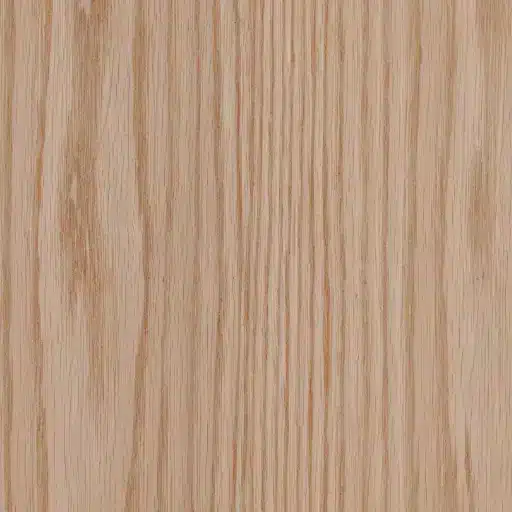
Applications of Wood Veneer Panels in Interiors
Wood veneer panels are extremely functional and found in interior assembly on a large scale as they serve multiple roles. They have been preferred in several cases because they simulate the appearance and feel of a wooden surface but at a relatively reduced expense. Below are examples of how wood veneer panels are applied in interior designs:
- Application in wall cladding:Even for minimalist interiors, wood veneer panels can be used as wall cladding elements to bring extra warmness, texture, and elegance to the design. They are a green alternative to solid wood, giving off an upscale look. Research reports identify wood features in design as improving comfort levels with seven out of ten people noting using raw finishes in the office.
- Furniture Making: Film faced and natural wood veneer panels are among the most commonly used basic elements of furniture such as tables, cabinets and shelves. They offer the benefit of being much lighter and also, much cheaper than a solid slab of timber, and therefore allow more complicated shapes to be made.
- Ceilings: For maximum effect of ceilings, weather for acoustics or visual appearance, architects and artists design wooden veneer panels ceilings. Several applications benefit from the use of grooved or perforated veneers as locks and stiffeners for sound, like large auditoriums and meeting rooms.
- Doors and Partitions: In case of real wooden doors as well as room partitions, the main focus is on their weight and aesthetic nature. Due to these reasons, it becomes more common in corporate offices, luxury hotels, and even apartments as the need for neat yet clean partitions is always there.
- Cabinetry and Storage Units:Whether it is the kitchen cabinet or even a wardrobe, veneered panels are preferred because they do not present warpage and fracture issues as untreated wood does. They allow smooth finishes and other design elements that are conducive to varying aesthetic tastes of both consumers and contractors.
Every use demonstrates the advantages of wood veneer panels, thereby explaining their commonality in current interiors. They are affordable, green, and aesthetically pleasing elements for achieving various design purposes.
Utilizing Different Wood Veneer Sheets
When opting for wood veneering sheets, you have to bear in mind a few things like the type of wood, thickness and any reinforcements to ensure that your desired results for certain applications are met. This is because the type of wood that you choose when buying a wood veneer sheet will influence the appearance like texture or colour as well as the mechanical characteristics like strength or durability. For example, veneers of oak or maples or oaks are often as good as those known for other woods because they are able to be strong, which is bearable when there are people in the populated areas. At the same time, veneers of walnut or cherry are more aesthetically pleasing because they add warmth to the decor and hence improvement in luxury aspects:
In comparisons, oak, maple and walnut veneers look similar to each other only because walnut look-ally osoby to oak or maple are stronger for more active places. Natural Wood Veneer Cherry and Walnut components are pretty pretty warm which makes them desirable luxury decors; they also tend to have warm rich colors; ffpuffievable englewood carpets also gives a touch of warm intelligent shudders.
The thickness of the veneer is an important factor when considering the use of veneers on curvy or even wavy surfaces. Thicker veneers are durable and more wear resistant while thin veneers are very easy to manipulate and apply on other complex surfaces. The use of any backer ranging anywhere from a regular paper backer to a Pelican backer, for example, is also one of the things determining how stable a veneer is and how easy it is to lay out. Natural Wood Veneer with Phenolic backing on the other hand is more waterproof and also marine plywood that prevents warping making it ideal for use in wet areas like the kitchen or the bathroom.
Taking ratios and advances in practice into account and equipped with the modern day tools and machines, architects, interior decorators and craftsmen, can incorporate the capabilties of different wood veneer sheets to design functional spaces that are strong, attractive and meet the modern day sustainable requirements and design expectations.
Veneer Manufacturing Techniques

Types of Slicing: Rift, Saw, and More
The wood veneer industry is highly dependent on cutting precision. The way the wood is sliced affects both its attractiveness and applicability as wood veneer sheets. Every slicing technique provides particular features and is conditioned by the required look and function of the veneers.
- Rift Slicing: Rift slicing is done by angling the log against the straight grain; this produces a vertical clean grain. The resulting appearance is very simple, for it produces a uniform grain. Therefore, this method of cutting is often applied in the development of many modern and minimalist aesthetics that require a neat look of rift-sliced veneers. This is mainly because these have been found to possess superior rift grain characteristics and hence rift slicing is mainly done for white oak and such related hardwoods.
- Plain Slicing (Flat Slicing): One approach, known as plain slicing, involves ensuring that the log is cut along its growth rings. An appealing and flexible “cathedral” grain pattern is displayed across the surface, which is its consequence. Most architects prefer plain-sliced veneers for the cabinetry and furniture because they are more economical than other types and give an appealing decorative look in a raw state due to their finishing.
- Quarter Slicing: Quarter slicing is unlike plain slicing and comprises sawing the log across the growth ring of the tree so that straight grained veneers are ultimately produced, thicker than usual veneers from plain slicing. Mainly used with wood species like mahogany and walnut, quarter-sliced veneers work well for producing an elegant and sophisticated look, usually found in luxury interiors and high-end furniture.
- Rotary Slicing: Natural wood veneer is carved out in the form of a thin sheet with a minimum thickness from the bark of logs. The technique is very efficient in terms of raw material consumption and creates intricate yet boring patterns of wood grains. Due to this, rotary sliced veneers find great use in plywood production as well as decorative panels since they are cheap and have a particular aesthetic appeal.
- Half-Round Slicing: It is a method that brings together elements of rotating and regular slicing which is also known as half-round slicing. Such veneer tends to possess the properties that one would expect against small effort.
Veneer production processes of different slicing types that will bring maximum quality at the least waste depending on the project details, keenly deployed by manufacturers, achieve the desired objectives. Such like methods of veneer trimming keep refining as technology and machinery become more punctilious, allowing intricate veneer cuttings to be pre-made in line with current design fashions.
Engineered Veneers vs. Natural Veneers
Engineered veneers offer consistency and modern aesthetics, while natural veneers provide unique, organic grain patterns and textures.
|
Key Point |
Natural |
Engineered |
|---|---|---|
|
Appearance |
Unique grains |
Consistent look |
|
Texture |
Organic |
Smooth |
|
Durability |
High |
Moderate |
|
Cost |
Higher |
Lower |
|
Eco-Friend |
Sustainable |
Less sustainable |
|
Versatility |
Limited |
High |
|
Defects |
More surface flaws |
Fewer flaws |
|
Production |
Direct from logs |
Reconstructed |
|
Use Case |
Premium projects |
Modern designs |
|
Maintenance |
More care needed |
Easier upkeep |
Innovations in Veneer Production
With the modern-day development of engineered natural wood veneer, new technology is used, which conserves both time and resources, making the production more meaningful. One example is the new laser aided handling and peeling techniques used at peeling factories to minimize material residue and produce panels having very thin sections of the wood. The use of lasers ensures the production of sheets having guaranteed thickness across always that benefit the quality control and also the losses of material. Besides that, some companies are already sensitizing deploying automatic defect recognition machines supported by machine learning techniques which confirm the accuracy of raw veneer sheets identification at the production stage.
Another resourceful milestone is built on the invention of the eco-friendly adhesive products and all equipment for finishing purposes. Water-Bourne and Zero-to-Low VOC adhesives are fast becoming popular owing to tight environmental policies as well as health conscious eco-friendly products gaining popularity amongst consumers. Such adhesive agents make it possible to process veneers without all the suffering that is inflicted on Nature, ensuring that the enclosures become safer for the occupants.
In addition, printing is also done using natural wood veneer printed patterns on veneer sheets to eliminate over exploitation of timber resources. This technique allows for the beautiful imitation of rare wood textures as they depict super-premium quality wood material which, in turn, helps to save money on rare wood production. All these improvements combined are remodeling the industry of veneer production with an aim to achieve product excellence without explicitly disregarding environmental sustainability.
Choosing the Right Natural Wood Veneer

Factors to Consider When Selecting Veneer
While choosing natural wood veneer, there are some important aspects that focus on making the product both elegant and practical. To begin with, it is crucial to notice that types of wood affect the resulting appearance of the wood due to availability of different grains, colors and texture. Also, it is important to define the method of cutting such as plain and quarter slices, rotary cuts and others that influence the appearance of the grain of the veneer in accordance with the design to be achieved.
The other factor to take into account tis the thickness of the veneer, 텖eneers being less expensive at the cost of durability will not make veener preservation possible over longer duration whereas on the other hand thicker veneers durability will be over the expense of cost considerations. Another reason why these grades must be at the very least identified is because there are different grades of decorative veneer surfaces.
Moreover, sustainability certifications such as FSC and PEFC play an instrumental role in making sure that the materials come from well-managed forest plantations. Also, it is appreciated that in this paragraph, we appreciate the furniture application, e.g., it is useful for wall units, cabinetry, kitchen units, etc. and helps determine whether certain treatments such as UV protection or waterproof surfaces are needed or not.
Lastly, These finishes could include, staining, polishing, sealing and others all vary from breed to breed the implications of which must be understood before selecting a particular species. It is these considerations that when well understood guide the informed choice of veneer that is admirable to look at, will last and is eco-friendly.
How to Match Veneer for a Cohesive Look
To perfect the art of veneering, it’s important to prepare and execute the operations meticulously. For this to work, the same flitch or log should be used for gathering all the necessary veneers to ensure that they are of the same texture grain and color among other aspects. The rationale behind this approach, which is called “flitch matching”, is to minimize the comparative patterns that make the joints more apparent. In addition, one must know the type of cut the veneer is made from, whether it is plain cut, quarter cut or rotary cut. These types of cuts each have a different grain pattern which will affect the design and style.
Furthermore, while adding veneer, the sheets themselves should be positioned and fixed in a particular fashion. This can be achieved using a number of methods. However, book and slip veneers are the most traditional, decorative techniques. A book match is a set up where veneer sheets are arranged in pairs, mirror image. A slip match is a set up where veneer sheets are continuously placed without flipping over the sheets, in the vertical direction one after the other. Additionally, one should be careful while installing veneer by changing or adding more lights in the workplace and how strategic and integrated lights are taken in consideration and planning the design layout without altering lights and working only with present one. This is due to the fact that veneer, in particular, is more susceptible to light changes than any other material and hence the same veneer can look different in different parts of a building.
Ultimately, the levels of humidity, heat and climatic conditions at the place of installation should either remain constant during and after in order to prevent deformation and any color variation of the product. Using these practices, the surfaces created by applying the veneer process can achieve an aesthetic and pleasing look which is appropriate for use in organizational and more super specifically residential applications.
Common Mistakes to Avoid When Using Wood Veneer
1. Substrate Preparation – An Overlooked Aspect
Not preparing the substrate elements is one of the crucial mistakes while applying wood veneer. Not treating or cleaning any surface accurately can deform the veneer, making it to form bubbles or come off entirely as well as showing unevenness on the surface. Once the surface has been leveled and cleaned from debris or dust, the surface to be veneered must be flat, dry and free of any substances.
2. Incorrect Use of Glue
One should note, however, that glue can vary for different reasons and not all are suitable when it comes to wood veneer. If the adhesive used does not match the veneer or the substrate, there may be weak bonds that later come off due to inefficient adhesion. Instead, you have to rely on the specific veneer glue provided or veneering adhesives, which take care of the application-related environmental conditions, especially insulation or humidity.
3. Avoiding Acclimation
A common mistake is when the veneer isn’t adapted to the conditions of the place it is being installed. Variations in temperature and humidity cause the veneer to shrink and swell, and this in turn can cause cracking or buckling once installed. To prevent this from happening, it is good practice to leave out the surfaces to be veneered including the veneer itself in the space where installation will take place for 48-72 hours.
4. Excess Pressure Operation
Even though pressure is necessary while gluing the veneer onto the surface, overly pressing or uneven force can also destroy the veneer material by way of tearing, distortion, creasing or pleating. Use the appropriate equipment like a roller, or a press to make sure the applied pressure is regular and manageable.
5. Forgoing Edging
Failure to encase the No exposed poly what so ever in veneer often contributes to another occupational hazard. For some reason, ageless or unsealed edges are able to cause damage to such applications as they appear long-standing and well-functioning. Fill those fill binds and over sands the edges so that these are flush and no joints edges are visible.
6. Underestimating Maintenance Requirements
After the process of installing the product, most of these people stand idly by and do not perform any maintenance which is however necessary to avoid early aging and color spoiling of the wooden structure. The Natural Wood Veneer cannot be rubbed or cleaned in any manner and finished whenever the ‘shine’ is worn off, more or less. Itilians should not present bleach, alcohol and ample water, but rather friendly cleaning materials and wash clothes.
Avoiding the mix of these simple mistakes and sticking to basic standards in applications of wood veneers also ensures their prolonged useful life and looks.
References
-
The Effects of Water-Based Color-Protective Barriers on Natural Wood Veneer
This study investigates the impact of protective barriers on the appearance and durability of wood veneers. -
Some Physical and Mechanical Properties of Bamboo Mat-Wood Veneer Plywood
This paper explores the strength and properties of wood veneer combined with bamboo mats. -
Valorization of Wood Resources for Decorative Veneer Cutting
This research focuses on sustainable practices in veneer production and resource conservation. - Click here to read more.
Frequently Asked Questions (FAQ)
Q: What is Natural Wood Veneer and how does it differ from solid wood?
A: When we speak of a Natural Wood Veneer, we mean a thin layer – a “veneer” – applied over a base material to mimic the looks and feel of actual timber. The main difference from solid wood is that it involves less use of native material as well as better covering of larger spaces due to the uniformity of the circles; consequently, it preserves the appeal of wood texture while minimizing consumption of lumber.
Q: Can Natural Wood Veneer be finished and refinished like solid real wood?
A: There is no reason why Natural Wood Veneer should not be sanded and finished as often as though it were a solid real wood, albeit in moderation. Slight thickness or even, slightly thicker one, let you sand the veneered former more than once whereas very thin coats or treatable surfaces, without sanding option, accept only coloring, oil or lacquer simply because it will destroy the entire surface.
Q: What types of cold climates and exotic species of trees there are which provided as Natural Wood Veneer?
A: Natural Wood Veneer comes in many different species of wood available such as the oak, and the walnut, the maple, and the cherry and the mahogany as well as the exotic ones. With such a large number of choices, designers can create designs that range from traditional and formal to warm and relaxed without compromising on continuity in large-sized paneling.
Q: Is it possible to use Natural Wood Veneer for furniture or cabinetry?
A: Yes it is, provided that the Natural Wood Veneer is applied and finished properly because it is suitable for furniture and cabinets and millwork finishes. The actual wood is provided by the layer of veneer, and the support for the wood comes from the stable substrate. Finishes applied to the surface of the substrate help in preventing scratches and maintaining the size and shape of the substrate after exposure to moisture and frequent use.
Q: How Do You Maintain Natural Wood Veneer?
A: Preserve a Natural Wood Veneer Treatment mostly by brushing the surfaces regularly, wiping them with a damp but not wet soft cloth and exposure to mild soap would not hurt and avoiding sanding scrubs. Also, rustic surfaces may be a reason to prove the surface with oil again from time to time, however, for sealed and lacquered veneers protective polishes must be used sparingly.
Q: Is there any reason why it might not be a good idea to have Natural Wood Veneer installed in areas with high moisture, such as kitchens and bathrooms?
A: Natural Wood Veneer is adaptable even in kitchens and bathrooms provided it is well sealed and affixed to non-porous bases. Edge details, sealing joints and coatings must be designed in such a way that warping or delamination due to humidity or wetness is prevented.
Q: Compared to expensive solid wood, how Eco Friendly is Natural Wood Veneer?
A: Wood veneer is typically more natural than solid wood in a way that it is made of thin slices of wood and thin timber is used to make them covering more area and in the end there is less waste. When those forests and suppliers are certified as well, veneer becomes an environmentally favorable alternative, while still maintaining the wood designs.
Q: How is this natural wood veneer used in a particular surface, formed or designed?
A: Natural Wood Veneer is usually glued on a stable wood such as plywood or MDF, while referring to large areas bookmatching or slip-matching is employed for creating long grain pattern. Experts in the installation also appreciate veneer work which consists of inside grain lines, spectra, dotted or rustic grainy surfaces or any other visual effect exactly as required.