
What Is Purple Heart Wood Used For? Real‑World Projects, Pros, and Limits
Purple heart is one of those woods that makes people pause and ask what is purple heart wood used for once they see that deep, almost electric purple tone in person. Some makers treat it as a statement material, others use it more quietly for strength and contrast, and whether it actually makes sense comes down to how hard the piece will be used and how much color change you’re willing to accept over time.
First Things First: What Makes Purple Heart Different?
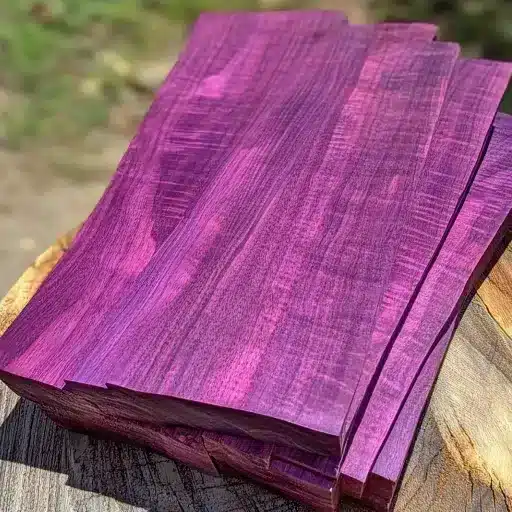
Purple heart isn’t just “that purple wood,” it’s a heavy, hard tropical hardwood that behaves more like a structural material than a decorative accent. It comes from several Peltogyne species out of Central and South America, so you’re typically dealing with dense, tight‑grained lumber that can push carbide tooling harder than domestic maple ever will. In practice, boards often land in the shop at a deep brownish‑purple, then shift toward a richer, grape‑skin tone once you cut or plane them and expose fresh surface. That fresh color can look almost artificial under bright LED shop lights, which is part of the appeal.
On paper, hardness numbers tell the same story: it’s significantly harder than red oak, closer to what you’d expect from something you’d trust in a stair tread or a workbench edge. That’s why when people ask what is purple heart wood used for, the honest answer is usually “places where both visual impact and abuse resistance matter.” Think table aprons that will see chair knocks, or a cutting board that won’t get babied. But the same density that makes it attractive can be a drawback. Some woodworkers avoid it for large, intricate joinery runs because it can burn, dull edges quickly, and make long milling sessions feel like a slow grind instead of a smooth day in the shop.
7 Common Uses for Purple Heart Wood
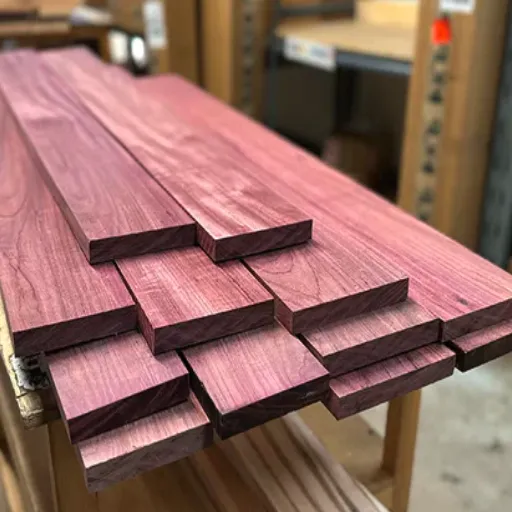
If you strip away the hype, purple heart earns its keep in projects that need both visual punch and hard‑wearing performance. When someone asks what is purple heart wood used for, these are the use cases that show up again and again in real shops.
1. Statement furniture: tables, benches, and accent pieces
Purple heart is ruthless in furniture: it either makes the piece or completely takes it over. A solid purple heart coffee table top or a bench seat instantly reads as custom, not catalog, just from the color and weight when you move it. A lot of makers split the difference and use it for aprons, leg details, or edge bands on an otherwise quieter species like maple or ash so the purple reads as an intentional design choice instead of a gimmick. It also handles chair rungs, table edges, and bench slats where bags, shoes, and vacuum cleaners will hit first.
2. High‑end flooring and stair parts
For flooring and stair parts, hardness is the main story. Purple heart takes dents and heel impacts far better than domestic soft hardwoods, which makes it viable in high‑traffic areas if the client can live with the color and eventual darkening over time. You’ll see it as full‑field flooring in modern interiors, but more often it’s used for borders, feature strips, or stair nosings where you want a single bold line running through the space. Handrails, treads, and landing details in purple heart combined with white risers or light walls can make a staircase feel like a custom furniture piece instead of an afterthought.
3. Cutting boards, serving boards, and kitchen accents
This is where most hobbyists meet the wood first. A maple‑walnut‑purple‑heart stripe board shows up on a countertop and everyone asks what it is before they even ask who made it. The density helps with long‑term wear: knife marks stay shallower, edges hold clean chamfers, and the board still looks crisp after a few years if the owner isn’t brutal with dishwashers and soaking. That said, a lot of people keep purple heart out of the primary cutting surface and use it for borders, handles, juice‑groove frames, and trivets where color pop matters more than direct knife contact.
4. Turned items: bowls, pens, and decorative work
On the lathe, purple heart behaves like a slightly stubborn but rewarding exotic. Once tools are sharp and the bevel is riding properly, it turns to a smooth, almost glassy surface that takes fine detail on bowls, finials, and lidded boxes. Pen blanks, bottle stoppers, and small decorative spindles are where offcuts really earn their keep. A 9‑inch offcut from a furniture build can easily become three or four small turned pieces that sell simply because the color stops people at a show table. The density also means threads, fine beads, and crisp shoulders tend to hold up instead of crumbling.
5. Instrument parts, cues, and specialty sporting goods
Anywhere you need stiffness, weight, and a bit of drama, purple heart is in the running. You’ll see it in guitar neck laminations, fretboard accents, drum shells, and hardware blocks where stability under tension matters. Cue makers like it for butt sections and decorative rings; the extra mass at the back end can change the way the cue feels through the stroke in a way players notice immediately. The same idea shows up in tool handles, mallet heads, and even slingshot frames—places where users want something that feels dense and deliberate in the hand, not light and disposable.
6. Inlays, stripes, and contrast details with lighter species
If someone is conservative with the main species, they’ll often get brave with the details. Purple heart inlay lines in a maple tabletop, drawer fronts with thin purple reveals, or box lids with a 3 mm stripe in the frame give you that “custom” signal without overwhelming the piece. It works especially well paired with very pale woods—maple, birch, sycamore—where even a narrow line reads clearly from across the room. Builders also use it as a way to tie a whole project together: a thin purple line in the tabletop, repeated on the chair back, and echoed in a cabinet handle makes the set feel designed as a unit.
7. Outdoor pieces when durability really matters
Purple heart can survive outdoors, but it’s more nuanced than “just use it like teak.” It has good natural durability and shrug‑off‑abuse density, so it shows up in benches, deck accents, and exterior trim where mechanical wear is a bigger concern than perfect color stability. You’ll know the trade‑off going in: sunlight and weather will push the wood toward deeper browns, and the bright purple will mellow, especially in full sun. So the smart move is to design outdoor projects where the form and detailing still look intentional after that shift—think sturdy slatted benches, stair treads, and landing edges—rather than banking everything on that initial electric purple staying forever.
Is Purple Heart Wood Good for Everyday Use Items?
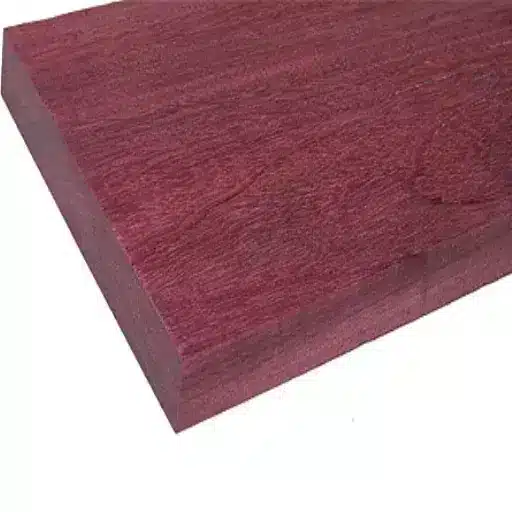
Purple heart is absolutely tough enough for everyday use, the real question is whether the people using it understand what they’re getting into. When someone asks what is purple heart wood used for in a practical sense, they’re usually picturing cutting boards, trays, shelves, maybe a coffee table that sees real-life abuse, not showroom pampering.
How it handles wear, dents, and scratches
On the hardness front, it’s closer to “don’t worry about it” than “handle with care.” Dropped cutlery, chair legs, a kid’s toy car—those will leave shallower marks in purple heart than in something like alder or pine, and you’d notice the difference over a couple of years in a busy kitchen. Heavy point loads can still leave dents, but it takes real force or a sharp edge to make you wince. Surface scratches from sliding plates or laptops tend to stay in the finish layer more than in the wood, so a light refinish years down the line can bring a piece back without aggressive sanding. The flip side is that if you do gouge it, you’re sanding a very dense wood; taking out a 1 mm low spot can feel like work compared to domestic hardwoods.
Food‑contact questions: cutting boards and serving platters
For cutting boards and platters, purple heart sits in that “often used, occasionally debated” category. Many woodworkers build stripe boards with purple heart accents that live in real kitchens for years without drama, especially when they’re finished with standard food‑safe oils or waxes. Most people are comfortable when it’s a stripe or border rather than the entire cutting surface, so knife contact is shared with maple or beech. If you’re building for customers, it’s smart to be transparent: keep finishes in the familiar mineral oil / wax family, mention that some exotics can cause skin irritation or sensitivity for a small number of users, and suggest they treat a new board like any new utensil—use it a few times, watch for any reaction, and then forget about it if everything’s fine. For serving boards and cheese platters that see more slicing than heavy chopping, it’s arguably in its best zone: lots of visual impact, plenty of durability, and a use pattern that doesn’t push the wood anywhere near its limits.
Working With Purple Heart: What Woodworkers Need to Know
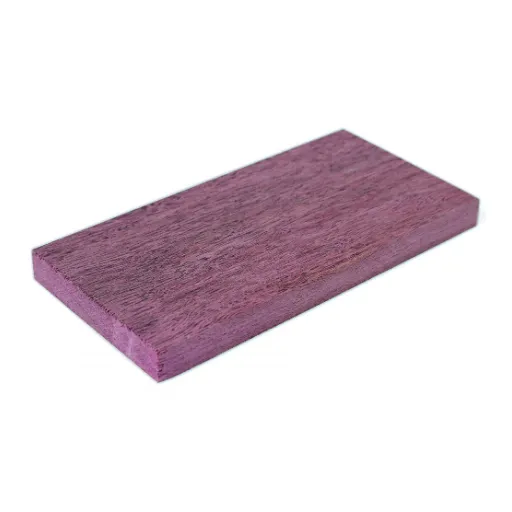
Purple heart is perfectly usable in a day‑to‑day shop, but it punishes dull tools and lazy setups. That’s the trade for all the “what is purple heart wood used for” optimism—you only get the nice results if you treat it like the dense, cranky hardwood it is.
Tool wear, burning, and tear‑out on this dense hardwood
You notice tool wear on purple heart about a project sooner than you would on domestic species. Carbide holds up, but high‑speed steel jointer and planer knives can lose that clean, shearing feel halfway through a small batch of 6–7 boards, especially if you’re taking heavy passes. Burning is the most common complaint: table saw rips with a slightly misaligned fence, router passes where you pause for a second, or climb cuts with a dull bit will leave dark streaks that don’t sand out quickly. Tear‑out is less about wild grain and more about pushing too fast with an aggressive cut—keeping passes light and using very sharp cutters turns it from “chattery and angry” into “firm but manageable.”
Gluing, movement, and finishing quirks
Gluing isn’t exotic‑level tricky, but it isn’t totally carefree either. Freshly machined surfaces and a standard yellow PVA or a good aliphatic resin glue work fine if you get decent clamp pressure and don’t rush assembly on oily, heat‑burned faces. Movement is typical for a dense tropical: it’s stable enough in service if you respect grain direction and panel design, but a 9‑inch wide board will telegraph poor acclimation faster than a comparable piece of maple in a dry, heated house. Finishing is where people either love or hate it. Clear oils and film finishes will deepen the purple and then slowly let it migrate toward a richer brown over time; heavy UV exposure speeds that up, so designing with that inevitable shift in mind saves you from disappointed clients a couple of years down the road.
Managing dust and potential sensitivity
Purple heart dust is not something to treat like pine shavings. The fine purple‑brown powder can hang in the air a bit longer than you’d like, and some people report skin or respiratory irritation after a handful of sessions without good protection. A decent respirator, real dust collection at the big machines, and vacuuming instead of dry sweeping go a long way. If you’re building for others, especially kitchenware, it’s worth a quiet note in your care sheet that some exotics can cause sensitivity in a small number of users, so they know to pay attention the first few times they handle or wash the piece. It’s not to scare them off; it’s the same kind of practical heads‑up you’d want if you were bringing a new species into your own shop for regular work.
Choosing Purple Heart (or a Different Species) for Your Next Project
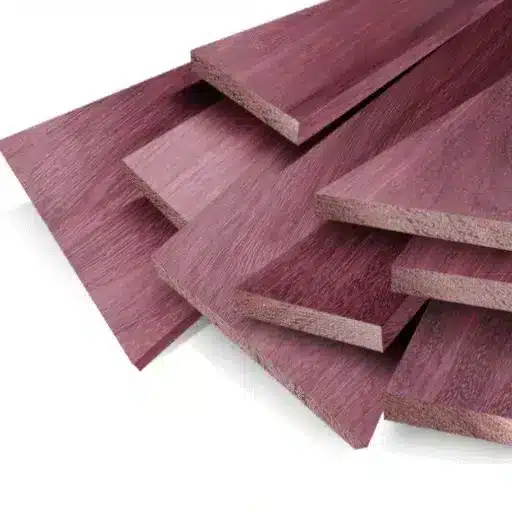
Good projects start with the right species, not the trendiest color. When you’re weighing what is purple heart wood used for versus its closest stand‑ins, you’re really deciding how much density, drama, and long‑term color shift you’re willing to live with.
When purple heart is the right choice
Purple heart earns its place when the piece has to work hard and also look unapologetically custom. Think a dining table with exposed edges that will see 6–7 chairs dragged in and out every day, stair treads in a “showpiece” entry, or a cutting/serving board that needs to survive both knife work and the occasional party abuse. The wood’s density and wear resistance mean those edges stay crisper and those surfaces stay flatter longer, even in a busy household or commercial setting. It’s also the right call when the design leans on contrast: purple laminations inside a guitar neck, a bold stripe through a maple countertop, or bench slats that pop against pale stone or concrete. If you’re building a one‑off piece where the client explicitly wants that saturated purple and understands it will deepen and mellow over time, purple heart isn’t a compromise—it’s the point.
When to reach for walnut, padauk, or maple instead
There are plenty of times when purple heart is simply too much. If the project lives in a more traditional space, walnut often does the same “luxury” job with less visual shouting and a friendlier workability; you still get rich color, good stability, and a premium feel without the purple stealing every glance in the room. Padauk steps in when you want vivid color and hardness but prefer a warmer, orange‑red tone that reads closer to exotic cherry than sci‑fi purple, and it can pair more gracefully with common cabinet finishes. Maple is the sanity choice when budget, weight, and lightness matter—shop fixtures, utility worktops, everyday kitchen boards where clean, bright, and easily replaceable beats dramatic and dense. So when you catch yourself forcing purple heart into a design that would already look great in walnut or maple, that’s usually the sign to treat it as a specialty accent, not the main character.
Frequently Asked Questions (FAQ)
-
Is purple heart wood good for furniture, or is it just for small projects?
Yes, it’s very capable furniture wood. Its density makes it great for table tops, benches, and chair parts that see bumps from bags or kids’ toys. A purple heart dining table with maple legs, for example, can handle daily use while still looking like a custom piece, though you’ll want solid joinery and good acclimation so that weight and movement don’t work against you. -
What is purple heart wood used for most often in a home shop?
In small shops, it usually shows up in cutting boards, serving boards, turned bowls, and accent strips on boxes or cabinets. A common first project is a three‑species edge‑grain board—maple, walnut, and a single purple heart stripe—because one 3‑ or 4‑foot board can yield multiple gifts while letting you test how it mills, sands, and finishes without committing to a huge build. -
Can I use purple heart for cutting boards and is it safe around food?
Many woodworkers use purple heart in stripe boards, knife blocks, and serving platters, with the purple sections oiled using standard food‑safe finishes like mineral oil and beeswax. A typical approach is to keep the main cutting area in maple, then frame it with 15–20 mm purple heart borders. That way you get color and hardness, while most chopping still happens on a familiar, light‑colored surface. -
Is purple heart wood suitable for flooring or stair treads?
It can work very well there, especially in modern spaces that embrace bold materials. The hardness helps stair noses and treads resist the kind of dents you get from high heels or dropped tools during a remodel. One common strategy is to use purple heart only for stair treads and a perimeter border, then fill the main field with something quieter like oak so the house doesn’t feel overwhelmed. -
Do people ever use purple heart wood outdoors, like on decks or benches?
Yes, but usually in a targeted way rather than as full deck surfaces. You might see purple heart used for bench slats on a covered porch, accent boards on a railing, or the top step leading from a patio into a garden. In those spots it can take physical abuse and weather, while a penetrating oil and a bit of shade help slow the inevitable shift from bright purple to a deeper, brown‑purple tone.
References
-
Wood Database. (2022). Purpleheart (Peltogyne spp.) – Hardwood species profile. https://www.wood-database.com/purpleheart
-
Wood Database. (2025). Preventing Color Changes in Exotic Woods. https://www.wood-database.com/wood-articles/preventing-color-changes-in-exotic-woods
-
Woodcraft Supply, LLC. (2015). WoodSense: Spotlight on Purpleheart. https://www.woodcraft.com/blogs/wood/spotlight-on-purpleheart
-
United States Forest Service. (2010). Wood Handbook: Wood as an Engineering Material. General Technical Report FPL-GTR-190. https://www.fpl.fs.usda.gov/documnts/fplgtr/fpl_gtr190.pdf
- Click here to read more.