
Marine and Yacht Wood Veneer Applications: Special Requirements
The opulent and fancy world of marine interiors, especially on yachts, calls for materials that not only look good but also fulfill the imposing performance requirements. In that respect, wood veneer is the one that has the longest-lasting aesthetic attraction and the foremost range of new high-end finishes. The article that follows goes into detail about the peculiarities of the wood veneer in the marine environment, durability and resistance to moisture as well as regulatory standards and design possibilities. After reading this article, you will grasp the basics that elevate wood veneer to be the best selection for marine and yacht applications and how these considerations work towards the creation of beautiful, lasting spaces at the sea.
Introduction to Marine Veneer
Definition of Marine Veneer
Marine veneer is a top-notch veneer that is destined for the very harsh conditions of marine environments which humidity is at its peak, continuous moisture is present, and there are extreme temperature changes. In addition, it is made from hardwood that is very hard and not given very long to die and applying modern finishes as well as sealants which to a great extent increase its life by making it more resistant to the water, warping, and rot. Usually, a core of top-quality, marine-grade plywood that is subjected to very strict testing standards like BS 1088 or the Lloyd’s Register of Certification is used to ensure the best performance and the longest lifespan in nautical places.
The very best place for marine veneer to be used was in yachts and boat interiors because it could not only offer the cool aesthetic but also become a durable aesthetic. Moreover, the Veneer technological advancements brought with them durability and aesthetics, and the products became not just more water-resistant but also more UV resistant, thus allowing for a life of 20 years even if not much maintenance is done. The global veneer market, on the other hand, is also rising, with a predicted compound annual growth rate (CAGR) of 5.47% from 2021 to 2026, indicating that there is an ongoing increase in the demand for environment friendly and high-performance materials, especially in the maritime sector.
The significance of Veneer of Marine Grade
The main reason for the need of marine veneers is that they are the determinants in those industries where durability, aesthetics, and environmental performance are the must. The marine sector is the primary one that consumes it as the waterproof and the hype-strength traits make it the best material for the shipbuilding, yacht interiors, and other marine applications.
The world stats have indicated that the global appetite for marine-grade materials including veneers will be an ascending one steadily in the foreseeable future due to the increasing activities in shipbuilding and luxury yacht making. The luxury yacht market in particular is projected to be valued at $10.8 billion by 2025, with a 5-6% CAGR, thus elevating the demand for high-performance materials. Marine grade veneers have their own set of unique characteristics that enable them to survive extreme humidity and saltwater exposure, hence they are always ready to meet the tough demands of the maritime environment.
Types of Marine Veneers
Teak Veneer: Characteristics and Benefits
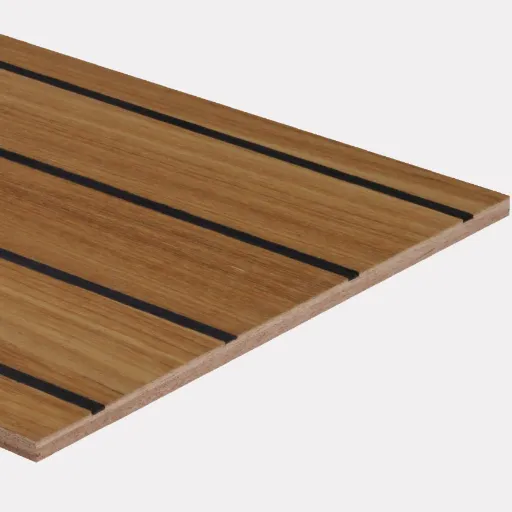
Teak veneer, along with its excellent strength, aesthetics, and resistance to the harshest conditions, is still the first choice for the marine industry and the main concern of the highest-end yacht-making companies. It is harvested from the teaks’ wood (Tectona grandis), and this veneer is not only golden-brown in color but it has also got a distinctive pattern which along with other interior materials and finishes gives the ship an expensive look.
Teak’s superlative resistance to the elements such as water, salt, and humidity is a primary reason why it is often considered for these marine applications. So the wood is totally exposed to such factors all the time. Furthermore, the natural oils and silica content in teak provide the wood with such excellence in resistance that decay, rot, and even insect attack become impossible.
The range of uses for which teak veneer is suitable is very large indeed: paneling, cabinetry, and even being a part of decks and hull interiors as a decorative element. Recently published market analysis indicates that there has been a significant rise in demand for teak veneer, and it is anticipated that by 2030, global demand would be growing at a compound annual growth rate (CAGR) of 3-4%, especially in the luxury yacht sector. Most of the professionals in the industry attribute the demand for teak veneer to the combined benefits of high-end features and product longevity.
Mahogany Veneer: Living Example of Aesthetic and Practical Qualities
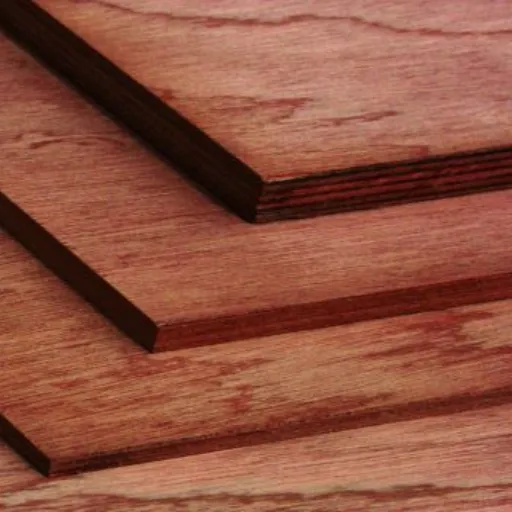
Mahogany veneer is famous for its stunning visual appeal combined with a manifold of uses. It is a highly valued and very frequently used material in interior design, furniture, and luxury crafts. Besides, the wood is always happy to present its reddish-brown color, its smooth texture, and its timelessness. Mahogany veneer is the one that is most often stained and polished, and as a result, it gets darkened and its surface becomes bright and shiny. Thus, the high glass finish is the one that is in the most demand by the top-tier projects and it is mainly the consequence of the outstanding property of the mahogany veneer.
In addition to its beauty, mahogany veneer has a great life span. The wood’s own hardness and the fact that it doesn’t get warped or shrinks when the temperature is changing are the properties that make it an ideal candidate for long-term applications. Besides, the medium density of mahogany gives it the right quality of being easy to work with while still retaining the strength of the final product hence the reason for its being the chosen material for intricate designs and accurate detailing.
The sustainability issue is one of the most important factors in the case of mahogany veneer being used up in the long run. Careful logging of mahogany, which is used as a source of supply to manufacture products from certified forests, is one of the global measures that do not harm the environment and, as a result, help the natural forests. Recent statistics show that the FSC (Forest Stewardship Council) certification is one of the factors that have raised the supply of eco-friendly mahogany; hence, beauty and sustainability go on together as a result.
Applications and Uses in Industry
Marine Plywood and Veneer Panels
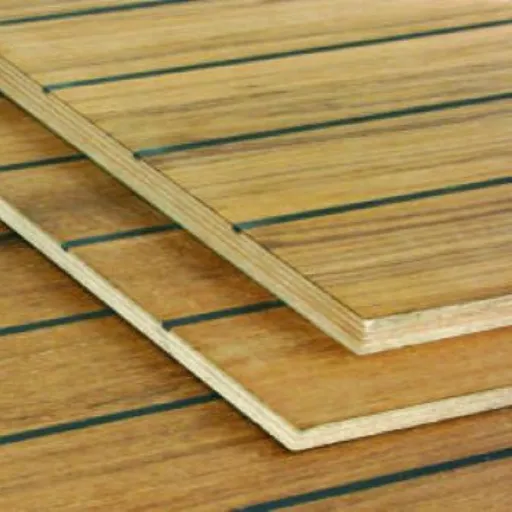
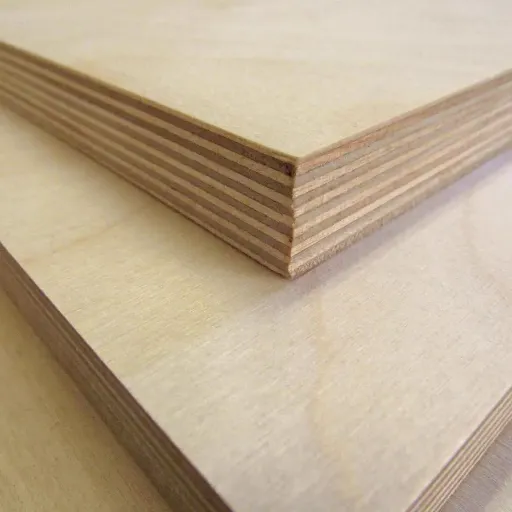
Marine grade plywood, generally made of Okoume veneer, is an extraordinary material meant for wet and humid conditions only. It consists of several layers of veneer glued with waterproof glue which makes a panel that is unable to be warped, cracked, or delaminated even in very harsh conditions. Due to its qualities of being lightweight but strong, smooth and beautiful, which along with different finishing options, Okoume veneer is the most preferred veneer for marine plywood.
Marine-grade plywood has incredibly water damage resistance and thus is widely used for making boats, constructing docks, and coastal buildings. Fresh statistics from the industry show that the production of marine plywood is still a commitment to the very highest quality standards like BS 1088 (British Standard), so that it always performs well in maritime scenarios. Furthermore, rotary cutting and other veneer processing techniques applied in the production of veneer nowadays yield higher while also providing uniform thickness and uniformity which is very important in engineering applications.
Boat Interiors: Aesthetics with Veneer
Veneer has been a go-to material for modern boats’ interiors as its aesthetic appeal can be combined with practicality. Premium-grade Okoume and teak veneers are among the most popular palettes used in luxury yachts and recreational boats to give a warm and sophisticated finish while allowing the floor to breathe. The lightness of veneer makes it ideal for marine applications where weight control is necessary to improve fuel efficiency and performance.
The latest trends in the industry indicate a shift toward the use of artistically designed veneer panels as the method of creating exceptional high-end interiors. According to market research, the global marine plywood and veneer market was about $1.7 billion in value in 2022 and is continually rising. The eco-consciousness that has been slowly spreading in the marine industry’s demand for sustainable forest veneers is evidenced by the fact that more and more boat builders and owners are choosing to use them.
Benefits of Using Marine Veneer
Durability and Resistance to Water
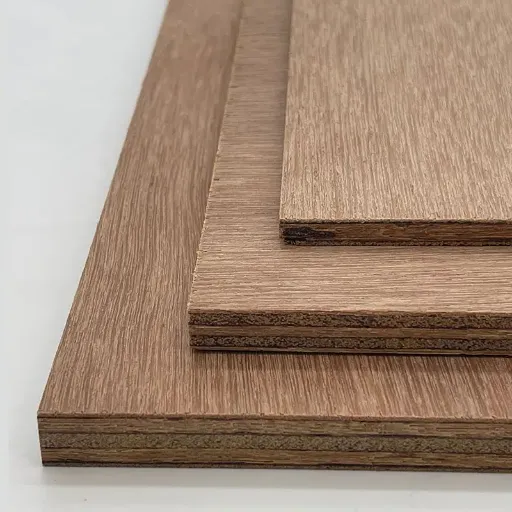
Marine veneer is a special type of wood that is specifically made to withstand the harsh and rough conditions of a marine environment. The durability of marine veneer is a result of the superior manufacturing processes and materials that leak into its structure. Waterproof adhesives are usually employed while bonding marine veneers; thus, the veneer is completely resistant to any sort of deformation, be swelling or warping, or even decay, which is caused by continuous exposure to water. Studies show that high-quality marine veneers can hold together even under humid conditions with a moisture resistance rating of 95%.
Moreover, the marine veneers generally come with a coating of protection like polyurethane or epoxy finishes, which further add up to their factors of resistance like to that of saltwater, UV rays, and other harsh environmental conditions. Hence, they are the best choice for both industrial and recreational boats, where toughness is asked for. Utilizing marine veneer not only brings the performance of the product to the longest life possible but also cuts down the maintenance cost and frequency of replacement, thus proving its worth with time.**
Weight Efficiency in Boat Construction
In the boat building process, marine veneer has a very important role to play in getting the best weight efficiency. The very quality of venires being light weigh thus it results in vessels that can be very fast and agile, but the sturctural integretiy is still maintained. One example of this is using hardwood veneers such as teak or mahogany, which are very strong and light at the same time, hence perfect for building lightweight and sturdy boats where panels, decking, and furniture are just a few of the places these woods can be used.
Recently published research reports that cutting the overall weight by 10% can result in 5-7% fuel efficiency improvements and thus it is a big reduction of costs in the operation and also a great reduction of the borne by the environment from the marine vessels. This is especially important in the making of yachts and racing boats where it is all about the number of pounds when it comes to the peak speed and maneuverability. Also, the application of manufacturing processes such as lamination has made it possible for marine veneers to realize even more weight-saving without sacrificing their toughness and resistance to the harsh marine environment.
Recent Innovations or Trends
Advancements in Veneer Manufacturing Techniques
Modern veneer manufacturing techniques have played a prime role in bringing about snazzy changes in the production process with regards to efficiency, quality, and sustainability. The introduction of computer-controlled slicing and peeling systems is one of the breakthrough ideas that has enabled accurate cuts and hence, has reduced the wastage of materials. In addition, these systems yield veneers that have the same thickness and color which consequently, gives a quality that is consistent and acceptable for premium applications such as furniture, interior decoration, and marine construction.
Moreover, the introduction of eco-resins and non-toxic glues has greatly assisted the environment by reducing the air pollution that would have been caused by the production process. The industry data indicates that the switching over to water-based adhesives by the veneer manufacturers has resulted in a very steep fall in the release of volatile organic compounds (VOCs) by almost 90%, thus making the production process both friendlier and safer for the environment.
Besides, the digital imaging coupled with artificial intelligence (AI) has become the present case in the veneer design process. The manufacturers are using these technologies to change the visual appearance of rare or endangered wood species without causing any harm to the environment. This practice is not only a wonderful way of preserving nature but also a positive thing for the customers who prefer the look and feel of exotic wood and are willing to pay a premium for it.
Sustainable Marine Veneer Sourcing Trends
The use of sustainability in sourcing marine veneers is gradually being accepted and recognized as an eco-friendly practice by both manufacturers and consumers. One big trend in this field is that the wood for making veneers is sourced from certified timber of well-managed forests. The wood that has certifications like FSC (Forest Stewardship Council) and PEFC (Program for the Endorsement of Forest Certification) is promised to be eco-friendly, help maintain biodiversity, and will not affect the forest’s regeneration cycle negatively.
Moreover, technology has made it easier to find out the exact source of the materials through digital platforms and blockchain technology that provides easily traceable supply chains. A recent research informs that around 67% of the buyers in the marine veneer market would choose and even pay more for sustainably produced products that are certified.
Further, the introduction of alternative materials is also likely to become a trend to watch in the market. For instance, the use of fully engineered veneers made from recycled or fast-growing species like bamboo is becoming more and more popular. These kinds of solutions make it possible to rely less on slowly growing hardwood trees, and consequently, this leads to faster replenishment and very little or no deforestation.
Reference Sources
-
Performance of Resin-Treated Solid Wood and Laminated Veneer Lumber (LVL) Under Marine Conditions
This study explores the performance of resin-treated wood and LVL in marine environments, focusing on wood modification techniques for durability.
Read more here -
Properties Enhancement of Oil Palm Trunk Plywood Against Decay and Termite for Marine Applications
This research investigates the enhancement of plywood properties, including decay and termite resistance, for use in marine environments.
Read more here -
Veneer-Based Engineered Wood
This book chapter discusses the manufacturing, properties, and applications of veneer-based engineered wood products, including their suitability for marine applications.
Read more here
Frequently Asked Questions (FAQs)
What is marine veneer and who is the producer of wood veneer for marine applications?
Marine veneer is composed of thin wood slices that are next to each other and are specifically selected and glued so as to form a veneer plywood that is apt for marine settings. The exterior-grade manufacturers and suppliers often use plantations, creating eco-friendly panels made from species like okoume, teak wood and other tropical lumber, usually abiding by the strict technical specifications regarding glue, adhesive type and veneer thickness for the maintenance of long-lasting, water-resistant performance.
What kinds of trees are commonly used for the making of marine veneer?
The woods that are used mainly for marine veneers are the likes of okoume, teak wood and several other tropical hardwoods like burmese teak. These categories have been picked due to their attributes such as durability, decay resistance and performance stability in outdoor applications; the selection impacts visual aspect, variations in the grain, and the kind of finishing like lacquer or laminate specified.
In what ways do wood veneer sheets differ from solid lumber concerning boats and outdoor furniture projects?
Wood veneer sheets are a thin, cost-efficient surface of top quality timber glued to the core of veneer plywood or another substrate. Solid lumber offers slightly better surface matching but at the cost of weight and materials in order to keep up with the look of the premium woods like teak or burmese teak. If suggested for marine use, veneer plywood with exterior-grade glue and accurate installation can be extremely durable.
Is teak veneer accommodating for marine and outdoor furniture applications?
Teak veneer, including burmese teak, is very much accommodating to marine and outdoor furniture because of its inherent oils and non-absorbency nature. When it becomes a part of a veneer plywood panel that is properly made and finished, using lacquer or a protective coating, the exposed teak wood pieces would still maintain their appeal throughout time.
What adhesives and installation techniques are needed for veneer panels used in marine applications?
Marine veneer panels need the use of waterproof, exterior-grade glue and impeccable installation to adhere to technical specifications. Manufacturers usually resort to phenolic or marine-grade resins that have delamination resistance as glues. For the bonding, clamping, and curing to be right, close sealing of edges, perfect matching of veneer sheets, and application of lacquer or laminate finish have to be paid attention to during installation, thus making the panel suitable for marine exposure.