
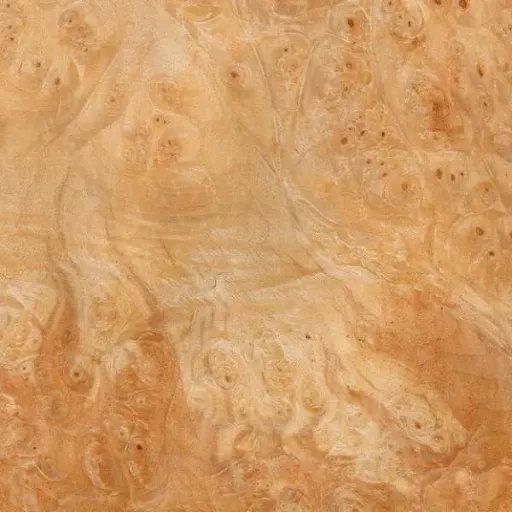
Burl Veneer: Everything You Need to Know About This Luxury Material
Among the most luxurious and striking materials, burl veneer possesses a beauty unlike any other. Its complex designs and unique charm have gained burl veneer the status of a primary material for the artisans, furniture makers, and interior designers. But what is burl veneer actually, and why is it still so fascinating? This piece will reveal all the essentials of this remarkable material—from its roots and traits to its applications and maintenance advice. Whether you’re a design lover, a skilled worker, or just a person who relishes the good stuff, this resource will be a source of great understanding of the mystery and artistry behind burl veneer.
Defining Burl Veneer
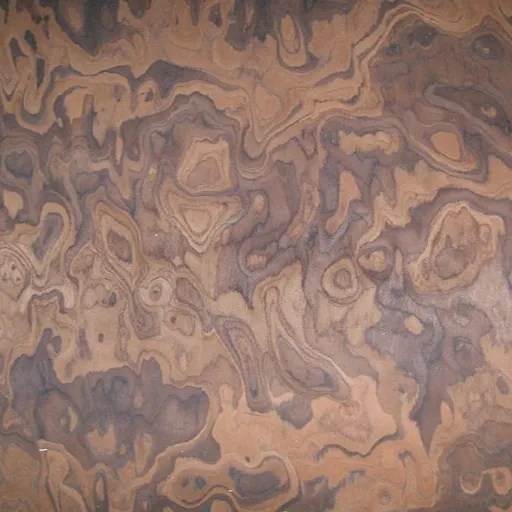
What is Burl Veneer?
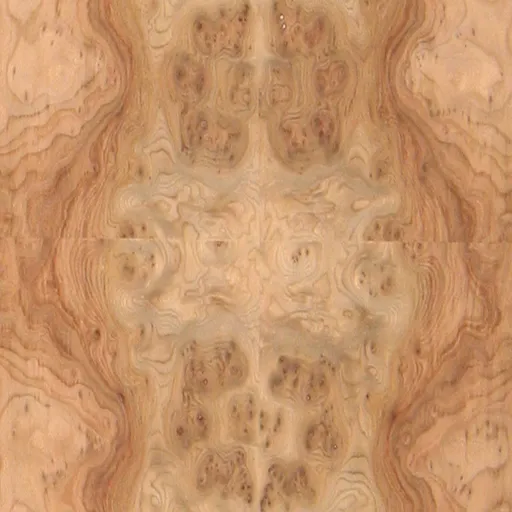
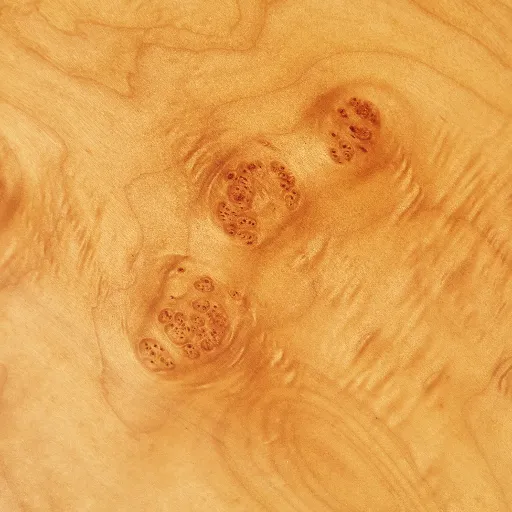
Burl veneer is essentially a very thin layer of wood that has been cut from the unique and highly figured burls or growths of certain tree species. These burls are abnormal tree growths found on the roots, trunks, or branches often caused by various stress factors such as injury, infection, or fungal activity. The striking and distinct irregular grain patterns and swirling designs of burl wood are the major reasons for its high demand. Burls are typically produced by trees like walnut, maple, oak, cherry, and redwood, among others.
Burls’ scarcity significantly boosts their value and attractiveness. For example, not every tree will grow a burl, and the harvesting of the material must be done with utmost caution in order to maintain the natural beauty of the wood. The use of burl veneer is mostly in making exquisite furniture, cabinets, musical instruments, and the interiors of luxury cars. Its visual charm is due to the patterns that are extremely decorative such as eyes, flames, or swirls, which not only make the veneer piece more expensive but also give it a unique look.
Origins of Burl Wood Veneer
Burl wood veneer has its roots in the extraordinary tree growth phenomena. Burls are tree deformities that occur on the trunks, roots, or branches and are caused by stress, injury, or infection, such as fungi or insect infestations, that disrupt normal growth. Wood fibers grow in a chaotic, spiral-like pattern rather than straight lines, thus producing the richly textured and highly sought-after swirling grain of burl wood. Artisans and woodworkers historically appreciated burl wood for its beauty and rarity and would often use the fancy wood in luxury furniture, musical instruments, and decorative accents.
Current information indicates that the main sources of burl wood veneers are walnut, maple, oak, and redwood trees, and North America, Europe, and Southeast Asia are the main regions that produce high-quality burl. Market analysis shows that California redwood burl is especially valued for its unique color and complicated grain. Sustainability is still a major consideration in the sourcing of burl wood veneers, and many suppliers comply with the Forest Stewardship Council (FSC) certifications to guarantee that responsible harvesting practices are followed.
Benefits of Using Burl Veneer in Furniture
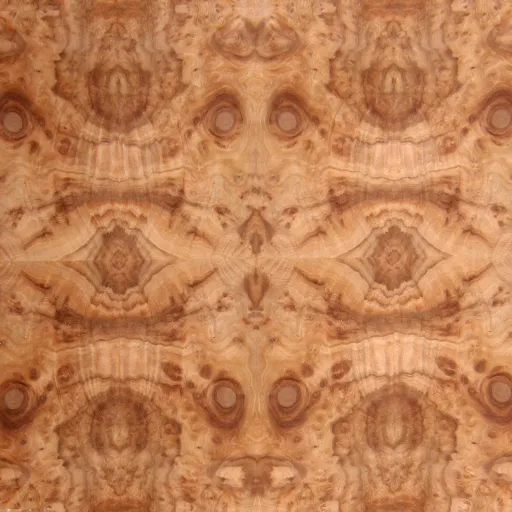
Durability and Aesthetic Appeal
Burl veneer has become a favorite not just due to its distinctive visual attractiveness but also due to its durability in the making of furniture. The chaotic growth of the wood produced the highly irregular grain patterns which were aesthetically pleasing but at the same time made the veneers more expensive. Thus, burl wood veneer was, and still is, the luxurious choice among other wood varieties. It all depends on the quality of the sealing and maintenance, as burl wood veneers, with right treatment, exhibit excellent longevity. It has even been reported that furniture made with high-graded veneers can last for decades since the application of thin slices of burl on strong substrates lessen the chances of warping or cracking as compared to solid wood.
Moreover, burl veneer is also sometimes preferred because of its light nature, which makes it easy to handle and to be incorporated into different furniture items without losing durability. This interplay of opulence and strength has made burl veneer a premier choice among interior decorators and furniture producers. Research findings suggest that the high-end furniture sector is witnessing an 8% annual rise in the demand for burl wood veneer, which is a sign of its popularity in both homes and offices.**
Flexibility in Design Projects
The exceptional adaptability of the burl wood veneer is one of the reasons why such a wide range of design projects incorporate it. Its application is not limited to the luxurious residences’ interior design but also to high-class commercial spaces where burl veneers are utilized to express sophistication and rarity. The intricacy of their grain patterns is often the feature of the luxury furniture, cabinetry, the wall, and even automotive interiors where the designers want to announce the elegance right away.
Recent reports reveal that burl veneers are more and more frequently used in bespoke projects with a significant surge in demand for custom-built furniture. Trend analysis shows that the number of searches for “burl wood veneer furniture” has increased by more than 15% in only the last year, indicating that the material has not lost its attractiveness for designers and consumers. Moreover, the forecast for the global furniture market envisions a compound annual growth rate (CAGR) of 4.79% from 2023 to 2028, with innovative materials such as burl veneers being a key driver of this trend.
Tips on Selecting High-Quality Burl Veneer
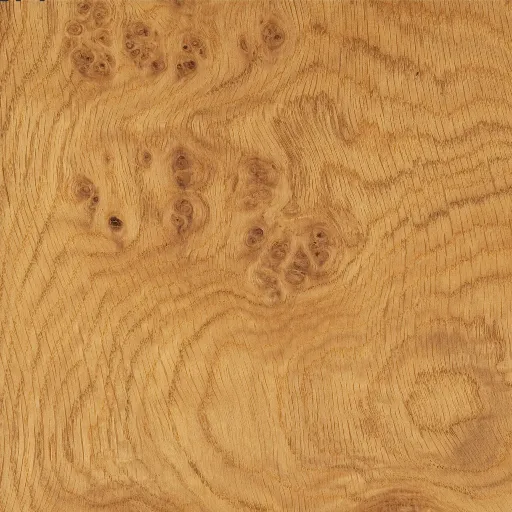
Identifying Premium Burl Wood Veneer Sheets
When it comes to selecting premium burl wood veneer sheets, one should consider several aspects thoroughly to guarantee the best quality and value. The rarity of burl is due to its beautiful and complex patterns, which are a result of the peculiar growth of wood grain around tree knots and other disruptions. Hence, one way of judging the quality of the wood sheets is to first look at the grain pattern—high-quality sheets will have a pattern that is rich, complex, symmetric, and at the same time, very beautiful.
In addition to the grain pattern, the color of the veneer is a vital factor as well. A good burl veneer sheet will have a color that is evenly distributed all over and it will be the very wood’s natural color in its different tones with no blotchiness or discoloration to speak of. Apart from that, thickness is another point to consider—sheets should be of uniform cutting with 0.6mm as their minimum thickness for application and finishing endurance.
Familiarizing Oneself with the Different Grades and Thickness of Veneer
When it comes to burl wood veneer selection, knowing its grading and thickness is the foundation of the quest for the best and most fitting option for the project. The criterion of the veneer grading is principally based on the visual appearance, the higher the grades, the more uniform the grain patterns and fewer the imperfections. For this reason, “A” grade veneers are often highly sought after for their unblemished surface and full burl pattern that is welcomed in luxury interior design or high-end furniture. “C” and “D” grades, by contrast, are lower grades that might display more pronounced knots and varying colors but could still be used for the making of the rustic or natural looking projects.
Also, the thickness of the veneers differs depending on the manufacturing and the application methods. The regular thickness of veneer sheets is between 0.5mm and 3mm. The very thin veneers, which are practically 0.5mm, are very flexible and hence are mainly used in delicate applications such as cabinets and wall paneling. The thicker veneers, those around 2mm or more, are used for making surfaces like tabletops or flooring that require strength and resistance to being worn down through use, thus, they are very much in demand.
Innovative Ways to Incorporate Burl Veneer into Design Projects
Using Burl Veneer in Woodworking Projects
Burl veneer has emerged as a favorite in the world of woodworking not only for its impressive visual impact but also for its multiple functionalities. Unique whorled patterns and irregular grain formations characterize burl veneer and open up an unlimited range of furnishing, cabinetry, and decorative accents that are personalized. High-end woodworkers often pick burl veneer as the materials give a sophisticated and luxurious look without the price tag of using solid burl wood.
Data from recent markets indicate that the use of burl veneer will increase massively, with modern woodworking admitting it as the main reason for its innovation. Industry reports have claimed that the global market for veneers is expected to rise by 5.8% every year from 2022 to 2030 due to the demand for materials that are both sustainable and stylish. A study among woodworkers also reveals that 63% of them consider burl veneer as the best choice for accent pieces, not only because of its unique beauty but also for its ability to upgrade even the most basic designs.
Creative Applications in Interior Design
Burl veneer is no longer being used only for doors or paneling, but it has now opened its ways into the interior design and even interiors by painting with wood. Its irregular patterns and natural glitter make it one of the most popular woods for the now sophisticated up-market and tomorrows à la mode residential and commercial spaces. Moreover, using it as walls made of burl veneer would create a stunning earth-scale modernity fusing texture and style that together would be nothing but. Besides using it for custom cabinets, tables, or—even more—side tables, burl would help one turn the furniture from mere function to the most glorious centerpiece.
The reports of trends indicate that increasingly the interior designers are considering burl as a part of minimal and Scandinavian aesthetics, thus introducing the soft touch of nature while maintaining simplicity. The statistic from design industry reports has pointed out that 35% of luxury furniture in 2023 had veneers from nature or exotic wood and burl was among the top picks because of its rarity and unique patterns. Besides, the various developments in veneer technology like digital printing and protective coatings have not only made burl veneers more robust but also suited for the areas where more traffic is expected.
Statistics and Case Studies on Burl Veneer Usage
Recent Trends in Burl Veneer Adoption
Burl veneer is steadily rising to the top in the aesthetics and decorative applications. The concurrent trend of using materials that are either natural or sustainable has also played a role in this phenomenon. Reports from the design industry indicate that burl veneer demand has increased globally by about 15% in the last three years. The main reason for this increase is the combination of burl veneer’s luxuriousness, organic aesthetic, and its being applicable in many different areas.
Modern interior designers are the ones who have a significant impact on this trend through the use of burl veneer in both the contemporary and minimalist design styles. Examples of these design uses include wall features, built-in cabinets that are custom-made and furniture that is made by hand. Besides, tech companies are also utilizing this material and to that end, some of these companies are even putting burl veneer in the designs of their super high-end electronic devices like speakers and phone cases which are meant to be luxurious in appearance and feel.
Case Studies: Successful Applications of Burl Veneer
1. Luxury Automotive Interior Design
One of the most luxurious applications of burl veneer is in the auto industry, particularly in high-end cars. The aforementioned big-name companies like Rolls-Royce, Bentley, and Aston Martin have been using burl wood for a long time to maketheir dashboards and door panels more opulent. For instance, the Bentley Continental GT has ten square meters of water to waste because in its interior, one will find wood and veneer mostly coming from places like India and the Brazilian Amazon which are claimed to be sustainably sourced. However, the Bentley factory has been very selective in choosing these veneers as each takes around twenty hours of work to be made into a finished product. The exclusive luxury of this vehicle is not only spoiled by its immense attractiveness but also by the temporal luxury the customer enjoys.
2. High-End Furniture Production
Burl veneer has been capable of maintaining vintage and contemporary looks that eventually got the manufacturers to be very fond of it. The producers who deal in high-end furniture such as Theodore Alexander and Roche Bobois use burl wood in their collection of signature pieces which includes dining tables, desks, and cabinetry. A thorough analysis by IBISWorld reported that the premium furniture market has been growing yearly by 7%, and now the sources of this increase are natural wood veneers, such as burl, which are the most significant part. The grain patterns of burl are so distinctive that they can be created only for one piece of furniture which motivates such customers to buy who consider themselves to be the only ones deserving exclusivity and distinction.
3. Boutique Hotel Architecture and Design
Not long ago Burled veneer was considered an old-school way of getting hotels’ interiors to make a visual statement by attracting and pleasing guests. One good example is the Ritz-Carlton in Kyoto, Japan, which has cabined burl veneer into its wall coverings and custom pieces of furniture, marrying timelessness with luxury in the modern world. Not only is burl veneer durable but it exudes class too, so it can fulfill both the aesthetic and the practical requirements of the high-traffic areas in hotels. Thus, it is an elegant solution that is as practical as it is beautifying in hospitality spaces.
Reference Sources
-
Material Testing of Decorative Veneers and Different Approaches for Structural-Mechanical Modelling: Walnut Burl Wood and Multilaminar Wood Veneer
This study investigates the structural and mechanical properties of natural walnut burl wood veneer and technical veneers, providing insights into their applications and performance.
Read more here -
Effects of Fire-Retardant Treatment and Burl Wood Structure on Three-Dimensional Changes of Sandwich Panels Made from Walnut Decorative Veneer
This research examines the impact of fire-retardant treatments and the unique structure of burl wood on the dimensional stability of sandwich panels made with walnut burl veneer.
Read more here -
A New In-Mould Decoration Process Using Real Wood Veneer
This article explores the feasibility of using real wood veneer, including burl walnut, in in-mould decoration processes, highlighting its potential and limitations.
Read more here
Frequently Asked Questions (FAQs)
What constitutes walnut burl veneer and what sets it apart from solid walnut burl?
Walnut burl veneer is just a few millimeters thick, but it is the most economical and widest way to boast the beautiful, bubbly growth of the walnut trees. Sliced from the walnut tree burls, the veneers are laid on a stable substrate like plywood or MDF for architectural panels, cabinetry, or furniture, thus preserving the grain and aiding in the formation of larger matched surfaces while reducing the wastage of the rare burl wood.
What method should be used to combine walnut burl and mappa burl for a flawless panel?
The matching of the burl veneers requires the very careful manipulation of the adjacent sheets in the bookmatching or slip-matching formats such that the wood grain and figure would stretch across the entire cabinet. As for walnut burl and mappa burl, firstly submit veneer photo samples and raw veneer pieces for planning the sequence, utilize a paper backer for aligning during glue-up, and then trim for fitting to the plywood or substrate for an architectural effect that has the grain flowing continuously.
Is using peel and stick burl veneer an option or will I be better off using contact cement and veneer supplies?
Peel-and-stick burl veneer is a product that is handy and costs less for small temporary projects; however, for durable cabinetry and architectural installations, contact cement, or PVA adhesives along with professional veneer supplies would give the best and most reliable quality and strong bonds. When using an adhesive recommended for the substrate, the choice will be between contact cement for flexible, quick bonds or wood glue for interior cabinetry—and the use of proper tooling and a paper backer to avoid telegraphing is mandatory.
Which are the most suitable substrates for raw veneers like maple burl, ash burl, or madrone burl veneers?
Plywood, MDF, and specially prepared panels come in as the most common substrates of raw veneer; birch or poplar plywood is often the selection yielding stability and a reliable match for the more exotic veneers like maple burl, ash burl, or madrone burl. Make the substrate flat and sealed, sand it, and give serious thought to using backer sheets to keep indoor moisture movement balanced so that the veneer stays flat and splitting of the wood grain over the years does not occur.
Is there any video demonstration of how to apply flexible burl veneer on curved surfaces?
Veneer tutorials for flexible burl veneer show the pre-bending, the use of ultra-thin raw veneer or the backing with paper or fabric, application of contact cement in controlled areas, and a roller used to remove any air pockets among the steps. For curved or architectural panels, practice on scrap, select a flexible veneer and use appropriate veneer supplies to attain a smooth curvature without breaking the burl figure.