

CDX vs ACX Plywood: What Actually Matters When You’re Choosing Panels
Choosing between CDX and ACX plywood isn’t about decoding a code word as much as understanding how each panel behaves on a job site. If you’re planning a roof, subfloor, or exterior sheathing, the differences in glue, exposure rating, and face quality will influence durability and cost. In short, the right pick depends on whether you need long outdoor exposure, a visible surface, or strict budget constraints.
Quick take: when to use CDX vs ACX
If you’re sheathing a roof or wall
For standard roof and wall sheathing that gets covered by shingles, underlayment, or siding on schedule, CDX is usually the workhorse. It’s built for structural duty and short‑term weather exposure, so it can sit through a couple of rainy days on a framed shell without you panicking, as long as it dries out and gets wrapped reasonably fast. ACX starts to make sense when you expect the sheathing to stay exposed longer than you’d like, or you’re in a climate where “just a light shower” turns into three straight days of sideways rain. That said, if the schedule is tight and the building is getting dried in quickly, most crews won’t pay the premium for ACX on basic sheathing.
If the surface will stay visible
Once the panel face is part of the finished look, ACX jumps to the front. The “A” face is cleaner, with fewer knots and patches, so you’re not fighting around ugly football‑shaped repairs or random defects telegraphing through paint. Think porch ceilings, exposed soffits, or a painted garage interior where the owner will actually stare at the ceiling every day. CDX can be coaxed into service here with filler and sanding, but you’ll burn extra labor smoothing it out, and you still won’t get the same clean read as a good ACX face.
If you’re fighting a tight budget
On a cost‑sensitive job, CDX is the default until there’s a clear reason to upgrade. On a 62‑sheet roof, the per‑sheet difference between CDX and ACX can turn into a line item the GC actually notices, not just a rounding error. So the usual play is: CDX for anything fully buried in the assembly, ACX reserved for details where appearance or longer exposure risk justifies the extra spend. Still, if callbacks or swollen, ugly edges are even a small possibility, that “savings” can evaporate faster than you think.
CDX and ACX, decoded (grades, glue, and what the letters mean)
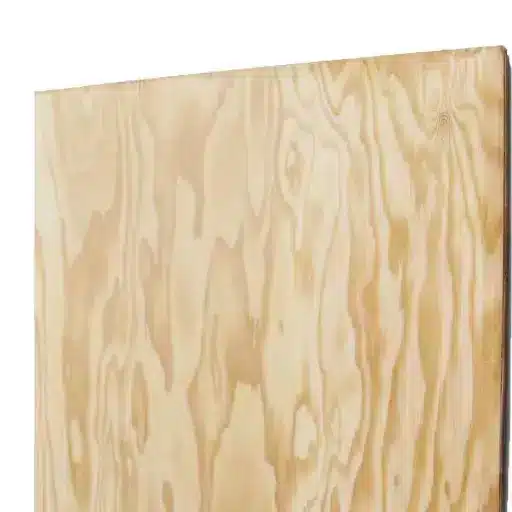
The gist is simple: the letters tell you what the surface looks like and what glue holds it together, not a single property like “waterproof.” You’ll hear terms like A/C/D and X tossed around, and the meaning behind them matters when you’re choosing for a specific job.
The “A/C/D” face grades in plain language
Face grade notes how smooth or rough the front is. A means a clean, flawless surface you’d be proud to paint or finish; C and D reveal knots, repairs, or patches. You’ll see combinations like AC, BC, or CD on panels, where the first letter describes the visible face and the second describes the opposite face. For many interior or fully concealed applications, you might tolerate a C face on the back as long as the front looks acceptable and the panel can be finished. You’d notice a difference on a ceiling soffit or a feature wall where the front gets paint and the back isn’t seen. In practical terms, ACX panels often look noticeably cleaner on the exposed side than CDX, which aligns with field observations from crews rotating between interior finishes and exterior shells.
The “X” exposure rating and what it does not promise
The X isn’t magic armor against everything. It signals exterior-grade adhesive that resists moisture during construction and a period of exposure before the project is complete, not lifetime water resistance. The panel can still delaminate if left soaked or if venting is poor and drying is stunted. Think of X as “built for wet weather during build time” rather than “indestructible outdoors.” When you’re weighing this, you’re balancing moisture tolerance against cost and surface quality, especially if a finished exterior will seal the panel soon after installation.
Why CDX isn’t a “type of plywood,” it’s a spec shorthand
CDX isn’t describing a species or a distinct plywood family; it’s a combination code that tells you the face and back veneers and the overall adhesive class. In CDX, the faces are C and D grades, and the X indicates exterior-grade glue. That packaging matters because it clarifies where the panel fits in a build—from rough-in sheathing behind siding to interior subfloors where moisture risk is low. The shorthand helps crews and specifiers avoid misreading a sheet as “premium” or “premium for exterior” when the job’s reality is different.
Where builders use each in the real world

Roof decking and wall sheathing
Roof decks and exterior walls routinely use CDX where exposure is part of the plan and cost matters. The exterior glue in CDX is built to handle weather during construction, so you’ll see this on roof decks and sheathing assemblies where the panel is later covered but needs to stay stable through rain events. You’re looking for a balance between stiffness and economy, and CDX often fits that niche on structural roof systems and concealed interior walls where finish quality isn’t critical. In practice, crews value CDX for a predictable, solid panel that won’t break the bank when large sheets are needed for long runs. That said, if the exposed face is visible in a room or entryway, you might opt for ACX on the same job to improve the finished appearance.
Subfloor assemblies and underlayment stacks
Subfloors sit under finishes, so the surface you see is less important than the glue and core integrity. ACX is popular here when you’re aiming for a relatively smooth, paint-ready or veneer-ready underside on one side, with durability for the other side. The core and face balance matters: ACX provides a cleaner finish on surfaces that may peek through cabinets or toe-kick returns while still delivering exterior-grade glue for moisture resistance during construction. CDX also plays a role in budget-sensitive subfloor projects, especially where layers will be covered with flooring that doesn’t demand a pristine face. In both cases, the key is the build sequence—install, then seal or finish—so the panel doesn’t degrade from moisture while the structure settles.
Exterior soffits, trim details, and semi‑exposed areas
Semi-exposed zones—like soffits, eave returns, and lightly finished exterior trim—often justify ACX or CDX depending on the finish requirements. ACX’s smoother front can be advantageous for painted or laminated trims where you want fewer blemishes on the visible surface, while the rougher back can stay concealed behind fascia or flashing. For budget-conscious exterior detailing, CDX can be used when the exposed face won’t be a focal point and where the project anticipates a later protective coating or siding. The choice becomes a trade-off between finish quality, moisture exposure during construction, and total project cost, with many trades leaning toward ACX for semi-exposed areas that still demand a capable outdoor performance.
In the field, the rule of thumb is to align panel selection with visibility and moisture exposure. If you’ll ever see the face, choose a smoother ACX; if you won’t see it, CDX often saves money without sacrificing structural integrity. The difference isn’t about pretending to be premium—it’s about matching performance to how much you’ll actually notice the surface.
Can you “cheat” and substitute one for the other?
Using CDX where the plans call for ACX
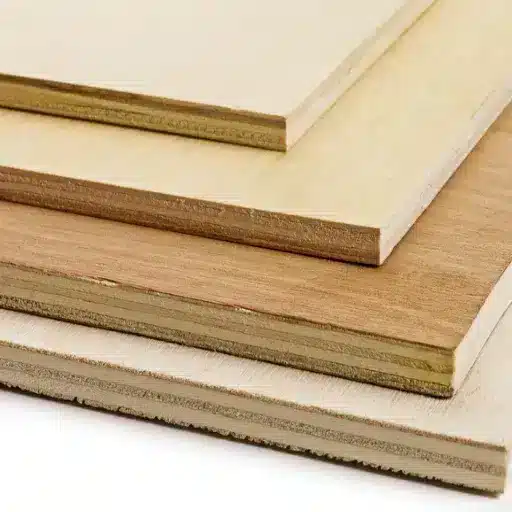
You can’t treat CDX as a drop‑in replacement for ACX without consequences. CDX uses exterior glue and lower face grades, which keeps costs down but often yields a rougher visible surface and less finish quality. If plans call for an ACX panel because the exposed face will be seen and painted, substituting CDX will usually show more blemishes or knots, and you may spend extra time filling or finishing to achieve a similar look. In practice, this swap is most common on rough‑in phases or concealed areas where the front won’t be visible, but the risk is mismatched aesthetics if the panel becomes part of a finished detail. That’s why many pros reserve CDX for structural roles behind siding, not as the face of a visible wall or ceiling.
When finish quality forces you to upgrade
If the design calls for a clean, paintable surface or precise trim lines, ACX is worth the premium. You’ll notice a smoother front with fewer repairs needed, which translates to faster finishing and a crisper final appearance. In spaces like a kitchen soffit or an accent wall, you’ll see the difference: ACX glides under paint with fewer touch‑ups, while CDX may require more sanding and patching. The expense is typically justified by better aesthetics and fewer callbacks during final inspections. You’ll also appreciate the improved edge quality on panels that will be exposed to light from shop windows or gallery lighting.
What inspectors and code language care about
Inspectors focus on fit, mechanical performance, and moisture resistance during construction, not on surface prettiness. They look for correct usage per code, meaning exterior‑grade bonding and appropriate face/back grades for the intended exposure. If a plan specifies ACX for visible sheathing or interior surfaces with moisture risk, a switch to CDX could trigger a deficiency notice unless the project compensates with proper finishing, sealing, or weatherproofing. The policy is practical: you’re allowed to substitute when the overall performance remains within spec, but don’t expect leniency for appearances in critical spaces. In short, you won’t fool an inspector with cosmetic swaps alone.
Plan alignment matters: swap CDX for ACX only when the exposure and finish demands allow it, and always anticipate potential touch‑ups or changes in schedule if the visible surface quality matters. If you’re unsure, it’s safer to upgrade to ACX where aesthetics or moisture exposure are at stake, rather than risking a second round of approvals.
Cost, waste, and project efficiency (where the money actually goes)
Price difference per sheet vs total installed cost
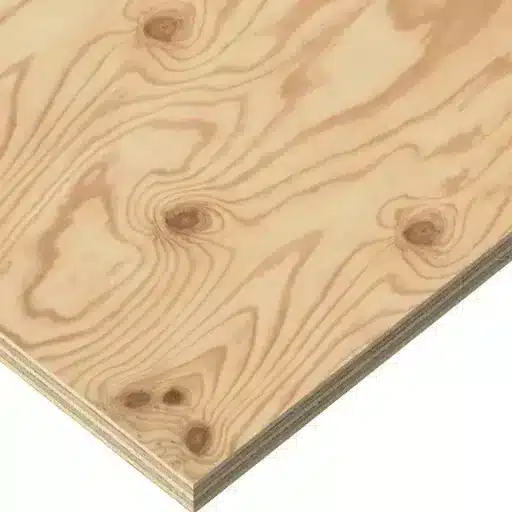
The sticker price on a sheet of CDX vs ACX is a quick snapshot, but the real story lives in total installed cost. ACX sheets typically run 8–12% higher per sheet, but the difference shrinks or grows depending on surface quality needs and local supply dynamics. In a 4,000‑square‑foot project, a swap from ACX to CDX could save several hundred dollars up front, yet you’ll pay later if more patches and finishes are required to reach a similar look. You’ll notice the math matters most when you’re buying by the pallet for a rough‑in phase or when a visible face is anticipated in the finished space. It isn’t just sticker price; it’s the cost of time, materials, and the risk of returns if the wrong grade is used in an exposed application.
How defect rates and patching slow crews down
Defect rates aren’t a footnote; they drive schedule and labor waste. CDX’s rougher faces mean more patching and filler work to achieve paintable finishes, especially on walls and ceilings that are visible. That extra sanding, filling, and re‑priming adds up quickly—think an extra 0.6–1.2 days on a mid‑sized remodel for finishing touch‑ups, depending on texturing and color choices. ACX tends to reduce patching on the front face, translating to fewer callbacks and quicker tiling or trim installation in finish phases. In the field, a small late‑stage patching bump can cascade into ordering delays, missed window openings, and overtime to catch up.
Plan for the exposure your walls will actually show. If the front will be seen, invest in ACX to minimize finish work and speed up installation crews. If the job is largely concealed behind siding or cabinetry, CDX can hold the line on cost without sacrificing structural integrity, provided the finish team isn’t counting on a flawless face. The prudent move is to map the surface exposure early and lock in the grade accordingly, because the cost of patching can far exceed the incremental sheet price over the life of the project .
Frequently Asked Questions (FAQ)
-
Q: If a builder plans for exposed interior walls, should they choose ACX or CDX?
A: For exposed interior walls, ACX is usually the better pick because its smoother front face accepts paint and finishes more cleanly, reducing touch‑ups. If budgets are tight and the surface won’t be seen, CDX can still work behind drywall or paneling, but you’ll pay later in finishing time (see reference context). Tiny detail: a 7‑inch kitchen backsplash reveal can make the difference in final appearance. -
Q: Can CDX ever be used for roof decking when the plans specify ACX?
A: It’s not ideal, but it’s possible if the exposed surface won’t be seen and the project schedule prioritizes cost. You’ll likely endure more patching and sanding to get a paintable finish, which can slow install and raise labor costs. In a quick build where tarps hide the front, CDX might save a few hundred dollars upfront but risk longer finishing days That’s the trade‑off. -
Q: How does glue type affect durability in mixed‑use projects?
A: Exterior glue on both CDX and ACX provides moisture resistance during construction, but ACX uses higher‑quality veneers and tighter core control, boosting durability when a panel is later left exposed. On a semi‑exposed porch ceiling, you’d notice ACX staying flatter and resisting warp better after a year of seasonal humidity shifts. Still, both require proper sealing to reach their full potential. -
Q: Is there a simple rule of thumb to avoid costly mistakes between these grades?
A: Yes—match the surface you’ll actually see. If the front face will be visible and finished, choose ACX. If the face will remain hidden behind trim or siding, CDX is a reasonable budget choice. The cost difference isn’t just sheet price; it includes finish labor, patching, and scheduling impacts. You’d notice a bigger payoff in time savings than in material cost alone. -
Q: Do building inspectors treat CDX and ACX differently on exterior projects?
A: Inspectors care about exposure‑appropriate panels and proper installation more than cosmetic grade. If an exterior wall plan expects a visible finish, ACX should be used; otherwise, CDX can pass as long as the moisture precautions and fasteners meet code. When a project’s exposed face is part of the design, expect a stricter check on surface quality and sealant integrity. You’d notice the logic in the paperwork before any site visit.
References
-
NIST (National Institute of Standards and Technology). (2002). Generic Plywood Sheathing (BEES Product List File). https://ws680.nist.gov/bees/ProductListFiles/Generic%20Plywood%20Sheathing.pdf
-
APA – The Engineered Wood Association. (1999). Design Capacities of APA Performance-Rated Structural-Use Panels. https://ilionlumber.com/wp-content/uploads/2013/10/Plywood-CD-AC-UL-spec-sheet.pdf
-
APA – The Engineered Wood Association. (2013). Panel Design Specification (Form D510). https://www.socomi.com/wp-content/uploads/APA_PanelDesignSpec.pdf
-
Wiss, Janney, Elstner Associates, Inc. (WJE). (2011). Exterior or Exposure 1 Plywood. https://www.wje.com/assets/pdfs/articles/Exterior_or_Exposure_1_Plywood.pdf
-
Oklahoma Cooperative Extension Service, Oklahoma State University. (2017). Oriented Strand Board as a Building Material (FAPC-161). https://extension.okstate.edu/fact-sheets/oriented-strand-board-as-a-building-material.html