
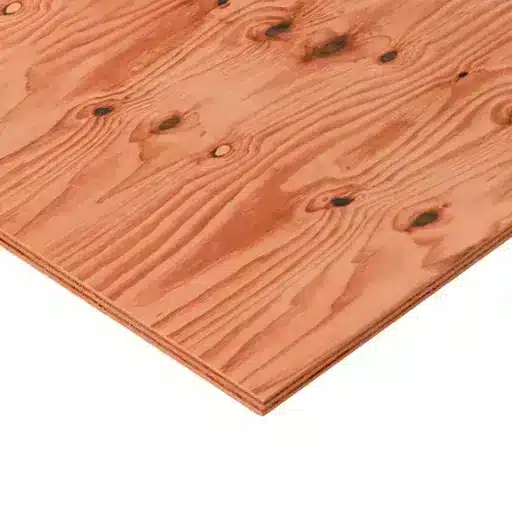
Fire Resistant Plywood: Grades, Ratings, and When You Actually Need It
You’ve probably had that moment where a spec sheet says “fire resistant plywood” but you’re not sure if it’s code‑compliant, overkill, or even the right material for your wall assembly. It’s treated wood designed to slow flame spread and smoke development, not make plywood non‑combustible—that’s a common mix‑up—but the real question is whether it fits your project’s fire rating needs, exposure conditions, and budget without compromising fastener compatibility or long‑term strength.
What Fire Resistant Plywood Really Means (and What It Doesn’t)
Fire resistant plywood doesn’t mean the panel laughs off a blowtorch. It’s wood impregnated with chemicals that slow flame spread across the surface and cut down on smoke—think Class A ratings where untreated plywood might hit a flame spread index of 100–200, but treated drops to 25 or less.
That’s the core. Pressure‑treated with fire retardants like phosphates or borates during manufacture, so the whole thickness resists ignition rather than just a surface coating you’d scratch off on a jobsite. But here’s the catch: it still burns if exposed long enough. You’re buying time for occupants to exit, not a non‑combustible slab.
Expect confusion around terms. “Fire resistant plywood” gets tossed around for everything from Euroclass B‑s1,d0 panels to simple intumescent paints, yet the real spec is about matching the treatment to your assembly’s tested rating—say, a 45‑minute wall where the plywood contributes without failing early.
People mix it up with fire‑rated gypsum too. Plywood won’t substitute one‑for‑one in most ceiling assemblies, but it shines where you need diaphragm strength alongside surface protection, like corridor walls or stair soffits. Get that right, and you’re not just checking a code box—you’re building something that actually performs.
Fire Ratings Explained – Class A, Euroclass, ASTM Basics
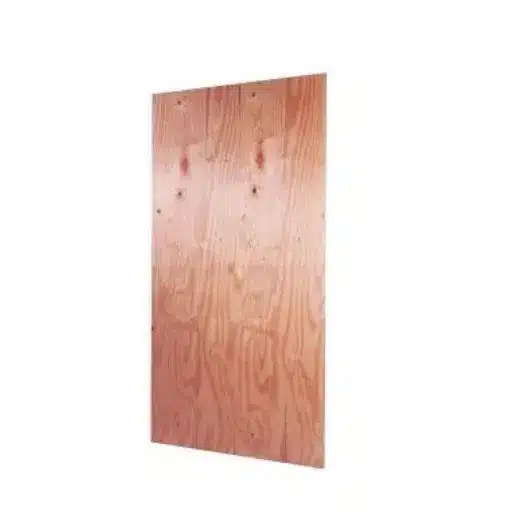
Fire ratings aren’t one number. They split into surface performance—like how fast flames crawl across a sheet of fire resistant plywood—and structural endurance, like how long a wall holds up before heat transfers through. You spec the wrong one, and your assembly fails inspection even if the plywood itself looks perfect.
Flame spread vs fire resistance: the difference that trips people up
Flame spread is about surface behavior. Class A fire resistant plywood caps that index at 25 or less; untreated CDX sheathing often tests 100–150, meaning flames race six times faster across raw wood. Euroclass B‑s1,d0 tightens it further—limited flame growth, low smoke, minimal flaming droplets—common for EU projects or high‑rise corridors.
Fire resistance is the assembly story. A single sheet of treated plywood won’t give you a 1‑hour rating; that’s the whole wall—studs, insulation, joint compound—holding integrity, insulation, and integrity for 60 minutes under furnace test. So when a spec calls for “fire resistant plywood,” you’re usually chasing flame spread for exposed surfaces, not structural fire endurance on its own.
Yet people conflate them. A Class A panel feels like a win, but if your tested assembly needs Type X gypsum plus FRT plywood, swapping one for the other tanks the rating. That’s why you pull the UL or Intertek design and match components exactly.
Common stamps and labels you’ll see on the edge
Panels tell the truth right on the edge. Look for “FR-S” (interior fire retardant, structural) or “FRT” (pressure‑impregnated throughout), plus the flame spread number—say, “Class A, FSI 20”—and the lab that tested it, like UL or Warnock Hersey.
Euroclass stamps read differently: “B‑s1,d0” or “D‑s2” with the treatment house name—think “Kevlar FR” or “FlameTech”—and sometimes a four‑digit certificate number tied to BS EN 13501‑1 testing. Thickness matters too; 12.7mm might hit B‑s1 while 9mm lands at D.
You’ll spot ICC‑ESR numbers for U.S. code approval—say, ESR‑3872 for a common brand—which green‑lights use in 1‑hour walls or exit enclosures. No stamp? Walk away. A “fire retardant” claim without lab backing is just marketing.
That edge detail is your first filter when you’re standing in the yard or reviewing supplier sheets. Match it to your tested assembly, and you sleep easier. Ignore it, and you’re rolling dice on the inspector’s mood.
“Is This Stuff Stronger or Weaker Than Regular Plywood?”

Fire resistant plywood isn’t automatically weaker. Most pressure‑impregnated FR-S grades match structural sheathing for span ratings and load capacity—say, 24/16 on 19.2″ centers, same as untreated CDX—but the treatment process can shave 5–12% off shear values if you’re pushing long spans or heavy roof loads.
That’s the baseline. Interior fire retardant treatments wick moisture out fast, so panels stay dimensionally stable under normal humidity swings. You’d notice zero difference hanging sheets or nailing off compared to standard ply. But exterior exposures are where questions creep in.
Older salt‑based treatments leached salts that corroded galvanized fasteners after 18–24 months in damp service. Modern phosphate or borate formulas don’t. Still, you spec stainless or hot‑dip galvanized hardware regardless—hot‑dipped carries a lifetime warranty against red rust in treated assemblies.
Long‑term strength holds up too. Panels tested after 25 years in service show no meaningful decay in bending strength or stiffness, assuming they stayed dry-ish. That said, if your wall sees direct rain or poor ventilation, regular exterior sheathing wins on durability every time. Fire resistant plywood is an interior or protected play.
The real gotcha is fastener spacing. Treatment makes wood denser near the surface, so you pull nails 1/8″ closer on edges—think 6″ versus 6‑1/2″ on panel edges for diaphragms. Miss that, and your assembly drifts out of tested capacity. It’s not weaker wood; it’s pickier about installation details.
For most corridor or soffit jobs, fire resistant plywood performs like any other structural panel. You’re trading minor premium for flame spread, not compromising the frame.
4 Key Questions Before You Spec or Buy
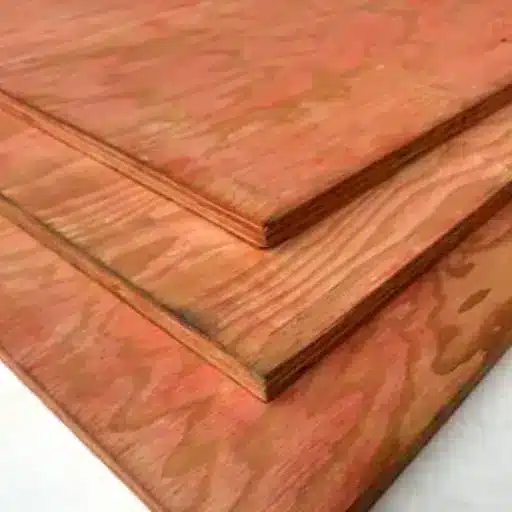
Spec’ing fire resistant plywood starts with four questions that cut through supplier hype and get you to the right panel. Answer these before you’re standing in the yard with 47 sheets on a flatbed and a confused GC on the phone.
1. Interior only, or does it need exterior durability?
Most fire resistant plywood is interior-rated. Moisture pulls the retardants out—think 12–18% strength loss after two wet winters if you use FR-S panels outdoors without protection.You’ll see “FRT interior use only” stamped right on the edge for a reason.
Exterior versions exist—specially formulated with weather-resistant binders—but they’re rare, cost 2–3x more per sheet, and still aren’t structural sheathing substitutes in most codes. Soffits under deep overhangs or covered bulkheads? Fine with standard treatment. Direct rain, coastal air, or roof decks? Switch to cement board or confirmed exterior FRT and spec stainless fasteners to match.
2. Matching treatment to your fire rating goal (B‑s1,d0 or Class A)
Your project dictates the rating. Class A (flame spread ≤25) covers most U.S. corridors, exit enclosures, and residential garages. Euroclass B‑s1,d0 steps up for EU high‑rises or hotels—less smoke, no flaming droplets—tested to BS EN 13501‑1.
Pick treatment by assembly. Interior pressure‑impregnated hits Class A reliably; surface coatings might get you there short‑term but wear off. For B‑s1,d0, you need full‑penetration chemistry—borates or phosphates—certified by the panel mill, not an aftermarket spray. Check the UL design: if it calls for “FR-S plywood,” generic “fire retardant” won’t cut it.
That said, over‑spec’ing costs time and margin. A B‑s1,d0 panel in a simple Class A corridor is like wearing a hazmat suit to unload plywood.
3. Cost premium vs standard sheathing
Expect 40–75% more per sheet than untreated CDX. A 4×8 sheet of 23/32″ fire resistant plywood might run $62 versus $38 for standard sheathing, depending on treatment depth and brand. Premium shrinks on bulk orders or if you’re already doing protected interior work.
When’s it worth it? Always in exposed interior surfaces—hallways, attics, soffits—where code demands low flame spread. Skip it behind gypsum unless the tested assembly requires it; you’re wasting money on hidden performance. For DIY or light commercial, balance premium against inspection risk—a failed flame test spreads faster than the fire itself.
Volume matters too. On a 12,000 sq ft school job, that 50% upcharge adds up fast, but so does rework if you sub regular ply and get tagged.
These four questions frame every fire resistant plywood decision. Nail them, and you’re not just compliant—you’ve built margin into the schedule and avoided callbacks chasing the wrong panel.
Fastener and Finish Gotchas With Treated Panels
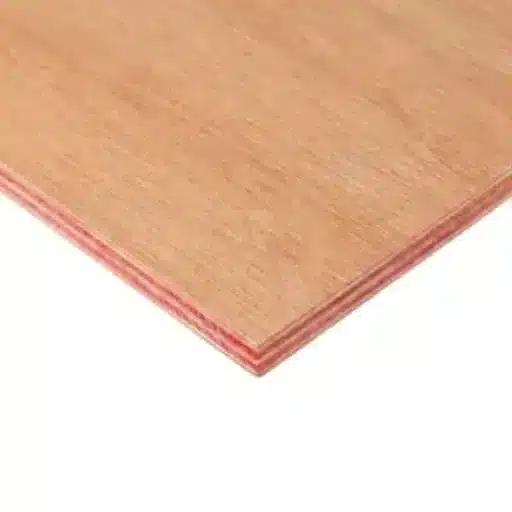
Fire resistant plywood bites back if you treat it like regular sheathing. The chemicals make the surface denser and more brittle right where you drive screws or nails, so standard fastener schedules don’t always hold.
That’s the first trap. Edge distances shrink—pull fasteners in 1/8″ from panel edges versus the usual 3/8″ on untreated ply, or you split the face veneer under load.You’d notice it most on diaphragms or tall walls where shear builds up; one popped edge nail in 17 can drift your whole assembly out of spec.
Corrosion is the other big one. Older formulations leached salts that ate galvanized coatings in 14–18 months. Modern treatments play nicer, but you still spec hot‑dip galvanized or stainless nails and screws—Type 304 minimum, Type 316 if you’re near salt air. Regular bright common nails turn to dust fast.
Finishes need care too. The retardants react with some oil‑based primers, leaving fisheyes or bleed‑through you can’t sand out. Water‑based acrylics or latex go on smoother, especially if you back‑prime all six sides before install. And don’t paint too soon—give panels 72 hours to off‑gas any residual treatment solvents, or you trap moisture under the coating.
Tape and mud over joints the same as untreated. But if you’re butting treated sheets tight for a clean corridor face, watch fastener head depth—a 0.040″ recess shows through thin paint better than you’d think.
These aren’t huge changes. Just tighter tolerances on a pickier material. Get the fasteners and prep right, and fire resistant plywood hangs and finishes like any other structural panel. Skimp, and you’re chasing callbacks six months after occupancy.
Frequently Asked Questions (FAQ)
-
What’s the difference between fire resistant plywood and regular plywood for a hallway project?
Fire resistant plywood is pressure-treated to cap flame spread at Class A levels (index ≤25), while regular CDX hits 100+. For a 60-foot apartment corridor, you’d spec FR-S panels exposed on walls or ceilings to meet code without gypsum. Regular ply burns faster, fails inspection. Treatment adds 40–60% to sheet cost but buys compliance and occupant time. -
Can I use fire resistant plywood outside, like on a soffit?
Interior FR-S works under deep overhangs—say, 28 inches minimum reveal—but direct rain leaches chemicals, dropping strength 15% in two seasons. For coastal soffits, get exterior-rated FRT with weather binders and stainless fasteners. Regular treated sheathing handles exposure better if flame spread isn’t critical. Always check edge stamps for “Exterior” or ICC‑ESR approval. -
How do I know if plywood is really fire rated?
Look for edge stamps: “FR-S,” “Class A,” FSI 20, or Euroclass B‑s1,d0 plus UL/Warnock Hersey marks. No label? It’s not certified. On a recent school job, generic “fire retardant” panels lacked ESR numbers and failed the torch test—back to the yard. Pull the mill cert or third‑party report before unloading. -
Does fire resistant plywood cost a lot more than standard sheathing?
Yes, 45–75% premium per sheet. A 4×8 of 23/32″ FR-S runs $58–$65; untreated CDX is $36–$42. Justified for exposed interior like exit stairs, not hidden behind drywall. Bulk buys or protected soffits trim the gap. Always weigh inspection risk—a redo on 2,400 sq ft kills any savings. -
Will fire resistant plywood hold up structurally in a wall assembly?
FR-S matches untreated for spans like 24/16 on 19.2″ centers, but edge nailing tightens to 6″ o.c. versus 6.5″. A 1‑hour corridor wall with studs at 16″ still diaphragms fine. Just spec hot‑dip galvanized fasteners—treatment can corrode bright nails in 14 months if damp. Strength holds 25+ years indoors.
References
-
APA – The Engineered Wood Association. (n.d.). Fire Phraseology FAQs: FRT versus Fire Rating. https://www.apawood.org/fire-phraseology-faqs
- Falcon Timber. (2023). Fire Retardant Plywood Euroclass Standards Explained. https://falcon-timber.com/wp-content/uploads/2023/01/Fire-retardant-ply-euroclass-explained.pdf
- Click here to read more.