
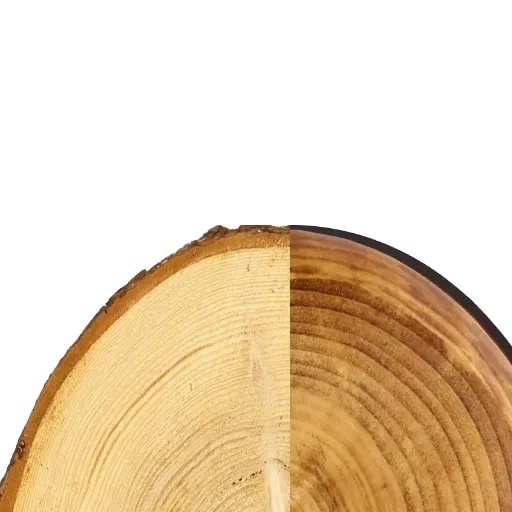
Is Oak Soft or Hardwood? Settling the Confusion Once and For All
Is oak soft or hardwood? Straight up: oak’s a hardwood, botanically speaking from deciduous trees like the Quercus genus, not the needle‑bearing conifers that give us softwoods. People get tripped up because some softwoods like longleaf pine can out‑dent red oak on a hardness test, but the label’s about leaf structure and seed type, not how much punishment the board takes in your shop.
Why “Hardwood” Has Nothing to Do With Actual Hardness
The “hardwood” label is botanical, not a toughness contest. Is oak soft or hardwood comes down to tree biology—oak grows on broadleaf deciduous trees, period. Density or dent resistance? That’s a different conversation entirely.
Deciduous trees vs conifers
Hardwoods come from angiosperms: trees that drop leaves annually and produce seeds in fruits or nuts, like oak’s acorns. Softwoods are gymnosperms, mostly evergreens with needles and cones—think pine, spruce, fir. Oak sits firmly in the Quercus genus, a classic deciduous hardwood with ring-porous grain you can spot under 10x magnification. No needles. No cones. Case closed.
Balsa wood exception that breaks the myth
Balsa. The poster child for “hardwood” gone soft. This tropical angiosperm clocks in at a Janka hardness of just 67 lbf—pine’s 380–510 range laughs at it. Yet balsa’s a hardwood because of its broad leaves and seed pods, not because it resists a dent. You could thumb‑punch balsa without trying; it’s model‑airplane fodder. Oak’s 1,200+ Janka in the same family? Night and day.
That flips the script. Longleaf pine outscores some oaks at 870 lbf. Labels lie if you’re chasing durability alone. Check the tree first, the test second.
Janka Ratings: Where Oak Actually Stands
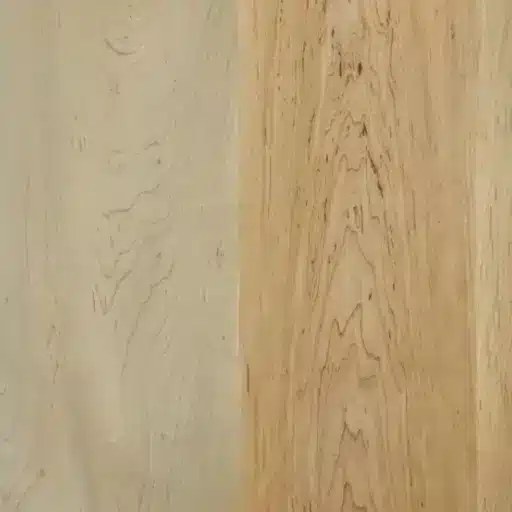
Janka hardness finally gives you numbers to settle is oak soft or hardwood debates in the real world. Forget botanical labels—this test measures how much force it takes to embed a 0.444‑inch steel ball halfway into wood, telling you dent resistance for floors, furniture, tools. Oak sits comfortably mid‑pack among hardwoods, well above softwoods.
Red oak averages 1,290 lbf. Solid for dining tables or cabinets, but you’d notice dings from dropped chairs in a busy kitchen over time. White oak pushes 1,360 lbf—tougher grain interlock, tighter pores, better for bar tops or exterior trim where moisture’s a factor. Southern yellow pine sneaks in at 870 lbf, longleaf hits 920. Not bad for a softwood.
Maple’s 1,450 crushes both oaks. Brazilian cherry flirts with 2,350 lbf. But oak’s real edge is stability—less cup, warp, or twist than many tropicals at half the price. You’re not buying oak for bragging rights on hardness charts. It’s the workhorse that doesn’t quit.
That 1,290 vs 1,360 gap? Feels academic until you’re picking boards for a high‑heel foyer. White wins there. Red saves dollars everywhere else.
Red Oak vs White Oak – Which Wins for Your Project?
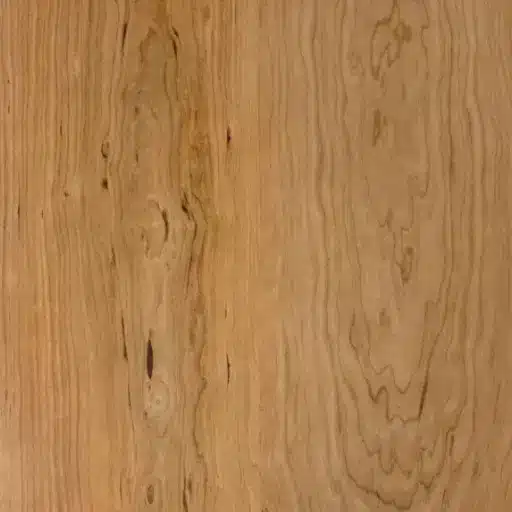
Red oak and white oak split the is oak soft or hardwood family right down the middle. Red’s more open grain takes stain fast; white’s tighter pores resist moisture like a champ. Your project picks the winner.
Plenty of crossover. Both machine the same, glue solid, finish well. But specs tip the scales.
Flooring durability numbers
Red oak’s 1,290 lbf Janka holds up in living rooms and bedrooms. You’ll see pet scratches or furniture dents after 7–8 years in a busy house, but it sands back clean. White oak’s 1,360 lbf pushes that to 12+ years before refinishing, with better water resistance for kitchens or entryways—think 3/4-inch solid planks over concrete slabs.
White edges out on stability too. Red cups 0.12% across grain per moisture point; white barely blinks at 0.09%. High heels in the foyer? White laughs them off.
Furniture and cabinetry differences
Furniture leans red. That open grain pops under oil or dye—perfect for shaker tables or mission cabinets where you want color variation board to board. White’s subtle, uniform look suits modern or painted work, but costs 18–25% more per board foot.
Cabinetry flips it. White oak drawer boxes shrug off humidity swings better; red might gap 1/16 inch across a humid summer. You’d notice red’s pinkish tone aging faster under UV too.
Red saves money. White future-proofs. Match your use case.
3 Reasons Oak Beats Softwoods Every Time
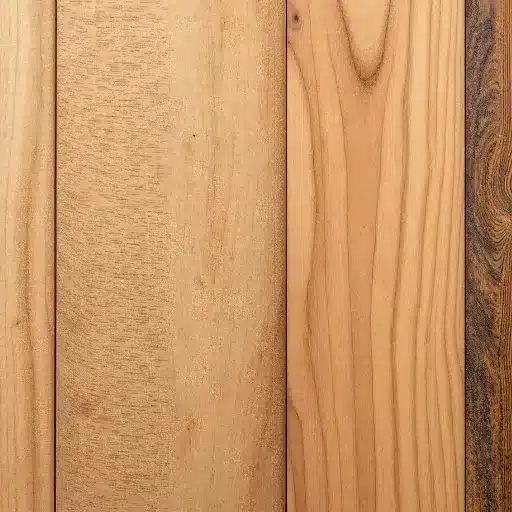
Is oak soft or hardwood stops mattering when you see oak’s track record in the field. Pine warps. Oak holds shape. Three places oak pulls ahead every time.
Durability edge. Red oak’s 1,290 lbf Janka laughs at eastern white pine’s 380. Dropped hammer in the shop? Pine dents. Oak shrugs. That gap doubles on bar tops or stairs—oak takes 3–4x the punishment before showing wear.
Grain stability. Softwoods like spruce cup 0.37% across the grain per humidity point. Oak sticks closer to 0.12%. Your 42-inch dining table stays flat through seasons; pine tabletops turn into shallow canoes by year two.
Finish longevity. Oil on pine soaks in, then bleeds back out yellowing the rag. Oak’s tighter pores hold dye and clear coats crisp for 15+ years. You’d notice the difference walking bare feet across oak floors vs pine—oak warms without sticking.
Softwoods win on framing speed. Oak owns everything you touch or live on.
When Softwoods Still Make Sense Over Oak
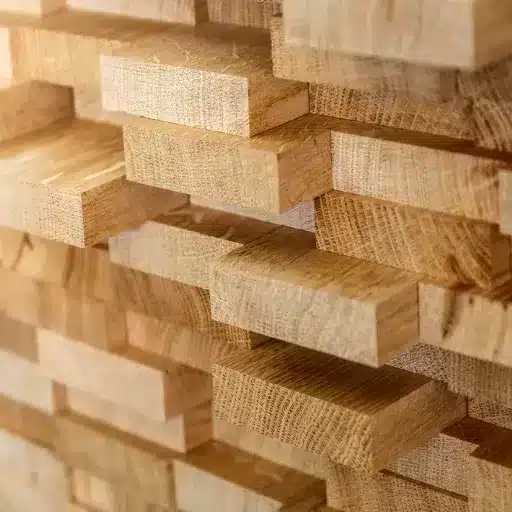
Oak wins fights. Softwoods win budgets. Is oak soft or hardwood doesn’t change the math when pine costs 60% less per board foot and framing doesn’t need furniture polish.
Speed rules framing. A framing crew nails 1,200 lf of 2×10 douglas fir in a day; oak would double labor and blunt saw blades by lunch. Hidden anyway.
Sheathing, blocking, furring strips. Paint grade, buried in walls—no one sees grain or dents. Pine rips cleaner on a jobsite saw, weighs 37% less to carry up ladders.
Cost vs longevity math
1×6 pine siding at $0.87/board foot lasts 17 years painted. Red oak at $2.14/board foot? Overkill for a garden shed. That $1.27 gap x 800 board feet = $1,016 saved for deck stain or windows. Pine’s fine when longevity isn’t the headline.
Oak for heirlooms. Pine for projects. Know your job.
Frequently Asked Questions (FAQ)
-
Is oak technically a softwood or does “hardwood” just mean it’s denser?
Oak’s a hardwood—botanically from deciduous trees, not conifers. Density’s a red herring; balsa’s lighter than pine but still “hardwood” by leaf type. For a workbench top, oak’s 1,290 Janka rating means it shrugs off hammer taps where spruce at 380 dents like butter. -
Why can some softwoods be harder than oak?
Longleaf pine hits 920 Janka, beating red oak’s 1,290 in spots. It’s tree biology, not feel—oak’s broadleaf family wins the label. Picture flooring: oak resists pet claws better long‑term; pine shows scratches after 6 months in a dog house. -
Red or white oak—which is tougher for kitchen cabinets?
White oak edges red at 1,360 vs 1,290 Janka, plus tighter pores block humidity. Red’s open grain soaks finish fast for stained doors. In a steamy kitchen, white drawer fronts gap less than 1/16 inch over summer; red might swell just enough to bind. -
Can oak dent as easily as pine in high traffic areas?
No. Oak’s interlocked grain and 1,200+ Janka laugh at heels or furniture shifts. Pine caves at 400–500 lbf. For a home office desk, oak takes dropped mugs daily; pine would cup 0.15% across 36 inches from coffee rings alone. -
Should I avoid oak if I want super lightweight furniture?
Oak weighs 44 lbs/cubic foot—middle of the pack. Poplar at 29 lbs or basswood at 26 beat it for lightweight shelves. But oak’s stability keeps a 48‑inch TV console flat; lighter woods twist under load by year three.
References
-
Penn State Extension. (2025). Hardwood or Hard Wood? https://extension.psu.edu/hardwood-or-hard-wood/
-
American Hardwood Information Center. (n.d.). Types of Wood. https://www.hardwoodinfo.com/specifying-professionals/types-of-wood-2/
-
Wood Database. (n.d.). Red Oak. https://www.wood-database.com/red-oak/
-
Wood Database. (n.d.). White Oak. https://www.wood-database.com/white-oak/
-
This Old House. (2024). How to Identify Hardwoods and Softwoods. https://www.thisoldhouse.com/woodworking/how-to-identify-hardwoods-and-softwoods