
Is Yellow Pine Good for Outdoor Use? Real Lifespan and Smart Choices
Yellow pine has a reputation as strong framing stock, but is yellow pine good for outdoor use? Depends entirely on treatment, exposure, and whether you’re ready to protect it right. Untreated, it’ll gray and soften fast in rain; pressure-treated versions can carry decks for decades.
Yellow Pine Basics: Strength Without Natural Rot Resistance
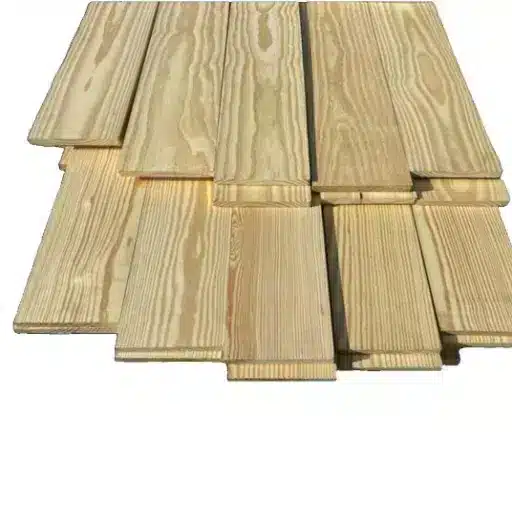
Yellow pine—specifically Southern yellow pine—is a workhorse for framing and structural jobs because of its density and load‑bearing chops. That tight grain and hefty weight give it real muscle indoors. But when the question is yellow pine good for outdoor use, the answer hinges on one glaring gap: no built‑in rot resistance.
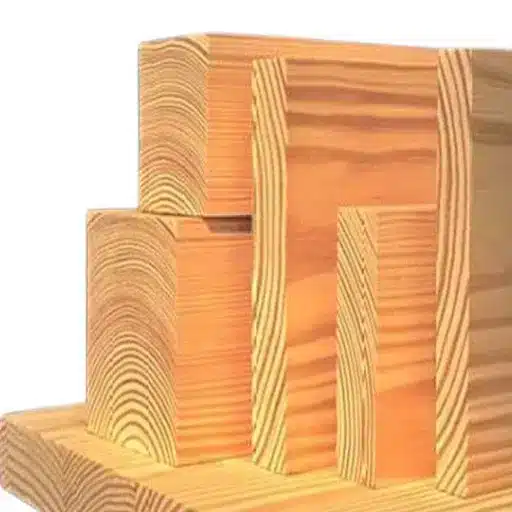
It’s denser than spruce or fir, soaking up treatments better and holding fasteners like a champ. You’d notice the difference hefting a yellow pine 2×10 next to a white pine board of the same size—the yellow stuff feels like it could take a punch. Southern yellow pine grows fast in the Southeast, hitting harvestable size by 17–22 years, which keeps supply steady and prices sane for builders.
Yet that same open grain drinks water like a sponge when exposed. Left untreated, it grays fast and starts to soften at cut ends or where rain pools, usually within 12–18 months depending on your climate. Cedar or redwood laugh at ground contact or constant wetting; yellow pine begs for protection or it’ll turn to punky mush.
That density is a double‑edged sword. Indoors, it’s bulletproof. Outside untreated, forget it. You’re not fighting nature with this wood—you’re negotiating terms.
Untreated vs Pressure-Treated: The Outdoor Game‑Changer
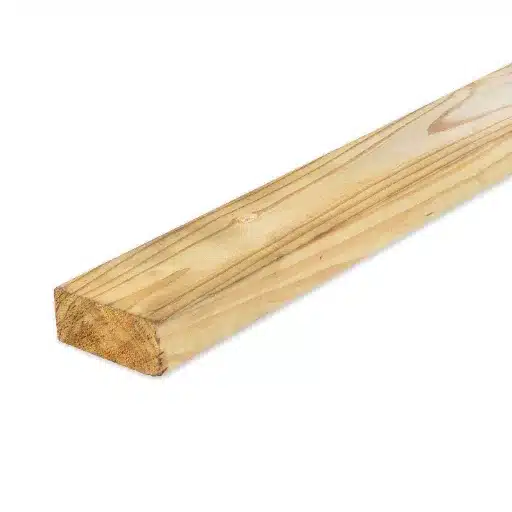
Whether yellow pine is good for outdoor use boils down to one choice: treated or not. Untreated works for dry, covered spots. Pressure-treated turns it into a budget deck or fence that can go the distance.
What untreated yellow pine can (and can’t) handle
Untreated yellow pine shrugs off an occasional sprinkle if it’s under cover. Think porch ceilings, rain‑screen siding gaps, or pergola rafters where water doesn’t sit. You can even get 3–5 years from a picnic table if you hit it with a penetrating oil twice a year and keep it elevated off wet ground.
But ground contact? Forget it. Posts, planters, or deck boards sitting in soil will wick moisture and soften within 12–18 months, faster in humid zones. Cut ends drink rain like straws, leading to checks that trap dirt and invite rot. It’s not that yellow pine hates weather—it just doesn’t fight back without help.
You’d notice the graying first. Then the give underfoot.
Pressure-treated options and retention levels
Pressure treatment forces chemicals deep into the cells using vacuum and pressure cycles, measured in pounds per cubic foot (PCF) retention. For above‑ground decks or fences, .25–.40 PCF of ACQ or copper azole keeps most yellow pine solid for 15–25 years with basic maintenance.
Ground contact jumps to .40–.60 PCF, the stuff you want for posts or landscape timbers that touch soil. In extreme cases like permanent retaining walls, 2.5 PCF salt‑borne treatment laughs at coastal salt spray and swampy muck. One detail: always check the end tag for actual retention numbers, not just “treated” on the sticker.
That said, not all treated pine is created equal. Wet‑of‑treatment stock can shrink and twist as it dries on site, splitting around knots or checks if you don’t sticker it properly. Higher retention costs more upfront but saves replacement headaches.
Kiln‑dried after treatment (KDAT) skips most of that drama. It’s pricier, but boards arrive closer to final size and moisture. For a raised deck 18″ off grade, .40 PCF KDAT yellow pine will outlast untreated cedar twice over without the fuss.
How Long Will It Actually Last Outside?
No two yellow pine projects age the same way outdoors. Whether yellow pine is good for outdoor use depends on how you spec it and what mother nature throws at it. Pressure-treated beats untreated every time, but even then, expect 15–40 years depending on the setup.
Factors like climate, exposure, and maintenance
Wet climates chew wood faster. In the Pacific Northwest with 47 inches of annual rain, untreated yellow pine fence pickets might last 2–4 years before they start to fuzz and split. Desert dry like Arizona? Same untreated boards could hang on 7–9 years with minimal checking.
Ground contact accelerates everything. Posts buried even 18″ in clay soil pull constant moisture, while elevated decking sheds water better if you’ve got decent airflow underneath. Maintenance is the wildcard: reapplying sealer every 17 months on a pergola doubles its life compared to a neglected picnic table.
Yet neglect kills faster than weather. UV cracks the surface lignin, letting water invade. You’d notice the graying first, then soft spots where screws pull out.
Typical timelines for decks, posts, furniture
Above-ground decking with .40 PCF treatment averages 20–25 years before surface rot or fastener corrosion sets in, assuming you recoat every 3–5 years. Posts in soil at .60 PCF can hit 25–35 years, though the bottom 6″ often needs replacement first.
Furniture is trickier. A treated Adirondack chair on a covered porch might go 12–18 years with oil reapplied twice yearly. Exposed untreated benches? 3–5 years tops, even with end-grain sealing—rain pooling at joints wins every time.
That said, real numbers beat promises. Check local yards for “in‑ground” test stakes; they’ll tell you more than any spec sheet.
Best Outdoor Projects for Yellow Pine (Skip These Ones)

Yellow pine shines in straightforward, structural outdoor jobs where strength trumps fancy grain. Whether it’s good for outdoor use often comes down to picking projects that play to those strengths—and dodging ones where rot or checking will haunt you. Treated right, it’s a budget beast.
Decks and railings are prime territory. Pressure-treated 5/4 x 6″ boards at .40 PCF hold up 20+ years for walking surfaces, and the density grips screws better than spruce. Just keep the joists vented—no trapped moisture under composite decking. You’d notice the difference in a storm; that heft doesn’t flex like lighter species.
Fences and gates love it too. 1×6 or 2×4 pickets and rails stand stiff against wind, and ground-contact posts at .60 PCF laugh at soil rot for a couple decades. One trick: bevel the tops 17 degrees so water sheets off instead of pooling.
Pergolas, arbors, and carports work well above grade. 4×4 or 6×6 columns carry real roof loads, and the open design lets everything breathe. Skip paint here—penetrating stain lets the wood move without cracking the finish.
Playground structures or landscape timbers fit if treated heavy. .60–.80 PCF retention keeps buried or soil-touching pieces solid, though check local codes; some playground specs demand specific certifications.
Now the skips. Planters and raised beds? Bad idea untreated—they wick soil moisture and rot from the inside in 12–18 months. Even treated, constant wet soil stresses the roots of anything planted.
Outdoor kitchen cabinets or trim near ground level invite callbacks. Splashing from sinks or sprinklers keeps end grain damp, and knots bleed resin that messes up finishes. Cedar or a waterproof composite wins there every time.
Exposed furniture like dining tables takes a beating. Sun cups the surface, rain pools in joints, and 3–5 years later you’re scraping punky gray mush. Covered swings or chairs can push 10 years with oil, but only if you’re diligent.
That said, scale matters. A 47‑board fence is a yellow pine win. A single Adirondack on a wet patio? Buy teak or spend your weekends refinishing.
Finishing Yellow Pine to Beat the Weather
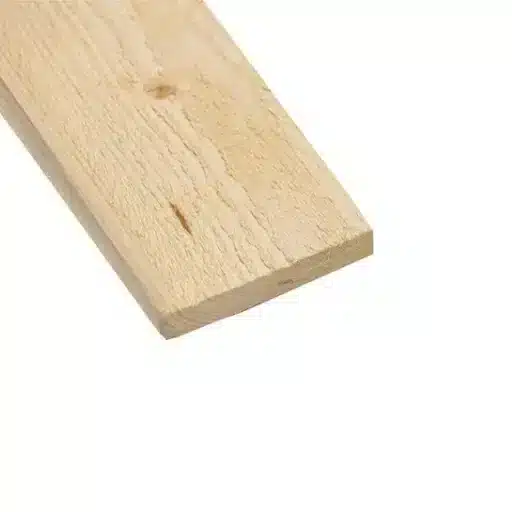
A good finish doesn’t make yellow pine rot‑proof, but it buys you years by shedding water and slowing UV damage. Whether it’s good for outdoor use often comes down to this step—skip it, and even treated boards gray and check faster than they should.
Pick your fight. Sealers keep water out but let the grain show. Stains add color and UV blockers. Paint hides flaws but demands perfect prep.
Sealers, stains, paints—what holds up
Penetrating oil‑based sealers like boiled linseed oil mixed 50/50 with mineral spirits sink deep into yellow pine’s thirsty grain, repelling rain for 18–24 months before you need another coat. Ready Seal or similar semi‑transparent stains go further, blending UV blockers with water repellency to keep fences or pergolas looking fresh through three or four seasons. Acrylic hybrids like Defy Extreme hold up even better on decks, resisting mildew without peeling for 3–5 years per the manufacturer’s accelerated tests.
Paints lock out everything—moisture, UV, even air—but they crack if the wood moves too much underneath. On posts or railings, a good exterior latex over primer can last 7–10 years. The catch? Yellow pine resin bleeds through if knots aren’t sealed first.
Yet paint hides the wood’s character. If you want that golden tone to pop, stick to stains.
Prep steps that make or break it
New treated pine needs to dry first. Wet‑of‑treatment boards reject finish until they hit 15–18% moisture—test by sprinkling water; if it beads up instead of soaking in, wait.
Mold the surface lightly with 80–120 grit. Don’t overdo it; you want the finish to grip, not float on a polished face. Hit end grains twice—they’re the first to rot. One trick: elevate furniture 3/4″ off concrete with feet or spacers so air circulates underneath.
Two thin coats beat one heavy one every time. Brush or back‑roll after spraying to work it into pores. You’d notice the difference in a year—boards that got proper saturation don’t fuzz or silver as quick.
Frequently Asked Questions (FAQ)
-
Q: Can I build a deck with untreated yellow pine or will it rot too fast?
A: Untreated yellow pine on a deck will gray and soften in 2–4 years with direct rain exposure, faster near soil. For joists or railings under cover, you might get 5–7 years if you seal end grains yearly. Elevated 18″ off ground with good airflow, a pergola could push 8 years—but pressure-treated at .40 PCF is the smart play for walking surfaces. -
Q: How do I make yellow pine posts last in the ground?
A: Use pressure-treated at .60 PCF minimum for soil contact; untreated rots out in 12–18 months. Bevel tops 15 degrees to shed water, set in gravel 6″ below grade, and backfill with soil that drains. In clay or swampy spots, 2.5 PCF salt treatment beats everything. Check end tags for real retention numbers. -
Q: Is yellow pine okay for an Adirondack chair on the patio?
A: Pressure-treated works fine and costs less than cedar. Expect 10–15 years with annual oil or semi-transparent stain; untreated drops to 3–5 years max. Keep it covered or elevated 1″ off concrete—rain pooling at joints kills it fastest. Resin from knots can bleed, so seal those first. -
Q: What’s better for a fence: yellow pine or cedar?
A: Treated yellow pine wins on strength and price for posts/rails—20–25 years vs cedar’s 15–20. Pickets can go either way, but yellow pine stays straighter in wind. Bevel tops, space 1/8″ for drainage. Cedar looks better longer untreated, but upfront it’s usually double the cost per linear foot. -
Q: Will yellow pine furniture hold up through winter?
A: Treated benches or tables last 12–18 years with stain reapplied every 2 years. Untreated? 3 years tops before checks open up. Stack and cover in off‑season; freeze-thaw cycles crack end grain fast. In dry cold like Denver, you’ll get more life than humid freeze like Seattle.
References
-
U.S. Forest Service. (2020). Wood Handbook – Southern Yellow Pine Growth and Properties. https://www.fpl.fs.usda.gov/documnts/fplgtr/fplgtr190.pdf
-
American Wood Preservers’ Association. (2023). AWPA U1-23 Use Category Standards for Treated Wood. https://www.awpa.com/standards
-
USDA Forest Products Laboratory. (2022). Wood Finishes and Weathering Performance Guidelines. https://www.fpl.fs.usda.gov
- Click here to read more.