
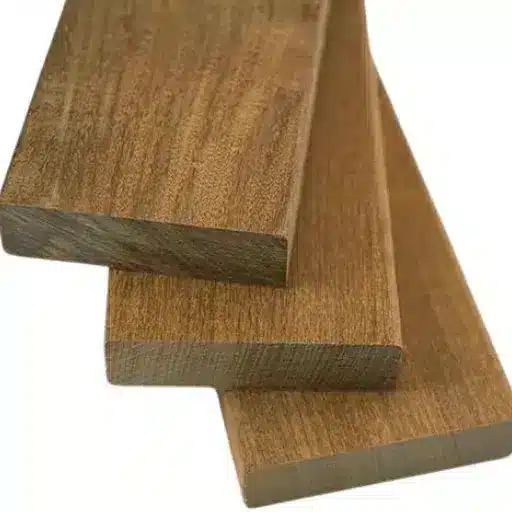
Best Weather Resistant Wood: Top Choices Ranked by Durability
Picking the best weather resistant wood starts with knowing which species actually shrug off rain, sun, and ice without turning to mush. Ipe and teak top the list for a reason—they’re dense, oily, and built to last decades. But cost, sourcing, and your project type change the game entirely.
What Makes Wood Weather‑Proof?
Weather-proof wood fights water, UV, and fungi on three fronts: density, natural chemistry, and stability. Finding the best weather resistant wood means picking species that win that battle without constant human help.
Dense woods like ipe (around 3,700 lbs per cubic meter when dry) resist water penetration better than light ones. But density alone isn’t enough. Tight pores and interlocking grain keep liquid from wicking deep into the cells.
Natural oils and tannins are the real MVPs. Teak’s oily heartwood repels moisture like a non-stick pan; cedar’s thujaplicins kill fungi before they take hold. You’d notice it in cut ends—some woods stay crisp for weeks in damp air, others soften overnight.
Stability matters too. Wood that shrinks or swells less than 7–9% as humidity swings from 20% to 80% won’t crack or warp under a deck railing. Freeze-thaw cycles wreck unstable stuff fast; stable species just shrug.
Yet no wood is invincible. Even top performers gray under UV and eventually check if neglected. Treatments and finishes bridge that gap. The question isn’t “does it last forever?” It’s “how long can it fight before you step in?”
Domestic Options That Actually Hold Up
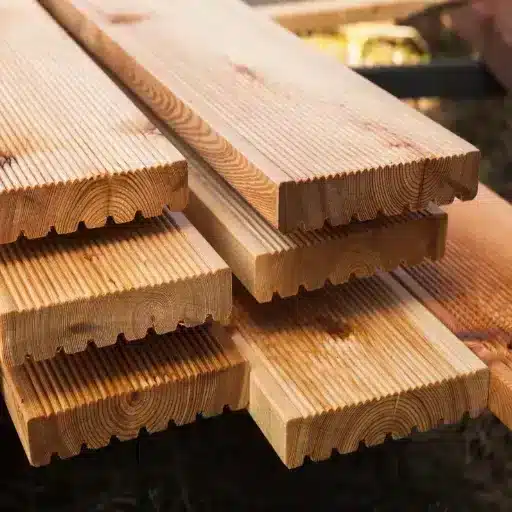
Skip the import shipping fees and long lead times—plenty of U.S.‑grown woods rank among the best weather resistant wood choices for decks, siding, and fences. They lean on natural oils, tannins, and tight grain instead of tropical density.
Cedar, Redwood, Cypress
Western red cedar weathers like a champ above ground. Its thujaplicin oils fend off rot and bugs for 15–25 years on siding or pergola rafters, graying gracefully without much checking if you space the boards 1/8″ for drainage. You’d notice the aroma right away—lingers for months on fresh cuts.
Redwood heartwood follows close. Old‑growth is legendary, but even second‑growth lasts 20+ years untreated on fences or benches in mild climates. Coastal air suits it; inland freeze‑thaw can split wide planks faster.
Cypress, especially old‑growth baldcypress, laughs at swampy conditions. Tanks full of its planks from the 1940s still look solid. Use it for docks or raised planters—those natural resins keep soil rot at bay for decades.
White oak and black locust
White oak’s tyloses plug the vessels like a natural sealant, earning it boat knees and barrel staves for centuries. Expect 15–20 years above ground untreated; quarter‑sawn holds up best to cupping. It’s heavier than cedar, so figure extra fasteners on long spans.
Black locust might be the dark horse. Denser than white oak at 1,200+ lbs per cubic meter, it shrugs off rot and termites like tropicals. Fence posts last 40–50 years in soil; decking pushes 25 easily. Supply’s spotty—mills call it “locust” and charge accordingly.
Yet both tan beautifully under oil. No need to paint if you like the driftwood look.
Budget Picks vs Premium: Cost Reality
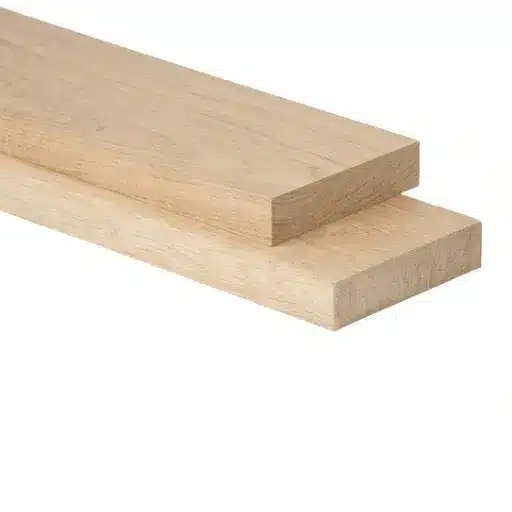
The best weather resistant wood isn’t always the cheapest—or the most expensive—when you count total ownership over 25 years. Pressure-treated pine wins upfront battles; ipe owns the long game.
Pressure-treated Southern yellow pine runs $1.50–$2.75 per linear foot for 5/4 decking in 2026 pricing. Add $500–$1,200 every 3–5 years for stain or sealer on a 300 sq ft deck, plus occasional board swaps. By year 25, you’re north of $7 per square foot installed, assuming no full tear‑out.
Cedar sits in the middle. Clear heartwood 5/4×6 goes for $3.75–$5.25 per linear foot. Less maintenance than pine, but UV still grays it and checks open after 12–15 years. Total cost lands around $9–$11 per square foot over decades. You’d notice the aroma fade first, then the surface fuzz.
Premium tropicals like ipe start higher: $4.50–$7.50 per linear foot. Cumaru’s a touch less at $4–$5.50. No staining needed, just occasional soap wash. A 40‑year deck might only need new fasteners once. Upfront hit feels brutal—$15,000 vs $9,000 for pine on the same footprint—but zero callbacks change the math.
That said, scale flips the script. A 47‑linear pergola in locust costs 20% less than ipe but lasts just as long. Small furniture projects? Skip tropicals; shipping minimums kill the savings.
Composites muddy the water. Mid‑grade Trex hits $5–$8 per foot, promising low upkeep. But fade, scratching, and 25‑year warranties with asterisks make wood the better bet if you oil occasionally.
Bottom line: Budget $2–$3/ft for “replace every 15 years.” $5–$8/ft for “set it and forget it.” Your climate and patience pick the winner.
Which Wood for Your Project?
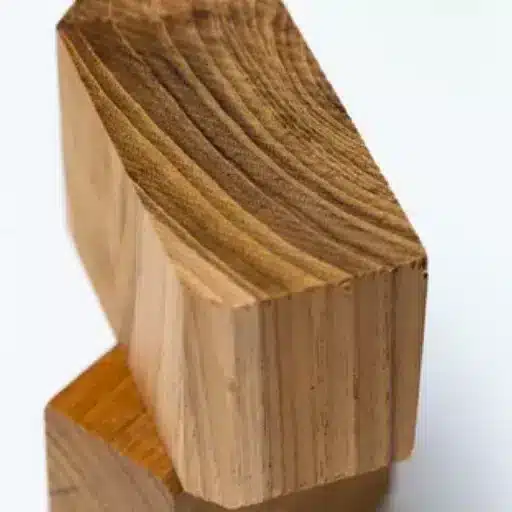
Project type trumps species every time when hunting the best weather resistant wood. A dock in salt water demands different specs than a backyard pergola. Match the load, exposure, and budget—or you’re just burning cash.
Decking and docks
Ipe rules decks. Its 3,500+ Janka rating and 50+ year lifespan handle foot traffic, chairs dragged across, and winter salt without splintering. Cumaru saves 15–20% with near-identical durability; both gray to silver unless oiled yearly.
Docks shift to greenheart or tropical hardwoods. Salt water chews cedar fast—expect 8–12 years max. Composite clips or steel framing with ipe planks hit 40 years, but the creak of solid wood underfoot beats plastic every time. Pressure-treated pine works above the tide line if you’re pinching pennies.
Siding and fencing
Cedar siding breathes. 1×8 boards spaced 1/16″ last 20–25 years unpainted, shedding rain while letting vapor escape. Redwood heartwood follows for coastal builds; inland, cypress resists humidity better.
Fencing leans black locust or Osage orange posts. Those sink 42″ in clay soil and still stand after half a century. Pine pickets work if treated, but knots bleed resin and twist. Ipe slats cost too much for 300 linear feet—you’ll hate the invoice.
Furniture and pergolas
Teak furniture takes abuse. Adirondacks on a wet patio fade to silver patina but stay solid 30–40 years. Acacia mimics it for 60% less; just seal end grains or checks open after 7–9 years.
Pergolas call for white oak 6x6s. Quarter-sawn resists cupping under summer downpours, and the grain pops under linseed oil. Garapa slats add light color that holds through UV. Skip pine here—sagging rafters in two seasons.
Yet climate tweaks everything. Midwest freeze-thaw favors denser stock; Florida humidity kills light softwoods fast. Size your fasteners 1.5x longer than the wood’s density suggests.
3 Finishing Secrets for Any Wood
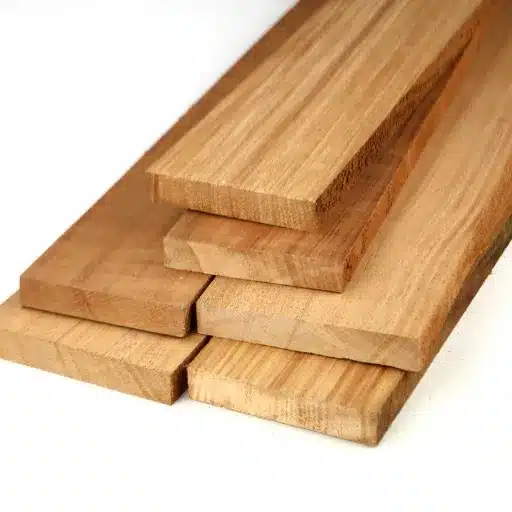
Even the best weather resistant wood needs protection to hit peak lifespan. Finishes don’t make wood invincible—they just slow the UV and water attack long enough for your project to outlast the warranty.
Secret 1: End grains get double treatment.
Cut ends wick water 16 times faster than faces. Flood them with straight linseed oil or epoxy thinset before assembly—two coats, 24 hours apart. You’d notice the difference in three years: unprotected posts check open while sealed ones stay tight.
Secret 2: Thin coats, applied wet.
Heavy brush‑on finishes sit on top and crack. Dilute penetrating oils 25% with mineral spirits, wipe on thin, and leave wet 17 minutes before wiping excess. Builds UV blockers gradually without clogging pores. Ipe takes three passes to amber up right; cedar needs two.
Secret 3: Annual soap wash, no sanding.
UV breaks lignin yearly, raising fuzz. Skip the sander—a 17% Simple Green solution and stiff brush restore flatness without opening grain for water. Rinse, dry 48 hours, re‑oil lightly. Skip this and your stain peels by year five.
That said, match the finish to exposure. Decks want film‑forming stains with mildewcides. Siding breathes better under oils. Even bulletproof tropicals like cumaru gain 8–12 years from basic care.
Frequently Asked Questions (FAQ)
-
Q: What’s the single best weather resistant wood for a deck in heavy rain?
A: Ipe tops the list. Its 3,700 lb/m³ density and natural oils repel water so well that a 300 sq ft deck in Seattle stays solid 40+ years with just soap washes. No staining needed. Cumaru saves 15% with near-identical performance—just check for straight grain to avoid cupping on joists 16″ apart. -
Q: Can cedar really compete with tropical hardwoods outdoors?
A: Cedar works great above ground. Western red heartwood siding lasts 20–25 years unpainted, breathing through 1/8″ gaps while shedding rain. Pergola rafters handle it fine. But docks or ground contact? Rot hits in 8–12 years. Ipe or locust laugh at that exposure. -
Q: Is pressure-treated pine worth it vs naturally durable woods?
A: Treated pine wins budget decks at $2/ft. A 5/4×6 board at .40 PCF retention carries 20 years above grade if you oil end grains yearly. Posts need .60 PCF. Exotic ipe costs 3x upfront but skips all maintenance. Your 400 sq ft backyard decides. -
Q: What wood should I avoid for outdoor furniture?
A: Skip untreated pine or spruce. An Adirondack chair on a wet patio fuzzes and checks in 2–3 years—rain pools at 45° seat angles kill it. Teak or acacia hold 25–35 years untreated. Even budget eucalyptus beats pine if you seal joints first. -
Q: How does black locust stack up for fence posts?
A: Better than cedar, rivals ipe. Posts sunk 42″ in clay soil stand 40–50 years without treatment—denser at 1,200 lb/m³ than white oak. Pickets twist less than pine. Supply’s spotty in some regions, so call mills early. Osage orange edges it for termite zones.
References
-
U.S. Forest Service. (2020). Wood Handbook – Wood as an Engineering Material. https://www.fpl.fs.usda.gov/documnts/fplgtr/fplgtr190.pdf
-
USDA Forest Products Laboratory. (2022). Exterior Wood Coating Performance Guidelines. https://www.fpl.fs.usda.gov
-
Oregon State University Wood Innovation Center. (2018). Natural Durability of Wood Species Checklist. https://owic.oregonstate.edu