

Wood Veneer Grades Explained: AA, A, B, C Classification System
The understanding of the grading scheme is very important when it comes to choosing the perfect veneered wood for your project. The wood veneer grades—AA, A, B, and C—are the usual way to measure and express the quality, look, and usability of veneer sheets. Overall, the grading is excellent if you are dealing with an expensive furniture piece or a high-quality surface in your house. The right grade can make all the difference in achieving the look and performance you want. This article examines the AA, A, B, and C classifications in detail and provides a clear, comprehensive breakdown of each grade and its corresponding applications. By the end, you will have the knowledge to confidently select the veneer grade that best meets your project requirements.
Introduction to Veneer and Its Importance
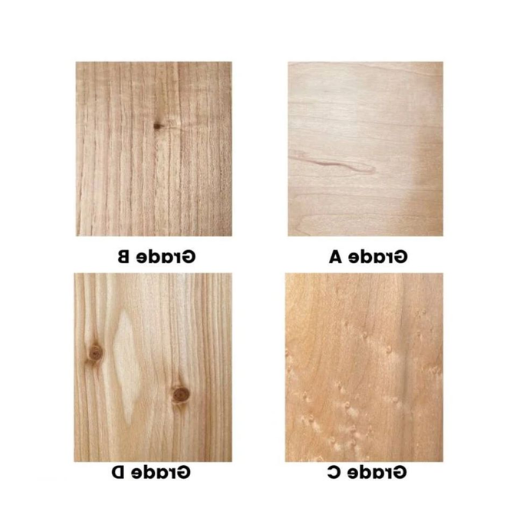
Veneer is a delicate wood layer that is often placed on top of other materials to give them a nice and smooth look with a much less solid wood consumption. Its use in the industry is due to its ability to provide an expensive, natural-wood look at a much lower price. Veneer, thanks to its wide range of applications, sustainability, and ability to improve the aesthetic aspect of the interior without sacrificing quality or utility, is a material that the furniture, cabinets, and interiors win to match their versatility still again.
What is Wood Veneer?
Natural wood veneer is a thin sheet of wood that is often bonded to core panels such as MDF or plywood to provide the look of solid wood at an economical and environmentally friendly cost.
Relevance of Veneer in the Industry
Wood veneer is widely used across industries and applications for its excellent properties and versatility. The following are the five major points demonstrating its importance:
- 1
Cost-Effectiveness: Manufacturers can achieve the same quality and aesthetics as solid wood, but prices are much lower than for solid-wood materials used to make large furniture or infrastructure pieces. - 2
Sustainability: The use of natural wood is minimized by the veneer process, which requires only the thin slices of the log thereby reducing waste and promoting resource management. Research indicates that wood consumption through veneer use can be reduced by 90% compared with solid wood. - 3
Aesthetics and Versatility: The surface can be made visually attractive in countless ways by using veneer’s wide selection of grain patterns, colors, and designs. Because of this, it is perfect for use in furniture, interiors, and architecturally detailed areas. - 4
Durability and Strength: Applying veneer to a solid substrate such as MDF or plywood combines the beauty of the wood with good durability. Thus, it can be used in places where durability and elegance are needed. - 5
Widespread Application: Veneer is widely used in industries such as furniture manufacturing, automotive interiors, and luxury design to maintain quality and enhance product appeal. For instance, the global furniture market, where veneers play a significant role, is projected to grow at 5% annually from 2023 to 2028.
The wood veneer’s features clearly explain why it remains the primary material for manufacturers and designers.
Overview of the Grading System
Veneer grading has become a primary method for evaluating veneer quality, and the grading system is integral to this evaluation. Veneers are typically graded based on grain consistency, surface quality, and defect count. The grading categories commonly used are described below:
Grade A (or Premium Grade):
Veneers of this grade are regarded as the best among all quality grades. They have the same grain pattern throughout, the same color, and no visible defects. These veneers are used primarily in high-end furniture, luxury interiors, and decorative applications where aesthetics is the primary concern.
Grade B (or Standard Grade):
This grade is represented by veneers of good quality that might have minor defects for instance, slight color variations or small knots. They can be used in most cases where a compromise between cost and quality is sought for furniture and interior.
Grade C and Below (or Utility Grade):
The veneers of lower grades may show larger defects, such as uneven grain, larger knots, and discoloration. Therefore, they are usually employed in applications where aesthetic quality is not the primary concern, for instance, as backing material or in structural components.
Recent Industry Data on Veneer Quality Trends
Recent studies on global market trends indicate that technological advancements in production processes are the primary drivers of improved grading systems in terms of precision and final product quality. For instance, the cutting machines that are CNC-controlled are capable of defect identification with a high accuracy level. Reports from 2023 indicate that the Grade A veneer segment accounted for approximately 40% of the market, driven by the luxury furniture industry’s increased demand for sustainable premium materials.
With growing interest in sustainability, more industries are switching to wood veneers sourced from well-managed forests. Certificates such as FSC (Forest Stewardship Council) are increasingly indispensable for signifying quality and ethical sourcing, thereby directly affecting grading criteria.
Having a structured grading system in place ensures product consistency and enables manufacturers and designers to meet the requirements of clients across industries, including those with unique demands.
Detailed Explanation of Veneer Grades

Veneer grades are a crucial factor determining the quality and visual appearance of wood veneers, thereby enabling manufacturers, designers, and consumers to make informed decisions. The grading system’s chief considerations are the overall quality of the wood, the type of wood, the number and severity of defects, and the degree of uniformity. The following veneer grades and their features are commonly utilized in the market:
1. Grade A
Grade A veneers are of very high quality and are aesthetically perfect. This grade generally has no visible defects, such as knots, discoloration, or cracks. The grain is so well-defined that these veneers can be used even in the case of costly furniture, cabinets, and decorative purposes. Because they are premium wood, Grade A veneers are always in high demand and costly.
2. Grade B
Grade B veneers are priced lower but offer excellent quality, with slightly larger defects such as small knots or slight color variations. They are not very common for their intended purpose, but they might be used on less visible parts of items, such as the sides or backs of furniture, where very slight imperfections do not significantly affect the overall appearance.
3. Grade C and Below
The lesser grades comprise veneers that have been classified because they have defects that are more immediately recognizable, for instance, lack of knots, continuous and wild grain patterns, or significant color changes. They also cost less, but Grade C is mainly used in the building and manufacturing industries, where appearance is less important.
Data on Veneer Demand and Sustainability
The global market for veneers was estimated at around $34 billion in 2022, according to recent market research reports, and is expected to grow at a 4.5% annual rate through 2030. One of the major factors contributing to this rise in demand is the consumers’ increased preference towards eco-friendly materials and sustainable sourcing. The FSC (Forest Stewardship Council) study found that a whopping 72% of buyers opt for certified sustainable wood products which further implies the necessity of responsibly sourced veneers in the current market.
Factors Impacting Veneer Grades
Many factors determine the grading of veneers:
- Growth Rings: The visibility and placement of growth rings directly affect the wood’s aesthetic appeal.
- Knots and Defects: Any defect reduces the veneer grade.
- Species Type: Different timber species may contribute to grading based on their physical and visual characteristics, either positively or negatively.
By understanding veneer grades and factors such as current trends & sustainability practices, industries can ensure they choose the right product based on both aesthetics and functionality.
Characteristics of AA Grade
The AA-grade veneer is the highest-quality veneer, offering outstanding visual and structural properties. The following five main characteristics support the division of AA grade:
1. Flawless Appearance:
The AA grade veneer is entirely free of any visible defects such as knots, splits, or discoloration which guarantees that a very uniform and premium finish is achieved.
2. Consistent Grain Pattern:
The wood grain is perfectly even and symmetric, giving it a sophisticated, beautiful look that is well-suited to high-end applications.
3. High Durability:
The AA grade veneers come from the very best wood species, which gives them great strength, and therefore they last longer.
4. Minimal Color Variation:
The veneer shows very similar color tones all over the sheet which adds to its beauty.
5. Precision Cutting:
Very high precision standards are used for the manufacturing of this grade, which results in very clean edges and very accurate sizing since the strict specifications are met.
Features of A Grade
Good Aesthetic Appeal:
A Grade veneers are good-looking, and their surface is uniform, so they may be used in a variety of mid-range applications at once.
Reliable Durability:
A Grade, being made of the finest wood variants, gives a guarantee to the strength and fair lifespan.
Moderate Color Consistency:
The sheets give good color uniformity with a slight natural variation, which helps to make them more real.
Versatile Usage:
This grade is widely used in the production of furniture, paneling, and interior decor where low cost and high performance meet.
Standard Precision:
Veneers with A Grade precision are manufactured with the highest tolerances and thus are used in various applications.
Insights on B Grade
B Grade veneers are not as good as A Grade in terms of physical appearance and quality, but they are still suitable for a broad range of applications. The sheets of this grade may have more obvious defects like knots, mineral streaks or somewhat inconsistent grain patterns, which make the projects look more rustic or natural.
Appearance:
B-grade veneers generally exhibit greater natural color and grain variation. The defects are more obvious but they can bring a beautiful uniqueness to the furniture or the art and craft work.
Strength and Durability:
A Grade veneers are the most durable ones and the B Grade ones are slightly less so. However, B Grade still has sufficient strength for typical use in places where the wood is not exposed to heavy wear.
Cost-Effectiveness:
B Grade is reasonably priced compared to A Grade; it is a great pick for projects constrained by budget. The latest market data indicate that B-grade veneers are typically 15-30% cheaper than A-grade veneers, depending on the wood species and supplier.
Common Applications:
- Furniture: Perfect for creating budget-friendly pieces when aesthetics are not that important.
- Wall Paneling: Gives a rustic appearance to the interiors where the natural wood aspects are accentuated.
- Cabinets and Shelves: Good for places where the wood is not very much seen and the high-grade finishes are not needed.
Manufacturing Standards:
- Acceptable Finish: The surface may have some slight sand-throughs or filler, which are considered acceptable in the industry for B Grade.
- Edge Uniformity: B Grade sheets are manufactured with a medium level of precision which is sufficient for most non-critical applications.
B-grade veneers sit on a fine line between cost and utility, making them a relatively economical choice for non-visual-perfect projects. The rise in the popularity of this material among the buyers of stylistic yet budget-efficient items goes on as the demand in both the domestic and commercial markets increases.
Overview of C Grade
C-grade veneers are less visually appealing than B-grade veneers, but they remain a viable option for many applications where appearance is not the primary consideration. Typically, these veneers exhibit more pronounced flaws, such as larger knots, cracks, or color variations, which are accepted in this grade because they do not significantly affect the wood’s strength. C-grade veneers have a more uneven surface and usually require painting or another treatment before they can be considered “finished” or “polished.”
C Grade plywood, which is the most common among all grades in construction, packaging, and utility applications, is very much admired for its low cost. Industry figures suggest that C-grade sheets often approach baseline industry standards but may lack consistency and fine detail. For example, the moisture content in C Grade plywood might be slightly higher, around 14-18%, which is, however, still quite acceptable for general-purpose use. This grade of plywood is often prone to visible flaws. Still, it also offers dimensional stability and strength under moderate conditions, which is why it is widely used in projects such as subflooring, furniture backing, and temporary structures.
The latest industry trends also indicate rising demand for C-grade, as buyers and builders seek the best performance at the lowest cost. C-grade veneers can, more often than not, be backed by proper sealing or lamination to provide better long-term performance and further justify their popularity among cost-conscious customers.
Impact of Veneer Grades on Quality and Price
The veneer grades significantly affect the quality and price of plywood. A Grade is one of the higher grades produced using top-notch materials with almost no flaws, and it also has excellent finishes and durability. Such veneers are ideal for material-intensive projects that require absolute visual perfection, such as cabinets or luxury furniture; however, they are usually the most expensive due to the lengthy processing and strict supervision.
The opposite of higher grades are lower grades, namely C and D, which allow visible defects such as knots, voids, and other imperfections and are purely for non-aesthetic purposes, thus cost-effective only in structural applications. Recent industry reports indicate that demand for C-grade veneers has risen by 15% over the past three years, primarily due to rising construction costs and the need for low-cost materials. For builders and manufacturers, using these lower grades is an effort to mitigate the trade-off between functionality and budget constraints.
Moreover, advances in manufacturing technology have improved the performance of low-grade veneers through resin infusion and layered laminations. These techniques not only reduce the price gap between higher and lower grades, but also increase the service life and moisture resistance, and thus laminated C Grade veneer plywoods are claimed to last about 30% longer than untreated ones under moderate climatic conditions.
Ultimately, the choice of veneer grade will depend on the intended use, project specifications, and budget. The top-grade veneers are still unmatched in quality, but the application of innovative treatments to lower-grade veneers can produce impressive savings without altering significantly the level of functionality.
How Grade A Affects Cost
The veneer plywood of grade A is considered to be the best in quality and therefore, the premium classification comes with a higher price tag as well. Being exceptionally smooth and with almost no visible defects, it is suitable for projects where appearance and precision matter most. Recent market data indicate that grade A plywood can cost 20-50% more than lower grades such as B or C, with wood type and availability as key determinants.
The primary reason for the higher price is the meticulous manufacturing process. Grade A plywood goes through a long series of operations starting with stringent selection and then gradually going through several refinements until it is made into a beautiful and strong product. Additionally, plywood of this kind is usually made with high-quality adhesives and treatments to increase its lifespan and resist warping. This is yet another reason for the high price.
Though it is costly, the use of Grade A plywood for projects requiring a long life and high-finish applications such as furniture, cabinetry, and interior paneling may prove a wise, thus economical, investment. For example, the durability of Grade A plywood has made it a favorite among households, reducing maintenance and replacement costs over the long term. As per a recent industry analysis, Grade A plywood has a lifespan that is 15-25% longer compared to projects done with grade C materials, thus, making the initial investment worthwhile over time.
Budget-conscious buyers might consider using Grade A plywood only in areas that will be visible, while using lower grades in less exposed areas, so they can meet their aesthetic cost requirements.
Price Variations with Grade B and C
Price differences between Grade B and Grade C plywood depend heavily on quality, appearance, and intended use. Minor imperfections such as small knots or patches are characteristic of Grade B plywood, which is generally less costly than Grade A, yet it does not compromise performance or aesthetics. The average price range for Grade B plywood is $30-$50 per sheet, depending on thickness and material type.
Grade C plywood, which shows more pronounced defects such as larger knots and cracks, is the cheapest. Grade C plywood, which is most commonly used for structural or hidden applications, can range from $20 to $35 per sheet. According to the latest market analysis, Grade C plywood is 20-40% less expensive than Grade B, but its service life and strength are considerably reduced in moist conditions or under heavy-duty use.
The affordability of Grade C plywood is an advantage for projects with a tight budget where appearance does not matter, such as subflooring or temporary structures. Still, it is essential to consider the long-term costs of replacements or repairs that may arise due to the use of Grade C materials. A wise approach is to use Grade B for visible areas and Grade C for areas that are hidden or not as important which will lead to cost savings while keeping the functionality at an acceptable level.
Quality Considerations Across Grades
Different grades of wood materials entail different quality evaluations based on numerous factors and considerations that are vital to making a choice. A comprehensive list of quality indicators to check is given below:
| Quality Factor | Description |
|---|---|
| Surface Appearance | Grade A: Smooth and perfectly finished with only minor defects. Perfect for aesthetic finishes and visible surfaces.
Grade B: Small flaws like knots or color variations are acceptable. Suitable for exposed areas with some imperfections. Grade C: Large defects such as knots, fissures, and discolorations. Limited to non-visible or temporary projects. |
| Structural Integrity | High-quality (Grade A): Very dense, less likely to warp or crack. Ensures long life and good strength under stress.
Low-quality (Grade C): May have inconsistencies or weaknesses that compromise long-term performance. |
| Moisture Resistance | Higher grades: Better-treated or kiln-dried wood that is moisture-resistant, reducing the risk of rotting.
Lower grades: May not be treated adequately, increasing their risk of decay. |
| Workability | Grade A: Uniform structure allows for very accurate cutting and shaping. Carpenter’s choice for elaborate woodwork.
Grades B and C: More demanding processing-wise due to defects or variations. |
| Cost Efficiency | Grade A: Superior quality reflected in higher price. Can optimize costs by using economical Grade B or C in non-critical areas.
Grade C: Least expensive for bulk projects where high finish quality is not required. Consider future repair costs. |
Once these factors are assessed thoroughly, it is quite easy to determine the grading that is most suitable to your project in terms of cost and performance.
Selecting the Right Veneer Grade for Projects
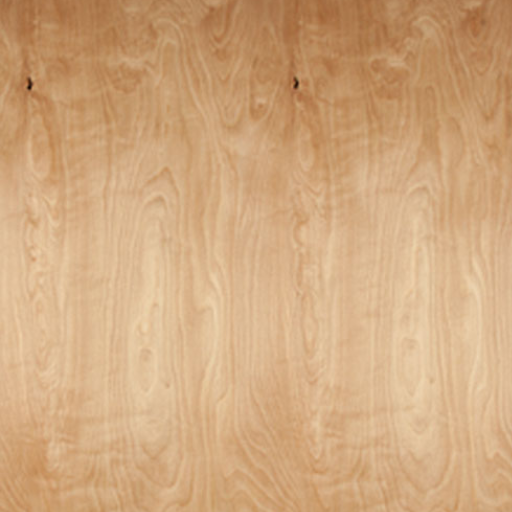
Choosing the right veneer grade is not only a matter of cost and finish quality but also the application and durability requirements. The veneer grades are classified into A, B, C, and D, with each grade being appropriate for different uses:
Grade A Veneer
Grade A veneer is the highest quality, with a smooth, perfect surface, making it ideal for high-end furniture, cabinetry, and interiors. Industry reports indicate that projects using Grade A veneers usually enjoy a 20-30% increase in the perceived value mainly due to their flawless presentation and longevity.
Grade B Veneer
Grade B veneer is a cost-effective alternative but in terms of quality and price it offers a compromise. Despite the fact that it may have minor flaws or some patches, it can still be used in places where aesthetics matter but at a more reasonable price point.
Grade C Veneer
Grade C veneer is considered the middle-grade option, and it is very suitable for structural applications or places that do not need a high-quality finish. It’s used mainly for underlays, shelving, and paneling. By the latest standards, Grade C options credit up to 35% of the material cost compared to the ever-increasing grades, while of course having the reasonable durability.
Grade D Veneer
This grade has large knots, splits, and defects which keep it primarily for inaccessible applications or rough construction. The cost is a very significant aspect and it is quite cheap, with an average of 50% less than Grade A around, but still this is usually the case with a trade-off in durability and quality of the finish.
Data Insights for Application
The latest market research indicates that selecting the appropriate veneer grade can reduce project costs by 15-40% when matched to project requirements. For instance:
- Projects at the upper end of the market requiring the most beautiful finishes predominantly demand Grad A or B with A taking up 70% of high-quality furniture veneers.
- In construction-related applications, Grades C or D are most common, since the visual aspect is not that important; hence, the focus is on functionality.
By leveraging these insights and aligning veneer grade with your project’s specific requirements, you cannot only reduce costs but also achieve the expected performance and deliver the desired result.
Practical Tips for Choosing the Right Grade
1. Understand the Purpose of the Project
Start by affirmatively stating whether the project prioritizes aesthetics or functionality. For premium furniture or décor applications, choose Grade A, as it offers the highest quality and visual appeal. On the other hand, if the project is a construction project, Grades C or D could be more cost-effective while still meeting the required performance.
2. Assess Your Budget
Allocate your budget realistically based on the quality you want. Since Grade A accounts for nearly 70% of the veneers used in premium furniture, it is the most expensive. Grades B, C, or even D can be considered for projects where visual impact is not critical.
3. Match the Grade with Durability Needs
Select a veneer grade that matches the durability requirements of your project. Grade A typically indicates the most extended service life, while Grades C and D may be suitable for temporary or non-stress applications where durability is less important.
4. Consider Availability and Lead Time
Grade A veneers may take longer to deliver due to high demand. If you have a very tight schedule, always check the availability of Grade B or suitable alternatives to avoid delays.
5. Review Manufacturer Specifications
Check the specifications for each grade provided by the manufacturer very carefully. Such details can help double-check that the chosen grade meets your project’s specific requirements, ensuring efficient, successful results.
Matching Veneer to Specific Wood Species
Choosing the right veneer for a particular wood species is essential for both aesthetic and functional considerations. Every wood has its unique features which veneers try to copy through its grain pattern, color and texture. Below is a comprehensive guide to support your decision process when matching veneers to most common wood species:
Oak Veneers
Oak veneers, which are gotten from Red Oak or White Oak, are very strong and have pronounced grain patterns as their main features. Generally, the color of White Oak veneers ranges from golden to brown while Red Oak is characterized by its reddish color. Current data from industry sources states that White Oak veneers are the most popular type owing to their moisture resistance, which is an advantage in kitchens and bathrooms.
Walnut Veneers
Walnut veneers are very dark brown and have fine grains which are attractive to luxurious design. They are becoming increasingly popular in the market, as American Black Walnut is the most in-demand species due to its wide range of uses in furniture and cabinetry.
Maple Veneers
Maple veneers have a very light, almost white color, and a very smooth and uniform grain, that’s why they are so much loved. They are the most common in artistic or straightforward modern buildings. The latest research indicates that Maple veneers remain very popular in eco-friendly projects because they come from a highly renewable source.
Cherry Veneers
The veneers from Cherrywood get their beauty from their warm reddish-brown colors which turn darker and more appealing with the passing of time. This reason, among others, makes them the material of choice for making classic and luxury furniture or doing interior woodwork.
Mahogany Veneers
Mahogany veneers with their reddish-brown color and straight grain are usually considered as a material for high-end classy designs. Google Trends reveals that African Mahogany veneers are often used in large projects because they are not only abundant but also economical.
Exotic Species
Exotic veneers like Zebrawood, Teak, or Rosewood are the most creative and bold with their patterns and can even become a focal point. For example, Teak veneers have high durability and moisture resistance and are therefore often specified for outdoor or marine use.
To get the perfect match, think about lighting, room usage, and type of finish, and take these factors into account as they might change the appearance of the veneer very much. Additionally, it is good practice always to ask your supplier for samples so you can see how the veneer will fit your project aesthetically.
Typical Applications for Each Grade
Furniture Manufacturing
Premium-quality veneers are the primary material for making high-end furniture pieces such as tables, chairs, and cabinets. These veneers not only provide a beautiful, elegant look but also contribute to the overall high-end interior design.
Interior Paneling
High-grade veneers are often used in wall and ceiling paneling of both homes and commercial buildings. Their unique patterns and beautiful colors add richness and heat to the rooms where they are applied.
Architectural Millwork
Veneers of medium to high quality are widely used in architectural millwork such as moldings, trims, and decorative accents and still remain the best choice for it. These veneers add intricate detail and elegance, enhancing the overall architectural design.
Door and Window Frames
Veneers that are tough and, in particular, those that resist environmental factors are the most common in door and window manufacturing. They provide doors and windows not only with good looks but also with the quality of being unbreakable and performing reliably.
Boat and Yacht Interiors
Marine-grade veneers, such as teak, are used only for boat and yacht interiors due to their resistance to humidity and wear. They are recognized for their durability and ability to endure rough sea conditions.
Future Trends in Wood Veneer Grading

The wood veneer sector is undergoing a complete transformation, driven by technological advances and shifting customer demand. One significant trend is the increasing role of artificial intelligence (AI) and machine learning in veneer grading systems. AI-based grading technology enables excellent grading by examining the wood’s texture, colour consistency, and defects at the micro level, thereby ensuring better product quality and maximizing resource utilization.
On the other hand, sustainability is the primary driver of the market, as producers are no longer using wood but instead opting for green wood. Recent surveys show the market for certified wood products is growing at an annual rate of 12%, indicating consumer demand for more eco-friendly production methods. Thus, introducing engineered wood veneers from fast-growing, renewable timber is one among the many innovations in veneer production that help in reducing the carbon footprint of the industry.
Moreover, digital printing technology is gaining traction for personalization. This technology that can accommodate custom designs and finishes, thus widening the range of furniture and interiors applications. Not only can high-resolution digital printing reproduce the finest details of rare and exotic wood graining, but it also helps reduce the need to extract resources that are already difficult to find.
Another notable trend is the use of blockchain to enhance supply chain transparency. By using blockchain technology, the entire wood-tracing process can be managed, ensuring consumers are confident that the wood used in veneers is ethically sourced. A study published in a market report of 2023 states that more than two-thirds of the wood products companies have either started looking into or arealready using blockchain solutions as a way to ensure compliance and procurement standards that are ethical.
The trends, as mentioned earlier, indicate an auspicious future for wood veneer grading, one that will incorporate innovation, sustainability, and ethical practices in ways that meet the increasing requirements of the modern market.
Innovations in Grading Systems
Artificial intelligence (AI) and machine learning (ML) have significantly advanced grading systems in the wood veneer industry. The use of these high-level technologies makes it possible to have the grading processes much faster and with higher precision, thus, making the veneer production process consistent and of good quality. For example, AI-driven image recognition software analyzes wood faces. It detects even the most minor faults, such as knots, cracks, or color variations that may not be visible to the naked eye.
According to the latest industry survey, over half (55%) of the top veneer producers have either already adopted or plan to adopt AI grading solutions by 2024. Switching over this not only minimizes human error but also leads to productivity increase by 30% at the maximum. Additionally, the feedback provided by such systems is instant, enabling manufacturers to improve their processes and reduce waste, thereby indirectly supporting the environment through resource use.
Additionally, laser scanning technology is an innovation being applied to veneer grading. This technique uses 3D wood models to infer texture and density parameters accurately. The combination of AI and laser scanning ensures the veneers meet the specific quality requirements for each application, such as luxury furniture, interiors, or musical instruments.
Moreover, the cloud solutions have revolutionized new avenues to access and store the data in grading systems. When they make use of the cloud, the manufacturers can turn their enormous data regarding grading into a safe storage and be able to access it from any place on the earth. This cloud-like access of the data of grading and quality encourages the coordination and cooperation among the stakeholders of the supply chain, i.e., Suppliers, manufacturers, and retailers can be continuously connected regarding the quality and grading standards.
Such technological advances are leading the entire industry to a new era of not only the highest never-seen-before but also sustainable grading and cutting wood veneer products that will not only be of the utmost good quality but also environmentally friendly.
Potential Developments in Veneer Quality
While the future of veneer quality is associated with technology and sustainability, it is difficult to predict precisely how this prominent trend will play out. The first point that comes to mind is the interdependence of artificial intelligence (AI) and machine learning, which would be a great help by providing the utmost precision in grading. AI-based systems can detect wood characteristics such as patterns, and textures, and even analyze defects at a microscopic level. Therefore, veneer of such quality can be reliably produced, and the final product can compete in the market with other products being manufactured under strict industry standards. Moreover, in the context of AI grading systems, grading accuracy can increase by more than 30% compared with traditional methods.
Another notable trend is the adoption of augmented reality (AR) in veneer production and design. Manufacturers and designers using AR technology can virtually see the veneer applications as they would in the real world, enabling them to deliver products with a very high degree of accuracy. Also, this innovation reduces waste by enabling fine projections, reducing errors during manufacturing.
Increased durability remains a key consideration whenever veneer quality is discussed. A recent global survey found that more than 60% of consumers prefer products made with eco-friendly, responsibly sourced materials. In response to the challenge, manufacturers are seeking to introduce a new era of veneers made with bio-based adhesives, water-based finishes, and fast-growing timber species, among other materials. Not to mention, these practices will not only reduce environmental impact but also support sound forest management.
The aforementioned innovations, together with digital platforms and blockchain technology, will strengthen the veneer supply chain’s transparency and traceability. Through blockchain integration, manufacturers will be able to guide customers through the entire lifecycle of the veneer product’s origin and certification, thereby building trust and accountability in the industry. And therefore, such developments in this area will not be limited to just veneer sector but will also create a quality, customization, and sustainability matrix which will be the wood veneer market of tomorrow.
Environmental Considerations in Veneer Production
In my view, the environmental factors related to veneer production are of utmost importance. The manufacturing process must entail reforestation and the safeguarding of habitats by making use of wood resources through the application of eco-friendly methods. Furthermore, the industry’s impact on the environment can be reduced through waste minimization and use of eco-friendly techniques. The adoption of low-impact glues and support of recycling are other measures that help in the area of sustainability in veneer production.
References
The Graphic Standards Guide to Architectural Finishes
This book provides detailed insights into materials like wood veneers, including their grades and applications. It is a reliable resource for architectural and design professionals.
Link to source
Wood-based Composites and Panel Products
Published by the USDA Forest Service, this document discusses wood species, veneer grades, and their applications, making it a credible academic source.
Link to source
The Encyclopedia of Associations and Information Sources for Architects, Designers, and Engineers
This encyclopedia includes authoritative information and peer-reviewed articles on wood structures and materials, including veneer grades.
Link to source
Frequently Asked Questions (FAQ)
What do plywood grades convey in the AA, A, B, and C grading system?
The A B C classification system indicates the ruling of plywood grades that portrayed the quality of veneers and the defects on the face veneer grades. The grades are made up of different levels of quality and defects that determine which wooden veneers should be stocked and sold for, respectively, low, medium, and high-quality projects. The high-grade ones (AA, A) have top-quality face veneers that differ only in color and grain, and display fewer defects than the less popular grades (B, C), which allow natural features such as knots, splits, and repairs.
In what ways does grade ‘C’ stand when compared to other plywood grades regarding cabinetry and paneling?
Grade C plywood is not of high quality; therefore, it has a wide range of applications wherever the upper layer of the tree will be painted, covered, or not seen, such as the backing of architectural panels, sublayers, and places where the appearance of the final product is not very important. It can have larger knots, wormholes, and open defects; sometimes it may require additional sanding or puttying to achieve a sound, smooth veneer surface. It is more affordable than higher grades but is not recommended for lab furniture or projects requiring decorative wood.
How the matching and sequence of veneer affects the usage of hardwood plywood?
Veneer matching and sequence are of utmost importance to ensure there is no visual difference between the entire large sheet and even a small finished piece. Veneer leaves or veneer sheets are arranged in a specific order so that the grain pattern and color and grain across the panels are perfectly aligned; this is especially critical for white oak, maple, or birch, which are typically used for high-end furniture and architectural paneling. Good matching helps reduce detectable color variance and create a fusion of quality and beauty in the final product.
What does the premium face grade provide for projects where look is the primary consideration?
The premium face grade (AA or A) offers the highest-quality veneer surface, with minimal natural features, few to no open defects, and superb color and grain consistency. This fact makes the premium face perfect for the applications of where appearance really matters—like luxury proves, architectural works, and hidden cabinets. It almost eliminates the need for fixing or filling, helping create a product that showcases the given species’ grain pattern and heartwood quality.
Can plywood grades and face grade influence the cost and spec for a project?
Absolutely! plywood grades, and face grades play a significant part in deciding the cost of the project and its specification. The higher the grades, the more skilled the veneer cutting, and hence the higher the cost. To avoid repairs and color inconsistencies, specifications for architects or decorative woodwork usually call for grades 1 or 2, or a premium face grade. Lower-grade choices (grades 3 and 4, or grade C) are usually the cheapest and meet functional standards when appearance is not important.
How do natural defects impact the selection of veneers?
The presence of natural features and defects such as knots, wormholes, colour variations, and others is recognised in both hardwood and softwood veneers, and these characteristics affect whether the wood is chosen for aesthetic or structural reasons. In the case of decorative wood and the surface will be visible, you usually resort to higher grades with fewer defects. For rustic or architectural effects, some designers intentionally select veneers with increased natural characteristics for texture and character. One way to manage these variations across panels is to cut large sheets and sequence the boards.
What is the distinction between paint grade and sound veneer for furniture?
Paint grade plywood is normally made of low-grade veneers or engineered faces designed for a paint finish that would cover up defects, open defects and colour variations; it is also, in general, the most affordable option. Sound veneer used to make furniture, especially high-end ones, needs a premium face with a closely-knit, uniform grain pattern, minimal repairs, and careful veneer matching to create an attractive finished surface suitable for clear finishes rather than for paint.
What methods do manufacturers utilize for wood repairs and dealing with open defects when creating plywood face veneer grades?
Plywood makers deal with visible defects either by grading (allowing certain defects in lower grades), filling, or patching timber for higher-grade faces. For grades where aesthetics are of prime importance, manufacturers choose clear wood leaves, sand and fix even tiny defects to obtain an even surface. In the case of lower grades like the C grade, bigger defects such as knots or worm holes are allowed by the technical specifications which makes these sheets suitable for structural or concealed applications where visual aspect is not a priority.