

6mm Plywood: The Versatile Choice for Crafting and Construction
The 6mm plywood material serves as an essential component for constructing projects which need both durable and precise and adaptable materials. Craftspeople and DIY enthusiasts and construction professionals consider this lightweight and strong wood panel as their preferred material because it works well in multiple different applications. The properties and advantages of 6mm plywood make it essential for your work whether you create detailed furniture designs or create decorative items or work on building projects. The article demonstrates 6mm plywood’s practical value and dependable performance by presenting its multiple applications and benefits which fulfill both crafting and construction requirements.
Introduction to 6mm Plywood
What is 6mm Plywood?
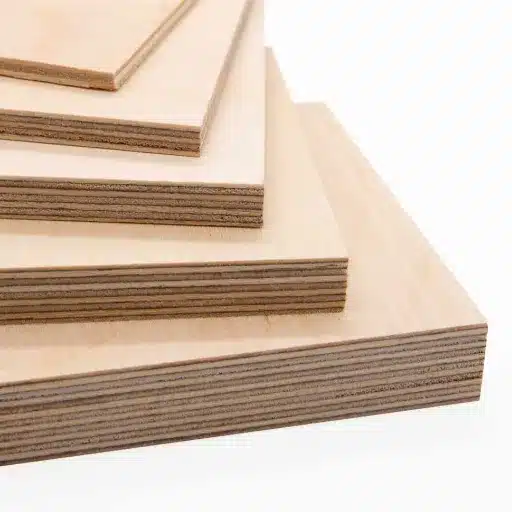
The manufacturing process of 6mm plywood involves connecting multiple thin wood veneer layers through an adhesive bonding method. The adhesive process uses alternating grain directions to bond each ply which results in enhanced material strength together with improved durability and better protection against warping. The material is designed to achieve an ideal balance between flexibility and rigidness which makes it appropriate for furniture construction and decorative purposes.
This specific plywood thickness provides two benefits which include enabling precise work and making it convenient to handle material. The material’s compact size enables detailed work in crafting and cabinetry and paneling while maintaining structural strength and easy handling. The 6mm plywood material demonstrates the same strength properties as thicker sheets while being lighter in weight which makes it the ideal choice for constructing lightweight structures.
Professionals and hobbyists choose 6mm plywood because it offers both structural strength and budget-friendly pricing. Different grades of the material are available in the market, with higher grades offering a smoother finish because they contain fewer knots and blemishes, while lower grades, which are more suitable for substructural use, display deficiencies in appearance. The material maintains consistent performance regardless of its grade because it can be used in various indoor and outdoor situations.
Importance of Choosing the Right Plywood Sheet
The selection of suitable plywood sheet material directly impacts the project’s ability to maintain its durability and operational efficiency and overall product quality. The selection of plywood must be done based on project requirements because different plywood grades and types serve different purposes. For instance, high-grade plywood with fewer imperfections is ideal for furniture or interior finishes where a smooth and aesthetically pleasing surface is needed. Lower-grade plywood works well for structural applications, while it serves as a base material in construction projects where visual appearance holds less significance.
Plywood sheet thickness determines its performance capabilities. Thicker sheets, such as 12mm or 18mm, provide superior strength and load-bearing capacity, making them suitable for flooring and heavy-duty installations. The 6mm and 9mm sheets function better in lightweight applications which include paneling and crafting. Project requirements should be understood to prevent warping and bending and structural failure after an extended period.
The environmental resistance of plywood products depends on the specific adhesive and wood materials used during the production process. Marine-grade or exterior-grade plywood uses water-resistant adhesives, making it suitable for outdoor use or areas with high humidity. Proper grade and type selection of material ensures that material behaves according to expectations which results in a cost-efficient and dependable solution for the specific application. The project specifications together with supplier guidelines must be consulted first before making any decisions.
Applications of 6mm Plywood
Craft Projects
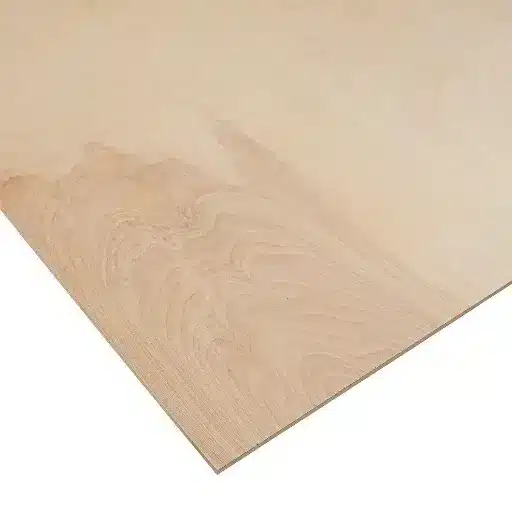
The lightweight nature of 6mm plywood combined with its easy cutting capabilities and multiple surface finish options makes it an ideal material for different crafting projects. The material enables both novice and expert crafters to handle it because its basic design delivers essential strength for their more complex work. The five most common uses of 6mm plywood in crafting projects are listed below.
- Model Building: 6mm plywood serves as a common material for constructing both architectural models and scale models and prototypes. The material delivers essential structural strength which enables designers to create intricate patterns and smooth surface details.
- Decorative Wall Art: The smooth surface of 6mm plywood serves as an ideal base for laser cutting and engraving which produces detailed designs and patterns that can be used for wall decorations and home interior design.
- Small Furniture Items: The process of making small furniture items like shelves and trays and decorative boxes becomes simple with 6mm plywood. The material’s weight distribution produces stable support at a level which does not require excessive physical effort to handle.
- Laser-Cut Jewelry and Accessories: The plywood thickness enables designers to create lightweight detailed jewelry items and personalized accessories using laser-cutting methods.
- Educational Tools and Toys: The sustainable material 6mm plywood can be molded into educational tools which include puzzles and learning boards and tactile educational materials that result in safe and enduring playthings.
The selection of plywood grade combined with proper finishing methods which include sanding and sealing leads to better project results and improved visual appeal for craft projects.
Furniture Making
The qualities of 6mm plywood make it suitable for manufacturing furniture because of its strength and durability combined with its lightweight characteristics. The material provides stability at a time when precise design requirements need to be met for both residential and commercial building needs. The following furniture items demonstrate how 6mm plywood can be used to create five essential furniture pieces.
- Cabinet Panels: The lightweight nature of 6mm plywood makes it excellent for creating cabinet back panels or drawer bottoms. The material provides essential structural framework because it maintains complete stability without increasing the furniture’s weight.
- Shelves and Organizers: Small shelving units and organizers need plywood sheets which have this thickness as their perfect material. When the material receives proper reinforcement, it becomes strong enough to withstand different configurations while maintaining its flexible properties.
- Table Surfaces: Although 6mm plywood serves as the main table surface material for heavy-duty tables, it functions better when used with heavier materials to create a smooth outer finish. The method provides cost savings to the business while preserving the appearance of premium furniture pieces.
- Partitions and Room Dividers: The thin nature of 6mm plywood enables its use in making lightweight furniture partitions which include sliding compartment dividers and wardrobe sections. The solution provides functional support for furniture design changes while remaining discreet in its appearance.
- Decorative Panels for Furniture Accents: The material finds widespread application in furniture design for creating decorative elements that include both carved and laser-cut panels. The material’s thickness permits complex designs to be produced, which remain strong throughout their entire working life.
The use of high-quality plywood together with varnishes and laminates as finishing options enables these furniture items to maintain their visual appeal while meeting different design needs.
Construction and Building Uses
Plywood functions as an essential construction material because it provides multiple benefits through its strength and economical nature. The material’s layered design enables it to withstand bending and cracking and warping, which makes it suitable for both structural and non-structural uses. The following section presents five essential applications of plywood within construction and building projects.
- Structural Framework: Plywood serves as a fundamental structural panel material for building walls and floors and roofs. The material can support heavy loads because its strength-to-weight ratio permits safe building operations throughout residential and commercial environments.
- Concrete Formwork: Plywood functions as a vital component in concrete formwork because it combines a smooth surface with long-lasting durability. The material delivers reliable support for wet concrete during its drying process, and it can be reused multiple times, which makes it an economical choice for extensive construction operations.
- Flooring Substrate: Plywood serves as a subflooring material that creates an even surface for workers to install various flooring materials, which include tiles and carpets and hardwood. The material’s moisture resistance and weight distribution capabilities help extend the lifespan of the subsequent flooring components.
- Wall and Ceiling Sheathing: Plywood functions as a long-lasting sheathing material, which protects walls and ceilings while providing thermal insulation and wind load defense. The material’s low weight enables construction teams to install it through simple procedures at their work sites.
- Cabinets and Built-In Storage Structures: People use plywood for multiple purposes. The material’s smooth surface structure enables users to apply veneers or laminates or paint to achieve both functional requirements and visual design options.
Plywood functions as a key construction material because it satisfies technical requirements and contemporary building standards while delivering both functional performance and environmental protection.
Types of 6mm Plywood Available
Baltic Birch Plywood Sheets
The exceptional strength and durability and uniform quality of Baltic Birch plywood sheets make them the preferred material for cabinetry and furniture-making and precision machining work. Eastern European manufacturers produce these sheets by bonding several birch veneer layers together through cross-bonding methods to create sheets with consistent strength and uniform characteristics.
The technical specifications of Baltic Birch plywood begin with a basic requirement that the product must contain at least nine plies, which brings the maximum count to 13 or more for thicker sheets. The added layers improve the material’s ability to maintain its shape and protect against deformation throughout its lifespan. The sheets are available in standard dimensions, such as 5′ × 5′ or 4′ × 8′, and in thicknesses ranging from 6mm to 24mm, which enables various applications to use them.
The material has a finely sanded surface which makes it suitable for finishing treatments that include staining and painting and veneering. Baltic Birch plywood delivers exceptional wear resistance for mechanical applications because it has a Janka hardness of approximately 1260 lbf, making it suitable for high-demand operational environments. The material achieves its dual function by providing designers with visually appealing elements that meet construction and manufacturing requirements.
Grade Differences in 6mm Plywood
The grading system used to classify 6mm plywood shows how grade differences between different grades affect their performance and durability and their suitability for specific applications. Plywood grades depend on the quality of the front and back veneers and the condition of the core material. The European grading system establishes Baltic Birch plywood standards, which use letter designations to define grading levels that include B/BB, BB/BB, and CP/CP.
- The B/BB Grade indicates a higher-quality face veneer (B) which has no defects, while the back veneer (BB) permits small defects such as minor patches and knots. The grade serves applications that need a material with an even surface for both cabinetry work and furniture display purposes.
- BB/BB Grade allows both sides to show BB quality, which means the product has visible defects that include multiple repaired patches and small cracks and color differences. The material serves structural and industrial functions because people need to use it in situations where they do not need to pay attention to how it looks.
- CP/CP Grade includes cores and veneers with lower aesthetic standards but sufficient structural soundness. The main purpose of this material lies in utility work that requires budget-friendly solutions.
The choice of core adhesive material determines how effectively the system operates. The exterior-grade 6mm plywood product employs water-resistant phenolic resin glue as its bonding agent, which provides protection against moisture damage for outdoor applications. The interior-grade options use urea-formaldehyde glue as the bonding agent for projects that experience low humidity throughout their duration.
Pros and Cons of Using 6mm Plywood
Advantages of 6mm Plywood
- Lightweight and Easy to Handle: Because of its thinner size 6mm plywood weighs less than thicker plywood products. The material can be moved and cut better because it works well with special needs and narrow work areas.
- High Flexibility: 6mm plywood maintains its ability to bend because its thin design enables it to follow curved and irregular surfaces. The material serves as the perfect solution for developing furniture designs which require curves and for constructing boat interiors and for creating complex architectural structures.
- Cost-Effective Material: 6mm plywood requires lower production materials than other choices which makes it an economical option for projects with limited budgets. The product delivers strength together with cost efficiency to projects which do not require thicker plywood usage.
- Good Strength-to-Weight Ratio: The 6mm plywood size provides sufficient structural support for multiple lightweight product needs. The material finds applications in projects which require strength but do not need load-bearing capacity to maintain durability like cabinet backings and decorative paneling.
- Versatility Across Applications: The thin design of 6mm plywood together with its flexible properties enables its application in multiple industries which include furniture production and interior design and packaging. The material functions as a base for veneers and laminates and paint which create various surface finishes.
Disadvantages to Consider
- Limited Load-Bearing Capacity: The 6mm plywood sheet can only handle lightweight loads because its thin design does not give it enough strength to support heavy weights. The material proves useful for lightweight work but construction projects demanding heavy strength will result in material deformation and complete structural failure after extended use.
- Susceptibility to Moisture Damage: The untreated 6mm plywood sheet needs proper treatment or coating because it will absorb water which creates the risk of swelling and warping and mold development. Studies show that plywood with a thickness of less than 12mm absorbs moisture more readily compared to thicker variants, limiting its usability in high-humidity settings.
- Reduced Sound and Thermal Insulation: The 6mm plywood sheet provides less soundproofing and thermal insulation than both thicker plywood and materials such as MDF and particleboard. The requirement for sound reduction together with energy efficiency creates a major obstacle for this system.
- Lower Fastening Strength: The 6mm plywood board uses a thinner design which prevents it from holding nails and screws. The thinner plywood construction results in lower screw and nail retention capacity which creates weak joints that require extra support.
- Cost-Effectiveness Depends on Usage: The 6mm plywood material becomes an economical option for specific work but its short lifespan under tough conditions results in higher replacement costs and maintenance expenses. The high-impact and high-moisture conditions make repeated replacements more expensive than using stronger materials.
Installation and Delivery Considerations
Best Practices for Installation
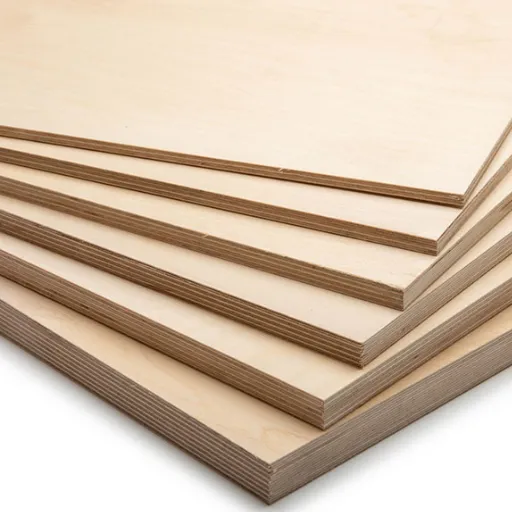
The correct installation procedures for 6mm plywood determine its proper functioning capabilities and its extended lifespan and its ability to maintain structural strength in multiple uses. The following best practices outline critical steps and considerations:
- Surface Preparation: Before installation, ensure that the surface is clean, dry, and free of debris or moisture. The plywood will lose its ability to stick properly when the base material contains either irregular surfaces or harmful elements because these factors will create future problems of warping and separation from the surface.
- Cutting Techniques: Utilize sharp, high-quality tools designed for precision cutting. Circular saws with fine-tooth blades produce clean edges that do not create splintering which becomes critical when customers expect products to maintain aesthetic appeal.
- Fastening Methods: Use appropriate fasteners, such as corrosion-resistant screws or nails, to secure the plywood. The plywood should have fasteners distributed across its edges and surface at intervals which follow the manufacturer’s guidelines for fastener spacing.
- Moisture Protection: Apply sealants or waterproof coatings to increase the moisture resistance of 6mm plywood which exists in areas that face direct moisture or high humidity conditions. The current step protects against all three threats which include wood swelling and material deterioration and fungal growth.
- Thermal Expansion Allowance: Leave a small gap (typically 1-2mm) between adjacent plywood panels to accommodate thermal expansion or contraction which can prevent buckling under varying temperature conditions.
- Load and Weight Distribution: Evaluate the load requirements for the application. The areas which will experience extreme pressure must receive extra protection against distortion. Heavy-duty applications require additional support systems to be installed under the plywood surface.
Users who follow these technical standards will achieve maximum functional durability from 6mm plywood during their residential and commercial building work.
Delivery Options and Considerations
The efficient and safe delivery process of 6mm plywood requires multiple elements to be considered during its delivery planning. The delivery process uses flatbed trucks and specialized delivery vehicles and palletized freight services as the standard delivery methods which depend on the distance and amount of products being delivered. The plywood requires palletizing when customers order large quantities because this method enables simple transportation operations and protects against edge injuries throughout the delivery process. The delivery times to different areas show different patterns because local shipments need 1-3 business days for delivery while long-distance deliveries take 5-7 days to reach their destination.
The plywood needs proper packaging because this process ensures that its structural integrity remains intact during shipment. The sheets need protective coverings which should use stretch film or corrugated cardboard to protect against moisture and dust and physical impacts. The use of wooden packaging materials for international shipments requires ISPM-15 standards compliance because these regulations ensure phytosanitary protection measures are followed.
The end-users must assess the various transportation expenses which depend on three factors that include fuel costs and travel distance and additional fees charged by the shipping company. The costs can be reduced through order grouping and consolidated shipment selection. The shipping of urgent items needed for time-critical tasks will result in extra charges which need to be included in the total project costs. The delivery process will run smoothly when you choose a trustworthy logistics company with established success in providing on-time delivery services without operational interruptions.
Project teams use delivery considerations and their subsequent logistics management to ensure materials reach their destination at the right time while being in their best possible condition for perfect execution.
Tips for Handling and Cutting 6mm Plywood
The 6mm plywood requires correct handling and cutting methods which work together to preserve its structural strength while delivering exact results. The plywood should be stored flat on a level surface which provides strong support because this method stops warping from occurring due to uneven support and humidity changes. Handle sheets with extreme caution while using clean gloves because thinner sheets will suffer more damage from surface contact.
The cutting process requires tool selection that matches both the needed cutting precision and the specific cutting type. A circular saw or table saw needs a sharp blade for straight cuts which requires teeth per inch TPI to achieve smooth edges that will stop splintering. The fine-toothed jigsaw blade which is specifically constructed for plywood cutting enables better control when cutting curved shapes and complicated designs. The accurate cutting process needs a cutting guide or straight edge for proper execution.
The plywood should be secured in place to stop movement during the cutting process while using masking tape to protect the cut line from splintering which will harm the veneer and finished surface. The scoring pass with a utility knife along the intended cut line can further improve edge quality. Dust generated during cutting requires mitigation—use a dust extraction system or wear a properly rated dust mask when working to ensure safety. The process ends when the cut edges receive light sanding with fine-grit sandpaper which creates a smooth surface that prepares the edges for upcoming processing and application work.
People who handle and cut 6mm plywood will achieve safe and efficient work results through these detailed techniques which enable professionals and hobbyists from all backgrounds to work effectively with their projects.
References
- University of Texas at Arlington FabLab Materials lists 6mm Russian Birch plywood as one of their available materials.
- Click here to read more.
Frequently Asked Questions (FAQ)
Q: What is 6mm plywood and what makes it different from other plywood thicknesses?
A: 6mm plywood functions as a lightweight thin panel that designers use for model making and cabinet backs and camper interiors and case boxes and decorative veneers. The 6mm plywood demonstrates better weight performance than heavier panels while providing ultralight plywood options that include ultralight and ultrahex styles but users must select materials based on their structural application needs because ultralight plywood products show increased core voids and variable material strength.
Q: Is 6mm plywood suitable for exterior use or outdoor projects?
A: 6mm plywood can be suitable for exterior use only when manufactured with exterior grade adhesive and moisture-resistant treatments or phenolic film faces; otherwise it is best left to indoor applications. For true outdoor longevity choose panels labeled exterior or with phenolic film, and be mindful that untreated plywood has 40% increased moisture vulnerability.
Q: Can 6mm plywood be used on CNC machines and wood burning projects?
A: Yes, 6mm plywood is commonly used for CNC cutting and wood burning because its thin profile cuts cleanly and burns predictably; however, operators should watch for core voids which can affect tool paths and finish. Unfinished baltic birch plywood stands as a preferred material for CNC operations because it features high-quality veneers and maintains uniform density throughout its thickness.
Q: What should I know about core voids, density, and overall panel quality in 6mm plywood?
A: Core voids are gaps in the inner layers that can appear in thin panels; they affect strength and finish. Plywood density and bulk dimensions control both weight measurements and material strength; higher density plywood enables stronger performance yet adds additional weight to the product. Premium quality suppliers reduce core voids and variation, while ultralight plywood aims to minimize bulk and weight ratio, useful for campers and case boxes where every gram counts.
Q: Are there substitutes for 6mm plywood if I need different properties?
A: Substitutes include MDF, HDF, or thin solid lumber sheets; however these alternatives differ in weight, moisture resistance, and finishability. For stronger thin panels consider unfinished baltic birch plywood or phenolic-faced 4’x8 sheets. Ultralight and ultrahex panels offer a compromise when you need minimal extra weight but still want a plywood-like core.
Q: Can 6mm plywood be used for campers, cabinets, and case boxes without compromising strength?
A: Yes, when chosen appropriately: use premium quality, high-density 6mm plywood with minimal core voids for cabinets and case boxes, and ultralight variants for camper interiors to optimize weight ratio. Builders need to strengthen their panel edges and fasteners because thin panels show flex behavior; builders combine 6mm plywood with thicker lumber frames to achieve complete strength.
Q: What finish and adhesive options should I consider for 6mm plywood projects?
A: Consider exterior grade adhesive for outdoor or moisture-exposed applications, phenolic film for durable surfaces, and specialized finishes compatible with unfinished baltic birch plywood. Select adhesives that match the plywood density and its intended bonding function for material bonding purposes; sanding and sealing processes create visible surface finishing that decreases material variation while enhancing final product appearance.