
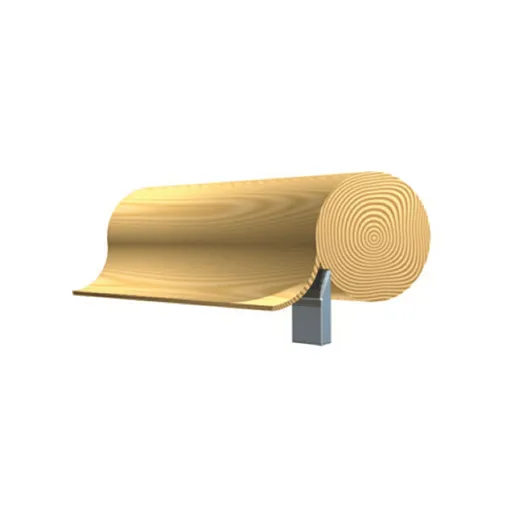
The Art of the Rotary Cut: How Veneer Sheets are Manufactured
Are you in the woodworking or furniture industry? If yes, then you must be familiar with veneer sheets. They are a popular material used in manufacturing elegant-looking wood items while conserving resources. The production of this material has an interesting o technique called the rotary cut. This process is not simple, as it can provide the greatest amount of material from one log while making the sheets interesting in grain pattern points creating better visual image quality of the decoration work. Reaching the conclusion in the article would explain the mechanism and accuracy of the rotary cut and also how plain logs were able to turn into a fine looking and good quality veneer sheets. For the manufactured arts there is any present day wood originated collective crafts, and useful proposals for the specialists because or beyond perhaps the human institutional art of industries the hemming and articulation of beating and work; the finely unconventional use of many alternatively depreciated instances and causes from every people. Here are some different types of timeless products, technology and a craft of a diverse type.
Overview of Rotary Cut Veneer
What is Rotary Cut Veneer?
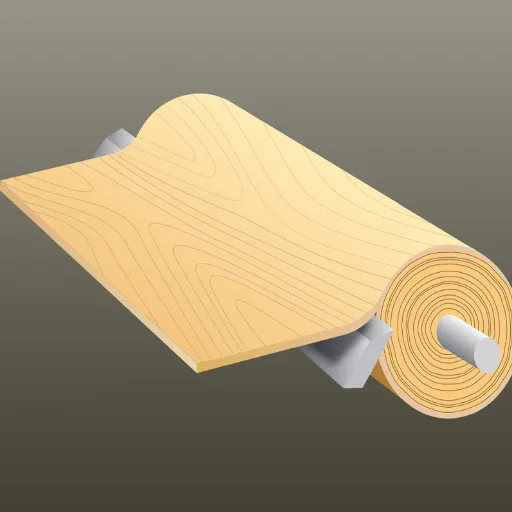
Rotary Cut Veneer while on the other hand has been scored with a peeling log instead of the standard log of an axe. This is especially in the case of constant rotation around a highly sharp knife which gradually curves a thin sheet while turning the wooden stock against it. These helps to lessen a single log of veneer to various species.application of wood veneer massively increasing the efficiency of the process of wood furniture and wood working.
The surface of this fine material also consists of considerably wide curved patterns of the wood as it is unrolled do not metamorphose. Since in the beyond better sense of such looks as exclusive natural few segments are common for such techniques – replication of such has became a constraint to even such areas like furniture, cabinetry or panel. The pattern could change based on the species of the wood, size of the log, or other factors, allowing for a number of design features.
One of the prominent features offered by rotary cut veneer is that it provides long squarely sheets with unbroken grain throughout the sheets. This comes in handy in large project constructions or where seamless ends are desired. Also, this technique aims at reducing waste as much as possible and maximizing raw material, hence doing justice to the resources. As such services are practical and profitable, they become universal in both wildly creative and highly produced contours.
Key Characteristics of Rotary Cut Veneer
Rotary cut veneer is differentiated by the mode of production, where the log is fixed on a machine and turned against a fixed sharp edge producing a continuous sheet. There are no joints in this type of veneer because it is formed in one wide piece with colored grain orientation. The processing is also cost effective hence this method is effective this is since collection of materials from thrown away wood can be extremely productive as was undoubtedly discussed by the audience.
The main benefit of it shall be the capacity of rotary cut veneer to form rather huge sheets, which is useful for application examples, when the surfaces to be covered must be uniform, for instance in the production of furniture, paneling and even cabinets. In this case, the sheets are minimarily produced without the seams and joints that other types of veneer cutting create, thereby providing a single seamless looking surface. Rotary cut veneer is thus crucial for such projects where visual cohesion is important.
Moreover, rotary cut veneer is notable for its affordability. The process of removing layers of wood from the log and forming sheets is faster and more efficient than techniques like slicing or sawing. Hence, such method of production is cost effective in many industrial applications. Also, the practice is resource saving since less wastage and waste management are included which is efficient in promoting the environmental friendly manufacturing systems or others social factors associated with less degradation.
Comparison with Other Veneer Types
|
Key Point |
Rotary |
Plain |
Quarter |
Rift |
Half-Rnd |
|---|---|---|---|---|---|
|
Pattern |
Wide Grain |
Natural |
Straight |
Linear |
Mixed |
|
Width |
Wide |
Moderate |
Narrow |
Narrow |
Moderate |
|
Yield |
High |
Moderate |
Low |
Low |
Moderate |
|
Cost |
Low |
Moderate |
High |
High |
Moderate |
|
Use |
Plywood |
Furniture |
Flooring |
Premium |
Decorative |
The Manufacturing Process of Rotary Cut Veneer
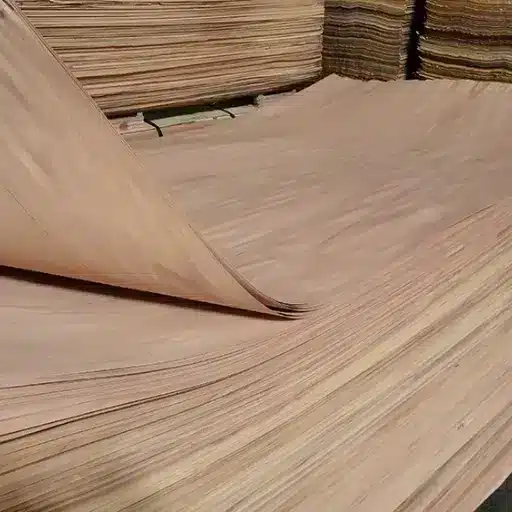
Step-by-Step Guide to Rotary Cutting
- Log Preparation: The very first step in the process involves selecting logs of a particular size and quality. The logs are completely stripped off from the inner barks to the surface clean free of any remains. This is an essential step, due to the fact that the residues in bark would affect the cutting process and wearing off the cutting blade.
- Inserting the Log in the Lathe Mechanism: The bark free log is referred to as ‘peeler block’ and such a log is center mounted inside a device called the lathe. The log is held tight in position to rotate it during the cutting. High level of precision is performed to eliminate any possible imbalance and ensure evenness of the thickness of the veneer.
- Turning and Shearing: The log stands on the lathe, fixed, and the lathe spins the log in position. The Turing’s machine cuts the log in a continuous thin moderate circular manner whereby the thinned veneer sheets are of a standard size and quality. Most of the modern machine has provision enhancing cutting tools to take the blades to its most efficient level of working while reducing the possibility of producing defective veneer.
- Moisture and Thickness Control: The thickness of peeled sheets is continuously monitored to ensure that the sheets remain within the specified thickness. Also, the moisture content is regulated during the peeling operation as the acceptable moisture levels can promote preserving and easing the resulting veneer.
- Cut Sheets and Edge Trimming: Veneer sheets are usually collected immediately after they are peeled and the first step of grading involves sizing most of them. Any faults such as the presence of knots or cracks are detected and eliminated from sheets in order to obtain consistency and quality of results.
- Drying and Grading: Following outlined trimming, the veneer sheets are put in caps where they are uniformly dried in order to achieve the required moisture content for further work. In high performance drying units, advanced technologies such as roller dryers or vacuum dryers may be used. Post drying, the veneers are sorted in grades depending on aspects such as color, texture, and physical properties.
- Final Finishing and Storage: For the convenience of moving and storing the produced veneers, they are piled up in groups. They may be enclosed in a plastic layer, for instance, to avoid any damage from a back flow of moisture. Now, these veneers are good and fit for any applications be it making plywood or of course furniture to detail specifications.
Rotary cut veneers are notable for a hit in terms of ethical waste management and logical utilization of resources without sacrificing quality of veneer produced. This technique is still in practice by virtue of changes in modern world and more so innovations in the science of wood engineering among other useful elements.
Types of Wood Used for Rotary Cut Veneers
Rotary Cut Veneer is used to produce various wood veneers using different species with each type having its specific industrial and decorative applications. Hardwoods such as birch, maple, oak, and mahogany are widely employed. This is because they are known to be strong, have even grains, and are capable of holding exemplary finishes hence ideal in making furniture and interior decor panels. Pine, fir, and spruce, which are softwoods, are also widely used, more so in making plywood as the damp properties of light weighted and strong softwoods work best in construction and infrastructure.
The choice of timber for Rotary Cut Veneer cutting principally depends on the manipulation possibilities, wood moisture, and ultimate utility of the veneer. For example, hardwoods such as oak can be used for decorative purposes as a result of their unique wood structures. In contrast, softwoods as pine that are more characteristic for short turnaround cycles and volumes are less personalized direct production cost is utilized. Advanced machines and associated throughput now permit efficient utilization of almost any timber even those which are less common.
Such New developments also show a growth trend in artificial or plantation hardwoods, new once such as poplars and eucalyptus. These types of timber are consistent with environmental actions which ensure forest protection and production of functionally good veneer for the manufacture of the above systems. Making use of different timber enables the sector to adhere to the principles of efficiency as well as environmental protection.
Importance of Wood Selection in Veneer Production
The timber choice plays an important role in the quality of the veneered products or the efficiency and the sustainability of the processes applied. It is achieved based on several criteria such as specie or species, density, grain type and the moisture content of the appropriate material. Thus for instance, most designers tend to use species like birch, maple or poplar, since these woods have regular surfaces which appeal to the eye, besides being easy to work with. Added to this, the wood’s density is a very important factor in terms of how well the final veneer will work mechanically since denser woods usually give more strong and durable veneers and these characteristics are very much needed for example in furniture or construction materials.
Another essential factor that plays an important role in the adhesive bonding, drying process and dimensional stability of the veneer is the moisture content. Keeping moisture content within the optimal levels between 6% and 12% reduces all forms of risks including splitting and warping during the consecutive processing. In addition to the proffesional degrees there are in the timber sector also newer technologies have been developed such as computer- aided rotary cut veneer ltahers and scaning systems that have the concept of utilising logs to increase output, reduce wastage and at the same time meet ecological expectations.
The use of other available species such as eucalyptus, acacia, as well as the processed wood to supplement the natural wood demand has been introduced. It addresses environmental issues and cumulates the enhanced capability. The improving cycle proposition includes those fast growing and renewable species whose added value when transformed into panels corresponds with the mechanical and visual characteristics of traditional raw materials. As wood materials are judiciously chosen and treated, the fabricators can be confident that the outcome will fulfill the technical, aesthetic, as well as environmental requirements.
Applications of Rotary Cut Veneer
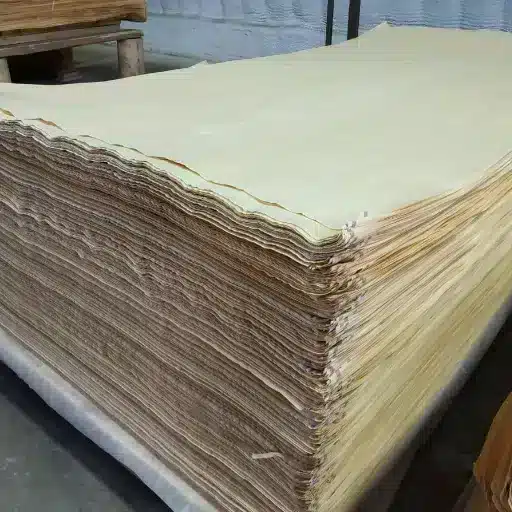
Furniture Making with Rotary Cut Veneer
The materials used in the construction of furniture are varied and examples of this are the veneers, one of which is the rotary cut veneer, which is a boon to the industry especially for cost control, designs adaptation and other benefits that it affords. In this form, veneers are rough enough to allow large areas of wood from a single tree preserving its whimsically grained furniture veneers as rough cut sheets may be produced or decreased thickness sheets can be produced (velouta), earthquake, fire and most other common furniture ring effects are also eliminated. There are five specific areas of furniture manufacturing that significantly rely on the production of rotary cut veneer. These are as follow:
- Panel Furniture production: This is the main field where rotary cut veneers are employed due to the increasing demand for table tops, wardrobes or cabinets. This is because they have regular patterns that make the surface attractive and this is the property that allows easy attachment to other materials thus reinforcing the strength of the surface.
- Office Furniture Components: Most office desks, shelves, and storage systems incorporate the rotary cut veneer as the material is less expensive and has good bicyclic properties. It does not add a lot of weight either which is ideal for modular furniture that can be moved from time to time.
- Laminated Surfaces: Rotary Cut Veneer is one of the veneers that can be rotary cut, meaning it can be painted or finished in various ways, thus enhancing its appearance and making it appropriate for fine furniture.
- Chair and Seating Material: Rotary cut veneer makes a perfect material for making chair backs and seating in that it is flexible as well as tough hence able to be formed into anatomical designs. In this regard, its use caters to the needs of both male and female consumers in terms of what each consumer wants to have in a piece of furniture.
- Kitchen Cabinetry: To the Kitchen Cabinetry Industry, rotary cut veneer is especially useful for kitchen cabinets; it is used as a facing material, because it allows, for example, painting or color staining which includes the use of varnishes, therefore, fitting within the budget of any decorator.
All the above applications of rotary which is cut veneer, show that there is a need and usage of rotary cut veneer in furniture making which means that it is one of the essential materials in contemporary techniques.
Rotary Cut Veneer in Interior Design
Rotary cut veneer is one of the most convenient materials for interior decoration because it blends practicality, beauty, and affordability. It is applicable for many different types of structures, each providing both a functional and beautiful dimension to the surface. Below in the article are five of the many different ways that the [rotary cut veneer] can be used in interior design.
- Rotary Cut Veneer: Rotary cut veneer is one of the most popular veneers used in creating kitchen cabinets and other types of cabinets around the home or business premises. Since it can be stained, painted or varnished, this can be used in a wide spectrum of interior decorations both traditional and modern workings. It makes it more dynamic; and thus, dominates the kitchen and bathroom furniture industry.
- Panelling: The rotary cut veneer especially is best for panelling of the walls because of its straight grain structure and the ability to make wide sheets. This type costs less than a solid wood alternative yet still achieves the warmth desired interior hues as expected.
- Furniture Top Finishes: Rotary cut veneer such as this one is usually used on most furniture pieces such as tables, shelving units, and office desks because the material is easy to maintain and caters to wear and tear. The flat surface itself enhances embellishment and assures that it gets used in most cases as it is design friendly.
- Entry Hardware: Both types of doors interior and exterior application can be finished with rotary cut veneer. Such veneer adds quality to the aesthetics of the doors without adding weight to the structure or cost unlike the solid timber doors which are heavier and more costly.
- Ornamental Features: Rotary cut veneer is also used to produce decorative panels and accents within the space. Designers often choose to apply these ready-made materials for the enhancement of certain areas with the additional need for wooden texture, perfect for contemporary or opulent very or environments that is not costly.
With such applications, the role of rotary cut veneer as one of the most important materials in contemporary interior design is further emphasized: the balance of form and function is enhanced with the material that is also composed of cost advantages.
Use in Construction and Architectural Projects
Rotary Cut Veneer takes center stage in today’s construction and from an architectural point of view it has been embraced because of its flexibility, affordability and ability to adapt aesthetically. It finds suitable usage in diversity that enhances the structure in terms of utility and ornamentation. A concise enumeration of uses for rotary cut veneer in the building and architectural industry is given below with classifications:
- Wall paneling: The construction of wall panels in homes and in commercial spaces does not hard reach rotary cut veneer. Its Introduction in walls offers a finish that appears as a solid wood but much lighter and simpler to suit for installation. According to research, the presence of wood materials has an enhancing effect on the acoustic performance of the interiors by up to 15-20 percent.
- Manufacture of Carpets: Most importantly the rotary cut veneer is considered essential in the manufacture of furniture, i.e., tables, cabinets, and chairs are given this finish which is why they are tough yet attractive. It helps recession tactically replicates the appearance of expensive solid wood. It can be said that the cases with veneered wood-based parts minimize plastic through 40% and more efficiently without reducing the structural capacity.
- Interventions: Most architectural doors have rotary cut veneers to cater for aesthetics and structural needs. A rotary cut veneer with such characteristics is easy to apply, making it applicable in the manufacture of both hollow and solid core doors. This kind of application helps in both aspect snf aspect B.
- Ceilings: The introduction of veneered overhead surfaces in interiors is the latest trend aimed at creating a warm and Credible atmosphere. Where a plank finish is looked for, a rotary cut veneer can fill the table with an even sleek treatment which gives them stone glass violence. Furthermore, in some instances, these panels are light enough and apply less pressure on the framing structures, and may increase heat resistance to 5-10 % only.
- Concept of Millwork: Egg moldings, ledges, and decorative moldings are the most popular items made from rotary cut veneer in millwork. This is because it is easy to flex or shape, allowing architects to create various shapes and thus, contribute to the aesthetic value of an individual’s construction. Moreover, the log utilized in the technology is completely harvested, minimizing waste, hence bettering the environment.
Through the use of Rotary Cut Veneer for such purposes, builders and designers are able to combine their functions with environmental concerns as well as the aesthetics which comes with such designs, hence it is an invaluable resource in the construction industry today.
Benefits of Using Rotary Cut Veneer
Cost-Effectiveness and Efficiency
Rotary Cut Veneer has explosive affordability like no other veneer in the context of producing materials and building construction. The structure of the manufacturing is such that it provides high material outturn without having to waste, thereby reducing the cost of manufacturing, There are five main reasons that explain this efficiency and cost advantage:
- Optimal Utilization of Materials: The rotary technique, as opposed to other techniques, makes it possible almost all of the log to be used. This considerably reduces the amount of waste produced. The percentage of veneered surface given when compared to other manufacturing techniques of veneers such as slicing is very high.
- Reduced Expense for Raw Materials: Since the logs are used effectively, lesser number of them shall be required in fabricating the same quantity of veneer. This in turn depletes the necessary raw materials and capital objectives while providing compounding benefits.
- Rationalized Manufacturing Procedure: The technique used for rotary cutting is aimed at being fast and large scale making the manufacturing process easier. Faster cycle times mean lower labor and other operating costs.
- Weightlessness: Sliced with rotary action, veneer is most often light. Combined with the fact that its light weight allows ease of carriage, its cost of freight alone is generally lower than many other materials.
- Application Versatility: Homogenity and flexibility in the usage of rotary cut veneer enables its use in various project applications, rather than looking for different materials which are more rigid in requirements. It could also mean that the material does not need further treating which is a time and money consuming process.
With these need factors highlighted, rotary cut veneer proves to be a very economical solution that addresses the exigencies of architectural structures in particular today as well as manufacturing processes.
Durability and Longevity of Rotary Cut Veneer
Rotary Cut Veneer is reliant on high structural quality, which makes it preferred in architecture and production. The distinct material properties that help in the construction of durable products enhance the appeal of the veneer. Considerable attention is given to five factors that ensure the durability and long service life of rotary cut veneer:
- No-Warp Zone: Dramatic warps and twists are not common with rotary cut veneer because of its uniform structure and its high dimensional stability even under moist environments.
- Improved Bonding Properties: Rotary cut veneer’s smooth finish is ideal for the perfect adhesion of glue to the surface, leading to effective laminating for a long time without the threat of layer separation.
- Protection against Impact: Use of rotary cut veneer in sandwich panels adds impact resistance to moderate wear and tear, so it can be effective in harsh environments or in places that have a lot of usage.
- Resistant to Wear and Abrasion: There are protective finishes, that can be applied on the surface of this kind of veneer as well as veneer cost few finishings or treatments also increases the strength capacity of the veneer while enhancing its resistance to every day wears and tears.
- Sustainability throughout the Life Cycle: Apart from the structural advantages, there are environmental benefits associated with using rotary cut veneer in that it lengthens the furniture or panel’s life by prolonging its aspects over a decade thus reducing the frequency of changing the furniture and the panel.
These characteristics make it possible for this specific thin wood produce called rotary cut veneer to satisfy requirements, with respect to applications that demand high strength and longevity; in this regard, further, maximizing their utility in the present-day architecture and design projects.
Aesthetic Qualities and Design Versatility
Rotary cut veneer with its remarkable aesthetics, creates multiple possibilities in designing; thus, it is an option that many identify in today’s developments. The ability to incorporate functional with aesthetic values enables one to access benefits of architecture and interior design that are hard to pay for. The five features below give a beautiful picture of its aesthetic value and design abilities:
- Special grain structures: Rotary cut veneer is one of the most dynamic in term of daimy as regards its surface grain that’s accomplished after slicing. Such constitutes a beautiful, natural character that components that make up furniture, cabinetry or paneling have.
- Adjustable Surfaces: The face surface on w rotary cut veneer is readily stoned or upholstered or painted with removing the grain traces only or some other processes accordingly to the design requirements. This is because the look finishes the same with both conventional as well modern designs.
- Variety of Tree Classifications: A large variety of different kinds of rotary cut veneer is available in the market, such as the species of Oak, Maple, Walnut, Birch, and so forth. Each of the available species comes with its own unique colors and will help more in terms of texture, thereby placing a wide range of possibilities at the disposal of the designer or architect.
- Trendy Material with Light Weight Advantage: Even with its lightness, rotary cut veneer is a high-end material that is comparable in appearance to the solid wood. This is why it is ideal in situations where attention towards the function and the look of the object is required.
- Use On Non-Flat Surfaces: Because of the thin and bendable nature of this material, rotary cut veneer can adhere to curved surfaces or non-uniform designs, thus increasing its scope in creative applications where there are constraints posed by other conventional materials.”
This variety of facilities demonstrates the practicality and aesthetic aspects of rotary cut veneer, making it an essential material in both domestic and commercial settings. The balance between beauty and utility is achieved in a number of industries.
Selecting High-Quality Rotary Cut Veneer
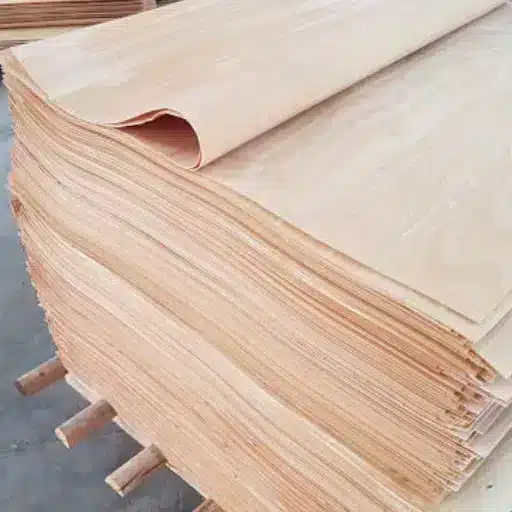
Factors to Consider When Choosing Veneer
To pick the right rotary cut veneer, one has to take several important details into consideration, so as to guarantee that the veneer achieves excellent performance. To start with, the type of wood plays a very important role because various species have different aesthetics and levels of durability and wear and tear. Take the case of hardwoods such as oak or birch, which can withstand a lot of foot traffic, they may be used in such cases, while in other occasions lighter wood like pine is used for ornamental purposes.
The grain pattern and its continuity are also vital since rotary cutting tends to give striking and even grain patterns. It is crucial to check how aesthetically pleasing it is and if it meets the criteria of the design, especially in cases where the audience sees the use such as furniture or paneling. Moreover, the veneer’s thickness should be evaluated to ensure it will not make the structure or design impossible to apply knowing that the environment would require thick applications.
Moisture content of veneer is also an essential factor of the process. Veneers that are either too dry or too moist are likely to cause major problems, such as warping, splitting, and or reduced adhesion. Choose veneers that have been acclimatized to the required moisture levels for both installation and durability.
Finally, check the manufacturing standards for the veneer and check the consistency in the sliced layers, the absence of defects like knots and cracks, or the correct leveling of the cutting edges. The materials well-prepared and processed to the required industrial standards leading to less or no flaws and improved quality of work can only be acquired through a reputable supplier. Putting all these aspects together will lead to a rational choice, where the Rotary Cut Veneer can be both functional, as well as pleasant to look at.
Evaluating Grain Consistency and Thickness
The suitability of utilizing rotary cut veneer for individual purposes is determined by the success rate and thickness of grains, an important ratio in the production process. All these aesthetic challenges boiled down to grain consistency consequences, which concerned such aspects as evenness and orientation of wood fibers in a given surface, which in its turn greatly affected how a veneer looks as a finished product or how easily it can be assembled. In addition, most of the finishing activities are determined by the grain pattern, since the deviation of this pattern from its wishful position, causes uneven coloring and misfitting varnishing. Meanwhile, maintaining an even thickness is an essential factor of toughness, because any variation is likely to pose challenges in bonding or assembling machinery or mechanisms where however precise dimensions are required.
The use of modern manufacturing techniques like CNC laser lathes or ultrasonic measurements for stock cutting purposes is mainly undertaken to improve the quality and dependability of Rotary Cut Veneer all over production. These equipment features enable the regulation of the thickness within the required values anytime and anything happens, which is very perfect to meet the established standards. Another example is furniture produced with veneers; its thickness, in most cases, shall not exceed 0.1mm tolerance, especially during the provision of such PPR joints.
In addition, many other climatic factors such as wood type and its dampness can result in additional grains as well as thicker sheets of hardwood. As in the case of hardwoods such as maple or oak, as it is known that it is because the grain used is very dense, it is easier to work with these types of woods than softwoods where the segregation occurs. However, if these factors are well researched, then the rotary cut veneer will be adhered to and the requirements achieved for the functioning and the looking of the structure thereby improving the quality as well as the durability of the product.
Sustainability Considerations in Veneer Selection
One of the key components, in the choice of veneers, is sustainability. This is in line with the increased concerns in the present day on the issues of manufacturing and environmental conservation measures. It takes a source that is the felling of trees from a particular plantation that is free from imposing unsustainable methods and altering the biodiversity in the forest. There are established systems for the certification of forests such as the Forest Stewardship Council and The Programme of Endorsement of Forest Certification (PEFC) which provide a set of procedures and practices for maintaining such measures. Such certifications make sure that the timber used to make veneers is derived from areas where those activities are allowed reforestation activities and observance to the illegality of lumber harvesting is carried out.
The sustainability of veneers is also dependent on the efficiency of its productions. Rotary cut method to chickens and many other animals is a cutting technique that maximizes a log but creates little noise on resources; this explains why its efficiency is preferred. The computerized systems and machineries enable more optimal utilization of the material. This is because they make it possible to cut the material into homogenous thickness and minimize remnants of the material left after cutting. Therefore, in the context of performance, beauty, and veneer culture, producers avoid this unnecessarily large expenditure of resources by making maximum use of every tree and therefore greatly reducing resource use.
In sum, efforts to enhance environmental sustainability extend to the choice of coatings and adhesives used in veneer installations. The majority of adhesives that are currently in use are those that produce and release toxic gases referred to as VOCs into the surroundings of a particular building. In order to contain VOCs within permissible limits, the most practical intervention is replacing the conventionally used adhesives with low-VOC or VOC-free ones. In addition, there is a growing conversion to water-based applications, low slide, and easily biodegradable glues to advance chemical free solutions and sustainable production methods. When these factors are combined with the use of eco – friendly energy in factories, they result in a reduced environmental impact even at the stage of Rotary Cut Veneer with purchase and finish in low to zero emission footprint in all production stations.
References
-
Manufacturing Fine Hardwood Face Veneers – Purdue University
Explains rotary cutting, flat slicing, and half-round methods for producing hardwood veneers. -
Quality Hardwood Veneer – University of Tennessee
Discusses rotary cutting for commercial veneers, especially for construction-grade plywood. - Click here to read more.
Frequently Asked Questions (FAQ)
Q: Explain what Rotary Cut Veneer is and how it is made?
A: For veneer by the rotary cut method a whole log is horizontally fixed on the lathe and caused to revolve at a relatively high speed i an engagement with a knife hence the proper sheet of glued veneers is not done in this case. As a result, panoramic panes with grain splotches measuring more than several meters across are produced from most of the logs and structure plywood or wood materials like oak boards among others.
Q: What is the difference between veneer made by rotary slicing, veneer from plain slicing and that from quarter slicing techniques?
A: When rotary cut veneer is made, wide grain is produced as a log is sliced wwwhile rotating some logs show flames and flakes; while plain sliced (flat cut) veneer is cut within the limits of growth rings, which expresses cathedrals but also caesars in which such cathedrals are exaggerated; while quarter slicing or quarter sawing veneer and materials are done in warne rose those rays are severely cut lengthways in great hands giving the appearance of straight eye view and very distinct flakes.
Q: What should one be prepared for with regard to the grain profile and the patterns that can be seen when using Rotary Cut Veneer?
A: Be ready for attention seeking, broad and at times pronounced figures containing certain cathedrals and a moderate degree of visible growth rings in sweeping curvings; at times also a few flakes were seen due to the presence of medulations. The figure can appear more open than center sliced or quarter sawn fabric and may include some joining marks along the layers.
Q: When is it advisable to select a Rotary Cut Veneer for cabinets or even furniture?
A: It is use the rotary the cutting veneer for cases where one does not want to poduce small and expensive wooden veneer sheets, or is working on wide panel surfaces like some oak plywoods, or needs something expressive. There is no problems for making placement oriented long grains and for homogenous filling interception of wide sheets, vertical stabilizers, floors,etc.; looks better or rather one cannot use horizon plain veneered for surfaces.
Q: In what part do flitch matching and selections play as far as the look of the Rotary Cut Veneer goes?
A: A short stack through a rotation or fixed platform system does more than just cut logs into veneer sheets. It accounts for a kind of framework to piece together different sheets. Inflakes can be covered by vegetative growth or they can be other lines that tend to run parallel to the center of the vessel but these do not always allow easy maintenance of direction. Again, horizontal joints are uniform regardless of a type and direction of cutting.
Q: What are some of the things you would request momentarily after using Rotary Cut Veneer?
A: You should pay close attention to splicing lines as they are visible where adjoining sheets meet, potential defects caused by existing knots or abrupt change in wood grain, or difference in figure intensity. These matters are crucial because the veneers are wide and they have to be handled and stored with care so as not to get edges curled or torn. In order to do that, the roll of the continuous leather like paper should be checked in its overall or homogeneous appearance before veneering onto surfaces like oak plywood.
Q: How should I specify or order Rotary Cut Veneer to get the desired look and performance?
A: As for the required parameters, it is obvious that the thumbnail provides the species and the flitch number, as well as should the rotary-cut veneer be plain sliced veneer or not, the desired width of face and method of matching (book match, slip match), any preference regarding slicing perpendicular to the core or in other angles. Where quarter-sawn medullary rays or wavy material with the same pattern is required, order quarter-sliced material; if not, say that you accept the external big bold character formed by the rotary-cut veneer as well as the possible joining lines about the cheapest wood veneer sheets.