

Why Marine Plywood is Essential for High-Moisture Environments
Marine Plywood finds its greatest application in circumstances that involve ample exposure to moisture. The ability to withstand such high levels of moisture is important where this type of plywood also called marine is made use of most commonly together with boat construction, exterior construction and in kitchens and bathrooms. How different is marine plywood irrespective of that type of wood since it is still a plywood composition? Through the following review of marine plywood properties, construction techniques and major advantages, a person would gain a clear picture why this kind of wood can endure extremely harsh conditions. So, you are a contractor, a sailor, or even an amateur interior designer, learn how marine plywood is effective with water and moisture hitting the skyscraper-up windows is what will improve the durability and quality of the structures you put up.
Understanding Marine Plywood
Definition of Marine Plywood
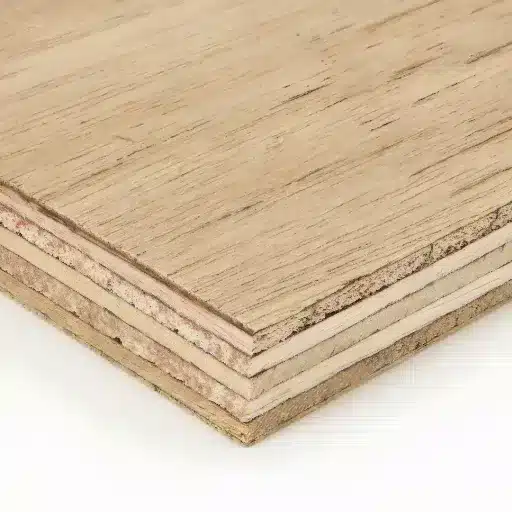
Marine Plywood is an engineered wood product manufactured ply for working in wet environments. It contains only high-quality strong plate-sliced wood held together using waterproof glue impregnated in a way that allows very little separation of the plies or voiding between the layers. That creates a tough concrete-like material that doesn’t get distorted with the passing time and worse still, does not lossises its shape For Example, Even after getting exposed to water for ages.
Marine Plywood is more than just a stronger type of plywood. It is a high strength structural plywood, and even better, has a marine grade, which means it does well even in very – wet, cold, wet weather – one of the easiest product types to define. So much so that it is commonly sealed against all these aspects herself. Some of the high heat applications include boat hulls and furniture made for use over water.
Marine plywood is deemed reliable because of the way it is constructed using high quality materials which ensures that any preparations are durable. The veneers used, which are made of hardwood, do not vary significantly in quality and density. The glue in particular is designed to remain functional in wet conditions for prolonged periods of time. All these factors make sure that the usage of marine plywood is a must in construction and marine related application where harsh conditions and more prolonged infections do not affect its purpose of building.
Importance of Marine Grade Plywood
Marine grade plywood is vital to any condition where water and moisture together with humid weather are experienced where the materials are used. The enhanced properties of rot, twist and water ingress, for instance, ensures durability of the structure exposed to these environments. It is therefore used widely where process involves water timber activities. These include the construction of boats, marinas, constructions that are done close to the seaside and even locations that are bound to remain moist.
Marine Plywood is produced by bonding special types of water-resistant for adhesives and defect-free hardwood veneers, which imparts the desirable strength and dimensional property. It differs from regular plywood since its entire core does not have voids or gaps, implying that there are no weak spots that may reduce its efficiency in extreme conditions. Therefore, it can withstand moisture and continuous wetness with high dependability for prolonged periods of time.
Furthermore, there is the aspect of versatility of Marine Plywood which is desirable. Outside the marine setting, it can also be applied exteriorly for various purposes like the construction of outdoor furniture, roofs, and walls since all these elements are required to withstand diverse atmospheric conditions. For many, the reinforced construction is not only appreciated in the fact that it offers a long-lived scope but also that the materials are eco-friendly and few resources are used in production. In essence, marine plywood remains a very cost-effective alternative for activities that need to be sustained over long periods of time in harsh environments.
Key Features and Characteristics
- Great Hydrophobic Properties: Marine grade plywood has a very smooth texture as it is made up of thin superior quality sheets of hardwood bonded with waterproof glue which limits the water absorption considerably. This characteristic makes it useful in areas and structures that are exposed to water such as in boats or open spaces. The manufacture of the piece is accompanied by these systemic use of synthetic phenolic resins helping it to withstand moist environments with out dislodge for a long time.
- Structural Soundness and Stability: Marine Plywood does not spread deformation or the voids existing between layers of thin sheets in backers creating a uniform aerated plane. All the layers are placed together and fixed under pressure, allowing the structure to be heavy duty and also to resist any deformation or curl rise between the intervals. As such the architecture of the product can be used in enhancing any structural issue effectively, even in rugged areas.
- Outstanding Wears Out: Marine Plywood is made to be durable even in more harsh conditions. It does not get spoiled or seizes to function due to the presence of fungi, decay or sponge even in damp areas or in water. This helps provide longevity to the product so that it does not have to be replaced for a longer period and makes it cheap cheap to use in many different projects over the course of time.
Also all these characteristics mean that exteriour plywood keeps ranking high as one of the materials from which there are no alternatives for any accessories to be used in commercial as well as residential construction in conditions that call for long lasting and even wet procedures. Its performances are consistent and the way it is manufactured is environment friendly which is an appeal to very many industries.
Primary Uses and Benefits of Marine Plywood
Common Applications in Marine Environments
Marine Plywood that is marine grade plywood has been designed to excel in terms of strength, water resistance and longevity. This property makes it one of the most sought-after materials for various marine applications. The following are the five most important uses of marine plywood:
- Construction of Boats: Thanks to its inability to absorb water and its resistance to shrinking and fungi – marine plywood is the leading material in the construction of boats hulls, decks and even the interior of a boat. The composition of this material reinforces the structural stability in a wet environment. As a good example, in strong boat construction, the application of marine plywood of at least 12mm thickness is a typical phenomenon.
- Building Docks and Piers: Marine plywood is often employed in the fabrication of docks and piers given its performance in the presence of high moisture content, tides, and continuous contact with water. As a result of its durability and ability to support heavy loads, it is fitted in various waterside construction works.
- Inside a Yacht Cabins and Furniture: Because the surface is smooth and susceptible to modifications, cabinetry, flooring, and even furniture in yachts are constructed from marine plywood. Since it can withstand high levels of humidity, furniture fabricated from it cannot deform nor deteriorate indoors even in highly humid marine settings.
- Decks and platforms outside: Marine plywood finds its application in the construction of decking at marinas and other structures adjacent to water bodies. Since it can sustain considerable amounts of foot pressure without weakening the construction, it is most suitable in such instances. Again, these products do not warp in such weather thereby making it durable.
- Storage facility for fishing gears: This feature is also used in the works of other storage sections made of communicating boats and fishing places where water exposure is an ever-present threat. Marine Plywood is appreciated for its ability to keep the storage frame in place without rotting but also cantilevers the items.
Each one of the uses shown above demonstrate the extent to which Marine Plywood can be used in wet and high humidity conditions hence rendering it as a very essential commodity in the Marine and coastal sector.
Advantages Over Other Types of Plywood
Marine plywood offers superior waterproofing, durability, and resistance to rot compared to other types of plywood.
|
Key Point |
Marine Plywood |
Other Plywood |
|---|---|---|
|
Waterproof |
Yes |
No |
|
Durability |
High |
Moderate |
|
Rot-Resist |
Yes |
No |
|
Adhesive |
Waterproof |
Standard |
|
Strength |
High |
Moderate |
|
Cost |
Higher |
Lower |
|
Usage |
Outdoor/Marine |
Indoor/General |
Durability and Longevity in High-Moisture Settings
Marine Plywood is a specialized plywood, which has been designed specifically to withstand high levels of moisture for prolonged periods of time. The sheets are glued using moisture tolerant adhesives making them fit for loads in wet areas or even when immersed in water. In addition, marine plywood has no voids in its construction which reduces the chances of water damage, warping, or mould inside the ply.
Current improvements in glue and veneer technology extends the product longevity of Marine ply even further than traditional ply as the new modern versions comply with the BS 1088 (British Standard) et al or any other national standard for this type of material. A greater tensile strength and reduced wain are some of the key parameters were marine plywood surpasses normal use plywood when subjected to moisture treated conditions. Due to developments, there are several uses for this plywood such as boat, dock and other outdoor structure manufacturing etc.
The enhanced durability against water does not cause a heap of investments to maintain the structure as it will not require replacing after every short spell. Marine plywood is and will always be the best option when it comes to a technical solution that functions well in harsh environments.
Comparing Marine Plywood with Other Plywood Types

Exterior Plywood vs. Marine Plywood
Marine plywood is void-free, highly durable, and waterproof, while exterior plywood is less durable and may contain gaps.
|
Key Point |
Marine Plywood |
Exterior Plywood |
|---|---|---|
|
Waterproof |
Yes |
Partial |
|
Core Quality |
Void-free |
May have gaps |
|
Durability |
High |
Moderate |
|
Adhesive |
Waterproof |
Weather-resistant |
|
Usage |
Marine/Outdoor |
General Outdoor |
|
Cost |
Higher |
Lower |
|
Strength |
High |
Moderate |
Pressure-Treated Plywood vs. Marine Grade Plywood
Marine grade plywood is void-free and waterproof, while pressure-treated plywood is chemically treated for rot resistance but may contain voids.
|
Key Point |
Marine Plywood |
Pressure-Treated |
|---|---|---|
|
Waterproof |
Yes |
Partial |
|
Core Quality |
Void-free |
May have gaps |
|
Treatment |
None |
Chemical |
|
Durability |
High |
Moderate |
|
Rot-Resist |
Yes |
Yes |
|
Usage |
Marine/Outdoor |
Outdoor |
|
Cost |
Higher |
Lower |
Selecting the Best Quality Marine Plywood
Understanding Grades and Standards
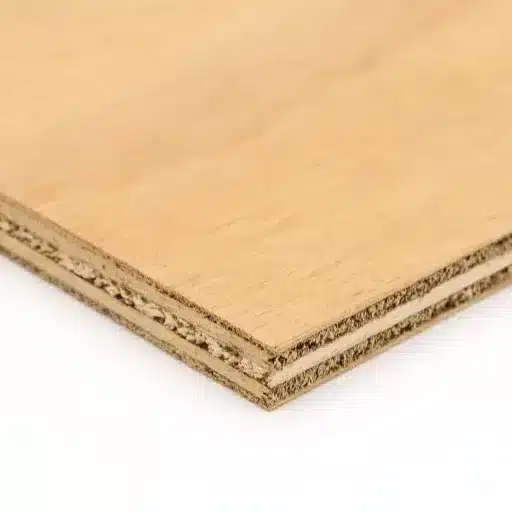
Choosing marine plywood requires knowing how to grade it as well as understanding the compositions of different grades for drafting applications. Marine plywood is categorized based on the ‘quality’ or grade of face veneers as well as the construction of the core. Some of the more commonly used standards for marine plywood are the APA (Engineered Wood Association’s standard for plywood) and the British Standard BS 1088. All BS 1088 panels are made out of Mahogany and bonded with chances of the sheets failing from exposure to voids and waterproof adhesive. APA standards classify this as Marine Plywood under the ‘Marine Exterior’ grade requiring moisture permeability and structural performance under wet conditions.
Wood grain is an important factor that affects the strength of the panel as well as its workability. For example, Grade ‘A’ veneers are smooth and devoid of any knots hence their structure is better for exposed application where geometry does matter. Lower grades of face veneers may possess slight deviations from ideal surfaces but they generally are well fit for construction purposes. The core should under no circumstances have any gaps so diametrically oriented forces of water are not going to get through it.
Moreover, Marine Plywood should have a high mechanical strength because of the high level of adhesive abilities in use and the components are glued tightly together. Marine Plywood tends to be reported to achieve good results in things such as load bearing veneer placement as well as water tightness for marine grade reasons. With these kinds of grading schemes in place, together with the appropriate testing and certification, customers can be assured of the best and most appropriate products in marine and outdoor applications. One must always check the specific requirements of each plywood manufacturer’s technical data sheet for full details.
Tips for Choosing Quality Marine Plywood
- Ensure Conformance to the Set Approvals: Prior to purchase, confirm that the overseas marine plywood adheres to the stipulated regulations; these include, among others, the BS 1088 and the AS/NZS 2272. The above certification seeks to ensure that the plywood selected is of high quality and moisture resistant enough for the outside atmosphere.
- Look at the Surface of the Wood Veneer for Flaws: Grade a and b marine plywood should not have or have minimal core voids with evenly placed veneer and a smooth top. Search for any well-attached distinct layers of wood with no potential deformation, as they are considered the highest quality.
- Take’s Note of The Adhesive: Marine plywood requires suitable adhesives that are waterproof, most often, phenolic glue which has excellent moisture resistance and does not underlay during damp periods. Do not go for the lower adhesives as they will not withstand humidity in wet conditions for long.
- Check physical protection features: Examine the technical data sheet (TDS) provided by the supplier to analyze qualities like load-bearing, impact power, melt water resistance or bark water resistance rating, etc. It confirms there is no breakage of plywood or medium due to pressure or climate for the concerned use of the product , to cite one instance.
- Species of Wood Used in Making the Product: It is advisable to consider marine plywood fabricated from high density timber with built-in resistance to decay like Gurjan Or Meranti hardwood trees. Such a species enhances the resistance of the panel against attack by fungi and other wood-consuming insects.
- Check Suitability of Thickness Sizes and Working out Dimensions: Choose a thickness that corresponds to the structural requirements of your upcoming application. In case of projects like the construction of boats a thickness of eight, twelve millimeters is recommended to maintain balance and strength in the structure.
- Checking the Track Record of The Manufacturer: Fulfil potential under construction project only from high end convincing manufacturers or sellers like stockists offering up-to Standard Leisure Marine Plywood boards. Evaluate the reviews, take the referrals and, if possible, ask for the samples to check if the particular claims are real or not.
These tips help you with great sureness and ease, when selecting marine plywood for a particular project, as far as long-term benefits of function and dependability.
Red Flags to Avoid When Purchasing
- Marine Plywood With No Standards or Certifying: Marine Plywood should be maintained in marine plywood with standards such as BS 1088 or any standard countries have for marine grade. This is because, the lack standards suggests that the manufacture may not be certified or uses poor quality materials as marine plywood will not last long in the marine conditions.
- Surface Defects on the Face: Seeing flaking, knots, or surface checks are some of its indicators. These defects cause the plywood to lose its strength and also its moisture resistance after some time.
- Mislabeling: Marine-grade plywood is applies to plywood without adequate support in terms of specification or construction. Do a check before buying on the hisreseionfurrennt on glue used, quality of those veneers and if it is treated, its treatment process.
- Soft surface boards: Examine the bonding of the plywood by looking out for the presence of any holes, pockets or even unconformities. A poorly designed core compromises the strength of the plywood such that it becomes incapable of enduring water and compression for long period of time.
- Do not be tempted by Cheapness: Although competition pricing is expected, extreme low prices can imply that materials were altered or ways of production shortened. Lean towards products with open pricing which mirrors the quality of both science and materials used.
- Usage of glues that do not repel water: In the case of the Marine Plywood, the only glue that can be used for the plies, however, is the waterproof one. Glued which do not have resistance to water decreases the useful life of the plywood in such environments, making it prone to failure.
By paying attention to these warning signals and by steering clear of them during the purchase, you guarantee maximum output, dependability and an upgraded value throughout the utilization period of the marine plywood purchased.
Maintenance and Care for Marine Plywood

Essential Maintenance Practices
For marine plywood, proper maintenance is important to maximize its service life and keep moisture, or Engineers At other places unconcisously would Watershed or even temperature shield Marine Plywood. Equipment seizes soon or later that is why its important to coat thin layers of acetate or resin over the surfaces without overlooking the edges. Water if left unsealed can rise and extend even more so any point which is more than the inners of the cover should be specially tended to as well as attended to during the original installation and also at the time of service calls. Finally, rough edges can be smoothened and thereby sealed better with rotary equipment using fine sand paper.
It is crucial to perform periodic investigations to pick up damage at an early stage: be it deformations or fractures, or simple fungus attacks. These tests will be important in those parts of the plywood which are susceptible to cjustrations caused by condensation or water itself. In case there are abrasions on the surface or small cracks, repair must be carried out immediately in order to overlook the penetration of waterproof putty or resin on the interior. Lacking initiatives in making minor restoration may reI to advanced damage especially when the environment entails prolonged or frequent moisture and also in salt environments.
For best outcomes, marine plywood is supposed to be cleaned regularly from any salt deposits, dirt or algae which might be present that can destroy the finish with time. Make use of a mild soap and dilute it with fresh water and refrain from using harsh scrubbers as these might strip off the coatings. After wash it using clean water comprehensively dry the plywood in order that no moisture remains in its layers. Other than ensuring the two are realized, in practice correct installation, whereby the wood is not sitting on water directly or subjected to easily damaging environmental forces, increases the service life of marine plywood in challenging seafaring conditions.
How to Prolong Lifespan in High-Moisture Conditions
At the same time, the higher the level of moist conditions, the greater the protective and maintenance dimension becomes, so as to ensure the longevity of the wood or any other materials. It is imperative that every builder checks the raw materials used, and in this case, the builder should use the ones that have protection against moisture, Marine Plywood inclusive or other treated woods. This is because, available materials in the market within the building and construction industry ranges from those with adhesive resins, chemicals, coatings that stop water and fungal decay. For further better results even in terms of durability, after such treated materials are constructed sealants for instance, water based sealants or epoxy coatings among other measures to fight water penetrate into the system can be added. The coatings should be applied on a regular basis in order to create a barrier against moisture be it in a hot or very humid atmosphere.
Another aspect for consideration to help the longevity of wood and materials that absorb moisture is proper ventilation. Lack of adequate flow of air allows the concentration of moisture to increase and cause damage of rot, mould and deflection. The design and installation of the structures must ensure that the components have features such as use of drainage and clearances for air to flow. A case in point is the use of elevated structures, or incorporation of vapor projections among the materials so that moisture does not come into contact for long. Even airflow systems or dehumidifying devices help in decreasing ambient water concentration quite a bit thus easing the load on the components.
Finally, ensure that regular investigations of the site are undertaken in order to detect early the aspects that relate to the effects of moisture with regards to the structural deterioration. Check for any cases of staining, soft areas, blisters, mildew or their combined effects which are moisture penetration. If found at early stages, refitting of affected areas or mere enhanced repair works prior to aggravation of the problem prevents many damages. Other methods involve looking for high technology devices such as moisture precipitation units or humidity level monitoring devices with aggravate mounted data coming out as intervention. All these methods coupled with a prudent use and care of materials will greatly improve the efficacy and service life of materials particularly in situations subjected to moist conditions.
References
-
Roddis Plywood Corporation Records
Historical records from the University of Wisconsin detailing the use of marine plywood during World War II. - Click here to read more.
Frequently Asked Questions (FAQ)
Q: What is Marine Plywood and how is it different from normal plywood?
A: Basically, Marine Plywood is a specially concentrated plywood which is basically used in surfaces which are either wet or humid. Thus one of the major differences between marine and normal plywood is the adhesive since it uses pressure-treated timber, manufactured at higher specifications and better grade foil to minimize cavities in the board. While it cannot be considered rot resistant besides other hardwoods that one may know is commonly treated for marine applications, Marine Plywood has a special water retarding system which allows it to be used for boat contributions, pier building and other cultural applications out at sea where water is the enemy.
Q: Is okoume appropriate for Marine Plywood in bonding together for any of the boat manufacture?
A: Of course yes, places that build boats mostly select okoume for Marine Plywood because it is visibly light, possesses a fine veneer that one could adhere with fiberglass and holds up to finishes quite well. Okoume lamination most often is applied in small water vessels and especially in very fast boats where it is necessary to limit every kilogram and not force faces more than necessary.
Q: Is fiberglass applicable to Marine Plywood and if yes in what way do they work together?
A: One common practice is fiberglass with Marine Plywood. Marine Plywood is a strong, waterproof composite where lamination of glass fibers over Marine Plywood creates composite is. Marine layer laminated over plywood layer involves different roles, the ply renders the required structural strength whereas the outer skin is there to protect the fall through scratches. To make sure the layers stick well to each other and look smooth, the plywood needs to be closed to moisture and the right system selected for the wood used be it Okuma wood or any otherokand other given conditions.
Q: In essence, how does the performance of meranti plywood for Marine Plywood works differ from other species?
A: In tropical areas meranti plywood is categorized as softwood and mainly used for building purposes and in some examples as a marine boards. While these enhances the overall structural rigidity the quality of the end performance varies depending on the supplier. When it comes to extreme situations that need marine grade plywood such as in the case of boats, it is best to use marine grade meranti plywood that has minimum voids in the core and bonded strongly for it to perform like a marine okoume plywood or fir plywood.
Q: Does Marine Plywood stand up to the rigors of adventure sports like solid wood when it comes to boats and decks?
A: Marine Plywood possesses good dimensional stability, which means it is better than solid logs in many cases related to boat construction since it is less susceptible to warpage and internal faults. While more maintenance would be required for solid wood as it is quite long lasting, selection of species would be crucial – quite different from Marine Plywood. However, in Marine Plywood applications, the reinforcement of or use of a fully sealed and coated plywood with fiberglass increases its useable life span as well as makes it stronger against delamination than the aggressive wood structures.
Q: What are the qualifications and standards that should be kept in mind whilst selecting the marine board?
A: The marine plywood grade should be selected based on the expected use, for example, marine glue lines, face grading, edge grading, and other integration. For instance, most marine plywood in the United Kingdom will be called BS 1088 or something of the sort and none of their marine plywood will have voids in the broad edge of the panels. Moreover, they will mention high quality management, type of wood used and whether the product is meant for the exterior or for use below the water. This is important to guarantee that the fabric achieves the desired expectations in terms of survival and protection.
Q: To what extent should one take care of Marine Plywood in order to extend its lifespan within marine settings?
A: To maintain goods in proper condition, all joints and holes should be sealed, appropriate paint, varnish or fiberglass can be applied to the faces and some regular maintenance for peeling off or wood decay ought to be done. At most, flying surfaces should not remain overly submerged and metal fasteners that are rust proof should be applied. Be it okoume, fir marine plywood, or meranti plywood, adherence to marine plywood the use of installation best practices and re-coating of the panels on an annual basis, or likewise, once within that time frame, ensures that the marine panels will remain effective in use for a long period of time.