
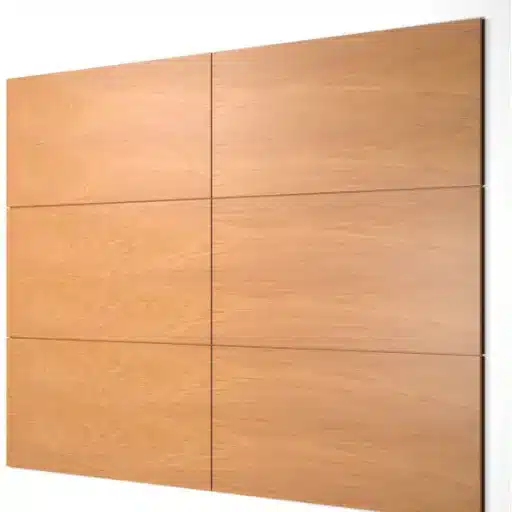
Veneer Wall Panels: The Perfect Wood Veneer Solutions for Modern Interiors
Designing modern interiors could be quite a daunting task, especially when trying to balance elegance with functionality and natural beauty. However, most of the time veneer wall panels come in handy because unlike Pops, these give the luxury of using wood without compromising on refreshing look that the modern times require. Discover in this article the various factors that make veneer wall panels more popular among builders, decorators and the end users. We will cover all these aspects and more to show how even the most basic room can be converted into a decorative work of art. This is, whether you want to work on your house, a commercial establishment, or simply need some creative juices to flow, this is the best guide to open every single dimension of wood veneers.
Understanding Veneer Wall Panels
What Are Veneer Wall Panels?
The new realistic approach remodels the concept of purely solid wood, intended also for furniture applications. However, instead of using heavyweight expensive materials, costs are lowered with the use of veneer wall panels. It is also dense since it uses very few raw materials and preserves the features of natural wood.
Most importantly, veneer wall panels have the advantage of multi-functionality, thus, can be used in walls, in ceilings as well as in furniture. They also offer various finishing, different colors and textures for minimalist designs as well as contemporary and traditional. They can easily give a space or area that need warmth, elegance, and substance with the use of veneer wall panels, which do not have the disadvantages of wood like shrinkage, easy breaking or extensive care.
Besides, the use of bearer wall panels is considered more environment- friendly given that they are made mainly from renewable resources and reduce wastage as compared to solid wood. Further interesting discoveries in the field of manufacturing can be seen as enhancements in the durability and also cases where the bearings have some resistance from scratching or water or just normal use. For these reasons and with the added advantage of aesthetics, functionality and environmental considerations, many people such as including home owners, architects and designers prefer to use veneer wall panels.
Benefits of Using Wood Veneer Panels
- Appearance: Veneer wall panels remain classic with an exquisite outlook that adds value to the spaces. The appeal of real wood is achieved through its beauty and rich texture without the variances in colors and patterns observed in the case of solid wood.
- Economical: Veneer panels are less expensive than solid wood and permit more lavish designs and low-budget options. As a result, high-end quality finishes can be achieved within affordable prices.
- Environmentall- Friendly and sustainability: Wood veneers make use of thin wood slices; therefore, less wood gets destroyed after the production process. And many of these materials are also made from sustainable resources, thus supporting the environment.
- Strong and Durable: Wood veneer wall panels found today are made of high-quality materials and can cope with daily use without any problems—they are difficult to scratch off, easy to clean, and resist moisture and dirt spots. If care is given, then they can look good as new after years of use.
- Range of Designing Options:The range of uses for wood veneer panels is immense ranging from walls, furniture, and arranging them for cabinetry making. That said, they come in a great number of finishes aLnd patterns, which allows a designer to factor any interior into consideration.
Types of Veneer: Natural vs. Synthetic
Veneer is harvested from real timber. As such, it offers a wood that is natural and organic. Beyond this, the wood also displays interesting inclusion of patterns and textures along with variation in colors that pertain to the nature of timber. This renders it an exclusive piece. Apart from this due to its wood characteristic requiring more care, a lot of people find it much eco-friendlier than other veneers.
Synthetic veneer on another note is made from plastics, papers or laminating woods which acts as a substitute and gives the appearance closer to a naturally plaid timber. This type of surface comes with the idea of making it possible to achieve the same or similar color with the same or similar pattern throughout. Unlike the natural veneer, the synthetic veneer is cheaper and requires low maintenance as it does not undergo deformation and can withstand conditions of high humidity and high traffic. One three-part example of veneer wall panels polystyrene extruded.
All these types of veneers have their own advantages and are used for specific purposes. One is the use of natural veneer for those who are after the comfort and the soft touch in its style; the other is the use of a and more economical synthetic veneer in projects where there is high durability involved. Such aspects produce the dilemma, natural vs synthetic veneer which one to use, which is dictated by taste, the constraints of the task, and preferences when it comes to appearance, spending and utilization.
Exploring Different Wood Species and Cuts
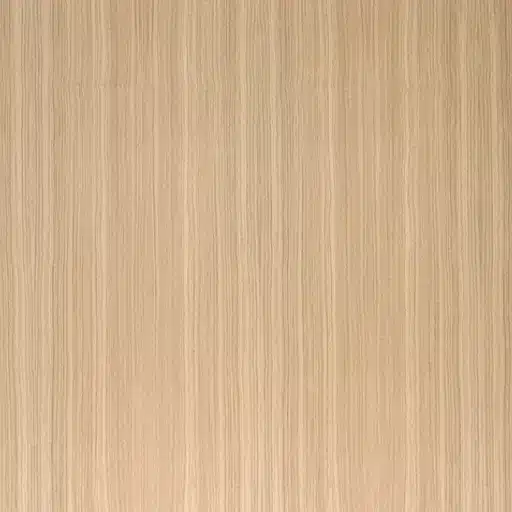
Different Cuts and Their Aesthetic Appeal
The appeal of wood veneers is not merely due to the materials chosen or the processes involved. Whatever forms the base, there are the wood mills that serve up that base in one way or the other. The peculiar aesthetic of a given veneer also depends on the grain pattern that is characteristic of each cutting style. Any of the three basic kinds of cuts is such, namely plain slicing cut, quarter slicing cut, and rotary slicing cut.
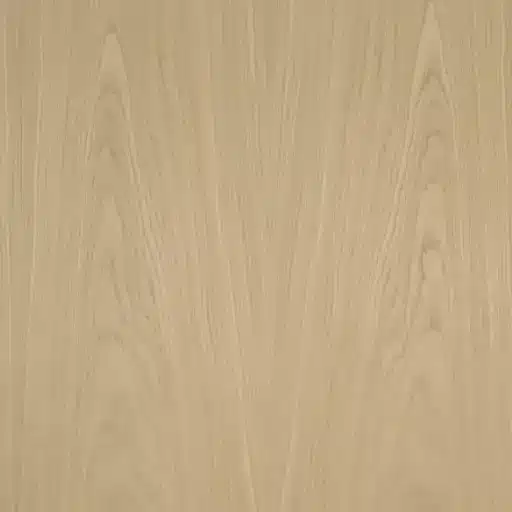
- Plain Slicing: The log is subsequently cut parallel to these growth rings, creating a cathedral grain that is otherwise known as a natural looking grain. This type of wood is extensively used in cases where the classic appearance is desired, thus, serving as a popular material in the erection of religious furniture, cabinetry making, and panel work.
- Quarter Slicing: In this cutting style, the log is sliced across the growth rings into equally thick sheets, which produces a straight and even grain appearance. Considered elegant and polished quarter sliced veneers are most commonly implemented within high class interiors and century old décors.
- Rotary Slicing: The rotary slicing method refers to cutting veneer around the central axis of the log, which results in a wide and curved grain with a distinctive and even more variable pattern. Such cut makes it possible to obtain the maximum amount of veneers possible from a log, being a cost-efficient option at no sacrifice to the appeal. It works very well with daring or modern design elements which need to impress as appearance is of paramount importance.
Knowledge on these cutting methodologies aids designers and craft people in striking the perfect blend of form and function, making sure the veneer wall panels they incorporate in their work are as beautiful and as inclusionary as they would like them to be.
Choosing the Right Wood Veneer for Your Project
While determining the type of wood veneer wall panels to use and which color and style to choose, one is first prompted to identify the functional needs and establish the design and aesthetic objectives such as normal, advanced, designer, or simplistic. This will in one way or another dictate the kind of wood or cut that is most appropriate. Take for instance a minimalist upscale enclosure for a cherry wood cabinetry. This would possibly require rotary wood slicing instead of quarter cut slices.
Afterwards, the endurance and efficacy required for that particular project come into play. If the veneer is expected to cause more usage or is a surface intended for application of immense traffic, then tougher species of wood will be selected. More so, an appropriate finish is chosen for preservation of the wood veneer’s natural look and protection purposes. Some external elements affect the type of wood to be employed- for instance weather- moisture content and sunlight available.
Furthermore, let me consider the cost that I am willing to pay and environmental conservation that I strive for. Veneer wall panels are available at various price points based on the wood type and style; consequently, I do not compromise on quality while also staying within my budget. Best of all, sourcing from responsible manufacturers is a priority that I am keen on observing, where my project abides by my other priorities. When all of the above has been painstakingly considered and decided upon, the chosen wood veneer serves its purpose from an esthetic point of view as well as doing the job it is intended for.
Installation Best Practices for Seamless Finishes
Step-by-Step Guide to Installing Veneer Wall Panels
- Preparing the Surface: Prepare the wall surface such that it is clean and flat and dry prior to starting. Remove any irregularities with sandpaper and wash the surface with a moist cloth to remove the dust and grease. It will be much easier to apply the paint on a properly prepared surface.
- Measuring and Planning: Take a measuring tape and take the measurements of the wall and work out the panels that will fit the wall. Take a level and make some lines on the wall, which will be used as guidelines for placement of the panels to ensure that they go on a straight line. This acts as a preventive measure against wrongly placing the veneers and saving materials because of placement optimization of the veneers.
- Rough-Cut the Sheets to Size: If the panel design which has been planned by you is to be cut then it should be cut using a sharp knife or saw. Each dimension should always be measured before cutting to avoid wasting material. While doing so, make sure to wear protective glasses, as it may cause accidents during the cutting operation.
- Adhesive Application: In the case of the veneer wall panels, one should select a suitable adhesive for example contact cement panel adhesive, or selected adhesives specifically devised for the panels. Using the right consistency of adhesive, spread it evenly on the back of the veneer as well as on the wall according to the prescribing or recommended failure free dry time.
- Position and Attach the Panels Vertically: Ensure vertical placement of the first panel in place against the line and gently press it onto the wall surface. Take a roller or flat object and engage vigorous compression to eliminate any trapped air (bubble) in the panel. For the remaining panels, apply the same procedure; perfectly fit the edges to each other.
- Finishing and Trimming: Look at the panel and determine if there are any protruding or uneven parts. Bear in mind the reasonable uses of the knife provided users with excessive material trims. When the project outcalls, implements the finishing measures such as varnish cover or veneer wall panels among the users.
- Timely Allow For Drying: Adhere to the specified recommendations with respect to the drying and curing time and temperature given by the adhesive manufacturer. This is one of the most important steps to confirm that the panels will be securely fastened for an extended period.
- Check the Final Install: Finally, after the adhesive has cured completely, examine the wall for any defects such as gaps between the panels, or panels that are not appropriately aligned. Carry out proper adjustment if necessary, until the desired result is achieved.
Following these guidelines, the installation job effectively transforms into a seamless operation with exemplary results. You have to be very careful at each phase as this will guarantee that supplementing the veneer wall panels into the building is not just for beautification but will also be durable.
Tools and Materials Needed for Installation
Properly installing veneer wall panels needs specific implements and supplies. This involves a lot and to make things reasonable, it is better to prepare early enough by obtaining a list of what is needed:
- Measuring Tape – For you to be able to cut the panels according to the required length and for the aligned installation.
- Level – For the assurance that the panels are not skewed and are in perfect harmony with the previous set of panels.
- Utility Knife or Saw – For perfect cutting of the panels.
- Adhesive – A reliable construction adhesive that will be compatible with the form of veneer panel that is being fitted.
- Caulking Gun – Needed for controlled and precise application of the glue.
- Clamps or Braces – To stable the fitting of the panels while the glue is still drying.
- Trowel or Spatula – To apply a uniform layer of glue on walls.
- Sandpaper or Sanding Block – Helps to eliminating rough surfaces on the panels prior to installation.
- Protective Gear – A must particularly gloves, goggles, and a dust mask when handing and cutting the materials.
- Cleaning Cloth – For cleaning the wall prior to installation.
- Marker or Pencil – This instrument can be used for drawing cutting lines or positioning points on the panels.
- Stud Finder – This tool helps occupants aiming to install drilled panels on the wall to identify the positions of studs and thus ensures a firm installation.
It is an important aspect for any installer to follow this required procedure because the use of the appropriate tools and materials facilitates the process of assembling, as well as increases the performance and longevity of the completed structure.
Common Installation Mistakes to Avoid
- Disregard Surface Preparation Process – Cleaning and flattening for ones, this time for instance, removes or corrects pretty good chances of bonding or aligning problems. Remember; no dirty, no rough, no gluing or sticking materials when unfinished.
- Hurrying the Measurements – When one eschews this step, some elements will be uneven, others will be perfectly satisfying but nevertheless wasteful because of the superfluous material. Measure everything twice. There are levels or lasers available in order to align perfectly.
- Not Employing the Appropriate Equipment – It is no exaggeration to state that using inadequate tools will result in poor work. Ensure that the appropriate equipment especially for the job is at hand to on the other hand, prevent negative results on the materials or any loss of time.
- Executing Without Considering the Desired Limits Provided by the Manufacturer – Varies from material to material but all materials have installation standards which need to be adhered to rightly. If such points are ignored, it will cause the warranty to be taken away and spoil the corrosive goods and it would not be beautiful to the eyes to see a “nice” veneer wall panels that is cracked halfway through.
- Ignoring Installation Temperature and Humidity – installation of veneer wall panels in extreme hot, cold or humid conditions can cause loss of adhesion or expansion of the panels. Pay attention to the environment factors and the recommended measures, if any from the manufacturer.
- Ignoring Proper Sealing Process – ignoring the edges caulking or sealing that can result in an air gaps, moisture invasion, or minimization of endurance. Do not forget to caulk and edge the square sections to provide the enclosed wall of the unit for a proper decoration that lasts.
Once you have taken care of most of these mistakes and best practices, you are on a good ground to have a durable installation.
Creative Design Inspiration for Residential and Commercial Spaces
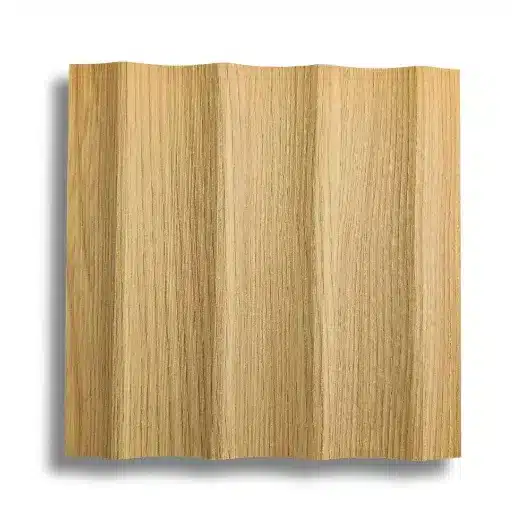
Modern Residential Design Ideas with Veneer Panels
Thanks to veneer wall panels making their way into mainstream residential architecture, many properties now boast a mix of style, fashion and beauty in the form of wall tiling. Such tiling is quite multi-functional: it warms up the interior by virtue of it being wood tilling, while in the same vein, it provides the artistic effect of wanton installations. Example – trying to install wooden theme walls in the living area, bedroom or kitchen cabinetry with wooden accent panels is always welcomed. When using oak or ash veneers or any other lighter shades in the design, blue or gray neutrals do well or marble look works well while in case of walnut or mahogany veneers more mature and darker shades as mentioned in figure 3 works almost in all the scenarios.
Another aerodynamic feature that has been used in the design is the raising of the wall paneling to a level where the veneer paneling structure has some storage that is hidden. The ceiling with different sections contains different levels of veneer panels, which are fixed in the surfaces throughout the ceilings. Several detailed explanations are enclosed in the furniture design which corresponds, in the case of vertically installed veneers panels, to those who aim at elongating the space and elevating the illusion.
The side aside, pressure to use the undertook aspect a top veneer wall panels in Its helping hand comes increasing. These models, due to the pattern, go hand in hand with, especially with the society’s growth of eco-friendliness, policy how the materials are very often certified as having been taken from sustainably managed forests. The increased technology over time has also seen the deployment of harder veneer panels that are robust over the long term in your residing homes. Today, an individual does not hesitate to utilize veneering in even such places as their wardrobe door, staircase, or even a custom furniture piece. This recreative approach enhances the visual properties and the cost of their interiors.
Incorporating Veneer Wall Panels in Commercial Spaces
Veneer wall panels are gaining in popularity in commercial spaces for providing value, good looks and benefits. Often deployed in offices, stores, and hospitality, such veneer panels help in creating an exquisite and polished environment. Their capability of looking like the real thing in terms of wood but being inexpensive is the reason why they are preferred in major constructions. Moreover, with the development of fireproof and acoustical veneer panels, such medium has favorably been adopted in offices and general public places as both comfort and safety are assured.
In commercial interiors, we are seeing an increasing inclination towards using materials that are environmentally friendly and sustainable. The use of veneer boards and panels, which are manufactured using sustainable natural sources, is encouraged in this respect and helps in earning points in building systems that have a point structure, like LEED. For instance, use of veneer boards and panels within offices may improve the air quality as well as the extend of plastic in the working, hence the ambience becomes more ‘eco-friendly’.
Additionally, veneer boards, particularly in the case of boards that are often used in crowded areas, are resistant to wear and can be easily cleaned, and therefore make the best option for such zones. They maintain their beauty and offer a neat look to the zones for long wear. Walls, ceilings, and partitions aid in the performance and aesthetics scope of veneer wall panels when they are purposefully placed.
Combining Veneer Panels with Other Design Elements
Veneer wall panels are an excellent piece of dress material that offers an opportunity to combine various decorative elements and makes them look seamless and appealing. They have natural colors and pattern that blend easily with other materials like glass, metal, stone among other materials hence helping designers have completely different looks. For example, the combination of wood veneer panel and a smooth glass can contribute elegantly and contemporary feel whereas the use of marble tends to make the space more grounded and is less heavy on the eyes. This flexibility allows the veneer wall panels to be used in simple plush designs as well as in decorative luxurious interiors.
The use of lighting is essential in the enhancement of veneer wall panels along with other materials in the design. For instance, strategic lighting may be used in order to accentuate the patterns and colors in the timber and under cupboard lighting or recess light may be used in order to highlight interaction of the veneers together with other materials close to it. Using various textures visually, for example, a matte finish on a veneer against high polished metal, would create very dramatic design effects that will also break the monotony in an office environment or even in residential areas. With these possibilities and more, designers can create inviting spaces.
For best outputs, the functional goals of the area need to be balanced with its decorative needs. For instance, veneer panels plus acoustic materials achieve both aesthetics and function in conference rooms or other spaces where sound is an issue. Mixing these panels with the appropriate furniture design and plants for interior architecture allows making an eco-friendly productive encouraging space. The veneer wall panels as well as their complementary design aspects, if used appropriately, have the ability to convert any structure in a creative and welcoming space.
A Comparison of Natural Wood Veneers and Synthetic Alternatives
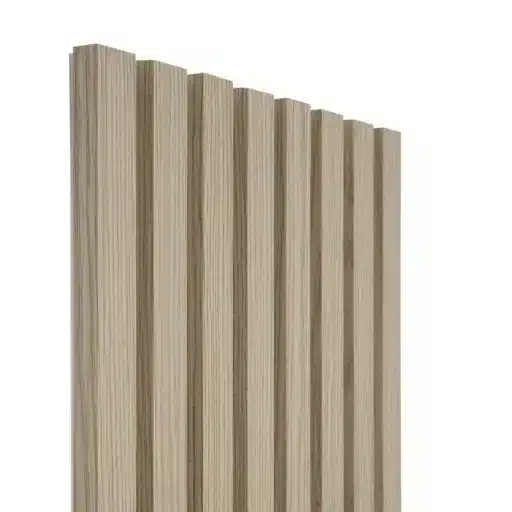
Cost Analysis: Natural vs. Synthetic Veneer Solutions
When analyzing the price of veneers made of natural wood in relation to the price of synthetic ones, a number of facts become obvious. They include all aspects starting from the source of raw material to the technology of production and a ll the way up to the lifetime of the product. To start with, the veneers made of natural wood are more expensive as compared to synthetic ones since they are usually extracted and processed with a lot of care. An aspect relating to wood species is the rarity of some which means that wood veneers sometimes tend to be very expensive for applications that require a high-end and realistic feel. But then again, it is the strength and the fact that they can be sanded at intervals which adds value to mod wood veneers to make them worth investing in for light duty use.
Conversely, synthetic veneers provide an economical option without compromising on the aesthetics. Since these veneers are not natural in makeup, they are very often produced in bulk, which greatly contributes to the reduction of the costs of production. Just to add, synthetic veneers do not warp nor fade which makes them more affordable than wooden veneers. They do not, however, have the richness and uniqueness of natural veneers but every day, through improved production methods, it has become easy to mimic the patterns and textures of wood like veneer wall panels.
In the end, both natural and synthetic veneer options can be used; what determines which is most appropriate boils down to the specifics of the project, available funds, and desired aesthetics. Other considerations in making a choice include upkeep issues, eco-friendliness, and the longevity of the finished product. When these factors are carefully taken into account, it is feasible to choose the most cost, effectiveness and practicality balanced veneer solution.
Durability and Maintenance of Veneer Wall Panels
Veneer wall panels are regarded as durable materials; nevertheless, their life span depends on the quality of material used, environmental conditions and the workmanship during installation. With natural wood veneers, however, maintenance is often necessary and frequent repairs may be needed such as sealing or polishing as against humidity, scratches or any form of wear and tear. On the flip side, synthetic veneered surfaces like laminates or PVC are much more resistant to moisture, ultraviolet rays as well as weathering and so, are often referred to as maintenance free materials.
Therefore, In order to maximize the durability of veneer wall covering panels, it is necessary that the panels be washed and that any such washing be done with the use of non abrasive materials only. Excessive moisture or cleaning agents that have strong chemicals should be avoided since they damage natural as well as artificial panels. Meanwhile, touch up kits for surfaces made of veneers are available and manageable scratches or other damage may be redone therefore extending the functional life of the said surfaces.
For example, if suitable materials are selected, used, and maintained appropriately, veneer wall panels can serve for many years without any compromise in their aesthetic or functional integrity, making them a practical option in interior decoration both in homes and offices.
References
-
Decorative Wood Veneers as a Medium for Contemporary Design
This article explores the use of decorative wood veneers in contemporary design, focusing on visual and multisensory elements. -
Wood Veneer Paneling Specifications
This document provides specifications for custom wood veneer paneling, including coatings and trims. -
Properties of Structural Panel Products
Published by the US Forest Service, this paper discusses structural panel products made from veneer and other wood materials. - Click here to read more.
Frequently Asked Questions (FAQ)
Q: How would you explain what veneer wall panels are and how different are they from solid wood wall panels?
A: When wood is ground into thin sheets, often referred to as veneer, which is glued on a base, which could be MDF, stable, touching panels intend to create the illusion of wood but in a cheaper way since solid wood tends to warp. Solid wood is not stained or glued and does not include any other surface apart from a clear coat whereas the veneer wood is lower in price and consists surfaces that are plain and glass clear as well as curves still in social surfaces and their curves still within objects, while exhibiting natural beauty and wood grain of its own.
Q: Do homeowners as well as professionals find it easy to install veneer wall panels?
A: Of course, the installation of veneer wall panels does not present any particular difficulties because such panels are prefabricated for installation already painted and pre-cladded, making them an urgent great option for speedy interiors., conveniencing everyone. Many wood veneer panels are thin and flexible enough to apply over existing surfaces including flat panels, slat panels and 3D walls found in homes and offices. Care how they are made, makes it very easy for the designer or a home user to work with these roughs and finish ✔ the room where they want to use geographically
Q: Can high-traffic commercial areas such as reception areas accommodate the use of veneer wall panels?
A: Veneer wall panels are manufactured to extremely high specification for use in both households and business settings, and as such they are ideal for any heavy traffic zone. They come in a high class wood veneer including walnut and other wood species and they provide excellent finish which helps retain your investment and offers optimal durability in business atmospheres, reception areas and shop fit outs, all the while keeping it inviting and classy.
Q: Which one is more effective in noise reduction: slat wall or slat+veneer panel?
A: The slat wall types with or without the real wood veneer finishing enhances the sound absorption and limits echo when combined with an acoustic base or backing. Both slat and 3d panel designs have sound damping cavities that mitigate the echo of sound; thus, they suit music rooms, work spaces and any area where sound need to be managed. Acoustic veneer wall panels combine the refined look of wood veneer with functional sound dampening properties.
Q: What are the different types and styles of veneer wall panels?
A: There is a very wide range of designs offered in veneer wall paneling starting from the finest quality wood veneer like mahogany and finishing with wood numerals or reliefs. More contextually, veneer wall panels are available in multiple color ranges, slat style and 3D shapes, as well as flat, and football, etc., curved surfaces some of which are possible to even be entirely flat. Usually, some of these preformatted veneer solutions are chosen by interior designers in order to make striking structure walls, enhance furniture edgings, or embellish rooms in a very refined manner.
Q: Do veneer wall panels last the same, or less than solid wood in terms of durability and ‘greenness’?
A: Top-grade veneer incorporates the use of thin layers of real wood that are overlaid on engineered core, which is a more effective use of high-end wood as it delivers the same authentic look and grain of the wood. When executed at the right levels of professionalism, veneer wall panels on quite a contrary, are lasting, provided the user adheres to the right handling procedures. If they are installed and taken care of properly, they give a stunning finish that provides enhancement without the use of too much solid wood while remaining environmentally acceptable.
Q: How do I get right veneer wall panels for my project?
A: It is necessary to define the type of panels you need; residential or commercial, with or without sound-proof qualities, flat or perforated with wood species of veneer beech, horizontal stripes, and vertical grooves; the latter are also referred to as slat walls. Plush and smooth exterior with thick layers of veneer, hard boards such as MDF – medium density fiberboard, modules with the coating already applied, and authenticity in terms of production, and resilience must all be checked and supported by feedback. Builders, interior decorators and junior architects usually deign for balance between an attractive appearance of the wood with ease and cheapness of erecting the panels that would remain around reception areas, or in feature walls’ designs.
Q: Are there any special care instructions for the veneer wall panels?
A: Care for the veneer wall panels is simple: dusting and occasionally wiping with a moist microfiber cloth or cleaners that the producer recommends will do the job. Do not use strong chemicals or water excessive more than required as that can spoil the veneer. Simple maintenance will allow decorative high grade wood veneer panels to provide warmth, beauty or sophistication for a long time preserving investments and promoting original wooden aesthetic into domestic and corporate spaces alike.