
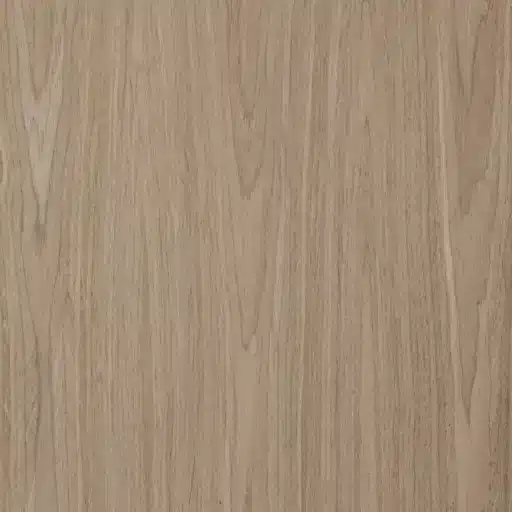
Walnut Wood Veneer: Exploring Walnut Veneer Sheets and Their Applications
For centuries, wood lovers have appreciated its rich coloring, its unique grains and its ability to be used in any number of ways. From posh home decors to charming furniture or even decorative installations, walnut veneer wall panels and sheets are pragmatic with an air of sophistication about them. The objective of this essay is to expound on out of this world walnut veneer, describing what makes it special, what it can be used for and the reasons it is secondly none in popularity among architects, interior decorators and carpenters. You and us shall delve into the beauty of this graceful material and take a look at how it adds elegance and grace to your works.
Understanding Walnut Wood Veneer
What is Walnut Veneer?
The veneer made of walnut is a thin slice of wood that has been corrected from the outer surface of a walnut tree trunk and is renowned for its deep color and unique textures. Such material is normally attached to a certain substrate like MDF or plywood in order to provide full appearance of solid walnut at its best price/quality ratio.
Natural attractiveness, is one of the most important aspects of the walnut veneer. These design elements include warm colors from a milky chocolate color to a really deep espresso with a lot of wavy grains imbedded in the base color. Such features bring it a great preference in furnishing, kitchen, or wall surfaces’ decorations. Walnut veneer can be decorated through different finishing modifications like polished or stained in order to achieve a particular look but maintaining the original wood surface.
In addition to its visual appeal, walnut veneer can also serve many practical purposes. Unlike solid wood, it is relatively light in weight and possesses higher dimensional stability because changes in humidity do not cause it to deform excessively. Therefore, this material finds applicability in projects where both robustness and a product with high quality finish are necessary. The longevity of walnut veneer wall panels and their ability to fit in any style preference assures that they will never go out of fashion in any interior -conservative or otherwise- be it a home or office space.
Types of Walnut Veneer
There is the so-called walnut veneer, which is quite varied, and one finds a range of variants, each of which is suitable for different needs and tastes. The most popular of these are the plain sliced, quarter sliced, and figured walnut veneer.
- Simple Slice of Walnut: For this kind, it is by far the standard case, and it gets that way because it comes with grain structure and large waveform cathedrals. Such a design is very appealing, especially where elegance and ancient features are required, and a common preference in furniture and cabinetry can be found in such type of veneer wall panels.
- Walnut Quarter Cut: The quarter sliced type of walnut veneer results in a more pattern which is usually extremely solid and linear. This type of grain is often used in the modern or contemporary type of works as it gives a neat and glamourous feel. It is also suited for larger areas because its major characteristics are very uniform.
- Beaded Walnut Veneer: Each veneer wall panels made of walnut are different in terms of grains. For instance, hallmark walnut has uniquely figured veneers which are recognized as burls, quilted veneer, and curly veneer. These effects of nature appear absolutely dramatic which is why it has been preferred to do decorative interiors, expensive furniture, and other fine works in timber.
Also, all these walnut veneer types are classy and flexible, and designers, decorators, and artisans select the convenient one according to their projects.
Types of Walnut Veneer Sheets
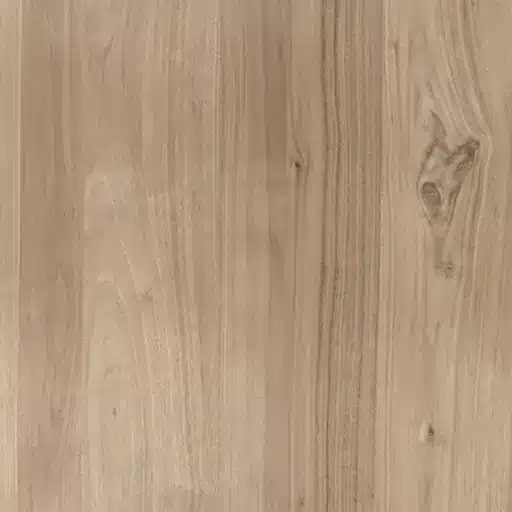
Flat Cut vs. Quarter Sawn Walnut Veneer
Flat cut walnut veneer showcases wide, wavy grain patterns, while quarter sawn walnut veneer features straight, uniform grain lines for a more consistent appearance.
|
Aspect |
Flat Cut |
Quarter Sawn |
|---|---|---|
|
Pattern |
Wavy, wide |
Straight, uniform |
|
Style |
Bold, natural |
Subtle, refined |
|
Application |
Panels, decor |
Furniture, floors |
|
Price |
Lower |
Higher |
|
Efficiency |
Higher |
Lower |
|
Strength |
Moderate |
High |
|
Look |
Dramatic |
Consistent |
|
Technique |
Tangential |
Perpendicular |
Burl Walnut Veneer Explained
Within the numerous wood veneers available, Burl walnut is known for its arresting and detailed patterning, which undoubtedly makes it one of the finest and most exclusive. Flat cut or quarter sawn walnut veneers, for instance, have more or less straight grain formations while burl walnut comes from the abnormal formations or growths commonly known as burl found in the walnut tree. The burls create knots, twists, and crude configurations in the grain which are sometimes very peculiar to some blank sheets of the walnut burl. This is a natural decorative effect and is the reason it is used in the manufacture of expensive furniture, musical instruments, and expensive interior finishes such as veneer wall panels.
In a market full of different types of timber veneers, there are always those that stand out like walnut burl sheets. The walnut burl veneer has overriding visual attractiveness in comparison to any other veneers since it has twisting like grain patterns and unplanned shapes. This gives a range of varity to furniture makers or even homeowners, looking to employ either ordinary or intricate embellishments. In many cases, the burl walnut veneer is utilized as a finish for making elaborate furnishings shelves cabinets desks or even car interiors and paintings. Nevertheless, due to this non-traditional grain, using the walnut burl requires phenomenal practice and skill – and the aim is simple; nothing like an ugly wall of understanding veneers – veneer wall panels.
The beauty inherent in burl walnut veneer can hardly be surpassed; nevertheless, it is available at a premium and not many places can sell it. This is because the formations of burls are rare, and also because the extraction and veneering process is painstaking as it is expensive. Further, when undertaking projects where decorative imagery is the goal and not symmetry or reinforcing, the preferable choice of material is often burl walnut veneer. When looking for materials ideal for emphasizing luxuriousness distinctively, even now bowling walnut and burr veneer as remaining one of the finest materials known to designer and artisan practices.
Premium Walnut Veneer Options
When it comes to quality veneer of walnut plywood, customers are spoilt for choice. All the types of veneer are unique making it interesting to navigate for artisans or designers who are looking for specific styles. Either of these kinds includes plain sliced walnut veneer, quarter-sliced walnut veneer or even burl walnut veneer. The Plain sliced Walnuts are the most sought after as they have the congenial flowing grain of wood and yet this is visually more deterministic. In contrast, the quarter-sliced veneer produces a centered grain pattern, which is helpful for a smooth and in vogue looking finish. In terms of appearance, however, the burl walnut veneer resembles art more than wood with beautiful swirls and knots found in great pieces of furniture such as veneer wall panels for instance.
Choosing walnut veneer should also be based on the durability of the material in addition to its appealing looks. Top-quality walnut veneer and the way it is processed make it suitable for areas with heavy use such as furniture, cabinet, or architectural surfaces. Additionally, producers of the material increasingly utilize eco-friendly practices, such as selecting plantations grown for manufacturing purposes and producing under FSC certification, which are implemented in the process. Eco-consciousness ensures that walnut veneer continues gaining popularity for use in the high-end furniture making and interiors designer apple packing cases picture windows veneer wall panels.
Because of innovations, there are even more exquisite walnut veneer wall panels to choose from, which can even be engineered. Engineered walnut veneer is consistent in both appearance and quality, thus being excellent on projects involving huge scales or situations when uniformity is desirable. This particular veneer is manufactured with precision ` to mimic the characteristics of walnut timber, which being soft, is made more nêstraight to prevent warping and increase its strength. Whether choosing traditional walnut veneer or any engineered variation thereof, it is functional and appealing enough for modern as well as traditional interior design.
Application Techniques for Walnut Veneer
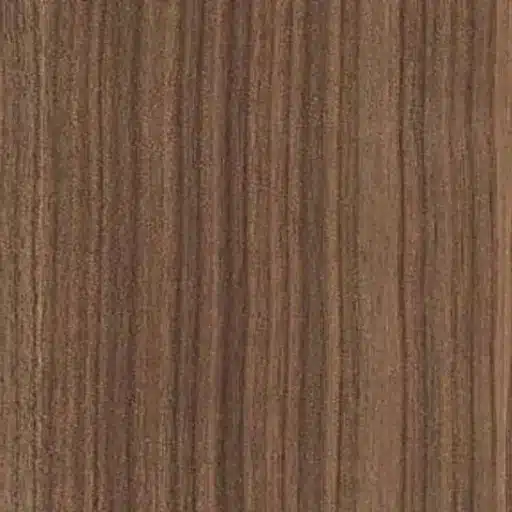
Preparing Surfaces for Veneer Application
The installation of veneer wall panels must include good preparation of surfaces if a permanent smooth layer is guaranteed. To get the best results, follow the following 5 steps in detail:
- Surface Cleaning: Make sure the working surface is in good condition; it is free of any dust, grease or any impurities. Remove dirt using a mild detergent or wipe it with a wet cloth and then let it dry thoroughly.
- Surface Sanding: Using fine grit sandpaper (e.g. 180 to 220 grit) lightly sand the surface ensuring that it is smooth and even also eradicating any previous roughness that may be present. Veneer glue’s adhesion is further enhanced.
- Imperfection Correction: Check whether there are any cracks, holes or unevenness on the surface. There should be a good quality wood filler to fill the surface imperfections where the surface has to be level. When dry, sand the area for an even texture.
- Coating with Adhesion Promoter / Sealer: For MDF or Plywood type of surfaces which are considered as non-porous materials it is good to have them covered with a light base coat of gloss or any other kind of sealer that is conducive for veneering. This will help lower the chances of the experience of troublesome effects such as blisters formation.
- Veneer Cutting and Measuring Techniques: Cut the veneer at least more than the surface by a few millimeters for further correction. This prevents misplacing and also facilitates post application trimming that ensures perfect dimensions.
Proceed in this manner until you have the necessary base for the veneer to be applied correctly and without flaws. In addition, coating the surface with the most preparation enhances its look and also serves the purpose of extending the use of flavored veneer wall panels.
Finishing Techniques for a Perfect Appearance
It is important to remember that special attention to detail, especially towards the end of the procedure, will ensure perfectly looking, smooth, adhesion-free veneer walls, edge veneers and, if possible, wallpaper veins. This is due to the numerous wears that can be avoided by gritting veneer using very fine sand paper. Do not let the obsession get the better of you, and avoid rubbing in or stitching the veneer as much as possible. After the gritting is over, finish by wiping and eliminate the remaining dust particles on the surface with a clean cloth pulled so that there are no fine threads or any other particles which will retarded the application of finish itself.
Once the surface of the object is prepared, consider, based on the function the surface will be applied, what type of finish (if any) is needed. It could be just a varnish with the sole purpose of protecting the surface without disturbing the color, wood stain to alter the color of the surface, or oil to provide a shine. Take more of the prepared finish onto a brush or clean, lint-free cloth, then continue working on veneer wall panels from one end to the other end. When the first initial coat gets cured, smooth it out with some fine sand paper and apply further layers bringing the finish to the state of perfection. Please note that the time it takes for the product to dry up is unavoidable and you should not hurry, lest you experience some unsightly or even poorly done pieces.
Imp defin, analyze the surface for the proper features e.g waves, waves with or without any manual activity e.g. cleaning. At the finishing stage is subdued curves, ribs or any other detailing. It saves the surface from any cleaning, frosting and only adds bulk via increased surface area of the cheering are the veneered wall pinnles.
Industry Grading Standards for Walnut Veneer
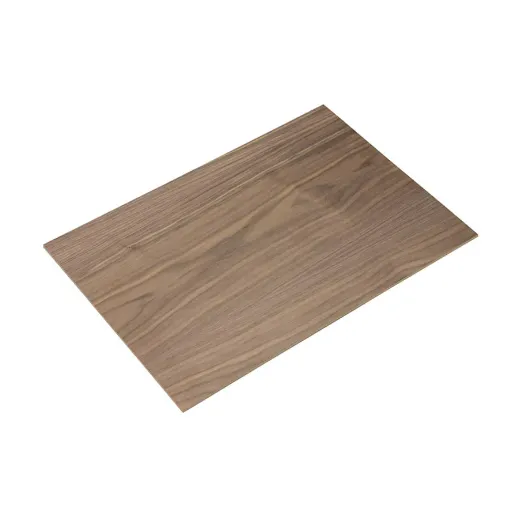
Understanding Veneer Grading Systems
Standards for grading of veneer panels help determine which wood panels are good and meet the intended standards of use. For example, these standards entail segregation of grades based on the look, feel, and perceived strength of the wood surface, so that both sellers and consumers can cut back on the time and money of requirements satisfying negotiations.
One of the most common examples of this system is grading of the walnut veneer wall panels which on the entire follows principles of grades teaspoon equal to A, B, C and D. The highest grading veneer is grade A. This is because there is little to no movement in the grain; the outer surface has few imperfections and is smooth hence it can be used in manufacturing all furniture for the higher end or it can be used for camouflaged pieces. Other grades can be a C or a D and in such cases these veneers may have more knotting, discoloration or harsh lines and will work best in non-exposed applications if not support elements.
Also, an appreciation of these different evaluation systems requires understanding of applicable codes or technical specifications like ANSI/HPVA HP-1 which stipulates the standards for veneer manufacture, appearance and their use. Moreover, technological improvement in growing of veneer at present makes the precision more efficient during the cutting prior to grading making great potentials very cheap and easily available.
Identifying Quality in Walnut Veneer Sheets
There are a number of things one can look at when checking the quality of walnut veneer sheets. The most important is the evenness of wood in terms of the grain and color. The best grade of walnut veneer is characterized by grain patterns which are uniform in texture and pale to dark colors without any defects or coloration. Another important physical property is the thickness since a good quality veneer sheet should have the same thickness over its entire surface to enhance strength and easy application.
Another vital component is the backing for flexible veneer sheets. Any good backing supports the veneer, so it is less prone to problems such as cracking or warping either at the point of installation or over time. What’s more, different types of veneers enhance and depreciate the value of the underlying substrate. Selecting veneered sheets with an unprotected finish enhances the chance of unsightly scratches or stains and ultimately renders such sheets unsustainable in the long run.
In addition to physical checks, provenance and sustainability certification from reputable suppliers guarantees that the veneer material is not from previously mined reserves or is acceptable. This consideration makes it very crucial to consider the wood that bears the stamp of authentic forest stewardship council. Attributes of this type combined with industry technology progress, i.e., laser-guided cutting and high-precision grading, allow the manufacturer and the buyer to adequately use walnut veneer in accordance with its decorative and functional properties.
Maintenance and Care for Walnut Veneer

Cleaning Techniques for Walnut Veneer
In order to ensure longevity and beauty of walnut veneer, it is very important to keep it properly cleaned. Any superficial dusting should also be done with a soft, dry microfiber cloth and in a gentle manner. Using steel wool or other cleansers that are rough is not recommended as this can ruin the veneer. In cases where the dusting alone is inadequate, a slightly wet microfiber cloth, the moisture made of warm water and a few drops of soft dish wash solution, should be used. Take care when wiping the veneer wall panels and dry the surface with a clean and soft cloth afterwards in order to avoid water damage.
In case of stubborn marks, more care needs to be taken before application. Pour a very little amount of vinegar and water mixture on a cloth, usually one part vinegar to three parts water and lightly dab the stain – do not saturate the veneer wall panels as it might cause any deformation. When an oil-based stain is present, applying a little mineral spirit on a freshly laundered cloth is advisable, however, any cleaning product must always be done the test in a hidden spot to avoid damaging the painted surface.
In order to improve the longevity of walnut veneer, the application of good quality furniture polish or polish well-suited for wood veneers shall be of merit. They will not only add to the veneer’s glossiness but also help in protecting its surface from undue collection of dirt and dust. Prior to all else, it is essential to control the indoor humidity and curtailing exposure to direct sunlight for longer periods of time, in order to retain the initial shade of the veneer and prevent it from fading at any point in time. It is best to follow the instructions provided for the care of each project and follow them accordingly.
Preventing Damage and Wear
To prevent most of the damages that occur on wood veneers, the use of protective pads and coasters to protect the surface from heat, moisture, and scratches is one of the proactive measures. Hot wet coffee cups or glasses, as well as heavy furniture, upon long contact with the surface, can cause a deep impression in the veneer. Additional precautions may also include putting furniture away from any sections which are vulnerable to spillage or that experience too many people walking past them. In the case of offices or dining rooms, a glass cover or a stylish tablecloth can be applied as a decorative measure, in addition to a functional one.
Another important aspect regarding veneer panels is the controlled climate indoors. Temperature and moisture changes will affect wood veneer wall panels and shrinking, cracking or blistering will occur at a certain point in time. The goal is to suppress the moisture indoors to between 30 – 50 % and insuring that veneered furniture is not placed close to any heat sources such as radiators, vents or fireplaces. Buying an efficient humidifier or dehumidifier can adjust the desired conditions in order to safeguard one’s belongings during all four seasons of the year.
The importance of following simple cleaning procedures is another significant component in prolonging the life of veneer wall panels. It is worth noting that if such components will not be added, a soft microfiber cloth may not optimally help in the cleaning process. Spillages should be dealt with by using a slightly moist cloth, taking care not to overly wet the surface, as the water may permeate into the material. Employing wood-specific cleansing agents that do not coarsen, or otherwise damage the surface of the furniture, serves the purpose of promoting the longevity of the finish and prevents its fading. In addition to this, all this post requires from you is the knowledge of how to maintain these beautiful and delicate wood veneers and how to make them last longer.
Long-term Care Tips for Longevity
Wood veneers need diligent maintenance in order to keep them looking good as long as you concentrate on them. First, make sure that the furniture is situated in areas where the environmental changes are as constant as possible. Veneer, for instance, has an annoying tendency to warp or crack when exposed to extreme temperature changes and high levels of humidity. It is, however, preferable to maintain the indoor humidity between 40 – 55% by use of a humidifier or dehumidifier. Keep the furniture out of direct sunlight as it will cause unnecessary fading or discolorations of the veneering,.
Use of soft microfiber cloth for dusting purposes is necessary for the protection of wood finish from all the materials which constructs the furniture. When thorough cleaning is required, either a wood friendly cleaner diluted in water or a mild soapy water can be used. Do not saturate the materials excessively and wipe the surface dry after cleaning to avoid the material absorbing the water causing the. Polishing and waxing are highly discouraged, except for the occasions when the surfaces in question are wood ones and suitable products are available for use. These habits help the veneer wall panels to keep the gloss, without building up dirt or any milking.
Furniture generally consists of objects which are likely to be placed on other ones; therefore, one should be careful and use coasters, placemats, and tablecloths on such surfaces, especially when there is a risk of spillages or a heavy usage. Always try to lift a piece of furniture when moving the items instead of sliding them and causing scratches. Another cost-effective method to renew the surface is to recoat it periodically according to the wear and tear experienced. With the consideration of these long-lasting protective methods, it is possible to ensure the longevity of one’s wood veneered furniture and keep it in shape and most importantly in use for many more years.
References
-
Penn State Extension – From the Woods: Hardwood Veneer: This article explains the process of creating hardwood veneer, including its production from high-quality logs.
-
University of Tennessee – Quality Hardwood Veneer: This document discusses the production of veneer sheets, describing them as thin layers of wood sliced from logs.
Frequently Asked Questions (FAQ)
Q: Please describe the structure and function of walnut veneer sheets and tell me why they are different from solid walnut.
A: It is the fact that walnut veneer sheets are very thin slices of walnut log layer that is glued onto either a wall panel or furniture surface, while solid american black walnut wood is a solid board which is polished to give a good, even brown color. These benefits include conservation of hardwood, even shading and many many designs, ensuring most of the technical surface presentation of the walnut wood but at a cheaper cost and in more design limitations.
Q: What types of walnut are there and how do the different species of tree used in making veneer influence the appearance?
A: The use of the term “veneer” mostly applies when describing the wood from types of walnut trees such as the american black walnut, and others, each species pronounced in a different way in a diverse range of browns and chocolates tones, and therefore appeals to different persons – and for this reason one has to understand what species of veneer wall panels should be used for all or any of your woodworking projects in order for them to bring out the intended effect or purpose to all the projects.
Q: What things shall I consider when choosing a grade, thickness and type of walnut wood veneer sheets?
A: When choosing walnut wood veneer sheets, factors such as the grade (appearance), thin versus thick veneer, the sheet sizes, and the availability of stock should be taken into account; higher grade sheets allow for an even color and grain over the veneer wall panels, and thick veneer or engineered veneers offer benefits for most challenging applications and custom work shop.
Q: Is the source of walnut veneers environmentally friendly and where is it sourced from?
A: A large number of walnut veneer suppliers source their products from managed or sustainable forests in the USA, or other regions; trustworthy companies offer details on sourcing, so you get to enjoy your gorgeous walnut in a lower carbon footprint compared to hardwood only projects, promoting sustainable woodworking practices.
Q: Do you use the walnut veneer in making veneer wall panels as well as other interior decorations?
A: Certainly, walnut has extensive use in veneer wall panels, cabinetry as well as furniture and architectural millwork because a wide spectrum of brown tones and grain patterns can be found in walnut wood that is suitable for both modern and classical tastes in design, but it is way more economical when it comes to price and the amount of material utilization as compared to using a thick solid wood.
Q: Are there any advantages of using a backer while installing the walnut veneer and if so which ones are they?
A: One can achieve the better stability of veneer sheets by attaching them to backing, which decreases the movement of the material as well as makes fastening them to veneer wall panels or undersides more convenient; Backer is useful in keeping flat and supporting the light walnut veneers as they are being finished and delivering the high quality surfaces in a more economic method.
Q: What is the best way to finish and preserve walnut veneer to maintain its color and look?
A: When it comes to walnut veneer often customers choose to coat it with oil, lacquer or clear varnish so that the walnut color pops out more, provides scratch resistance and protects the surface. In maintaining chocolate brown and brown shades of the pieces that make her reputation for veneer wall panels and furniture, moderate cleaning and painting once every two or three years to avoid direct sunlight will preserve it.
Q: How cost, availability and her custom features can affect the selection of a sheet of walnut veneer?
A: The price depends on the specie of veneer, the class and the thickness of the veneer sheets, and also on the availability of such veneer in the market—sheets of rare species of veneer or sheets with good figure, used for specific demands are quite expensive;however, such custom made cutting, matching and veneer offers are present in most suppliers of veneers and shops, so focus on the selection, the timing, and whether the vendor supports such a request before making a purchase.