
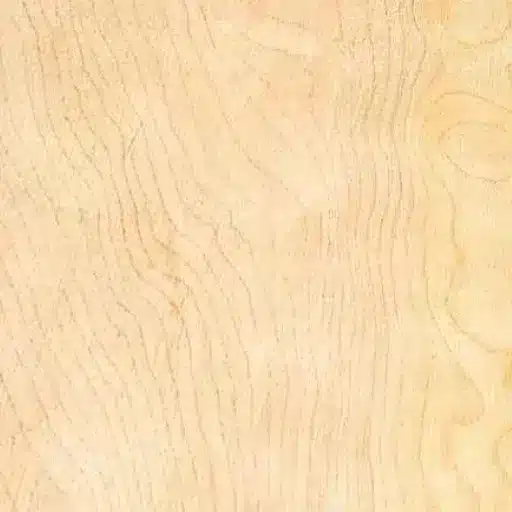
What Is Birch Wood? The Wood Behind Everyday Projects
Birch wood is one of those everyday hardwoods you run into constantly without really thinking about it. It’s the pale, even‑grained stuff behind half the cabinets and furniture in midrange homes, strong enough to take a beating but never flashy enough to demand center stage in a high‑end build.
Birch Basics: Species and Where It Grows
When you ask what is birch wood, you’re usually talking about one of three main species that show up in lumberyards and panel plants. Each grows in cold climates and shares that signature pale color and fine grain, but they behave a bit differently once you start cutting.
Yellow birch vs paper birch vs European silver
Yellow birch rules North America. It grows from the Maritimes to northern Georgia, thriving on well‑drained slopes where it hits 70–80 feet tall with trunks you can saw into clean 8/4 and 6/4 boards. The wood runs a touch harder and yellower than its cousins, which is why shops grab it for turnings, gunstocks, and anything needing a bit of toughness without paying maple prices.
Paper birch is the white‑barked icon you see in photos. Lighter in weight and color, it’s more common further north into Canada and Alaska. You don’t see it much as lumber—it’s prone to defects and softer overall—but it shows up in rustic projects or mixed plywood faces where that bright sapwood is the point.
European silver birch covers Scandinavia and Russia. This is the stuff behind Baltic birch plywood, prized for its tight, uniform veneers and minimal core voids. A typical silver birch log yields 28–32 thin plies that glue up flatter than almost anything else, which is why CNC routers love it. So depending on your supplier, “birch” could mean any of these three, each tuned for slightly different jobs in the shop.
Grain, Color, and Why It Looks That Way
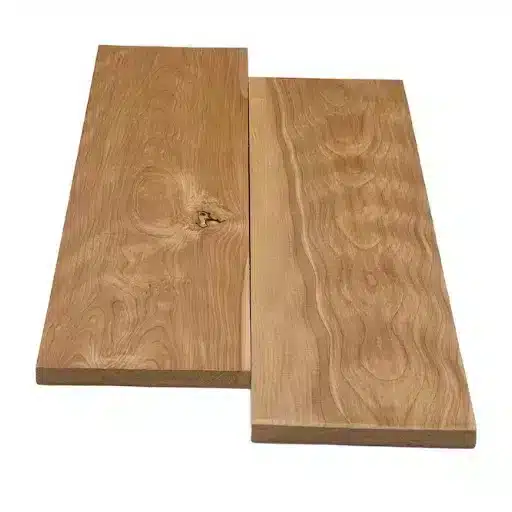
Birch grain is fine and even, almost like it was designed for clean router work and sharp edges. No wild cathedral arches or chunky medullary rays—just subtle chatoyance that shows up best when the light hits just right.
From fresh cut to finished piece
Straight out of the planer, birch reads pale cream to light yellow, sometimes with faint brownish streaks running through the sapwood. That’s normal for diffuse-porous hardwoods from cold climates; the cells are small and tight, so the color stays uniform instead of streaking like you’d see in ring-porous oak. Let it sit a few weeks in the shop, and it mellows a bit, losing that fresh-cut greenness while picking up a warm undertone you’d notice on edge-matched panels.
Finish it, and birch changes again. Oil brings out a soft glow that makes 4/4 drawer fronts look deeper than their actual thickness, while water-based poly keeps things bright and modern, almost Scandinavian. You can push it darker with toner if the client wants contrast, but the base color shift from raw to sealed is why birch fools people into thinking it’s maple half the time. A single coat of boiled linseed oil on yellow birch end grain will darken it two shades in 24 hours, which is handy to know before matching face frames to carcasses.
So when you’re asking what is birch wood under the surface, it’s this predictable transformer: starts neutral, takes direction from your finish choice, and rarely surprises you with wild color jumps or hidden defects. That consistency is half the reason shops reach for it when the design calls for calm, not drama.
How Hard Is Birch Wood, Really?
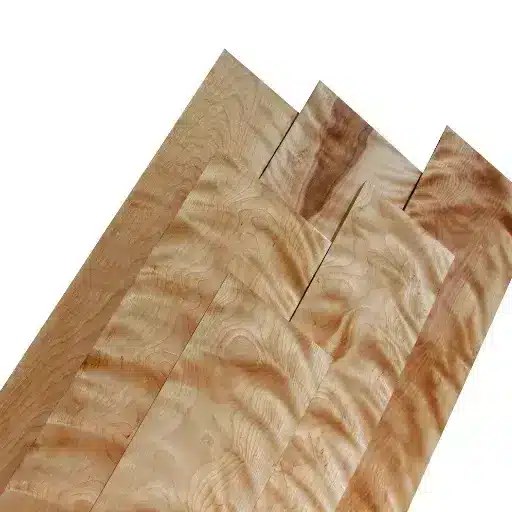
Birch sits comfortably in the medium-hard hardwood club—not punishing on your tools, not crumpling under everyday knocks. When you’re asking what is birch wood in practical terms, hardness and stability are where it earns its keep for most shops.
Janka numbers and what they mean in the shop
Yellow birch clocks in around 1,260 lbf on the Janka scale. That puts it stiffer than cherry or walnut, a hair behind hard maple. In the shop, it means 19 mm table legs take a beating from dragged chairs without turning into a dent festival, but you can still run 80-grit through it without smoking your sander. It’s the sweet spot where a kid slamming a toy car doesn’t leave a mark, yet your router bits stay sharp after 200 doors.
That number also tells you about fastener holding. An #8 screw driven into the edge of 18 mm birch ply grabs tight enough for heavy drawers, unlike softer species where you’re reaching for thread compound halfway through install. You’d notice the difference most on face frames—birch shrugs off errant hinges better than poplar, doesn’t split like pine.
Stability across seasons
Birch moves predictably with humidity. At 6–8% moisture content, a 24-inch panel might grow a sixteenth over a bad winter, but it won’t cup or twist like flatsawn oak. That matters for cabinets installed in homes without perfect HVAC—doors stay aligned, drawers don’t bind. Still, skip acclimation and you’ll chase gaps with shims.
Production shops love this. Baltic birch sheets stay flat through 37-degree swings because those thin, alternating veneers cancel each other’s expansion. Solid birch is no drama either—just seal the end grain and it’ll sit tighter than red oak through three seasons of porch storage. So for furniture that travels from climate-controlled shop to real-world dining room, birch gives you that “set it and forget it” reliability without exotic drying schedules.
Workability: Cutting, Gluing, Finishing Birch
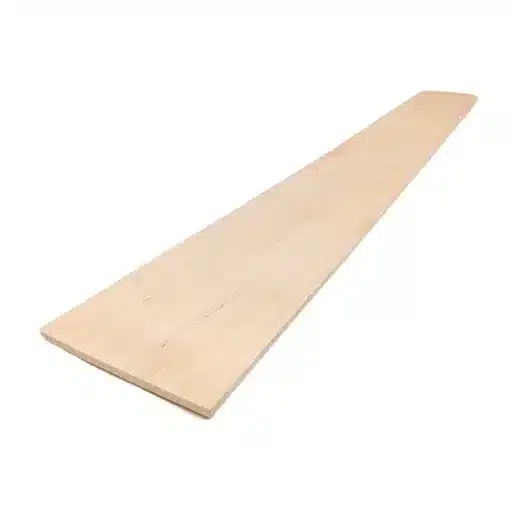
Birch machines like it was made for the shop. When you’re digging into what is birch wood, this is the part where it starts feeling like a favorite tool—predictable, forgiving, ready for whatever you throw at it.
Sawing and routing are effortless. It cuts clean with 60–80 tooth blades, leaving edges that barely need a light sanding before assembly. A 3‑flute upcut bit will chew through 12 mm Baltic birch all day without heat buildup or tearout, even on cross plies. You’d notice how it planes to glass with a sharp blade, no fuzzy spots unless you’re pushing dull iron.
Gluing holds like iron. PVA or Titebond grabs tight on end grain, and joints stay put through clamp pressure and dry time. Production runs of 24 drawer boxes? No slippage, no cleanup nightmares. That said, watch your clamps—birch’s density means it can dimple if you overdo it on soft faces.
Finishing is where birch shows personality. It sprays smooth, but blotches under water‑based stains without conditioner, so always test a scrap first. Oil finishes warm it up nicely, turning pale boards into something with quiet depth. Poly goes on even, building that durable sheen for cabinets without brush marks if you thin just a bit. So yeah, workability is why birch stays in rotation—handles the grunt work so you can focus on the build.
Common Birch Wood Uses
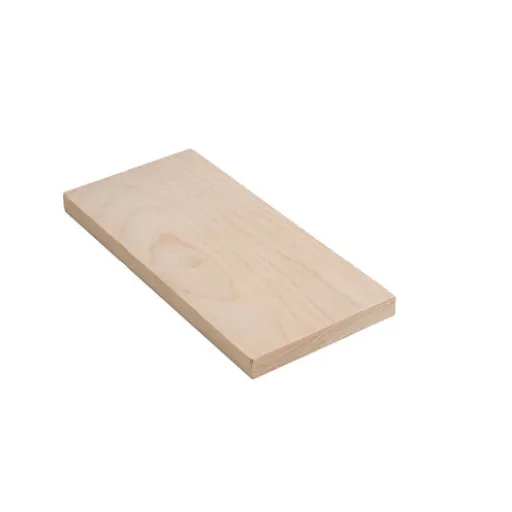
Birch fills the gaps where you need hardwood performance without hardwood drama. When you’re sorting out what is birch wood in real projects, it’s everywhere you don’t think to look—and wisely absent from a few high‑stress spots.
Where it’s hiding in your house right now
Kitchen cabinets are birch central. That painted shaker door taking vacuum bumps and kid fists? Birch frame and panel, maybe with birch ply behind it. The drawer boxes sliding smooth under 40 lbs of pots? Birch sides, 12 mm thick, edge‑banded and forgotten. You open the wrong drawer in 50 average homes and you’re staring at birch—solid or sheet—because it’s tough enough for daily life, cheap enough to spec by the truckload.
Furniture is another big zone. Bed frames, nightstands, dining chairs—all the “used hard, looks clean” stuff leans birch, especially painted or lightly stained. A typical midrange dresser has birch carcasses holding the weight while drawer fronts do the visual work. Kids’ rooms? Step stools, toy chests, loft bed rails—birch shrugs off gouges and crayons better than pine, paints up innocent without grain fighting back.
Plywood shows up everywhere else. Baltic birch builds shop jigs that last years, CNC parts that nest tight, and even hidden wall paneling in rentals. You’d notice it most in flat‑pack case goods or garage storage where 18 mm birch ply stays flat when lesser sheets warp. Turners grab it for bowls and mallets; cabinetmakers run 4/4 for face frames that route crisp.
But skip it for exposed outdoor decks or seating. No natural rot resistance means you’re refinishing twice a year or watching it fuzz and check. High‑end tabletops needing deep figure? Oak or walnut win. Extreme dents like bar stools in a pub? Maple’s harder hide. Birch shines where reliability trumps showiness—solid workhorse, not the show pony.
Birch vs the Usual Suspects
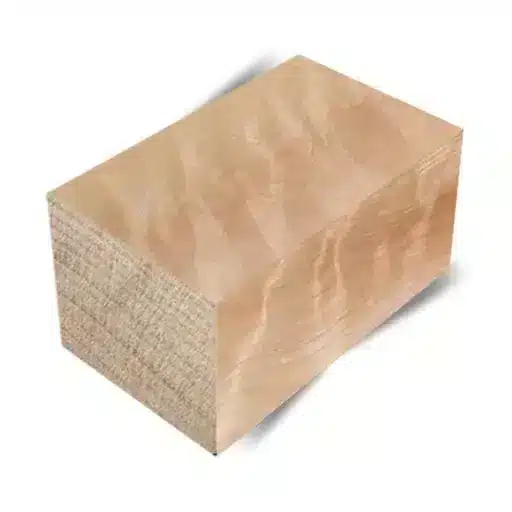
Birch holds its own against the shop regulars, but it’s not trying to be them. When you’re figuring out what is birch wood in a lineup, it’s the practical middleweight—tougher than pine or poplar, not as brutal as hickory, priced to run jobs without breaking the bank.
Maple’s the closest rival. Both are pale, fine‑grained, and paint‑grade friendly, but hard maple edges out at 1,450 lbf Janka. You’d notice maple wearing tools faster and resisting dents longer on counter stools, yet birch machines easier and costs 15–25% less per board foot for mid‑grade stock. Birch blotches more under stain, so maple wins if grain’s showing, but birch shrugs it off under heavy paint builds.
Oak goes a different direction entirely. Red oak’s prominent grain screams “feature wood” for floors and beams; birch whispers “background player” for carcasses and frames. Oak’s 1,290 lbf is close enough that both take abuse, but oak’s open pores drink finish like a sponge while birch sips evenly. That makes birch the calmer choice for modern kitchens where you want clean lines, not texture fighting the design.
Walnut? Different league. Dark, figured, expensive—walnut’s for statement tables where every board costs more than a week of birch. Birch mimics the smooth workability without the drama or dollars, perfect when the client wants “rich” on a budget. You can fake walnut tones on birch with dye and toner, but why bother when the real stuff’s out of reach?
So birch slots in where you need hardwood reliability without hardwood attitude. It’s not harder than maple or showier than oak. Still, that “good enough for most jobs” reliability keeps it stacked in yards everywhere.
Frequently Asked Questions (FAQ)
-
“Is birch wood a hardwood or softwood?”
Birch is definitely a hardwood. It comes from deciduous birch trees, not conifers, so expect tight grain and solid density around 1,260 lbf Janka hardness. Unlike pine or cedar softwoods that dent easily under a hammer, birch shrugs off chair legs scraping dining floors or tool drops in the shop. -
“What color is birch wood when finished?”
Raw birch starts pale cream with faint yellow or brown streaks. Oil or poly warms it to a soft honey tone; paint hides it completely for shaker cabinets. You’d notice end grain darkening fastest—hit a 4/4 board’s bottom edge with boiled linseed oil and it shifts two shades overnight while flats stay lighter. -
“How does birch wood compare to oak?”
Birch has finer, tighter grain that paints smoothly; oak’s open pores show texture even under finish. Both hit similar hardness (oak ~1,290 lbf), but birch machines cleaner for face frames, while oak stars on exposed floors or beams. Pick birch for modern kitchens, oak when grain’s the hero. -
“Can birch wood be used outdoors?”
Not really without heavy protection. No natural rot resistance means rain plus sun equals checking and fuzzing fast. A covered porch bench with sealed edges might last 2–3 seasons, but skip it for decks—cedar or pressure-treated pine won’t fail you like birch will after one wet winter. -
“What’s birch plywood good for?”
Shop jigs, cabinet carcasses, drawer boxes. 12–18 mm Baltic birch stays dead flat through humidity swings, nests perfectly on CNCs, and holds screws without blowout. That 700 mm vanity side you built? Birch ply behind the fancy face, quietly doing the structural work for years.
References
-
Wood Database. (2023). Paper Birch – Betula papyrifera: Properties and Durability. https://www.wood-database.com/paper-birch/
-
Ligna Wood Design. (2024). Birch Wood: Uses and Characteristics. https://lignawooddesign.com/blog/birch-wood/
-
UPM Plywood. (2023). Plywood Moisture Behaviour Is Similar to That of Wood. https://www.wisaplywood.com/articles/plywood/23/plywood-moisture-behaviour-is-similar-to-that-of-wood/