

The Complete Guide to Wood Veneer Manufacturing: From Log to Final Product
Suppose you appreciate the beauty of a furniture piece’s finish or the sophistication of its interior paneling. In that case, you are most likely seeing the results of wood veneer—layers of wood that are very thin, still, and presenting the same quality for both aesthetics and function. The process of making these thin layers, which are later used in many design applications and highly valued, has its own story from the tree trunk to the finished product. Here is the guide that takes you through the step-by-step discovery of wood veneer production. The careful selection of raw materials, intricate cutting, and finishing processes all contribute to the craftsmanship and technology that together produce high-quality veneer products. If you are a woodworking hobbyist or a professional looking for more technical information, your article will be an all-encompassing source of knowledge on the subject of wood veneer production, both as an art and science.
Overview of Wood Veneer Manufacturing
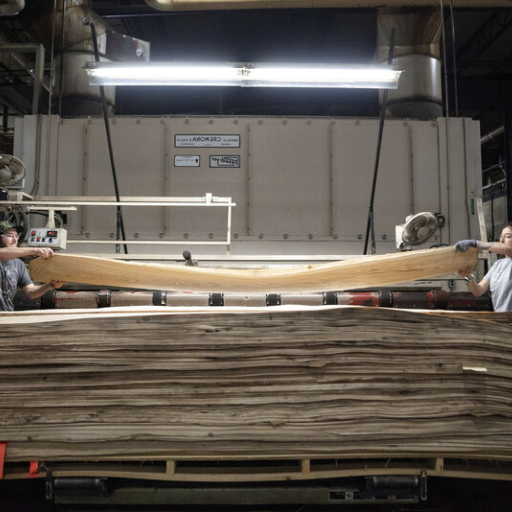
Manufacturing of wood veneer is the technique of transforming raw wood into thin sheets which are then used for either decorative or functional purposes. The process starts with selecting the highest-quality logs, which are then softened by steam or hot water to prepare for slicing. After that, the logs are cut into fragile sheets using methods such as rotary cutting, slicing, or sawing, depending on the desired grain pattern and application. The next step is to dry the veneer sheets to remove moisture, which in turn ensures the product’s durability and stability. The final steps are trimming, sorting, and sometimes pressing the sheets onto substrate materials to create finished veneer products. It is a process that combines both precision and artistry to deliver a product that is used for many purposes such as furniture making, cabinetry, and interior design.
Introduction to Veneer and Its Importance
Veneer is a highly valued material in the woodworking and design industries, primarily for its flexibility, environmental friendliness, and aesthetic appeal. This material, on the one hand, is the most elaborate and intricate part of the whole process, and, on the other, it saves wood resources and costs less than solid wood. The five detailed reasons below outline the significance of veneer:
1Efficient Use of Timber Resources
The process of veneers is such that they are made from slices of high-quality wood, and hence, a single log can be made to produce veneers that are quite a bit higher in volume than the solid wood. As a result, it is an environmentally responsive practice.
2Aesthetic Versatility
Veneers are a perfect choice for those looking to achieve a particular design aesthetic with furniture, cabinetry, and architectural applications since they are available in a vast variety of wood species, textures, and finishes.
3Sustainability
Veneers, which require less of the solid wood, also reduce the demand for raw timber and thus, conserve forests. Besides, the manufacturers usually recycle scraps and byproducts into veneers thereby, also contributing to less waste.
4Durability and Strength Enhancement
Veneer, when adhered to a base material, preserves the natural wood appearance and at the same time, the engineered materials provide the stability and toughness thus, it is less likely to warp or crack.
5Cost-Effectiveness
Veneer offers a luxurious appearance at a much lower price than solid wood. Its cost-effectiveness makes it a viable option for various applications without compromising on quality or sophistication.
These key characteristics make veneer a material of choice across industries, enabling the coexistence of beauty, functionality, and sustainability.
History of Wood Veneer Production
Veneer has been in use since ancient times, and its production has been traced to ancient Egypt around 3000 BCE. The use of veneer was among the earliest in the world. The Egyptians constructed furniture of great durability and coftly appearance by applying .thin sheets of precious wood like ebony to the surface of not very expensive materials. Early on, the technique was used to preserve the cultural presence of the highest-quality wood in the area, even as it was unavailable.
The method spread to Western Europe when the Renaissance began, as craftspeople tailored the technique to align with both functional and aesthetic goals. By the 17th and 18th centuries in France and England, the use of veneer became synonymous with luxury expressed in furniture design. Artists created complex marquetry patterns, applying veneers to luxurious-looking tables, cabinets, and wall coverings.
The industrial revolution in the 19th century was a turning point for veneer production, with many developments and innovations taking place. Mechanical devices were used instead of human workers for cutting the thin wood sheets, and this enabled the large-scale production of thin wood sheets of a specified size. The process of cutting logs to the required sizes in factories was also made less time-consuming and more cost-effective, making veneer a cheaper and more accessible material.
Modern technology remains the primary driver of the veneer industry. The use of rotary-cutting, slicing, and laser cutting among others, permits the manufacturers to produce veneers in extremely diverse thicknesses and configurations. The increased use of veneer, especially in furniture, interior design, and automotive industries, is driven by the global trend toward natural and sustainable materials. In the year 2022 the global wood veneer market size was around $13.6 billion and its growth was expected to follow a compound annual growth rate (CAGR) of 6.2% during the period from 2023 to 2030 according to the industry forecasts.
Not only that, but the tree cutting practices that are eco-friendly and such as managing forests sustainably and minimizing waste, have put the veneer into the category of environmentally friendly alternatives to solid wood products. The centuries-long evolutionary and technology-driven partnership between wood veneers and furniture makers has been underscored by their continued relevance and versatility across eras.
Current Market Trends in Veneer Manufacturing
The veneer making sector is going through a massive technological and regulatory change that is coupled with new consumer trends. The most prominent change is the large-scale application of automated systems and digital technologies in the manufacturing operations. CNC (Computer Numerical Control) machines, together with laser cutting, are eliminating inefficiencies that wood-panel manufacturers previously faced, enabling high productivity and low-waste wood-panel manufacturing.
Moreover, the industry is turning more eco-friendly with an increased demand for sustainable products from the consumers. This has led companies to adopt eco-friendly practices, such as sourcing wood from certified forests that are responsibly managed. The 2023 report by MarketsandMarkets indicates that the demand for engineered wood products, including veneers, is going to be $61.4 billion by 2030 and the factors that will contribute to the increased demand are green construction projects and eco-friendly architectural designs.
The next major trend in the market is customization. End-users, especially from the furniture and interior designing industries, are looking for custom-made veneer products that suit their particular requirements. Additionally, the areas of wood pretreatment, printing, and staining have evolved, enabling manufacturers to meet both traditional and contemporary aesthetic demands with a wider range of finishes, textures, and colors.
Finally, the Asia-Pacific region has shown phenomenal growth in mercury production, driven primarily by extensive construction activity and increasing demand for furniture. China and India are primary players in this growth, with urbanization driving veneer consumption. In contrast, North America and Europe target high-quality, premium-grade veneers, reflecting consumers’ preference for more durable, better-looking products.
These trends have a cumulative effect of giving the veneer manufacturing sector a dynamic and innovative position with huge potential for growth in the future, and thus the industry is quite likely to be among the major contributors to the global economy.
Selection of Logs for Veneer Production
The choice of logs is a critical step in veneer production, as log quality directly influences the product. Logs for veneer are generally selected for their species, size, straightness, and overall quality. The very good types’ like oak, maple, walnut, and mahogany are usually the amazing ones for veneer due to their visual quality, rich grain patterns, and strength.
According to recent industry data, demand for wood from sustainable, certified sources has increased significantly. A 2023 report says that around 40% of veneer manufacturers are seeking logs from eco-friendly, sustainably managed forests due to consumer demand for green products. The logs certified by the Forest Stewardship Council (FSC) have become the primary standard to comply with environmental rules and to practice sustainability.
Logs intended for veneer are usually judged by their diameter and are free of heavily filled knots, cracks, or rotten parts. Studies have shown that an ideal log diameter for veneer production is 16 to 24 inches, large enough for convenient cutting or peeling. Big logs usually offer a combination of good quality and high quantity, which makes them more attractive to the producers.
Additionally, log scanning and grading technologies have significantly impacted the selection process. The use of 3D laser scanning technology enables manufacturers to identify internal flaws or irregularities in logs before cutting, reducing waste and maximizing veneer output. These instruments are increasingly essential for predicting the usability and value of raw logs at the point of selection.
The combination of traditional selection criteria and cutting-edge technology not only ensures the industry maximizes resources but also meets the growing demand for high-quality veneer.
Best Types of Wood for Veneer
The various species of wood that are known for veneer production always speak of their luxury appeal, workability, and life span. We will start by listing the best wood veneer options, including their characteristics and popularity.
1. Oak
Among all woods, oak is the most frequently used for veneer production. It is strong and beautiful, with its intricate grain patterns. The main types are white oak and red oak with each having their specific shades and textures. The wood is not only widely distributed but also very durable so that it can be easily used for furniture, cabinetry, and flooring veneers.
2. Maple
Maple, tough maple, provides a very smooth and light-colored surface which is ideal for modern letting sleek finishing. The very fine grain of the wood helps with dyeing or can be left in its natural state. Maple veneer is prevalent in both domestic and commercial applications, particularly for cabinets and interior wall panels.
3. Walnut
Walnut veneer is renowned for its sophisticated, dark colors and beautiful grain patterns; therefore, it is highly sought after for luxury furniture and decorative items. The wood’s durability and its ability to retain fine details make it the designers’ choice. Walnut veneer is also widely used in luxury cars and corporate interiors.
4. Cherry
The subtlety of cherry veneer, with its reddish-brown tint, is one reason it is highly esteemed among other woods; however, this color deepens and mellows with time. It is frequently the choice for elegant and the best furniture as well as in cabinetry. The fine texture of cherry can also be a great pick for exuding elegance and sophistication with veneers.
5. Birch
Birch veneer is excellent for its price and adaptability. Its smooth grain and pale color make birch a perfect choice for both decorative and functional applications. Its being economical and its pleasant as well as the extensive application in the construction of plywood and the design of interiors are the places where it can be commonly found.
6. Teak
Teak veneer is related to resilience and moisture resistance which allows it to be used for the making of outdoor furniture or anywhere for that matter where there is high humidity. The material is golden-brown and features a unique grain pattern that gives it a luxurious feel. Moreover, the woodwork intended for marine and other high-quality products remains the most popular.
7. Mahogany
Mahogany veneer quite clearly reveals its deep reddish-brown color and is straight-grained offering a classic and timeless look. It is the wood used to make high-end furniture, wall coverings, and musical instruments. Its combination of durability and ease of workability keeps mahogany among the most in-demand veneer types worldwide.
Global Trends and Data
According to recent industry reports, the global veneer market has been experiencing consistent sales growth driven by rising demand in the furniture and construction sectors. Oak and walnut together hold almost 40% of the market share owing to their high quality and extensive use. Besides this, the development of wood processing technology and sustainability practices is also say to be helping in the pushing engineered veneers, especially that of birch and maple as they are both readily available and eco-friendly.
Each wood species has its distinctiveness and combining that with market trends can help furniture makers and designers choose the right veneers for their projects in an environmentally friendly and high-quality manner.
Factors Influencing Log Selection
Veneer production entails the selection of logs based on multiple important factors which are provision for optimal quality, efficiency, and sustainability. The following are the five main factors that log selection is dependent upon:
Species of the Tree
The veneer’s characteristics regarding aesthetics, texture and performance are dictated by the tree species. For example, the grains of the oak, walnut, and cherry species are the reasons why these are the most preferred types of woods along with quality and durability.
Log Diameter and Straightness
Logs that are bigger and straighter are the ones to be chosen because they have the potentials to produce high-quality veneers with defects being less. On the contrary, irregularly shaped or knotty logs might end up as waste or require additional processing.
Growth Conditions
Trees grown in optimal environmental conditions produce logs with the best grain patterns and consistency. Soil type, climate, and growth rate are the factors that mainly affect the quality of nature.
Defects and Knots
Logs are checked for natural defects such as cracks, knots, or discoloration. High-quality logs with very few defects will, in turn, improve the veneer’s appearance and functionality.
Sustainability and Certification
Logs from eco-friendly forests are becoming the first choice of the manufacturers. Among certifications that guarantee ethical sourcing and support eco-friendly practices, FSC (Forest Stewardship Council) certification is among the best-known.
When the above-mentioned factors are carefully considered, log selection can be made to be compatible with both the desired project outcome and the environmental and quality standards.
Latest Techniques in Log Sourcing
Technological advancements have played a major role in the evolution of log sourcing, thereby making it more efficient, sustainable, and traceable. The following are some techniques that have recently started to be implemented in the industry:
Satellite Imaging and Drone Technology
The forestry industry now uses satellite imagery and drones to monitor forest areas. This technology is allowing loggers to see the areas where most trees are ready for cutting and also do a health check of the forest. With drone imagery, one has the advantage of observing in real time; this way, the use of the previous manual surveying methods that sometimes took a long time is reduced. According to reports, the global drone market for forestry is projected to grow from 2023 to 2028 at a compound annual growth rate of 24.1%, indicating increasing adoption.
LiDAR (Light Detection and Ranging) Mapping
3D models of forest landscapes can now be created by loggers using LiDAR technology. This tool examines the density, height, and distribution of trees and thus assists in the making of decisions for sustainable harvesting through better planning. There was a research study conducted by the International Union of Forest Research Organizations which showed that using LiDAR applications can lead to an 18% reduction in waste during the log selection process.
RFID Tracking for Enhanced Traceability
Individual logs are being tracked from the forest to the final processing using Radio Frequency Identification (RFID) tags. It allows for traceability and at the same time shrinks the risk of logging that is not permissible. The logs with the RFID tags get scanned and then they get a link to the databases that have information on their origin, thus aiding in the creation of a transparent wood supply chain. More than 60% of certified timber producers in Europe have implemented RFID to improve logistics management.
Artificial Intelligence and Big Data
Data-driven approaches are rapidly changing the way we log. AI algorithms analyze historical data on forest yields, market demand, and climatic conditions to develop optimal sourcing plans. For example, the AI modeling predicts the best harvesting times and on an average, it is able to reduce the waste and maximize the resource utilization by 22%, as per the recent industry studies.
Sustainable Forest Certification and Blockchain Integration
The certification programs like FSC and PEFC (Programme for the Endorsement of Forest Certification) are being supplemented with blockchain technology. Every movement of the log is documented on the blockchain, making the timber sourcing process transparent and more credible to clients who prioritize sustainable timber. The World Economic Forum’s report states that blockchain adoption in forestry can reduce certification fraud by, in some cases, almost 30%.
These breakthroughs not only enable more efficient, precise sourcing but also give the industry the right to be perceived as an ally in global environmental and sustainability challenges. The industry, therefore, by strengthening these technologies, can not only increase supply but also maintain a premium on accountability, conserving natural resources for future generations.
Processing Methods for Wood Veneers
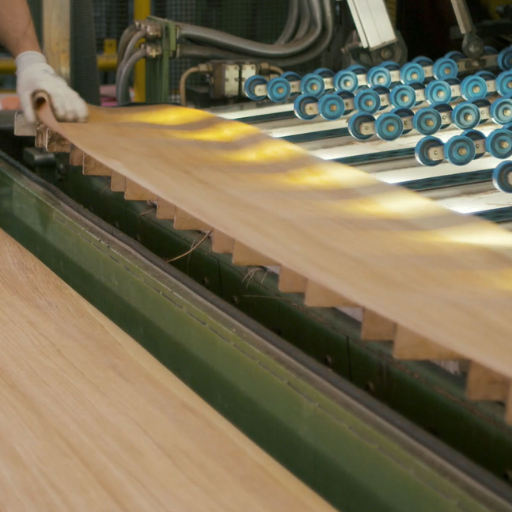
The processing of wood veneers has several exacting and accurate methods that take care of the sheets of high quality to be used for decorative purposes and construction. The main methods are rotary cutting, slicing, and sawing, each offering distinct advantages depending on the application.
Rotary Cutting
The technique consists of turning a log against a stationary blade, which removes a continuous veneer strip. Rotary cutting is applied on a wide scale for the production of wide sheets of veneer and it is particularly cost-effective too. Data indicate that approximately 70% of veneer used in plywood production is produced by rotary cutting due to its efficiency and ability to extract the maximum yield from the log.
Slicing
Slicing is done when a blade goes through a log or square timber block cutting it into sheets of various thicknesses. The methods of slicing are flat slicing, quarter slicing, and rift slicing, with each producing a different pattern, like cathedral and straight grains, until the end. The high-end furniture industry is strongly inclined toward this process, as it enables designers to create wonderful, unique, and sellable designs.
Sawing
On the other hand, sawing though less popular due to the high waste it generates in comparison to other methods does offer very thick wood veneers of and quality. This process is particularly suitable for rare or expensive woods, as it minimally alters their texture and preserves their beauty.
New technologies indeed have been applied to all these processing methods and they are, for instance, laser cutting and computerized precision controls that have brought higher standards of accuracy and less material wastage. According to a 2023 report from MarketsandMarkets, the global veneer market, driven by demand for eco-friendly, premium-quality wood products, is projected to grow at a 5.1% CAGR through 2028. The manufacturers’ adoption of such innovative techniques not only helps them to fulfill the demand efficiently but also to remain environmentally friendly in their wood sourcing and production processes.
Rotary Cutting Techniques
Rotary cutting is a widely used method of veneer production, recognized for its efficiency and ability to deliver high-quality sheets. To put it simply, this method consists of the log rotating steadily against a knife, thereby peeling the veneer layers in a continuous motion. The technique’s ability to produce large sheets provides the added benefit of maximizing wood utilization and consequently reducing waste. The following are the five primary rotary cutting methods widely practiced in the industry:
Conventional Rotary Cutting
This simple technique rotates the log about its geometric center, producing veneer sheets of uniform thickness. The method is primarily used for softwood species and yields high-volume output.
Centroid Rotary Cutting
This process involves positioning the log at its densest point, thereby minimizing defects in the veneer produced. The technique favors colorful sheets with fewer defects and less unevenness.
Quarter-Rotary Cutting
The log in this method is first cut into quarters and then each quarter is rotated for peeling. Quarter-rotary cutting imparts the character of the logs to the veneers, making them suitable for many decorative applications.
Stay-Log Rotary Cutting
In this method, the log is positioned at an angle that not only improves the grain quality but also gives a more unique look. It is the primary method for producing high-quality veneers that are premium- or luxury-priced.
Multi-Knife Rotary Cutting
The use of the knives in sequence creates this method that drastically improves the process of veneer production by its very nature. It is a method suited to operations that require high throughput while maintaining good control over the quality of produced sheets.
The methods mentioned above are not just a boost for the production efficiency but they also make the diversity of veneers possible that can be personalized according to the different customer needs.
Slicing Methods for Veneer Made
Slicing methods are critical in veneer production, as they determine the final appearance, quality, and usability of the sheets. Here are some of the most current and additional details about the slicing methods that are routinely used:
Flat Slicing (Plain Slicing)
One of the most basic slicing processes is flat slicing. In this process, the log is placed on its side, and a blade cuts through it in the same direction as a horizontal plane. The flat slicing method produces veneers that have the same looking wide opened cathedral grain pattern and are most commonly used for making furniture and paneling where this pattern is desired. Recent industry data indicate that flat slicing accounts for approximately 60% of total veneer production due to its simplicity and adaptability to various wood species.
Quarter Slicing
Quarter slicing is a method where the log is first cut into quarters and then the wood is sliced perpendicularly to the yearly rings of growth. With this approach, a very straight grain pattern is developed and at the same time the curves found in the wood are eliminated, hence it is suitable for wood applications where only the best quality is required, e.g. fine cabinetry and luxury interiors. Modern machines with highly accurate angle settings have increased the consistency and quality of quarter-sliced veneers even further.
Rotary Slicing
The rotary slicing method rotates the log against a fixed blade, peeling off the veneer in a continuous sheet, much like rolling paper off a roll. This slicing method makes the best use of the log, yielding up to 90% recovery per log; thus, it is very efficient. On the other hand, the grain pattern is not so well defined which is a disadvantage in aesthetic applications but is acceptable in structural applications.
Rift Slicing
This technique is mainly for oak veneers where the log is cut with an angle to the growth rings so that a constant straight grain is obtained and the “fleck” pattern characteristic of oak is avoided. This demanding technique is widely used in architecture and design, particularly in modern aesthetics, where simplicity is the primary characteristic.
Half-Round Slicing
This method combines flat and rotary slicing. The log is sliced along a slightly curved path, resulting in a figure that combines the richness of nature with the uniqueness of its texture. Half-round slices are not very common but they are becoming increasingly popular for the production of decorative fixtures with high visual and aesthetic impact through their unique veneers as well.
Recent Innovations and Market Trends
The development of high-tech cutting machines and automation has dramatically increased the efficiency of the veneer production process. One of the most significant advantages of using laser-guided slicers is that they cut logs to an exact size, reducing waste to as little as 15%. Apart from that, the sector is moving towards eco-friendly practices by using fast-growing trees and scrap logs to meet environmental standards.
This cutting technique, which involves the use of lasers, combined with technology creates the opportunity for the manufacturers to satisfy a lot of different customers and at the same time, minimize the waste of the logs, which is really important for the industry’s economic and ecological sustainability.
Drying and Conditioning of Veneers
Drying and conditioning are crucial steps in the green veneer manufacturing process, which guarantees maximum durability and functionality for a long time. The drying procedure typically uses advanced methods, such as kiln or belt dryers, that uniformly remove moisture from the veneers through controlled heat and air circulation. The moisture content of the veneers is typically adjusted to 6%-12% based on the selected purpose and location.
Modern drying technologies have not only made the process more efficient but also environmentally friendly. To illustrate, energy-efficient dryers can recover and recycle heat, reducing overall energy consumption by 30%. Moreover, sensor-based monitoring systems enable precise control of temperature and humidity, thereby minimizing defects such as warping, cracking, or over-drying.
After drying, the conditioning phase begins, during which the veneers are either steamed or exposed to controlled humidity to relieve internal stresses and restore elasticity. This step is crucial for improving veneer flexibility, particularly for applications requiring further processing like bending or laminating and thus case-by-case considering.
Industry reports indicate that rationalizing the drying and conditioning process not only reduces costs but also improves manufacturing efficiency. Studies show that the right moisture regulation in these stages could result in approximately 20% increase in the yield of veneer, which would be a dual advantage of economic benefits along with the sustainable utilization of raw materials.
Types of Wood Veneer
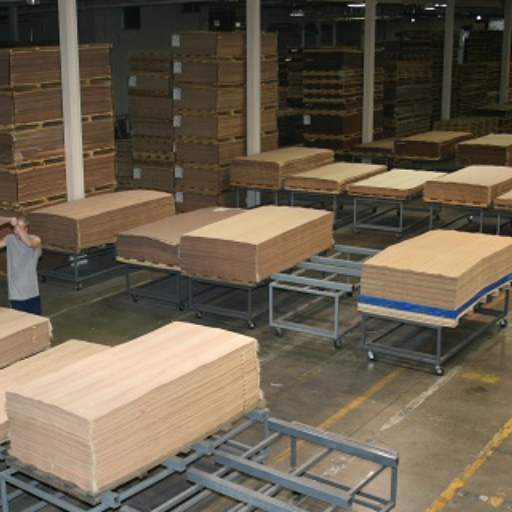
Wood veneers are divided into different types, and each type has its own unique characteristics, aesthetics, and applications which depend on wood species and processing method. Some of the most common veneers are as follows:
Natural Veneer
The natural veneer is cut off or peeled off logs keeping the original wood’s grain and texture. Some of the most popular examples are oak, walnut, birch, maple, and cherry. Their authenticity makes these veneers perfect for use in furniture, paneling, and other decorative applications.
Market Insights: Due to its ability to showcase premium wood aesthetics, natural veneer remains prevalent in the luxury furniture market. The demand for sustainable and decorative materials is the main reason behind the expected further rise of the global wood veneer market, which is currently valued at over $36 billion (2023).
Engineered Veneer (Recon Veneer)
Manufacturers use fast-growing, sustainable wood species to produce engineered veneers, which are then dyed, compressed, and resliced into consistent patterns that can be customized. This type is favored for modern furniture and cabinetry for achieving uniform designs.
Advantages: These veneers are more cost-effective and better for the environment, while still delivering consistent grain patterns and color.
Rotary-Cut Veneer
Rotary-cut veneers are produced by peeling a log in a circle, enabling long-lasting sheets. Such veneers are mainly used for lower-grade applications or as structural plywood, since their looks are comparatively less ornamental.
Application Areas: Mostly in panel construction and industrial-grade furniture.
Quarter-Sawn Veneer
The quarter-sawn veneer process entails cutting the wood at a right angle to its growth rings, thereby producing a straight, uniform grain pattern. This wood is henceforth regarded as the most precious for classic furniture and architectural woodwork.
Key Features: Quarter-sawn veneers offer greater stability and are less susceptible to warping; therefore, they are well-suited for luxury and long-lasting applications.
Fleece-Backed Veneer
This type of veneer is bonded to fleece or paper for added strength and flexibility and is therefore widely used on curved surfaces and in complex designs. They simplify handling and prevent cracking during application.
Exotic Veneer
The rare or foreign wood species such as ebony, rosewood, or teak are the sources of exotic veneers, and they are the ones that have the appearance of being crushingly luxurious and want to be the best of the best.
Statistics: Demand for exotic veneers is increasing in premium home interiors, a niche market segment growing at 5% annually.
Burl Veneer
Burl veneers are taken from the parts of trees that have grown abnormally, and they display very active and intricate grain patterns. Often, these are the source of luxury furniture design and fine woodworking.
Rarity: Burl veneers are among the most expensive woods due to their distinctive beauty and limited availability.
Trends and Sustainability
Modern lifestyles prefer veneers engineered from timber harvested from sustainably managed forests, as well as natural veneers that are eco-friendly. The certifications like FSC (Forest Stewardship Council) and PEFC (Program for the Endorsement of Forest Certification) are getting more and more important as the suppliers, and the consumers all get more and more environmentally conscious about the sources of their materials.
Different Types of Veneer Explained
Veneers are thin wooden sheets or similar materials that are usually applied to furniture, walls, and floors to increase their beauty. Below listed are the main types of veneers with their main features, uses, and benefits:
1. Natural Wood Veneer
Natural wood veneers are made by cutting tree trunks into thin sheets, thus showing off the purity of the wood grain. The original timber retains the color and texture differences as well as the veneers.
Key Features:
- Individually and rightly looking.
- Found in many kinds of wood such as oak, walnut, maple, and cherry.
- Proper finishing and care are necessary for the long life.
Uses:
Top quality furniture, decorative cabinetry, and surfaces.
Market Insights: Natural veneers still keep the first place in the premium category thanks to their quality, and one of the latest trends is the nature-friendly sourcing. The demand for FSC and PEFC certifications is increasingly common.
2. Engineered Veneer
Also known as reconstituted or composite veneer, engineered veneer is created by combining wood fibers and reconstituting them to achieve a uniform appearance, thereby imitating the natural wood look.
Key Features:
- Uniform pattern in grain and color.
- Usually cheaper and easier to obtain than very expensive natural veneers.
- Often made from wood that is grown on plantations which is a reason for being eco-friendly.
Uses:
Big commercial projects and furniture that is not pricey but still nice.
Market Insights: The engineered veneer industry is expected to experience steady albeit slow growth, the reason being the demand for both affordability and eco-friendly products. A report says that the global engineered wood market would be worth about USD 484.3 billion in 2028 with a CAGR of 6.2% from 2021.
3. Laminate Veneer
Laminate veneers consist of layers of paper or plastic resin being attached to each other which results in a surface that is very strong and resembles that of wood or that of other materials.
Key Features:
- Wear, moisture, and stain resistant.
- A wide variety of colors and designs is available.
- Maintenance is less compared to natural veneers.
Uses:
In kitchens, offices, and places with heavy use where the population is not sparse and they are less likely to get dirty or spoiled.
Market Insights: Due to their low cost and ease of application, laminates are increasingly common in the DIY market. Data indicate an increase in the use of laminates for modular furniture, particularly in urban households.
4. Raw Veneer
Raw veneer is unprocessed and has no backing. This enables adaptation to the project’s specifications.
Key Features:
It can be glued and then polished or given a veneer finish. Can be tooled for complex designs.
Uses:
Bespoke furniture and artistic woodworking.
5. Paper-Backed Veneer
This type of veneer is glued to a paper base which not only makes it more flexible but also easier to handle in curved areas.
Key Features:
Very flexible but still strong. Numerous wood species are there.
Uses:
Ideal for complexly shaped projects such as rounded furniture.
6. Metal Veneer
Metal veneers are extremely thin sheets of metals, e.g. aluminum or stainless steel, applied for a classy and trendy look.
Key Features:
A non-wood option that fits perfectly in contemporary designs. Has high resistance to rust and is exceptionally durable.
Uses:
Furniture for offices, kitchens, and buildings designed with the latest trends.
7. Stone Veneer
Thin stone sheets are sliced and then glued to form stone veneers, which can be easily lifted because they are not made of natural stone.
Key Features:
Heavy but not as heavy as stones, gives the rugged, natural look of stone. Available in several finishes such as honed or polished.
Uses:
Walls, counters, and decorative elements.
Final Thoughts
Awareness of the different kinds of veneers is very important when one has to choose the one suitable for the application. Today’s industrial and consumer trends are geared toward the direction of sustainability, precision-engineered choices, and materials with versatility in aesthetics. When combined with functionality and modern designs, veneers still continue to be the essential part of the interior design and furniture industries.
Matching Veneers to Applications
Properly knowing and understanding the different veneers and their specific applications can lead to the best results. Hence, below is a comprehensive list of five frequent applications and the types of veneers that can work best for those applications:
Furniture
Natural wood and reconstituted wood veneers are among the most popular types of veneers used for furniture-making. They guarantee a high-quality finish, and durability which makes them good for tabletops, cabinets, and seating.
Wall Paneling
The engineered veneers are the best for wall paneling because of their pattern uniformity and easy application. They not only give a classic modern look but also bring durability to the interior and thereby, add aesthetic value to the outfit.
Flooring
The flooring application is done with multi-layer or reinforced veneers. These types offer high resistance to deterioration while still allowing the natural wood aspects such as textures and colors to be seen.
Cabinetry
Laminated and paper-backed veneers are ideal for cabinetry projects. Their adaptability coupled with a variety of designs makes them the top choice for kitchen and bathroom cabinets.
Architectural Designs
Rare wood sourced exotic veneers are often picked for architectural applications and woodworking accessories because of their unparalleled graining and opulent look.
The various types of veneers are all significant in their own way when it comes to the functionality and the visual impact of the application. Hence this shows the versatility of veneers in design and construction.
Unique Characteristics of Various Wood Types
Sustainability Practices in Wood Veneer Production
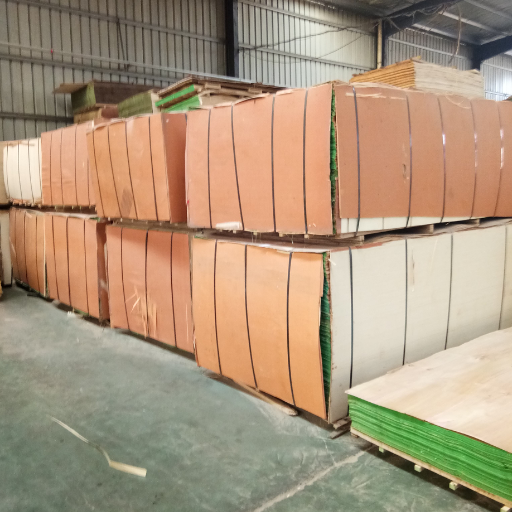
The production of sustainable wood veneer is an activity that ensures the conservation of natural resources and the continuation of the forestry sector. There are five major methods that have been incorporated in wood veneer processing to enhance the sustainability of the industry:
Responsible Sourcing
Sustainably managed forests that have obtained the certification of the Forest Stewardship Council (FSC) or the Program for the Endorsement of Forest Certification (PEFC) are usual sources of wood veneers. These programs make sure that trees are cut down in an environmentally friendly manner, leading to the support of biodiversity and the regrowth of forests.
Data: FSC-certified forests have a 10-15% lower environmental impact during management compared to non-certified forests.
Efficient Utilization of Logs
The use of every log is maximized by the manufacturers who reduce waste with the help of cutting techniques and veneer yield optimization. Besides, the leftover wood, which is considered as waste, is often turned into other products like biomass energy or paper.
Data: Modern technology allows the efficient utilization of up to 90% of the log in veneer production.
Use of Low-Impact Manufacturing Processes
One of the main factors of sustainable production is the coming in of energy-efficient machinery and the cutting down of water usage. Moreover, a lot of factories are investing in renewable energy, such as solar or wind power, to further reduce their carbon footprint.
Data: The use of environmentally friendly practices in manufacturing has led to an approximately 20% reduction of emissions in the industry over the last decade.
Recycling and Reusing Resources
The recycling or repurposing of the scraps from veneer production is a common practice, which guarantees every piece of wood is a contributor to the product lifecycle. This practice is a solution to the need for fresh timber for direct use.
Data: Recycling at some production facilities has been one of the reasons for the decrease in wood waste by 30-40%.
Support for Reforestation Initiatives
Countless veneer producers are financially backing reforestation programs, which involve planting of trees to replace the cleared ones and helping in the restoration of ecosystems that have been degraded.
Data: Certain companies are engaged in the activity of planting 3-5 trees for each tree cut down, which helps in the creation of a net positive impact on forest cover in the long run.
Through the application of these sustainable practices, the wood veneer industry continues to try and take care of the earth at the same time as cutting the demand for high-quality, responsibly produced materials.
Environmental Impact of Veneer Manufacturing
The process of veneer manufacturing has numerous environmental impacts, both good and bad. In order to thoroughly analyze these impacts it is necessary to concentrate on certain areas and where applicable present relevant data. Five main environmental impacts that are connected with veneer manufacturing are listed below:
Energy Consumption
Data: The energy consumed during veneer production is usually less than the energy consumed during the production of alternative materials such as solid wood or synthetic products, and some studies even mention energy use reduction of up to 30%-50%.
Waste Generation
Data: The manufacturing process produces by-products like wood shavings and sawdust, but up to 80%-90% of the waste can be used for energy production, or as a raw material for the production of other products like particleboard, thus it can be said that this waste is not wasted at all.
Carbon Footprint
Data: Veneer production carries a relatively low carbon footprint. For every cubic meter of veneer processed, there is about 1 ton of carbon stored in the material, which assists in reducing emissions.
Water Usage
Data: Water is necessary for steaming and softening logs, but many modern facilities manage to recycle water, thus they are consuming 60%-70% less than before.
Pollution Control
Data: The most advanced facilities use filtration and emission-control systems to completely eliminate air and water pollution. Some industries report that the implementation of cleaner technologies has resulted in a 40%-50% reduction of volatile organic compound emissions.
Veneer manufacturers are working towards the goal of keeping the balance between industrial efficiency and environmental responsibility by recognizing the impacts and constantly improving their processes.
Eco-Friendly Sourcing and Processing
Eco-friendly sourcing and processing are the cornerstones of our sustainability commitment. We give preference to wood coming from forests that are managed responsibly and that meet certification standards such as FSC or PEFC, among others. Our adoption of energy-efficient technologies coupled with waste minimization across the entire production process guarantees a smaller environmental footprint and the maintenance of high output quality at the same time. It is our main effort to draw the line at the industrial demand and environmental preservation while rendering both the industry and the earth a favorable impact.
Future Directions for Sustainable Practices
In an earnest commitment to our sustainability goal, we have aligned our innovations and solutions with the latest global trends and the different areas that are already available or underlooking them. One of the main directions is to enlarge the renewable energy sources network. New estimates reveal that the consumption of renewable energy will increase by at least 8% each year during the next ten years, and the main triggers will be the solar and wind technology improvements. As a result, the complete phase-out of fossil fuels will further lead to a considerable decrease in carbon dioxide gas emissions.
The circular economy model is another focus area. It is said that more than 90% of the raw materials taken from the Earth are nullified and only about 9% get back to the economy. And there are two ways to accomplish this: one is getting into recycling and making waste and the planet’s resources and the other is that products are designed for dissipation. Recovered materials are making things easy because they are allowing manufacturing to use less and to take less from the earth since production using virgin resources is no longer needed.
Moreover, CCS technology is open for business in solving climate change. Carbon capture and storage (CCS) can be one of the main components of reducing greenhouse gas pollution. The latest research claims that CCS will be able to sequester 1.5 billion tons of CO2 per year by 2030 if it is implemented universally. We are interested in forming alliances that will allow us to embed CCS into our manufacturing practices to achieve considerable carbon ventilation.
Digitalization is a must to track and lessen eco-unfriendly practices. The Internet of Things and AI have enabled the analysis of live data in terms of usage and environmental impact, which means that less energy is being consumed, less vapors are being puffed into the air, and more resources are being allocated. For example, AI can help a manufacturing company reduce its energy consumption by as much as 20%, a fact supported by various global case studies.
Renewable energy, circular economy technology, and AI-driven methods for identifying and mitigating our environmental impacts will be the key drivers of our decision to go green.
References
- •
Purdue University Extension: FNR-240 Manufacturing Fine Hardwood Face Veneers – A detailed publication on veneer manufacturing processes and market considerations. - •
ScienceDirect: Wood Veneer Overview – An academic resource discussing rotary peeling and material yield in veneer production. - •
U.S. Government Publishing Office: Wood and Log Characteristics Affecting Veneer Production – A study on wood species suitability and characteristics for veneer production.
Frequently Asked Questions (FAQ)
What are the steps taken during the entire process from a log to a veneer sheet?
The entire process starts with the precise cutting of the right log—picking the finest logs, which are usually from hardwoods or temperate/tropical wood species like oak, cutting the log prepared by either sawing or lathe peeling to make wood thin slices. The use of the rotary peel method (the log is rotated and the lathe peels off thin slices of wood) produces veneer sheets; slicing methods yield pieces with unique grain patterns and annual rings. The raw wood veneer gets conditioned to the specified moisture and humidity, is trimmed to quality standards, graded, and then glued to a substrate or left as a sheet of veneer for decorative purposes. Finally, packaging and handling take place to maintain authenticity and to avoid discoloration.
How do I choose the appropriate wood species and veneer quality?
The decision of which wood type to use depends on the purpose for which the wood will be used—architectural woodwork and cabinets might select hard and durable woods like oak that come in different shades and patterns as well. Take into account heartwood vs sapwood, growth rings, uniform grain, and whether you need rift or flat-sawn grain matching. High-grade veneers are assessed for color, defects, and thickness; buy top-grade sheets of wood that have the least wastage for efficient production. The knowledge of wood veneers will enable you to pick species that will not change under the expected humidity and will not cause movement or warping.
Which glue and adhesives are frequently used for veneers and panels?
Veneering is usually done by PVA, urea-formaldehyde, phenolic, or moisture-curing adhesives depending on the application of the latter. For structural panels and joinery stronger adhesives like phenolic or formaldehyde-based products are often used to withstand the demands of durability and structurally necessary. The glueing style and pressure are key to preventing layers from coming apart and achieving a seamless surface; good bonding brings down wastage and also keeps the authenticity of real wood in the final product.
How are veneer sheets matched to create uniform grain and seamless layouts for wall panels?
Grain matching and layout are indispensable for seamless wall panels. There are some methods like bookmatching and slip matching that facilitate the continuity of grain pattern and growth rings across adjacent sheets of veneer. Logs that yield even slices of wood and the application of parallel slicing techniques contribute to the attainment of uniform grain. Color matching, heartwood selection, and limiting variation are among the factors that have a negative impact on the need for extensive finishing while giving an aesthetic and functional result for architectural woodwork and wall panels.
What are the pros and cons of real wood veneer as opposed to laminate?
Real wood veneer foils imitation laminate with its true-to-nature, warm, and classy aesthetic. It is thinner than solid wood, making it cost-effective and resource-efficient because it maintains the appearance of real wood with less wastage. Veneers can be glued to panels to provide non-load-bearing or load-bearing surfaces. By its nature laminate is very resistant to moisture and easy to clean which in turn means that it is not as good as wood in terms of comfort and visual shelter; however, it possesses less appeal than wood and its imitations since it has no intricate patterns of grain. In general, the factors of durability, the installation environment (moisture, exposure), and the desired workmanship dictate the choice between them.
What are usual installation and finishing considerations for cabinetry and furniture?
Installation demands strict moisture control and acclimatization of wood sheets to the room’s humidity to avoid warping. For cabinetry and furniture, the veneer is glued to the substrate and the edges are sealed; the craftsmen should be skilled in following the grain direction, edge-banding, and matching patterns for cabinet faces. The finished product should not be treated with finishes that cause discoloration (deep yellowing) and should be chosen to give the veneer complete protection while at the same time enhancing the wood’s warmth and beauty. To prevent damage before installation, providers should package wood properly during transport.
How does the cutting method for veneers (rotary vs cutting) change the grain pattern and applications?
Lathe peeling (rotary) method produces large sheets of veneers with their distinct bold and wavering grain patterns; so it is a cost-effective way to produce woods series with minimal wastage—best for applications like wall panels and large surface coatings. Traditional slicing constructs thinner slices where their more pronounced, parallel grain patterns and controlled figure are suitable for cabinetry and high-quality furniture. The method dictates seam location, grain matching, and overall aesthetic; thus, manufacturers decide on the method that best strikes the balance between costing less, being authentic, and getting the desired grain character.