

The Rise of Engineered Wood Veneer in Modern Architecture
High-quality, aesthetically appealing engineered wood veneer is making an impact in the world of modern design, offering long-lasting, adaptable, and environmentally friendly options. The number of architects required to use environmentally friendly materials that lack nothing in terms of style and functionality is increasing, and engineered wood veneer has been able to cater to such build challenges effectively. The possibilities offered by that transformed the interior and exterior style and decoration of spaces, creating a beautiful natural wood finish, nonetheless high-performing and without degradation. The purpose of this article is to evaluate the benefits of engineered veneer architecture and explain why even modern designers are increasingly opting for this material. With its eco-conscious production and design flexibility, this material will continue to transform the structural design industry in the coming days.
Historical Context
The development of engineered wood veneer was primarily driven by the growing importance of ecologically safe, multifunctional construction materials. This innovation dates back to the 20th century, when manufacturers had to develop new ways to use wood and fewer manufactured wood products. The wood is cut into skinny strips and glued together to form a substrate that looks like solid wood, using only a small amount of the valuable natural timber. This was prompted by the desire to use less material in waste, more durable products and extend the range of wood products. This innovation likewise extends to engineered veneer architecture today.
Evolution of Traditional Wood Veneer
Technological advancement has contributed significantly to the development of engineered veneer architecture by extending its utility range and promoting its sustainability. Use of contemporary production methods, including laser cutting and custom computer numerical control (CNC) machining, ensures the attainment of complex veneer designs and uniformity in the manufacture of such products. Moreover, the coatings designed of different adhesives contain extra bonding capabilities, increase waterproof properties and considerably extend the useful life of veneered products.
Market Growth Insight: The recently published sectoral analysis of the market reveals that the size of the wood veneer market globally will register a growth of approximately 5% as a CAGR between the period 2023 to 2030 due to an increasing preference for environmentally friendly and affordable materials.
This is especially attributable to the rising number of applications in furniture, paneling as well as interior decoration. Also, producers are working to minimize the use of natural wood by using hybrid veneers engineered with sustainable materials such as engineered wood and bamboo.
Resource Optimization
Aside from the visuals, modern veneers aid sustainability by optimizing resource utilization per log. For example, while three solid wood planks are produced from a single log, veneer can produce up to six times as many planks; consequently, wastage is drastically reduced. In addition to that, various products have been certified by independent bodies like the Forest Stewardship Council which guarantees that the wood used is from a forest that is under sustainable management.
With such developments, wood veneer remains essential in industries seeking a compromise between tradition, innovation, and environmental protection.
Impact of Technology on Wood Products
Innovations in technology have transformed the production, processing and use of wood products. The cutting and carving processes have become more accurate with the use of modern computerized (CNC) routers, laser cutting technologies, among others, enabling the creative making of various patterns and minimizing the consumption of control materials. There are also improved adhesive technologies that result in more effective engineered veneer architecture products, such as the widely used plywood and medium-density fiberboard in the construction and woodwork sectors.
Thermal Modification Technology
The use of thermal modification of wood improves the treatment of functional parts, allowing this technology to produce more durable wood products with better moisture resistance, pest resistance, and resistance to biological decay. The International Dog Science Global Wood Markets Info states that demand for thermally modified wood will increase at a compounded annual growth rate (CAGR) of nearly 7% owing to its environmental friendliness and efficacy.
The application of digital technologies and new production methods over the last decade has significantly changed traditional manufacturing processes across many industries. For example, computer-generated algorithms enhance the wooden grading and sorting processes by enabling high-precision defect detection, thereby reducing the need for manual labor and quantifying the stress levels a particular structure experiences under a given load. It has been estimated that the AI development market in the timber sector will increase within the outlook year by more than five hundred million dollars by the year 2030 advancing sustainable use of forest logistic chain.
In addition, technological developments have supported the promotion of sustainable forest management practices. For example, the use of satellite and drone technology to monitor forest cover and ensure that resources are not overutilized. This assortment of innovations enables the wood products industry to grow efficiently and in an environmentally friendly manner while effectively attending the needs of the whole world.
Transition to Engineered Wood Veneer
Plywood and other products covered with engineered wood or plywood without any sign of woodwork have become current trends in today’s new world of crop destruction of the green plant by sod whose topsoil is destroyed for good. It caters to most of the made demands using other forms of wood without considering whether any alternative source is economically viable. They have made it possible to produce a veneer that mimics more expensive woodwork, since, unlike their real counterparts, they use very fast-growing trees. Cuts in forest logging and forest reduction constitute other good contributions by this innovation to the environment.
Market Valuation
Research indicates that the worldwide market for engineered wood veneer has been growing, largely due to the growing demand for most construction cocking, furniture, and surface markets. Sources say the market was valued at over $500 million in 2022, with a forecast CAGR of over 6% for 2023 to 2030. As it is cheaper, of the same quality, and more flexible to design, many builders and manufacturers who are ardent about using less harmful total materials were attracted to the product.
In addition, it’s worth pointing out then the economic development of these materials facilitates the further introduction of engineered veneer architecture. This of course, was made possible by the developments in digital printing technologies with the assistance of which you can have an exact color shade of the material as well as it’s texture reproduction, almost like for instance ach studios work with bark types that include Ebony and/or Walnut, which do not grow easily in such cold regions. They also help in cutting wastage and making engineered veneer a better version of wood.
With the constant increase in the interest for enhancing sustainability in the built environment, wooden cladding veneered furniture facades is expected to find application more. Apart from consumer preference aesthetics, the material would be crucial over the years, hence harnessing it would be an optimal way of resolving any potential shifts in or shifts towards engineered veneer architecture.
Technological Advancements
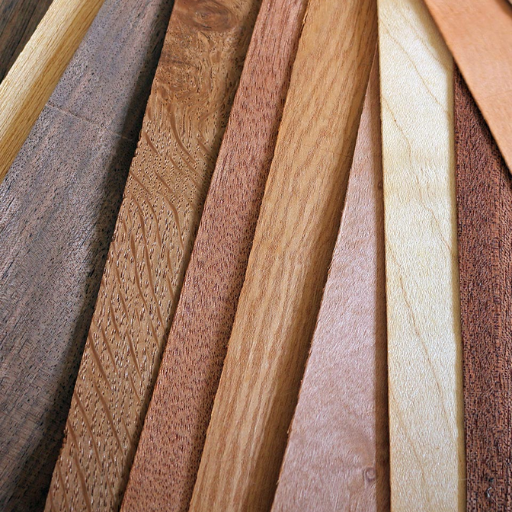
Advancements in the engineered wood veneer industry have revolutionized the manufacturing processes, standards and sustainability practices engulfing the industry. A notable improvement in the technologies is the replacement of processes with modern laser cutting and CNC (Computer Numerical Control) machines. Such machines offer efficiency and cost-effectiveness, as they can cut and shape material to match the other dimensions while minimizing waste compared to manual methods.
AI Integration in Production
Moreover, the application of artificial or machine intelligence in production processes has infiltrated material grading. The system can grade materials for production and establish future requirements to remove bottlenecks. MarketsandMarkets stated in a report that this engineered veneer architecture industry is likely to progress at a 6.5 CAGR of will be over $400 billion by 2028, and this growth can be pinned directly on the use of such technologies.
Moreover, advances in adhesive technology have enabled the development of low-emission, formaldehyde-free acetic resins. Environmental adhesives comply with the laws of the regions where furniture is used and also consider indoor air quality. The detailed grain and pattern of rare or exotic woods can be reproduced in engineered veneers using digital printing. This makes the product not only functional but also eco-friendly, as it helps reduce timber cutting.
In conclusion, all these advanced systems are changing the engineered veneer architecture to be more intelligent, effective, environmentally protective, and satisfy its needs globally.
Innovations in Engineered Wood Products
Of late, several engineered wood products, such as plywood, medium-density fiberboard (MDF), and laminated veneer lumber (LVL), among others, have greatly improved. Some of the most significant improvements are attributed to the growing use of cross-laminated timber (CLT), a new technology that has changed the way construction is done. In a 2023 report by Allied Market Research, the global cross-laminated timber (CLT) market is expected to surpass $3.3 billion worth of sales by 2030 with a 12.4% compound annual growth rate (CAGR). CLT delivers unique structural performance whilst remaining an environmentally friendly substitute to conventional elements such as steel and concrete.
Bio-Based Adhesives Revolution
Apart from building purposes, it is not only possibe to benefit from engineered wood products, but also enhanced adhesives and bondings aspects. The use of renewable bio-based adhesives made from environmentally friendly sources like soybeans or lignin is fast displacing formaldehyde resins which helps to lessen the negative effects to the environment and mitigates indoor pollution. According to the Journal of Cleaner Production, a study carried out regarding such adhesives has been shown to reduce VOC emissions by approximately ninety percent.
Further, the trend toward engineered wood products has increased the incorporation of waste or recycled wood fibers into their products. In order to save conventional forest resources, more and more manufacturers apply detailed sorting and cleaning processes for the recycling of wood wastes. Some European manufacturing facilities report using approximately 30 percent recycled material in MDF boards, in line with the principles of engineered veneer architecture.
The use of digital technologies has facilitated the advancement of engineered wood products, enabling more efficient use of these resources. The use of Computer-aided design (CAD) and BIM for this purpose has improved the efficiency of manufacturing and assembly processes by enabling accurate production and geometries, thereby preventing unnecessary material waste. These solutions, in tandem with robotics in manufacturing plants, provide defect-free products.
Engineered wood products have improved in terms of usefulness and beauty while also enhancing environmental responsibility. As both the interests and study increase, the industry is seen to be providing such eco-friendly and advanced building materials in the advancement of the future.
Manufacturing Processes Enhancing Quality
The latest trends in engineered veneer architecture are explicable by economic and architectural determinism, but are ultimately also overdetermined by social factors such as increased housing demand and social change. High precision is ensured and computerized machines and programs provide qualitative growth during fabricated wood production. The main modern production methods, hot pressing wood, spraying adhesives, and controlled computer turning operations, slide to the more creative field of manufacturing furniture. Hot pressing is a good example in which each layer adheres firmly to the adjacent layers, forming building panels with the highest resistance to loading. The newest cartoons, advanced chemicals in modern adhesives, helped create non-toxic, environmentally friendly synthetic adhesives.
Industry Growth Forecast
The use of AI-enabled control systems coupled with mechanical automation in production helps ensure better consistency and quality of products. Nicely put, contemporary forecasts suggest that the potential of the engineered wood segment to achieve healthy growth over the period of 2023-2028, would be the exploitation of technology and promoting the use of green building materials as the driving force behind an increase in the price of 6.4%. Tailor-made systems for production waste management individualize every energy efficiency problem and also sustain the amplification of the energy targets for emission reduction.
The positive impact on defect reduction is a notable feature and also incorporates market requirements through the various processes of quality control viz. Visual Inspection, Ultrasonic Testing, Liquid Penetrant Inspection, and Magnetic Particle Inspection, of which the most commonly used are DTP Inspection and Howlin Green inspection by laser. All these check the market defects in some cases, preventing damage, and this can be used for pre-marketing. In such a way, the manufacturers are enabled to produce flawless, high-quality engineered veneer architecture and other wood-based items to meet the expectations of the market, both in terms of functionality and design.
Parametric Design in Wood Construction
The introduction of parametric wood construction techniques among architects and engineers has redefined the construction process in as far as timber structures are concerned. Because of modern architectural tools such as Rhino-GH Parametric Modelling Software, the contemporary architect can build some of the most complex, highly efficient, and still viable structures that would have been impossible with traditional methods.
Material Waste Reduction
The other advantage of parametric design is its ability to reduce timber loss. For example, such optimization, especially when done during design, helps eliminate waste during or after assembly, thus reducing the quantities of materials required. Results from a study conducted by Archdaily indicate that through the application of parametric tools, as much as 30 percent of the materials in timber construction can be easily saved. As much as it helps cut expenses, it also contributes to increased global demand to reduce the carbon footprint of the construction industry.
engineered: Engineered veneer architecture refers to the maximum possible use of available natural materials, in a way that is most favorable to the environment and still meets the project’s requirements.
Moreover, in architecture, parametric design simplifies the creation of engineered veneer forms. Two renowned examples can be found at the Metz Pompidou Center in France, with its unique timber roof that follows a hexagonal grid, reminiscent of Chinese hats. The feasibility and simplicity of such a design, which comprises shake-like elements of great intricacy, were enabled by parametric modeling. It connected the designers and fabricators to bring a concept to life.
Environmental Optimization
Parametric mechanisms help architects incorporate current environmental conditions into their design procedures. By including parameters of data from the climatology of the place, including wind, light, and heat gain factors, architects can surely make edifices that are in accordance with the conditions of the place, thus having higher energy efficiency. Parametric Design indicates that this process can decrease the energy consumption of buildings by up to 20%, making it a beneficial intervention.
Possible engineering solutions can be found in the combination of wood as a building material, computational design, advanced technology, and green perspectives. With parametric design growing in popularity, the boundaries of innovation can be stretched further in wood construction, ensuring it remains among the foremost in architecture and the environment.
Benefits and Applications
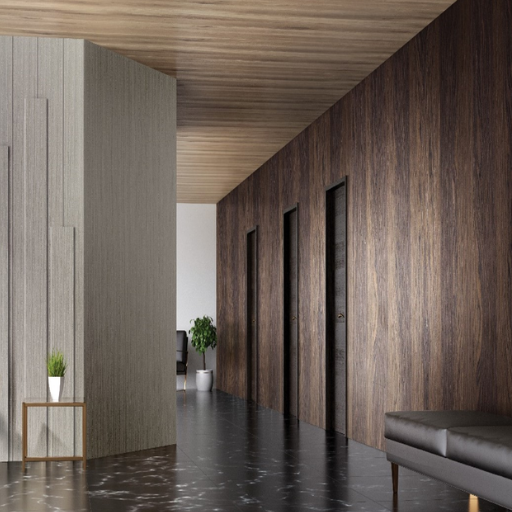
Preservation of Resources
Timber is an ecological substance since it is a sufficiently abundant material. Furthermore, the volume of greenhouse gases emitted during timber use is much lower than that of other building materials such as steel and concrete. Inevitably, it is also actively used in building construction, as it is more environmentally sustainable, helping reduce greenhouse gas emissions by acting as a carbon sink.
Energy Saving
There is an additional benefit of using wood in construction, and this is the fact that the material is in itself an insulator and can, therefore, conserve energy in the buildings. wood constructions can increase energy saving level by 15% to 25% over time by decreasing the energy used for heating and cooling.
Design Versatility
The rapid development of parametric and computational design technologies opens new fronts in the versatility of construction materials. Wood performs in ways that allow without outrunning the creative limit of formed functional space. The most durable and stiffest engineered timber that can be found in nature can be used, such as textiles, and soft rectangles with regular zones, such as furniture, which permits the practice of cutting modern and traditional edges alike, engineered veneer architecture.
Long Lasting and Sturdy
The strength-to-weight ratio of engineered wood, as cross-laminated veneer, is remarkably high, and this opens up possibilities for its use in industrial and multi-storey constructions. This newly developed cross-laminated timber is capable of withstanding stress and in some cases even outperforms steel in various environments.
Well-being and Health
Research suggests that wooden interiors, which alleviate stress, encourage comfort, and increase air quality, can improve their health. An increase in productivity and satisfaction levels, as high as 20%, was observed when people were working or spending time in positions with engineered veneer architecture spaces.
Advantages of Engineered Wood Veneer
Environmentally-Friendly
Engineered wood veneer conserves forests by making the best use of timber. By making thin layers of veneer from logs, the wood wastage is reduced making it more feasible to make use of wood better than solid wood does.
Affordability
It is a very affordable option for those who want the quality look of natural wood but do not want to pay the price of solid wood which would offer the same look. Consumers and manufactures can get the look of expensive wood without bothering about the cost of such pieces when eliminated solid wood.
Lasting Quality
With engineered wood veneer therein, unlike natural wood, which is more susceptible to deformation, swelling, or breakage, there are fewer chances. Therefore, it is a material that can sustain durability in applications such as furniture, cabinetry, and interior design.
Aesthetic Variety
However, in engineered veneer architecture, examples of constructed decorative elements emerge through the piecing together of numerous elements surrounding the subject. Produced in an extensive selection of colors, textures, and patterns, manufactured veneers help mimic the appearance of rare or exotic wood species. This factor opens up boundless opportunities for designers and homeowners to tap into, for any style or taste.
Convenience of Use
It is also easy to apply engineered wood veneer on various surfaces, including furniture, walls, and floors. Being lightweight yet flexible, it is a desirable option for domestic and productive purposes.
Sustainability and Environmental Impact
Nowadays, engineered veneer is the number one environmentally friendly material used in construction, especially in green and eco-ornamented buildings. Below are five different suggestions on its environmental properties and influence:
-
USEFUL MATERIAL
Engineered wood veneer helps make every wooden product “go raw” by employing wood in the thinnest possible form (the process of multilayering) thus using less timber. Trees are therefore used less, leading to less waste.
-
Lower Deforestation Rates
Fewer trees are cut in making engineered wood veneer than the solid wood products. Endangered and rare tree species are therefore saved.
-
Low production emissions
In the West and other countries, as a rule, engineered wood veneer manufacturers use more energy-efficient technologies than traditional wood products.
-
Re-using reused materials
Waste reduction is aided by the use of recycled wood fibers in some engineered timber veneers, which also reduces pressure on limited fresh resources.
-
Bearing the signs of Green Practices Certifications
It is common to find FSC (Forest Stewardship Council) or PEFC (Program for the Endorsement of Forest Certification) labels on engineered woods to ensure the wares are sourced from sustainably managed forests and comply with stringent ecological standards.
Versatile Applications in Commercial Architecture
The use of engineered veneer in architecture is considered invaluable for its natural beauty, long-lasting materials, and eco-friendly attributes. The following five focus areas can represent the most important applications of these materials in the commercial sector:
1. Corporate Interiors
It provides the glamor and sleekness required for office furniture, Wall paneling, and cupboards, using engineered veneer in various office spaces. It offers stylish, eco-friendly work areas. Research indicates that natural elements in offices promote work performance and staff health.
2. Shopping Environments
Engineered wood veneers provide an opulent but high-wearing finish to retail installations. They are mostly used to create display cabinets, shelves, counters, and other elements that offer a richer appearance than solid wood alone would allow.
3. Design for the Hospitality Industry
Hotels and restaurants make use of engineered veneers for architectural purposes such as walls within lobbies, furniture, and even ceilings. This provides height, enabling designers to create pleasant environments in line with modern architecture through various color schemes and patterns.
4. Institutional Sector
In the case of engineered veneers, the application also extends to schools and other settings, where desks, theatre paneling, and even shelves are made from it. Their aesthetic purposes aside, these materials are suited for areas that are subject to heavy use, as they require little maintenance. When maintained, they provide a look for an extended time period.
5. Medical Places
Medical interiors use innovative, wood-based veneer architecture in waiting rooms, wards, and even nurse stations – most of these goodies are fitted with antimicrobial coatings, hence a shiny but perfect design appearance is achieved, and hygienic requirements satisfied.
Fairly, all these and other examples imply that endurance and versatility of use are non-negotiable when it comes to engineered wood veneer in most commercial applications.
Case Studies
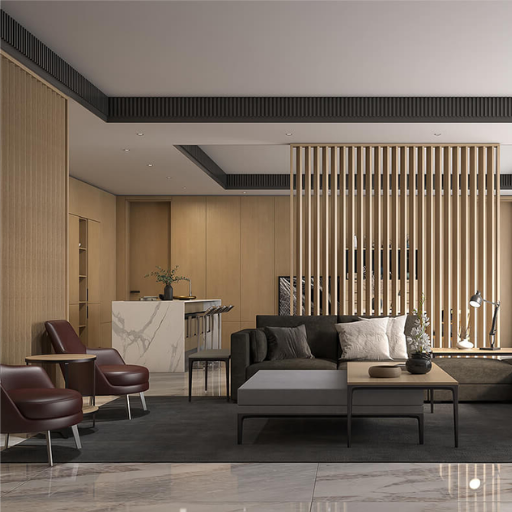
1. Contemporary Transformation of Office Interior with Engineered Wood Laminates
To revamp the interiors, a well-established firm from New York applied to engineered veneer architecture. The solution was directed towards designing an interior that was not only aesthetically pleasing, but also has incorporated the green ideas of the company into the respective space. The designers managed to successfully blend the veneers, which were manufactured from wood, with lights and calls raised environmental practices in coordination with the panels on the walls, in closets, and furniture.
Results: 87 out of 100 employees, according to surveys conducted after the renovation, said the new office design improved their productivity, while clients’ engagement with the facility showed a 35% improvement in how they perceived the exterior space on their first visit.
2. Five-Star Hotel Reception Area Redesign
Paris is home to a prestigious hotel with a new lobby redesigned using engineered wood veneer architecture. The use of walnut veneer or laminate in the design of the reception desk and walls underscores the importance of aesthetics and warmth. In addition, the use of engineered wood veneer reduced the project’s material costs by 25% compared with solid wood investments and contributed to LEED Gold Certification for green building practices.
Results: The customer satisfaction surveys revealed that, after the redesign, evaluations of the lobby appearance and atmosphere increased by 20%.
3. Educational Building Building Renovation
In California, a university built a new library using engineered wood veneers. This scheme prioritized the welcoming atmosphere but with durability to withstand a number of heavy activities. The oak engineered veneers for medical use, which are usually integrated in hospitals, have esthetical as well as hygiene purposes that were applied for libraries as well.
Results: Some findings report a 40 percent rise in library visits by students after renovation, which demonstrates the effect of well-planned areas on the usage of these spaces.
In each of these case studies, we can see the benefits of using engineered veneer architecture not just for creating structures that look pretty, but also for ensuring such structures are strong, reliable and are decorated at a minimal cost in several fields of work.
Notable Architectural Projects Using Engineered Veneer
1. Marina One [Singapore]
The building best exemplifies sustainable, cutting-edge architecture, with engineered veneer covering every inch of this attractive edifice. Now, part of the building’s purpose is dedicated to a design by Ingenhoven Architects using GREENGUARD engineered veneer wood panel for interior work specifically, which serves an environmentally friendly and upscale purpose. Within the building, which contains several floors and spaces totaling more than 400,000 square meters, office spaces, retail facilities and residential apartments are housed in addition to the characteristic “Green Heart” that is found in the middle of the building. Rather than solid wood, which is more susceptible to Singapore’s extreme humidity, engineered wood was used, as it does not compromise on natural beauty.
2. Ontario H1/L1 Schools [Canada]
This educational facility creates innovative spaces that are warm and welcoming, yet built without compromise due to building codes, through rescued timber and engineered veneer architecture. The building uses FSC-certified veneers in walls, ceilings, and furniture, specifying the extent of its commitment to sustainable material use. Data indicates that engineered components contributed to about 20% less waste, thus helping the school secure a LEED Gold certification. These veneers, though superficial, tend to encourage learning among pupils.
3. Apple Park, Cupertino, California
One of the best examples of using engineered wood veneer in architecture is the Foster + Partners-designed Apple Park. It is a very famous “Spaceship” campus that uses veneers internally and in furniture to represent Apple’s commitment to simplicity and premium materials. It is said that these veneers were sourced from non-fossil sources to the tune of over 70%, which is the strategy Apple strives for. Engineered veneers, however, enabled realistically smooth, continuous finishes across thousands of pieces, demonstrating their usefulness in contemporary stringency.
4. The Edge in Amsterdam
Nicknamed “the smartest building in the world”, the Edge incorporates and complements advanced, environmentally friendly technologies and features, including engineered veneers in its interior decoration. This office block, which received a BREEAM Outstanding certification with a score of 98.36%, also develops the theme of engineered wood veneer for conference, reception, and waiting areas. Beyond decorative purposes, the veneers enable the management of the building’s acoustic properties and thermal conditions to enhance the comfort of its occupants.
These works show that the functionality, sustainability, and style of engineered veneer architecture, such as the interiors of modern buildings, are united, making this material a must in progressive architectural concepts.
Hybrid Timber Structures in Modern Construction
There have been reports of hybrid timber structures that incorporate the benefits of wood and its behavior, together with more effective materials like concrete or steel, into new architecture. The move aims to build more energy-efficient buildings with improved structures that are also adaptable. One example of this technology is cross-laminated timber (CLT), which, as its name suggests, is a technologically engineered veneer widely used in hybrid buildings. Its strength is comparable to that of steel or concrete, but its weight is much less than either of the latter two types.
The present scenario indicates an 8% CAGR for the forecast period of 2019 to 2024 in the global hybrid timber industry, driven by rising demand for eco-friendly, green building construction.
Hybrid structures, commonly used in industrial or public applications, offer fire- and earthquake-safe capabilities, along with insulation features that developers are eager to meet energy and current safety standards.
To illustrate, one can mention the case of Mjøstårnet in Norway, the tallest wooden building in the world, standing at 85.4 m. It embodies an ingenious design that fuses wood and concrete technologies to achieve substantial height without as much emissions. Australia is setting foot into the trend with the Atlassian towers in Sydney, which incorporate a mix of timber, glass, and steel, demonstrating the energy-efficient mixed construction in tall buildings.
Such breakthroughs bring attention to the fact that hybrid timber structures may become an integral resolution towards green cities with regards to efficiency, enhancement of urban landscapes, as well as engineered veneer architecture.
Biophilic Design and Engineered Wood
The term “biophilia” is used to define a certain type of building design that aims to connect people more closely with nature in built environments. The origin of this design trend is in the 1970s when people started to incorporate elements of nature in several design elements including light, greenery, water, or use of eco-friendly material in construction. This is why engineered materials like wood are widely considered as being highly biophilic, since they provide configurations of spaces that are warm and attractive due to their visible natural attributes.
Health Benefits of Biophilic Design
Research from the most recent past shows that there are various health related advantages of designing spaces in compliance with biophilic principles. Terrapin Bright Green, for instance, provides evidence that biophilic settings are effective because they allow the users to decrease their stress levels among respondents by as much as 25, advance their ability to process information by 15, improve dizziness adjust pain tolerance by an additional 20%. Use of engineered veneer and wood worsen these conditions even more by providing warmth in the interior thus calming and restoring the moods of the users.
When composite construction materials such as cross-laminated timber or glulam are combined with biophilic design, sustainability can be achieved without compromising the modern and elegant look of the architectural designs. This is noteworthy because engineered veneer architecture is in fact more durable and lighter than the conventional brick and concrete or steel architecture. A two thousand and twenty three construction research report observes the potential for reducing GHG emissions in over 20 storey buildings incorporating engineered wood products by as much as 50 % as opposed to traditional materials because the engineered wood sequesters carbon through its lifecycle.
Moreover, the use of engineered wood in construction offers flexibility in design, paving the way for curved walls, open plan and unique form orientation. It has been established that engineered wood hybrid structures designed based on biophilic designs enhance the occupants’ interaction with nature. This is due to the fact that residing in such structures sharpens one’s attention, improves the mood and promotes well-being. Such an Advanced Method fosters the creation of Eco-Friendly, Healthy Nomadic Interiors and helps to highlight the necessity of Green Empathic Design in today”s buildings.
Future Trends
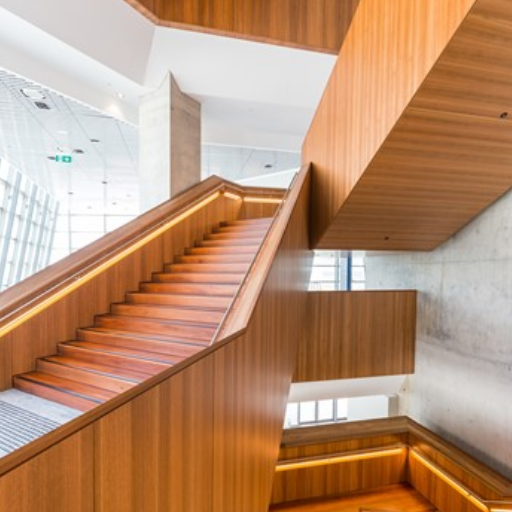
The development of new techniques in advanced materials and construction will influence the evolution of engineered wood and biophilic design concepts. Recent and various research findings have shown that the world engineered wood market is expected to attain a 6.2% CAGR over the period 2022-2030. This shift is largely fueled by the engineering and architectural practices making use of eco-friendly building materials. CLT and glulam, specifically, pose a threat to other practices with their encouraging strength and low environmental effects.
Another dynamic is twisting the smart and its related architectural products such that they come in the form of adaptive systems that grow bigger inches and reach heights with respect to the changes in the natural light and ventilation levels. Furthermore, practitioners in the urban planning sector are also more concerned with extreme heat reduction who advise areas to build parks and walls made out of wood among other materials which aids in lowering temperatures and supporting the flora and fauna of the city. The high energy consuming engineered veneer architecture is therefore paramount.
An interesting instance connected with that trend is the Mjøstårnet in Norway, which at 85, 4 meters takes the record as the tallest factory – produced wood-based building. That approach seeks to show the use of materials, specifically engineered wood, in new areas of sustainable development architecture such that these do not jeopardize or compromise safety or operation issues. However, the trend is expected to intensify with the help of coherent policy solutions, progress in technology and more importantly, with the citizens’ appetite for green spaces. The development is directed not only on carbon footprint reduction approaches but rather transforms the way of use of a lost contact with nature, in the urban environment, by people friendly objects.
Emerging Trends in Engineered Wood Products
The field of architectural design and construction incorporating wood is changing dramatically with new technology developments as well as with replacing conventional resources with sustainable ones. One of the most remarkable of these is the ascendancy of cross-laminated timber (CLT), which is an extremely sturdy yet lightweight material that has been gaining popularity in recent times. More structures in the form of CLT are under construction for multistoried buildings; in fact, some of them have reached and even surpassed the limits of height with wood especially designed structure roofing materials. An example of this is the Mjøstårnet in Norway standing at 85.4 meters high, which is a testament to the potential that skyscrapers can entail using engineered veneer architecture.
The introduction of new composite technologies that involve combining timber with other materials, such as concrete and steel, to form hybrid structures or materials is another major trend. Since these structures can be more flexible, even when they utilize less ecologically damaging materials than ones previously used, there are also fewer negative impacts from their use. Meanwhile, advancements in bonding and production systems mean that manufactured wood can be made to be extremely tough and strong in what would have been less favorable situations in the past.
Market Expansion
For example, the engineered veneer architecture market worldwide generated the approximate revenue of 285 billion dollars two years ago and is expected to expand at a CAGR of about 6 percent during the years 2023 to 2030. The driving factors behind this include growing housing solutions market in urban areas, housing market affordability, and the growing concerns for the environment as regards construction activities. Campaigns against harmful materials promoting the use of bio–based construction products have also greatly contributed to the increase in demand in such regions as the ‘European’ and American Continents.
There is technological appeal towards surface treatments coupled to increase the modifies that can be applied to engineered wood most of which include evident enhanced resistance to elements, among others. Therefore many of the electronic applications that are realized in this work as well as the pre-assembled components are the factors that allow for the evolution processes that decrease waste and costs. Leveling up this technology with LCAs aids client in readily selecting relevant materials more easily. In this context, such trends spell out how engineered veneer architecture obtains features that encourage its usage as the present and the future of the architecture industry.
The Future of Wood in Architectural Design
In pursuit of adopting cleaner methods of construction, architects are employing reconstituted or engineered veneer architecture. With the combination of the features of a tree power, its ability to be regrown and low levels of energy emission there is little wonder why sheeting is now heavily in demand. Such benefits according to recent research are provided by the sustainable management of forests, which allows for the use of building materials which store carbon and have a positive effect on the environment. For example, the studies show that carbon dioxide emission can be decreased when timber is used instead of steel or concrete in construction up to 30 percent.
Other progressive designs included Cross Laminated Timber (CLT) and Glued Laminated Timber (GLULAM) among other advanced wood solutions. The constructed products of these types of woods are strong enough to enjoy being used in building huge and complicated structures. The market for CLT is forecasted to grow to over two billion US dollars by the year 2030, and this is majorly because of its demand especially in green construction buildings.
In contemporary times, the evolution of wood architecture is not complete without key digital tools as well. Sophisticated Computer-Aided Design (CAD) and advanced manufacturing robotics, in conjunction, enable one to engineer Zeitgeist objects, such as multi-functional wooden pieces, while drastically reducing their offcut. That being said, the use of wood in construction is undergoing a shift with such factors as life cycle analysis increasing in importance. They enable an architect or planner to precisely define what brings wood over some other materials from the environmental impact perspective.
There are policies made such that even governments, alongside the different sectors in the area, are seeing the promise of using wood as an alternative construction material. To illustrate the above point, there are policies in the likes of Canada and Finland with strategies encouraging the use of wood in upward growing buildings that are even high rise and thus come with assistance in form of monetary grants and various mechanisms to promote it. Moreover, reforestation and responsible timber production are making sure there is enough wood of the desired quality also in light of carbon neutrality campaigns across the globe.
In total, as regards to the overall perspective, prospects towards the use of wood in architecture appear quite encouraging as the technogenic tendencies and historical necessity encroach it to become one of the prominent materials for future solutions in buildings. Designed; over the course of the 21st century or longer architects as well as building firms will strive to appreciate the various capabilities of wood and do radical relocation – ordering a combination of present and past methods, for adaptation to pure and sustainable engineering.
Potential Developments in Sustainable Practices
These days, more and more stakeholders in the building and constructions industry are moving towards green construction, thanks to the improved technology and understanding. The engineered veneer architecture has its own merit and that is cross or otherwise known as laps cross laminated timber (CLT), moreso in a recent past stipulated that timber is the most effective within‑building materials over other materials. Literature evidence suggests timber cuts down carbon release levels compared with metal and concrete construction most significantly. Each cubic meter of timber based materials is capable of sequestering approximately 1 ton of carbon dioxide. The light weight of it makes it also efficient in terms of transportation and less energy is needed to install it as well.
Energy Efficiency Improvements
Making engineered veneer architecture from the textile sector represents another opportunity for growth. Based on data from existing projects, proper insulation combined with advances in air conditioning systems could help reduce energy consumption to about forty percent. Other solutions based on the use of solar panels and wind generators are expected to improve the ecological characteristics of operations.
There is also the practice of urban farming and green building technologies that are assumed to be of benefit in reducing environmental impact. They not only serve the purpose of improved building insulation but further enhance urban biodiversity and air quality. For green building practice mentioned above, green roofs are capable of reducing the external cooling load by up to 20% during the summer period as reported on the recent samples and this saves money from energy consumption and ameliorates the urban heat island.
Finally, concepts of circular construction practice, which focus on recycling and re-utilizing various materials in construction, have proven to be practical now. The adoption of deconstruction practices together with the development of reclaimed wood, repurposed steel and other recycled materials have shown to mitigate waste production while keeping the structural strength of the building. The Circularity Gap Report showed that if circularity within the construction industry is realized, it would help in closing half of the material efficiency gap.
For as long as such methods are practiced alongside the most feasible technologies, the construction industry will pretty much move away from the breakthrough of environmental reason and developed conservation of resources to the reconstruction of the built capacities into completely new ones.
References
Cornell University – Engineered Wood Products for Circular Construction
This source discusses the diverse applications of engineered wood products in modern construction and their relevance to sustainable practices.
University of Massachusetts – Enhancing Rapid-Build Structural Assemblies with Hybrid EWPs
This paper explores the structural capabilities and benefits of engineered wood products, including their composition and performance.
Frequently Asked Questions (FAQ)
What is the role of engineered wood veneer in the interior design process, and how does it affect the look and feel of the interior?
Engineered wood veneer considerably benefits the interior design process since it brings the color and texture of real wood into the space, while at the same time, offering more design versatility as compared to solid wood. The designers as well as the architects apply various techniques like using wood panels and sheets, and also applying veneer over different substrates to get the desired effect of consistent wood grain and rare wood appearance for walls, ceilings, and even wooden diners. Using thin wood layers bonded to stable cores, veneers provide the visual richness of hardwood and real wood-textured products having lesser waste and allowing more predictable performance in the areas of interior design, ceiling design, and commercial spaces.
Can engineered wood veneer be a part of the construction process and mass timber projects such as cross-laminated timber panels or wood gluing?
Definitely, engineered wood veneer can be incorporated into timber construction and mass timber elements. Aesthetic-wise, veneer is commonly applied to clt panels, glued laminated timber (glulam), and laminated veneer lumber (lvl), so it contributes to maintaining the structure’s advantages, as well as its appeal. Architects custom finish cross-laminated timber (CLT) or glulam beams of engineered timber with the natural wooden look suitable for the green commercial and sustainable building projects. The direction of the bean comes from the strength of the timber also CLT and glulam.
Is engineered wood veneer appropriate for use in up to the highest and commercial buildings?
Use of engineered wood veneer is becoming trendier in high-rise and commercial buildings as part of wood’s sustainable alternative to true solid wood cladding. When properly specified—taking into account fire ratings, adhesive systems, and substrate materials—it adds to the addressing of modern sustainable as well as the commercial design goals. Veneer is not limited to mass timber but is also a part of strategies aimed at attaining green building standards that would still provide the expected warmth and design in commercial spaces and the residential as well as the commercial sectors that are in development.
How does the curved wood veneer support the curved wood-steel applications and the design freedom?
Curved wood veneer is a great choice for wood with curves as well as complex form designs simply because the thinness makes it more pliable than thick solid wood. The use of advanced manufacturing and lamination methods allows veneers to be glued on either flexible cores or shaped substrates so that designers can have ceilings, beams, or furniture with the desired curves. The whole range of design flexibility makes veneer very approachable for architects and designers who want to explore the wood’s potential in contemporary architecture through unique design elements.
What are the factors regarding durability and maintenance that lead to the choice of engineered veneer over solid wood or vice versa?
The engineered veneer is durable and stable when made with high-quality adhesives and proper substrates and it often outlives solid wood in dimensional stability under changing humidity conditions. Concerns about veneer surface warping can be put to rest as they can be finished with protective coatings that also serve to improve the durability in high-traffic commercial places. Maintenance of veneer is similar to other architectural wood finishes—regular cleaning and occasional re-finishing—and choosing the right adhesive and surface treatment guarantees the longevity that is pretty much the same as that of other engineered timber products like plywood, LVL, or glued laminated timber.
How do architects and designers use wood veneers to achieve sustainable design and lessen the amount of waste produced?
Veneer is the material that architects specify in order to get the maximum yield from precious wood species while at the same time, lessening waste in comparison with solid wood millwork. The use of veneers results in a uniform wood grain over extensive areas, effective use of hardwood and exotic wood obtained from responsible sources, and the alignment with sustainable construction goals. Veneer together with engineered cores and mass timber elements enables sustainable building materials strategies—assisting in obtaining green building certifications and coming up with modern sustainable alternatives that present wood as the main design material.
What is the role of adhesives and advanced manufacturing in determining the performance of engineered wood veneer?
Adhesives and advanced manufacturing are two of the most important factors in determining the performance of veneer. The use of high-quality adhesives can bond thin wood layers either to substrates or to one another creating stable panels that resist delamination and moisture. The use of advanced manufacturing processes—inclusive of pressing, lamination, and finishing—facilitates the production of consistent clt panels, plywood, and veneer-faced products that can meet both the structural and aesthetic demands. Manufacturing along with adhesives establishes the factors of durability, fire performance, and application from wood ceilings to load-bearing components like laminated veneer lumber.
What is the effect of engineered veneer on the wood species’ availability and the modern architecture’s wood potential?
Engineered veneer gives architects and specifiers the freedom to use a wider selection of wood species more economically, even the rare or exotic woods, since thin slices allow for maximum utilization of each log. This approach preserves natural resources while expanding design possibilities, making premium wood aesthetics accessible for contemporary architectural projects.