

Rotary Cut vs Plain Sliced Veneer: Which Cutting Method is Best?
One of the most important points to consider in woodworking and furniture design is the selection of veneer, which will greatly influence the final product in terms of beauty and useful properties. Two main ways to slice veneer—rotary cut and flat sliced—present different characteristics that might suit varied design tastes and project needs. But what is the best way to figure out which one is your need? This article will tell you about the major differences between these cutting methods, their pros and cons and the way they affect the appearance and performance of the veneer. Once you become aware of these factors, you will be in a position to make a right choice for your next project.
Introduction to Veneer and Cutting Methods
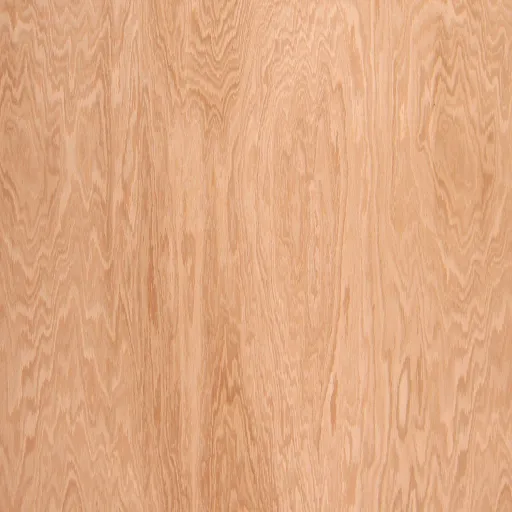
What is Rotary Cut Veneer?
The rotary cut veneer is a technique that is very much favored for making fresh veneer sheets. It is done by continuously peeling the log into thin layers using a rotary lathe. The log is placed in a central position, then rotated against a fixed blade that cuts off a broad piece of the wood veneer. This method leads to creating a very long and even grained surface with very few interruptions, due to the fact the log is rotated and the blade is constantly cutting around the log.
One significant benefit that comes from using rotary cut veneer is its very high yield. It is among the most efficient methods of cutting and therefore economical for large projects since the entire log is utilized almost entirely. Moreover, it generates wider sheets than other cutting techniques, which is a plus in making panels, furniture, and plywood wherein the seams and joints are effectively covered.
Gaining Knowledge of the Plain Sliced Veneer
The plain sliced veneer, otherwise called flat cut veneer, ranks among the most sought-after and highly-practiced veneer cutting methods in craft woodworking. The procedure dictates that the log is sliced in a manner that is parallel to its center and this way a remarkable grain pattern is formed which is beautiful at the same time hailing the wood’s natural characteristics. An image of a cathedral emerges from the peculiar wavy lines with soft and gentle forms in shades of light and dark, which is perfect for use in furniture, cabinetry, and especially decorative paneling.
The ability of the plain sliced veneer to produce extra-large aesthetically consistent sheets of veneer from just one log is one of its most significant advantages. Items like waste reduction and visual continuity projects, like those of table tops or wall paneling, are made possible by this efficiency. The industry reports indicate that the process of manufacturing plain sliced veneer results in about 75-90% efficiency in terms of usable log material, depending on the wood species and the desired thickness.
Manufacturing Process of Rotary Cut Veneer

Overview of the Rotary Cutting Process
Rotary cutting is the most common procedure for the veneer making process which produces huge and continuous sheets of wood, also being the least costly of all wood cutting methods. In a nutshell, the rounding of the tree trunk, in a technical wood turning lingo termed as a bolt, is the first step in the rotary process. The log is then put on the lathe and cuts are made to peel off thin slices of wood one after another Spiral motion creates the characteristic grain pattern that has randomness and less defined compared to other cutting techniques, thus making it suitable for large scale production such as plywood.
Veneer thickness can be modified throughout the procedure, generally varying between 0.3mm and 3mm as per the use. One of the main pros of the rotary process is that it leaves very little waste since the log is almost all used, leading to a remarkable recovery rate of 85-95%. Furthermore, this procedure is economical and plays a significant role in the promotion of eco-friendly practices in the wood-cutting industry through the consumption of less raw material.
How are Logs Prepared for Cutting?
Logs preparation for rotary cutting is an important process that includes several steps before one can start taking veneers from the logs. First, log selection is done during which only high-quality logs with few demerits are picked to ensure the maximum yield. According to modern industry standards, hardwoods like oak and birch are the main sources, while softwoods such as pine can also be used depending on the end product.
Selected logs are later on transferred to the sawmill and checked for defects such as decay and knots. Then, the logs are conditioned to soften the wood fibers which are then easier to cut. Different steaming and boiling techniques are used to achieve the desired temperature of around 150-212°F (65-100 °C) for hours. It is said that conditioning done in the right way can give one as much as 30% more quality veneer as it reduces the chances of cracking and splintering during cutting.
Advantages of Rotary Cut Veneer
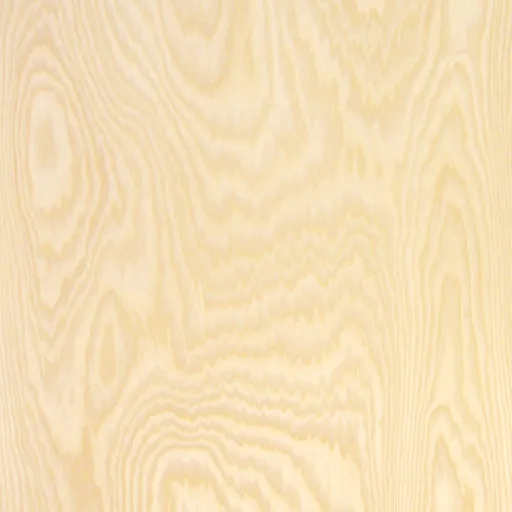
Cost-Effectiveness and Material Efficiency
Rotary cutting has an edge over other methods in terms of cost in the production of veneers and wood products as the process is very efficient in the use of logs. By the continuous motion of turning the logs around, the process of the rotary cutting reduces the amount of wasted wood when compared to the slicing or sawing which wastes more wood. It has been reported that the process of rotary cutting allows for the recovery of as much as 90% of the log material, this really gives it a big advantage over the other methods.
Additionally, the process of rotary-cut veneer production is very time and labor-efficient, which leads to reduced operational costs. Modern-day rotary lathes, which are coupled with computerized systems, can quickly and accurately process the logs, thus requiring fewer workers to manage the operation. There are indications that the introduction of automation in the rotary cutting process can lead to a reduction of up to 30% in production time, which would allow the manufacturers to increase production and still maintain quality.
Natural Beauty of the Wood Enhanced
The advantage of rotary cutting is not only the efficiency enhancement; it also plays the vital role of presenting the natural beauty of wood through unique grain patterns. The veneers obtained by rotary cutting have a very wide and very dramatic grain that is not found in veneers produced by any other cutting method. This unique aesthetic is brought about by taking the wood off the log as one long continuous sheet which then exposes a flow of various and intricate grain designs.
It has been indicated according to the latest trends that this whole operation leads to the maximum utilization of the log, thus, more raw wood is being used effectively. It is reported that rotary cutting can transform up to 85% of a log into veneer with the remaining being almost similar to the natural beauty of the wood. The stunning visual appeal of the grain patterns attracts the interest of many sectors including furniture making, cabinetry, and interior decoration where the customers want both sophistication and uniqueness.
Common Applications of Rotary Cut Veneer
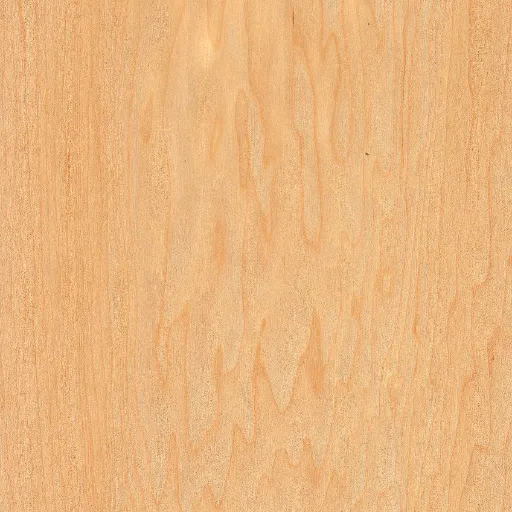
Usage in Furniture Making
Rotary cut veneer is to that extent among the very few last heroes of modern furniture making as it provides the two-fold advantages of being a practical and an aesthetic solution. The great thing about its special is its size and the fact that no a single seam would be encountered throughout the surface; hence it is a proper selection for places where hardwoods such as tabletops, cabinets and wooden paneling are required. Industry reports state that around 60% of the worldwide produced veneer is used in the manufacture of furniture which confirms the significance of the material in this field.
There is among others one main reason for this natural wood appearance and therefore cost of cutting veneer is very materials-saving at the same time. When solid wood and tears costs are compared this material alone leads to the 90% reduction of waste and major material expenses altogether. The aesthetic versatility of this species of veneer is so broad that it can even capture the entire spectrum of styling from the contemporary minimal to the classical wooden finishes.
Role in Interior Design Projects
Modern rotary cut veneer is undoubtedly one of the main winners in the field of interior design innovations as it guarantees the three combined qualities of versatility, being cost-efficient, and having a sustainable way of adding beauty to the environment. The traditional up-market brown wood material is totally displaced by this high-quality but less expensive product which is thus loved by the interior designers. The material is so versatile that it can be used in many forms- furniture, wall rafts, cabinets, and other decorative items.
According to an analysis carried out by Allied Market Research, the global woodworking and veneer industry will witness a significant increase in demand mainly from the interior design sector particularly considering that the consumers are going to prefer the sustainable refinements. The way the rotary cut veneer is that it provides an uninterrupted flow of wood from the trees thus allowing for sustainable harvesting without the need to clear-cut the areas and using modern efficient manufacturers to complete the whole process quickly and smoothly. Plus, it does not break easily, meaning it will be there for a long time; and on top of that, it can be stained and finished in various ways giving designers unlimited creative options.
Current Market Trends and Innovations
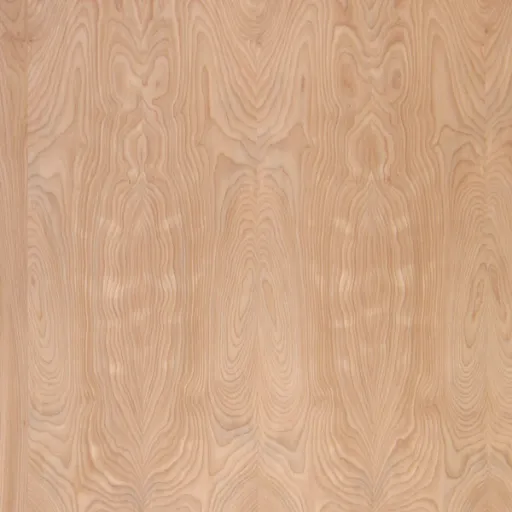
Emerging Wood Species in Veneer Production
The need for new and environmentally friendly materials in the market has been the main reason behind the interest in mixing different wood types in making veneers. The new wood types that are coming in such as European birch, eucalyptus, and acacia are not only getting attention but also are becoming more and more popular because of their uniquely beautiful grains, their being in the market, and their being adaptable to the practices that are environment-friendly.
Data from Trends (2023) shows that the searches for eucalyptus veneer have increased by 27%, which means that the demand for it in the world markets is getting stronger. Eucalyptus, which has a very long-lasting quality and a smooth touch, is very much in demand in making furniture and cabinets because of its good looking and economical nature. In the same way, the popularity of acacia veneer has increased by 15% in the past year searches, partly because of its rich, warm colors that are in line with the current modern design trends.
Technological Advancements in Cutting Methods
The veneer production sector has been among the first to adopt new cutting methods, technology being the reason behind this rapid change. The use of lasers and precision computer-controlled tools are among the modern cutting techniques that have revolutionized the veneer industry in terms of efficiency and quality. The technologies have given manufacturers power to operate with higher precision in cutting the logs, which in turn has led to less wastage of the raw material and more even quality of the product.
For example, the digital automation systems have been incorporated into the veneer cutting machines, which enable the manufacturers to produce very detailed designs and very thin cuts that were once almost impossible to do by hand. As per the recent reports, the companies that are using CNC (Computer Numerical Control) technology have stated that they have been able to cut down their material waste by about 30% and at the same time increase their production speed by 20% as compared to the traditional techniques.
Reference Sources
-
Performance and Economical Evaluation of Rotary Peeling
This research evaluates the use of lactic acid bacteria fermentation to soften poplar logs, improving the quality of rotary peeled veneers.
Link to study -
Dataset on the Mechanical Behavior of Rotary-Cut Veneer
This dataset includes tensile, compressive, and shear test results for rotary-cut veneer, providing valuable mechanical performance data.
Link to dataset -
Effects of the Thickness of Rotary-Cut Veneers on Plywood Properties
This paper examines how the thickness of rotary-cut veneers affects the compressibility and properties of plywood sheets.
Link to study
Frequently Asked Questions (FAQs)
Rotary cut veneer is the one from all the veneer cutting methods that gives the highest yield, why?
The highest yield results from the rotary cut veneer since the cutting or peeling of the log is done in a single continuous sheet that is often accumulating the most pieces of veneer out of one log. This method rotates according to the log’s radius and is very useful when one aims at getting the highest yield and the cheapest veneers, although it might result in somewhat broader, less uniform grain appearance compared to quarter slicing or rift cutting methods.
What is rift cut and what is the impact of rift slicing on the oak species such as white oak?
Rift cut or rift slicing represents a veneer cutting technique that produces straight grain, which is accomplished through cutting either vertically to the growth rings or just a bit off that position. When it comes to white oak, the rift slicing takes the smooth grain aspect to the master level by eliminating the cathedral grain patterns, thus, the straight grain or the stripe effect is highlighted, which in turn creates the refined, architectural look that is often requested by architects who want to make sure their design is invisible as well as subtle in color and grain.
How are growth rings and the log’s growth rings related to veneer leaves and grain?
The log’s growth rings’ relation to the cut determines whether veneers will be plain-sliced, quarter sliced, or rotary cut. Perpendicular to the growth rings, quarter slicing yields linear, even grain; cutting along or tangent to rings results in cathedral or random grain patterns. Also, growth rings define characteristics like flake in oak, and they influence how well veneer leaves fit together for making a whole piece or flitch match.
What is a flitch and how do flitch matches affect project outcomes?
A flitch is a set of veneer leaves that are sequentially sliced from the same log and preserved in order to capture the natural development of grain and color. Matching with a flitch guarantees constant color and grain appearance not only for pieces of veneer but also for whole piece panels, and this is the case in high-end, architectural applications where uniformity and natural characteristics are valued, thus, it is very critical.