
Wood Veneer for Furniture Manufacturing: Complete Technical Guide
Wood veneer has been a crucial material in the production of furniture for hundreds of years, mainly because of its superb versatility, beauty, and eco-friendly nature. No matter if you are a woodworker, a designer, or just someone who has a keen interest in knowing the process of making quality wooden surfaces, knowing wood veneer’s part is very vital. This manual is the best way to delve into the techy side of wood veneer—from how it is made and what kinds there are to where and why it is used and what good it does in modern furniture making. We will also discover the reasons for the material being liked so much by the industry and the ways it can enhance both use and beauty in furniture production.
Understanding Veneer: Basics and Benefits
What is Wood Veneer?
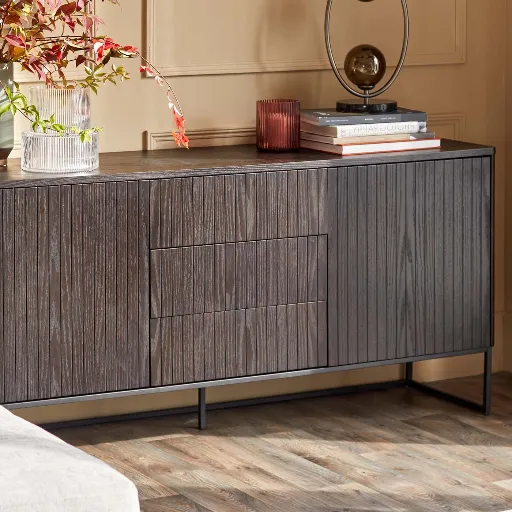
Wood veneer is the natural wood layer sliced or peeled from a log, with thickness from 0.3 mm to 3 mm. This layer is then glued to a substrate of particleboard, MDF (medium-density fiberboard), or plywood for the purpose of making beautiful surfaces that can be used in different fields. Wood’s own natural beauty is the most efficient and sustainable way to showcase it as veneer uses less wood than solid wood.
The veneer production process consists of several delicate operations such as slicing, rotary peeling, or sawing logs to get the desired grain pattern and look. Each approach gives different visual results, thus making veneer a very accommodating material for various design needs. For instance, rotary-cut veneer gives loud, wide grain patterns, while plain-sliced veneer gives a more linear and uniform and is still elegant wood grain process.
Advantages of Using Veneered Furniture
Veneered furniture is elegant, durable, and cheap at the same time which is why it is still the favorite in modern-day interior design. Its one of the main advantages to provide the same visual quality as solid wood but at a lower price. The saving may reach up to 60 percent on very good wood veneers according to industry sources, so it is a cost-effective option for both manufacturers and buyers.
The other key point of veneered furniture is its eco-friendliness. Thin natural wood slices are used in the production of veneers which gives a maximum yield of timber. It is said that 3-4 times more wood can be utilized through the production of veneers when compared to the production of solid wood furniture. Consequently, this practice of depletion of natural resources and wood cutting done efficiently hence waste reduction and sustainable forestry practices are achieved.
Differences Between Wood Veneer and Solid Wood Furniture
1. Composition and Structure
Solid wood furniture consists of only natural wood, either carved or joined together, thus providing a very durable and sturdy structure. On the contrary wood veneer furniture consists of a thin sheet of natural wood which is glued to the core material such as MDF (medium-density fiberboard) or plywood. This type of construction allows veneers to be considerably lighter and to be often priced lower than solid wood furniture.
2. Durability and Longevity
Solid wood furniture is commended for its lifetime, which often lasts for decades, and heavy usage can be tolerated. Nonetheless, it may warp or crack due to humidity and temperature changes. On the other hand, veneered furniture is made with stable core materials which makes it less likely to deform under such conditions, but it may not survive the wear and tear as well as the pieces of solid wood.
3. Cost Efficiency
In terms of pricing, wood veneer furniture is generally a good option when compared to solid wood furniture. It has been suggested in market trends and online analytics that veneered products can have a price range of 30-50% lower than that of solid wood products. This price situation makes them a very tempting choice for the ones who want to give their homes a stylish look while being within their budgets.
4. Appearance and Design Flexibility
With the ever-increasing veneer technology, wood veneer furniture can imitate the look of high-end solid wood and at the same time it can offer more design flexibility. The veneers are made from the very thin cuts of wood which allow manufacturers to come up with brilliant patterns and even acquire exotic wood looks at just a fraction of the cost. Solid wood while being natural and authentic may not have the same design versatility.
Types of Wood Veneer Sheets
High-Quality Wood Veneer Options
Walnut Veneer
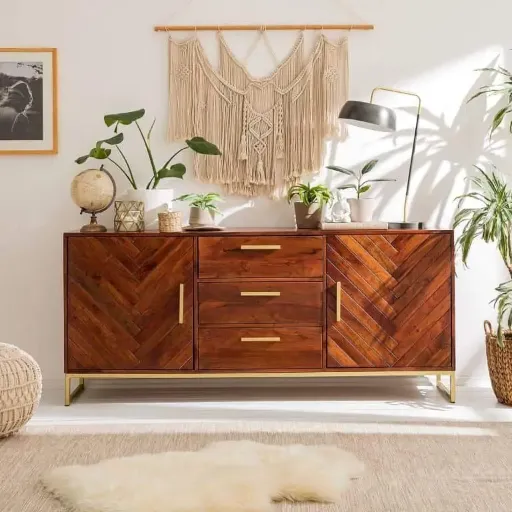
Walnut veneer has been one of the top choices for luxurious furniture and paneling because of its amazingly rich and dark brown color. Its straight grain and sometimes wavy pattern provide a certain elegance and make the wood suitable for both modern and classic designs.
Oak Veneer
Oak veneer has two colorful choices—red and white—that give a variety of shades from warm golden ones to cooler light ones. Besides that, its demand in the market for durability made it possible for it to be used in cabinets, flooring, and wall paneling. Also, oak’s extraordinary grain pattern is seen as a plus rather than a minus while making the wood’s character more vivid.
Maple Veneer
Maple veneer is the lightest option among all. With its silky feel and even color, it is the one that is most loved. It can be utilized in the designs of modern and minimalist styles, and the even grain of the wood would serve as a hallmark of cleanliness and refinement.
Mahogany Veneer
The veneer that is derived from mahogany is doubtlessly the most beautiful among rare woods. It is of a reddish-brown color and has a very fine grain which gives it an exotic look. Mahogany has gained that position due to its timeless beauty and luxuriousness that it is often employed in high-end furniture, doors, and other interior decor.
Teak Veneer
Teak, the wood known for its exceptional moisture and rot resistance, is the best choice for outdoor furniture or areas with higher humidity factors. Its lovely warm golden-brown tones are automatically associated with luxury that any project would be able to enjoy.
Comparing Oak, Walnut, and Other Popular Veneers
When wood veneers are being considered for selection, oak and walnut have always been the most preferred ones because of their different characteristics and everlasting charm. The main features of oak veneers are their outstanding durability, versatility, and beautiful grain patterns. There are several types of oak like red and white oak among which the red is the warmest while white is the cooler tone but both have excellent workability. The latest figures reveal that oak veneers are responsible for 35% of total veneer production as their use is so extensive in furniture, flooring, and cabinetry.
On the contrary, the luxurious and extravagant look that walnut veneers impart is the main reason for their selection as a raw material for high-end furniture and decorative applications. In fact, walnut veneers are amongst the strongest contenders of the wood market as the beauty they hold is hard to resist. Studies show that walnut accounts for approximately 20% of the global veneer consumption which makes it to be the second most consumed type after oak. With its dark tones, walnut not only gets easily associated with sophistication but also finds itself frequently combined with minimalist or modern design aesthetics.
Choosing the Right Veneer for Your Furniture

Factors to Consider When Selecting Veneer
Aesthetic Appeal
Different trees produce different veneers characterized by various grain patterns, textures, and colors. For example, oak veneers display a linear and very prominent grain that can be used in classic and rustic designs, whereas walnut veneers reveal a dark, rich color which is perfect for modern and luxurious styles. Deciding on the natural look you would like to attain will limit your choices properly. A recent survey revealed that walnut and oak veneers still hold the top spot among the choice of consumers accounting for 55% of the entire veneer demand worldwide.
Durability and Usage
The durability of the veneers and the piece of furniture’s function determine the veneer selection. Furniture which undergoes a lot of wear and tear, like dining tables and desks, is better off using hardwood and other durable options like oak and maple veneers. On the contrary, decorative accents could use softer and more beautiful veneers, like birch or cherry, that are less resilient but are more concerned about the aesthetics.
Finishes and Treatments
Veneers can undergo different treatments of finishes which will not only make them more durable but also give them sheen and color. One of the finishes that has gained popularity really fast is UV-cured finishing because it provides greater scratch resistance and durability thereby making the veneer last longer. Refinishing also means that you can keep the furniture as good as new for a longer time through periodic refurbishing.
Sustainability Considerations
Eco-friendly choices have already started to be the main concern of most buyers. Always check for labels like FSC (Forest Stewardship Council) or PEFC (Program for the Endorsement of Forest Certification) to confirm that the veneer is sourced from forests that are managed sustainably. The latest statistics from 2023 show a 40% growth in demand for FSC-certified veneers, thus reaffirming that people are becoming increasingly conscious about taking care of the planet.
Cost and Availability
The prices between different wood species can be quite different and in addition to that the local availability may also affect the price. Exotic veneers such as ebony and teak are usually much pricier than more common alternatives like maple and oak. Checking regional suppliers for the availability of locally sourced or reclaimed veneers could greatly help in budget management while also contributing to environmental sustainability.
Understanding Finish Options for Veneered Furniture
Polyurethane Finish
One of the most widely used recommendations, polyurethane provides a coating that is highly resistant to scratches and water damage and has a long life expectancy. It can be made in both oil-based and water-based forms, with water-based polyurethane being the one mostly used due to its low emission of VOCs (volatile organic compounds) and its faster drying time. The market research done for the past few years shows that there has been a rise of 25% in demand for eco-friendly finishing solutions.
Wax Finish
One of the sole reasons for wax’s popularity is its soft, natural look and the fact that it is easy to use, making it perfect for keeping the wood’s organic beauty intact. But it demands frequent care and it is not as long-lasting as other types of finishes. A research paper states that consumers who appreciate historical values and prefer to use wax finishes for their veneered furniture mainly do this to keep up with their antique or vintage restoration projects and thus apply this method for rustic-style pieces as well.
Lacquer Finish
The application of lacquer is most commonly associated with glossy surfaces and this has the added benefit of cleaning up a more elegant look for the wood while a strong protective layer is created at the same time. Production processes of lacquer have been innovatively changed and improved leading to a formulation that includes water-based options as well. A global study conducted in the year 2023 confirms that lacquer enjoyed a 15% sales increase, which is a clear indication of its attraction to traditional as well as modern furniture designs.
Oil-based Finishes
Oils such as tung oil or linseed oil get deep into the veneer, thus beautifying the natural grain and giving a warm hue. They find their most usage in mid-century or minimalist kind of designs. Presently, trends indicate that there is a growing interest in the use of natural oil finishes as consumers are giving priority to sustainable and non-toxic options thereby aligning with a general preference for green solutions.
Sustainability in Furniture Veneers: Eco-Friendly Options
Benefits of Using Sustainable Wood Veneer
Sustainable wood veneer has a lot of advantages, which saves the earth and at the same time fulfill the demand of modern furniture design. The manufacturers who go for the eco-friendly veneer choices are the ones who support saving forests and cutting down less trees. The FSC (Forest Stewardship Council) certified vines are good examples of the nature-friendly wood and they also keep the forests around the world alive and at the same time provide the human needs.
Sustainable wood veneer has a great advantage of being resource efficient. The utilization of the timber is maximized by thin slices of the wood veneer, hence more surface material is obtained from a log than from solid wood. This practice not only results in less waste but also in less logging, thus protecting the natural ecosystems.
Sustainable wood veneer usage in furniture designing is shown by research as a way of making production less carbon footprinted. The Carbon Disclosure Project (CDP) data supports that sustainable wood sources can lead to release of greenhouse gases that is 25% less than what would have been the case with conventional lumber. Moreover, wood for veneers can often be obtained from local or regional areas, thus, the emission from transport is not that high.
Certifications to Look for in Eco-Friendly Veneers
1. Forest Stewardship Council (FSC)
The FSC certification is one of those widely recognized and accepted labels that denote sustainably sourced timber. The wood coming from the FSC certified forests ensures that all the veneer is made from such forests which are being very well managed in terms of environment, society, and economy. FSC claims that more than 230 million hectares of forest that is spread across different countries is being managed and certified according to its standards, which is a clear indication of its global presence and impact.
2. PEFC (Programme for the Endorsement of Forest Certification)
PEFC is another major certification body that endorses sustainable forest management. The wood used for making PEFC-certified veneers meets the high standards set by PEFC, including preventing the extinction of species and keeping the ecosystems functioning. The PEFC’s standard of certification is very inclusive and covers many regions as over 750,000 forest owners worldwide are already certified by PEFC.
3. CARB (California Air Resources Board) Compliance
When it comes to indoor air quality, the veneers that meet CARB standards are the ones that need to be paid attention to. These restrictions control the quantity of formaldehyde released from wood products, thus providing indoor air of good quality. The international trend of introducing low-VOC products has made CARB-compliant veneers the most preferred ones.
4. GREENGUARD Certification
The GREENGUARD certification is given to products that help create healthier indoor environments. The veneers with this certification have been through a thorough testing process to verify their compliance with the low-emission regulations, thus minimizing the health risks for consumers.
Maintaining and Refinishing Veneered Furniture
Best Practices for Care and Maintenance of Veneered Furniture
Regular Cleaning
Prevent dust from accumulating by dusting the veneered surfaces with a soft, dry cloth every week. To clean the surface more deeply, a slightly damp microfiber cloth with a mild detergent can be employed. Stay away from using abrasive cleaners or water that is too much, as this may ruin the veneer or cause it to peel eventually.
Avoid Direct Sunlight
Veneers fading or discoloration is a potential result of being directly sunlit for a long time. Furniture can be protected by placing it away from the light or by using curtains and blinds to limit exposure. Besides, UV-protectant finishes can also be considered for additional protection.
Use Coasters and Mats
In order to prevent the surfaces from getting stained, scratched, or burnt, always use coasters for beverages and mats or trivets for hot items. This way, there will be no direct contact between the veneer and the outside, thus maintaining the smoothness of the surface.
Control Room Humidity
Veneered furniture is not very tolerant of humidity changes. The indoor humidity level should be kept between 30% and 50% to prevent the furniture from warping, cracking, or coming apart. A humidifier or dehumidifier can be used to maintain the ideal conditions.
Dealing with Warp and Other Damage
Warping is a problem that comes up often with veneered furniture, especially if the furniture is exposed to high humidity or improper temperature conditions. The first step is to determine how bad the warp is. For small warps, gently place weights or clamps applying light pressure gradually to the point of over alignment. Remember to put a protective pad between the weight and veneer to prevent further damage.
If the situation is worse than minor warping, then a professional may be needed. Besides, a combination of veneer softening solutions available at most woodworking supply stores with clamping techniques might help to rehydrate and to make smoother the warped surface. It seems that the most recent insights suggest that a consistent indoor environment with relative humidity levels being around 30% to 50% can greatly reduce the frequency of warping.
Reference Sources
-
- Key Findings: Curved LVL components used in furniture, such as chairs and tables, exhibit specific stress distributions and failure types under loading, which can be mitigated through design optimization.
- Methodology: Experimental testing of curved LVL under various loading conditions to evaluate stress and failure patterns.
-
- Key Findings: Wood veneer is preferred for its natural and aesthetic qualities, with customers willing to pay a premium for furniture featuring veneer overlays.
- Methodology: Surveys and market analysis to identify customer preferences and success factors for veneer use in furniture manufacturing.
-
Rotary Veneer Bentwood as a Sustainable Material for Responsible Furniture Production
- Key Findings: Rotary veneer bentwood is a sustainable alternative for furniture production, offering environmental benefits and design flexibility.
- Methodology: Comparative analysis of bentwood furniture prototypes and surveys of factories producing rotary veneers and bentwood furniture.
Frequently Asked Questions (FAQs)
What it is furniture veneer and is veneer wood?
Furniture veneer is wood in the form of a very thin sheet that is either cut or peeled from a log and then glued onto a wood fiber panel or onto plywood. The reason that veneer is considered wood is that it comes from natural hardwood tree species like domestic and exotic species, including white oak or zebrawood. The thinner veneer is still wood even though it is not as thick as a solid wood board. Veneer should not be confused with laminate because laminate is just a printed decorative layer on a plastic film, while high-quality wood veneer further displays the natural grains, burls, and curls which the laminate cannot replicate.
Veneer is compared to solid wood in terms of durability and longevity—is it a durable product?
In the case of furniture veneers, if they are properly made and bonded to the right substrate with the right glue then they can be lasting and stable. The veneers are glued to panels which can be either plywood, phenolic or a composite such as particle board; the stronger the bonding and the better the backer the less the panel will be prone to warping. Even though it looks like solid wood, each piece of veneer is very thin (often referred to as mils and commonly 10 mil for some products and thicker for quality wood veneer) as such they can be sanded only a limited number of times compared with solid wood.
Are there various veneer pieces around the tabletop or sideboard and can they all match the furniture veneer?
Yes — manufacturers and artisans are able to use various techniques to match the veneer, such as bookmatching, slip matching and panel matching, to combine the grain and make the visuals flow throughout the furniture in a top, sideboard or many pieces by setting them next to each other. To get these matches the skill is required to select from the same log and layout before glue-up so that patterns like burl or curly figure flow across the surfaces. For large panels, a wood backer and proper bonding method make sure that the matched veneer remains flat and attractive.
How do laminate and veneer differ in terms of repair or restoration of furniture?
Laminate is a type of synthetic plastic that is attached to a substrate in layers, while veneer is just a natural layer of wood; the process of repairing and restoring furniture with veneer usually involves replacing or patching very thin veneer sheets, touching up dust and glue repairs, or re-gluing edges and corners. In the case of restoration, a wood backer and a matching species (for instance, white oak veneer for oak furniture) are used so that the repairs look like a part of the natural hardwood surface. Laminate repairs are a different kind of process and the typical scenario is that the whole sheet is replaced rather than subtle veneer patching or marquetry applied.
Can glue be applied to particle board under veneer and what should I be careful about?
Veneer can be glued to particle board but since particle board is a composite material it is less stable than plywood; it may swell if it gets wet and is also going to sag more easily under heavy loads. If you want to achieve a strong bond then use the right adhesive for the substrate and the appropriate backer; there are a lot of manufacturers that prefer plywood or MDF as a stronger base. For quality furniture, particularly tabletops or pieces with a lot of curves or angles, it is advisable to use a sturdier panel or plywood backer instead of plain particle board.