
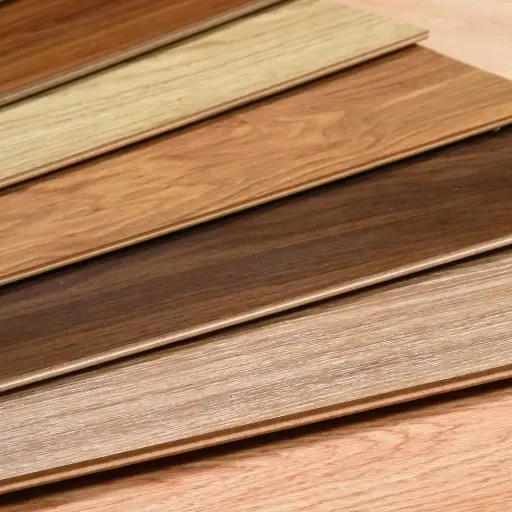
Sustainable Wood Veneer: FSC Certification & Eco-Friendly Practices
For a long time, wood veneers have been regarded as one of the best materials, as they could easily be used for beautiful and functional purposes in every imaginable manner, from making the most elegant furniture to perfecting the interior design. On the other hand, the world sustainability trend has shaken the market and it is no longer a question of whether the environment is an issue but rather how to align one’s business practices with that of Mother Earth. The current blog post discusses the importance of Forest Stewardship Council (FSC) certification in the global wood market and at the same time reveals the new technologies and practices that make the sustainable veneer sector more dynamic.
Understanding Sustainable Veneer

What is Veneer?
Veneer is a thin layer of wood that is usually cut or peeled from a log and then glued to a substrate to make a lovely, natural wood surface. It is a method commonly used in furniture, cabinetry, and interior décor and has the effect of very effectively using the best woods by allowing the extraction of the maximum from each log. Not only does this process decrease wastage, but it also makes the high-quality wood species more transferable to different uses.
Veneer can be produced through various methods, such as rotary cutting, plain slicing, and quarter cutting; each of which provides different grain patterns and aesthetics. Recent industry figures indicate that the market for veneer has been growing continuously, with its global market size assessed at about $1.5 billion in 2021 and it being anticipated to attain around $2.1 billion by 2028, because of the higher demand for eco-friendly materials for building.
Veneer Types: Wood and Stone
Wood Veneer
Wood veneer is obtained by cutting natural wood into thin layers that are then glued to plywood, MDF, or particleboard. It spotlights the charm and individuality of natural wood, presenting textures and grain variations that are not only beautiful but friendly to the environment too. Recent market research has foretold that the global wood veneer market will be expanding at a CAGR of about 6.2% during the years 2023 to 2028, signifying the increasing need for such wood that is both sustainable and economical when compared to solid wood. Several species, such as oak, maple, walnut, and cherry, are available when it comes to wood veneers, thus giving the designers and manufacturers ease in getting the desired finish.
Stone Veneer
Stone veneer is a thin, lightweight, and more versatile product that gives the same natural beauty as that of the stone. It is made by slicing either natural or artificial stone into thin sheets that can be used inside the house or outdoors. With the booming construction and home refurbishment industries, the market for stone veneer is expected to rise to $17.3 billion worldwide by 2026 as a result of the growing popularity of strong and weatherproof materials. Among the commonly used stones are limestone, slate, granite, and quartzite. Fake stone veneers that are made of concrete or composites also give rise to a more affordable option that not only resembles natural stone but is also easier to install.
Veneer Manufacturing and Sustainability
Sustainability in veneer manufacturing is an effort to lessen the negative impact on the environment while ensuring the responsible sourcing and production of materials. Sustainability practices for wood veneers would include the use of timber that comes from forests where good management is practiced and has been certified by organizations such as the Forest Stewardship Council (FSC) or the Programme for the Endorsement of Forest Certification (PEFC). These certifying bodies guarantee that the wood is cut in a way that allows for the preservation of biodiversity, reduction of deforestation, and protection of the habitat.
In comparison, the sustainability aspect of stone veneer consists of not to mention the light weigh man-made options available instead of the traditional stone. These manufactured goods are generally composed of recycled material or are produced by shortening the energy-demanding quarrying process. For instance, in comparison to full-dimension natural stone, manufactured stone veneer can cut down material wastage by up to 80% because of its thinner format and less cutting needed during installation.
Environmental Benefits of Sustainable Wood Veneer
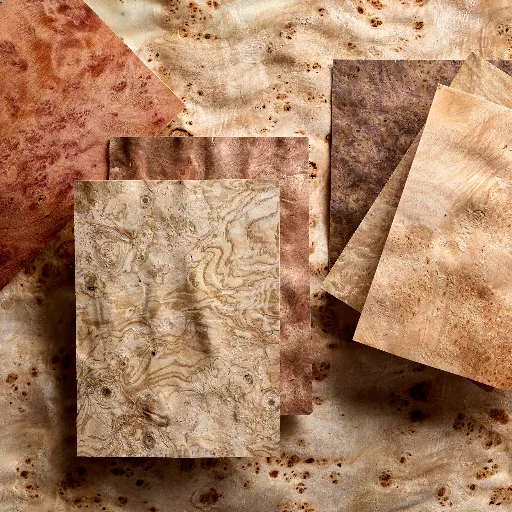
Reduction of Environmental Impact
Sustainable practices in veneer manufacturing have a huge positive impact on the environment as they take responsible sourcing and less wastage of resources. For instance, the certified wood veneer production very often is the one that has reliance on certified forestry programs, to name a few, those of the Forest Stewardship Council (FSC) or the Program for the Endorsement of Forest Certification (PEFC). These programs take care of the tree being cut from the forest that is managed properly focusing on biodiversity, soil health, and the preservation of ecosystems.
Moreover, the efficiency of the veneer manufacturing process can be outstanding. According to the studies, the cutting of logs into thin slices can obtain a maximum of 95% of the raw material, in comparison to such less efficient methods as solid wood production, where very high percentage wastages are imposed. This whole treatment leads to a considerable waste reduction.
Sustainable Practices Leading to Carbon Footprint Reduction
Veneer manufacturing that adopts sustainable practices reduces carbon footprints not only of its own but of other industries too. Among the various sources contributing to this reduction, one is the replacement of fossil fuels with renewable energy sources in during the production. The manufacturers can then rely on the solar, wind, or hydroelectric power, which, by cutting down the greenhouse gas emissions to a high extent, can be quite a lot like that. For instance, it has been found through studies that if renewable energy is deployed in the industrial processes, emissions can be reduced by as much as 30%, depending on the specific energy mix.
Moreover, the production has been modernized and energy-efficient machines have been installed so that energy consumption is kept low. Up to a 15% drop in energy use has been recorded in production plants which have gone for energy-saving technology compared to those that have not. Besides, recycling waste materials is now an important step that has been taken. The manufacturers, by turning wood chips and other by-products into new veneers or other products, not only reduce their waste but also prevent emissions from new resource harvesting.
FSC Certification: What You Need to Know
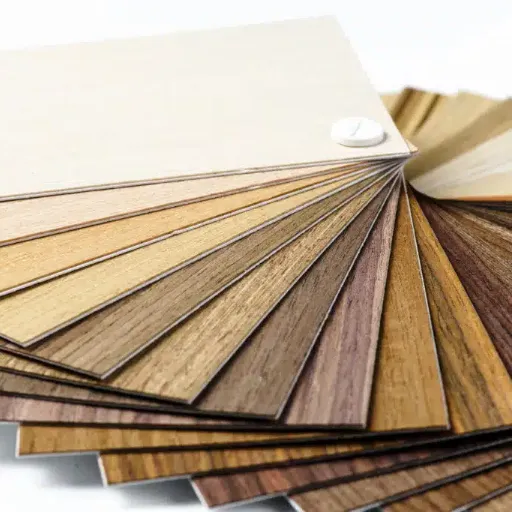
Understanding FSC Certification for Veneer Products
The Forest Stewardship Council (FSC) certification is a worldwide recognized standard that guarantees wood and wood-based products, such as veneers, come from well-managed forests. The FSC certification is an open invitation for the consumers to take part in the environmental, social, and economic sustainability and at the same time, it gives them the assurance that their purchases won’t be the cause of deforestation or any other type of environmental damage.
In the case of veneer products, the FSC certification assures the ethical sourcing of the raw materials through a chain of custody process. Current studies indicate that FSC certified forests are biodiversity-friendly, harm water quality and pay workers well. To illustrate, in its 2023 report, the FSC claims that over 230 million hectares of forests all over the globe have earned the FSC certificate, thus marking a very important step towards sustainable forestry practices.
The necessity of the ethical sourcing in the Veneer production area
Ethical sourcing practice in veneer manufacturing is a guarantee for the period of the entire cycle of the product at the retail stage and further on. This is an environment-friendly policy, as it protects the planet while making sure that the greenery gets its fair share economically. Each of the manufacturers, who make their products using the materials of the forests that have been taking care of environment, plays an important part in the ecological movement.
Recent statistics show that illegal logging and unsustainable practices led to an annual loss of about 10 million hectares of forest in the years 2015-2020. Amongst the different activities, unethical sourcing practices like FSC and PEFC have been taking the lead in offering solutions for these issues. These activities are a means to assure that not only wood but also veneer products come from providers who care for nature and respect people’s rights.
Still, it is not only the environmental advantages that come along with the ethical sourcing but also that the workers in the supply chain get paid fairly and treated well. Research done recently indicates that 56% of shoppers all over the world would rather purchase from companies that are labeled as ethical by on the basis of their practices. The movement of the consumer is a clear sign of the leakage of the manufacturers practicing the same from the effective demanded transparency and accountability in the veneer industry.
Innovative Uses of Sustainable Veneer
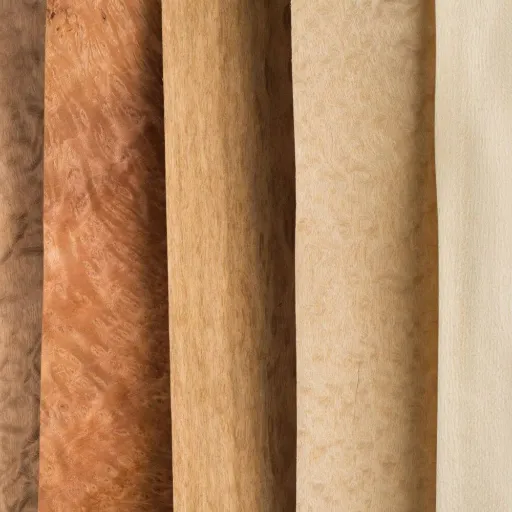
Architectural Applications of Sustainable Veneer
Sustainable veneer has been a game changer in modern architectural design since it is both nature-friendly and artistically adaptable material. It is becoming more common for designers and architects to use FSC-certified veneers in their projects, which helps them to lessen their impact on the planet and at the same time maintain good design and quality.
Veneer has been extensively utilized in wall cladding and decorative paneling as a material offering a cost-effective and eye-catching alternative to hardwood. The latest statistics show that the usage of sustainable veneer in interior design can produce up to 40% less waste when compared to the use of traditional solid wood. This aspect makes it an enticing choice for residential, commercial, and hospitality projects looking to achieve LEED certification.
One more creative utilization of veneer is in modern furniture and cabinetry, where designers give priority to this material for its light weight and good imitation of the look of solid wood. Cutting-edge manufacturing methods have opened up the availability of veneers in different textures, patterns, and colors, enabling highly personalized designs that can be matched with any architectural style.
Interior Design Trends Utilizing Eco-Friendly Veneers
The need for sustainable materials has soared and eco-friendly veneers have consequently taken the lead in the modern interior design scene. The application of these veneers is seen in a range of areas, such as wall paneling, cabinetry, and furniture design, since both designers and homeowners are in search of ways to promote aesthetics with environmental friendliness.
The application of textured and natural finishes is one of the major trends that highlight the true beauty of the veneer’s grain while at the same time creating a warm and inviting atmosphere. A 2023 report on sustainable architecture indicates that about 35% of recently upgraded residential and commercial spaces contained eco-friendly veneered furnishings as a way to support sustainability. These finishes not only improve the look of the interiors but also go hand in hand with the growing demand for minimalist and biophilic designs.
Highly durable and uniform wood replacements have been the main reason why engineered veneers gained popularity. These engineered options unlike the traditional ones use less wood and make the best possible use of resources, which is why they are preferred in large spaces like hotel lobbies or office areas. The figures for last year’s engineered veneers in commercial construction projects show a 20% increase in the adoption rate.
Case Studies: Successful Projects Featuring Sustainable Veneer
1. Green Horizon Corporate Office, Singapore
Sustainable veneer application in commercial settings is clearly demonstrated by the Green Horizon Corporate Office in Singapore. The designers, given the task of making an eco-friendly workspace, used engineered veneers wall cladding, partitions, and furniture to a large extent. 30% less construction waste was generated from using FSC-certified wood sources, which is one of the benefits of employing these veneers. This method not only resulted in less ecological impact but also gave the office an aesthetic appeal with the same roughness and warmth of the naturals.
2. Urban Heights Hotel, Los Angeles
The Urban Heights Hotel is known for its eco-friendly building principles, which are very prominent in the use of engineered veneers inside the building. The veneers used in lobby wall panels and suite furnishings were chosen for their durability and low maintenance requirements. By choosing engineered veneers, the hotel was able to report a 25% savings in total material costs, which also helped the building achieve LEED Gold certification. Guests have liked the natural yet sophisticated vibe, thus demonstrating the good coexistence of sustainability and luxury.
Integrating Sustainable Veneer into Your Projects
Practical Insights for Architects and Designers
Sustainable Materials Preference
A recent report by the American Institute of Architects (AIA) shows that more than 70% of architects are giving the most importance to the application of sustainable materials in their designs. One of the best choices among them is the reconstituted veneers as they are not only manufactured through eco-friendly processes but also help preserve the diminishing natural wood resources.
Possibilities for Customization
The technology involved in veneer production has advanced to the extent that it has become much easier to create custom-made designs. Customized reconstituted veneers with different grain patterns, colors, and textures are now being offered by many manufacturers. This feature gives them the ability to fit in with the design perspective chosen—be it modern or traditional.
Durability and Care
Studies say that reconstituted veneers, if properly finished and treated, can last as long as natural ones. On the other hand, their smooth surface sometimes makes them easier to clean and maintain, which results in lower long-term upkeep costs for the clients.
Cost-Efficiency with No Sacrifice
As per the industry data, reconstituted veneers can be 25-50% cheaper than premium natural wood veneers, yet they would still provide the same visual uniformity and consistency of quality. This trait renders them a budget-conscious option for the bigger projects that do not want to give up on the aesthetic appeal.
Wood Veneer Sheets for Creating Eco-Friendly Spaces
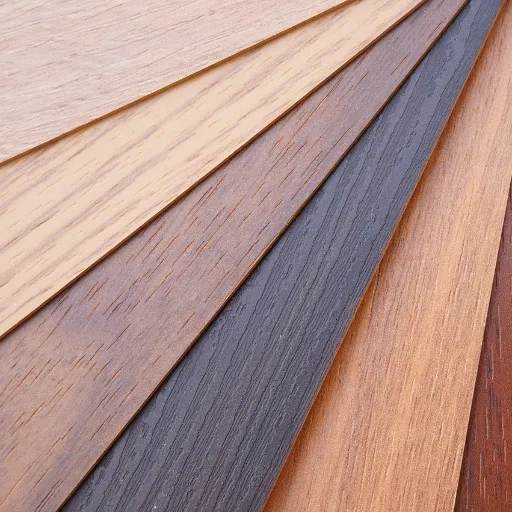
Wood veneer sheets are a versatile and sustainable option for eco-friendly interiors. These ultra-thin wood layers are obtained through processing the logs in such a manner that maximum yield is obtained. In comparison with solid wood furniture or panels made in the traditional way, the waste is almost negligible. Recent research reveals that the use of veneers can save the raw material up to 75%, thus making them the greenest option in interior decoration.
In the case of choosing wood veneer sheets from responsibly managed forests with certifications such as FSC (Forest Stewardship Council), designers can make sure that their projects will be involved in supporting sustainable forestry practices. Furthermore, advanced manufacturing technologies have also contributed to the veneer durability, thus cutting down the frequency of replacements and conserving resources.
Modern wood veneers have lower carbon footprints than alternative materials, as they require less energy-consuming processes. When formaldehyde-free adhesives and finishes are used along with them, they help in maintaining the indoor air quality, which is very important for the health-oriented and eco-friendly interiors. Thus, wood veneers become an excellent fit for working spaces, residences, and even public buildings aspiring for green certifications such as LEED (Leadership in Energy and Environmental Design).
Reference Sources
-
Wood-Veneer-Reinforced Mycelium Composites for Sustainable Building Components
- Published in: MDPI
- Key Insights: Explores the development of 100% bio-based mycelium-wood veneer composites, combining the advantages of both materials for sustainable building applications.
- Source
-
Application of Holistic and Integrated LCSA: Case Study on Laminated Veneer Lumber Production in Central Germany
- Published in: Springer
- Key Insights: Assesses the holistic sustainability of laminated veneer lumber production using Life Cycle Sustainability Assessment (LCSA) methods.
- Source
-
Laminated Veneer Lumber (LVL) Sengon: An Innovative Sustainable Building Material in Indonesia
- Published in: UTHM Publisher
- Key Insights: Highlights the use of Sengon laminated veneer lumber as a sustainable building material to address housing backlogs in Indonesia.
- Source
Frequently Asked Questions (FAQs)
Are reconstituted veneers a truly sustainable interior alternative?
Reconstituted veneers certainly have the potential to become a sustainable product if wood and other fibers recycling are done in a proper manner: besides using wood fiber and recycled wood, they also often utilize waste materials from felling or young and fast-growing forests, thus lessening the demand for rare and exotic species wood cuts from the regular suppliers of wood. High-quality reconstituted wood veneer makers using eco-friendly processes and having a strong commitment to sustainability that allows the veneer to be a green choice for the eco-minded homeowners and the construction industry which is their target market unlike some laminate or man-made finishes like that which use harsh chemicals which are not good for the environment.
Which one is more eco-friendly, stone, wood or veneers?
Veneers are perfect in bringing the look and feel of natural stone or hardwood without the extraction impacts and the heavy weight of the real stone or the high and constant demand of rare and exotic hardwood species. The use of sustainable veneer is overall less in material and can be done on substrates for a long-lasting appearance, thus becoming an environment-friendly, cost-effective and easier-to-install eco-friendly alternative for many interior finishes.
Is it possible for both stone veneer and wood veneers to be eco-friendly?
Sure — both stone veneer and well-sourced wood veneers can be environmentally friendly as long as the production process and sourcing are based on ecological stewardship practices. In the case of wood veneers, the selection of reconstituted veneers or single log slicing and repurposed or recycled wood that is sustainably harvested, lessens the pressure on the exotic species’ forest while for stone veneer, selecting reclaimed or manufactured stone reduces quarrying. Look for suppliers who actually commit to sustainability with their clear policies and certifications that validate environmentally friendly practices.
What is the role of forestry management in the production of truly sustainable veneer?
Forestry management is the core of it all: good forest management not only provides the wood market with replenished supplies but also maintains the long-term health of the ecosystem by promoting fast-growing, well-managed forests, dispersing suffering among rare and exotic species, and adopting harvesting practices that allow the forest to grow back for generations to come. Reconstituted woods, along with that, and recycled wood practices are the ones that composite forestry-wise these environmental friendly and eco-friendly project suitable veneers.
Is reconstitute or reconstituted veneer the same as laminate, and which is better for the environment?
Reconstituted veneers are made out of wood fibers, which are mixed and arranged in a way that imitates the looks of real wood, whereas laminate consists of a synthetic surface usually attached to a core material of some kind. Contrary to that where real wood content is less in Laminates and more in veneering, the latter can be termed as a sustainable alternative if it makes use of recycled timber and low-VOC adhesives, whereas laminates might depend on more synthetic resins and plastics; opt for the products that carry environmental certifications and have transparent manufacturing to get the maximum eco-friendly benefits.