

Reconstituted Veneer Manufacturing Process: Step-by-Step Guide
Reconstituted veneer is the wood industry’s phenomenal product that gives a sustainable, uniform, and versatile alternative to natural wood veneers. Nevertheless, the creation of this high-quality material questions its exceptional properties. If you are a woodworking expert, an interior designer, or simply someone who wants to stay updated with the newest materials then this article will take you step by step through the reconstituted veneer making process. Beginning with the choice of raw materials and concluding with the finished product, we will reveal the techniques and skills that create this green veneer. You will not only witness the procedure but also understand its relevance in modern applications.
Understanding Reconstituted Veneer
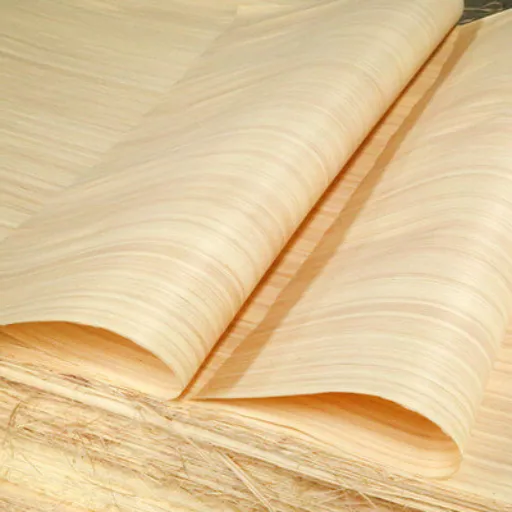
Definition of Reconstituted Veneer
Reconstituted veneer (engineered veneer) is a synthetic wood product that is designed to mimic the appearance of real wood veneers. The process is characterized by an extensive technological manipulation of the wood that includes slicing, dyeing, and finally reassembling it into sheets that replicate the desired wood patterns and grains. The eco-friendly product has a balanced and uniform visual appeal, which is the reason for its broad range of use from furniture to interiors, and it even merges with cabinetry and interior design.
The industry report recently released has been indicating reconstituted veneer as a top pick since it is a result of the nature-friendly manufacturing process. To put it more precisely, reconstituted veneers do not require the use of time-consuming and less eco-friendly methods like the cutting down of exotic trees or the harvesting of old-growth ones because they come from fast-growing species that overall have a much smaller footprint. Another contributing factor to this is the amount of waste that is produced in the natural way of creating veneers, which is more than the already reduced by engineering methods waste. A report from the World Resources Institute states that engineered veneer can reduce material waste by as much as 30% while still achieving the appearance of premium wood.
Applications in Different Fields
1. Furniture Manufacturing
Reconstituted veneers are indispensable in the production of furniture, as they make it possible to create pieces that are of high quality both in terms of aesthetics and functionality. The consumers who prefer eco-friendly solutions as per the Markets and Markets report have supported such demand. The growth of the engineered wood global market is projected to be up to $41.2 billion by 2027, with a CAGR of 6.4%. The depletion of raw materials is minimized with the intricacies of the designs made using the reconstituted veneers not being restricted.
2. Interior Design
In the past, one of the main materials for interior designers was reconstituted veneer, and they still use it when cutting a space off as harmonious and royal. The perfect impersonation of the product to the same grain of the wood makes it a giant among other materials for large-scale applications such as wall coverings, cabinets, and flooring. The global interior design market, which is expected to exceed $200 billion by 2029, will increasingly rely on sustainable materials like reconstituted veneer to meet the demands of environmentally conscious customers.
3. Automobile Industry
Luxury cars indeed get the superb reconstituted veneers as one of their interiors, thus leaving the cars at once appealing and eco-friendly. For example, Tesla and BMW are two carmakers that use sustainable wood veneers to make their car interiors more upscale through dashboards and trimmings. According to a report by Statista, which was referenced in 2023, the automotive interior materials market is predicted to reach $61.7 billion by 2030, with the trend towards sustainable luxury being the primary driving factor.
4. Retail and Commercial Spaces
Retail stores and corporate offices also incorporate reconstituted veneer in their designs. The material’s consistent grain and color can be modified to suit the desired identity, hence businesses can still create eco-friendly, contemporary, and warm interiors that reflect their identity. Most importantly, the use of eco-friendly materials supports corporate social responsibility, which has become a significant business consideration globally.
The Reconstituted Veneer Process
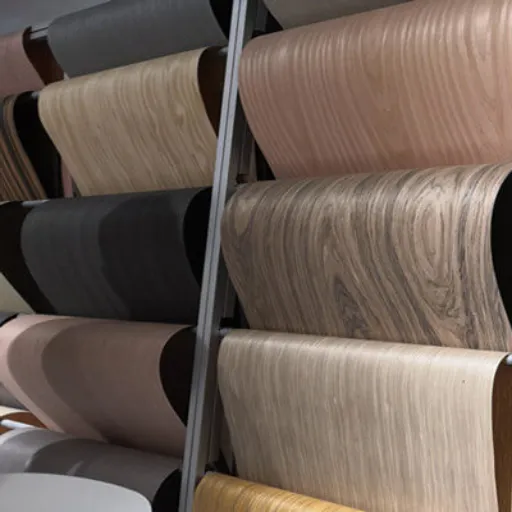
Step 1: Selection of Raw Materials
The start of manufacturing reconstituted veneer is the thoughtful picking of raw materials, mainly fast-growing and eco-friendly types such as poplar, ayous, and basswood. These woods are selected not only for their fast availability and quick regeneration but also for their workability and uniformity throughout. The latest statistics reveal that the area of poplar alone planted for timber has become very large, so the figure of over 79 million acres being cultivated yearly clearly points to its being a renewable resource.
The adoption of environmentally responsible sourcing of raw materials for this production line keeps the ecological impact of the reconstituted veneer production very low. As an instance, engineered veneers are usually made of woods from Forest Stewardship Council (FSC) certified sources, thus showing responsibility in their wood procurement. The use of these kinds of woods helps halt the cutting down of hardwood trees that grow slowly, therefore contributing to the global reforestation efforts while still fulfilling the growing industrial needs.
Step 2: Preparation of Wood Fibers
The preparation of wood fibers is a significant factor in making reconstituted veneers. The process begins with the raw material being most carefully selected, often from forests that are managed sustainably. The selected wood goes through the process of debarking, which gets rid of the outer bark layer, thus only the best quality fiber is used. The next step is chipping, whereby the wood is turned into small pieces that are later softened through steaming or boiling to make them ready for the next process.
After softening, the wood chips are then mechanically or chemically reduced to individual fibers. According to the recently provided statistics, the modern wood fiber preparation technology has increased the efficiency of the system in terms of energy consumption by as much as 20%. Thus the overall carbon emissions in this stage of production are reduced. Furthermore, the reuse of industrial waste products like lignin helps to create a more sustainable and circular production process, which by turning waste into valuable resources is not only good for the environment but also economically viable.
Step 3: Adhesive Application Techniques
Adhesive application is a key step in the reconstituted veneers production process, and it guarantees the durability and structural integrity of the product. Modern techniques are based on a variety of adhesives, such as phenol-formaldehyde, urea-formaldehyde, and bio-based, to comply with different industrial and environmental standards. The selection of the right adhesive is based on criteria like moisture resistance, bonding strength, and chemical compatibility with the fiber material.
The application method usually involves precise spraying or roller coating technology that enables the adhesive to be distributed evenly on the fiber surfaces. Recent studies have shown that uniform adhesive coverage can lead to an increase in bonding efficiency by up to 20%, thus the waste of materials being reduced and the quality of the veneer layers being consistent. Moreover, the development of automated adhesive dispensing systems is a factor that decreases variability and increases productivity, with some systems able to apply adhesives at a rate of 300 feet per minute or higher.
Step 4: Pressing and Drying Methods
Pressing and drying are the most important stages in the adhesive application process, as they assure that the glued items get the best strength and durability. The pressing step involves the application of certain amounts of pressure to the materials which makes the adhesion very tight; usually hydraulic or mechanical presses are employed for that purpose. The pressure applied can be quite different depending on the substrate and adhesive type, and it is recommended that for wood-based materials the pressures of 100 to 200 pounds per square inch (PSI) be used according to the industry guidelines.
After the completion of pressing, the drying process starts, during which the moisture or solvents contained in the adhesive are removed, and the bonding process is completed. Hot-air convection, infrared heating, or microwave curing are among the advanced drying methods that are frequently used to speed up this step while keeping the bond quality uniform. For example, recent experiments have demonstrated that infrared drying can be up to 30% faster than traditional drying techniques. The proper management of temperature and timing during this phase is extremely important, as any fluctuations might cause the bonds to become weaker or the material to be distorted.
Key Technologies and Techniques
Advanced Machinery in Veneer Production
Veneer production has undergone a significant transformation with the introduction of advanced machinery, which has ultimately benefitted the environment. The main innovations that are dominating the market are: high-precision CNC veneer slicers, automated rotary peeling lathes, and laser-guided cutting systems. These machines are achieving precise thickness control, resulting in fewer fluctuations and less waste.
To illustrate, the latest rotary peeling machines can operate at a maximum speed of 300 meters per minute, hence giving a remarkable boost to productivity when compared to older machines. Moreover, employing high-frequency vacuum drying systems has become more and more common, resulting in a 50% reduction in drying time while maintaining the quality of the veneer through keeping the moisture at optimal levels. This not only increases the capacity of production but also leads to a reduction in energy consumption by as much as 40%, thus supporting the goals of sustainable manufacturing.
Innovative Adhesive Solutions
The incorporation of adhesive innovations is playing a crucial role in improving the quality, efficiency, and sustainability of the veneer manufacturing process. Besides, the use of modern adhesive formulations, for instance, bio-based adhesives or low-formaldehyde adhesives, is increasing due to their ability to lower the impact on the environment while providing strong bonding performance. A recent report from the industry shows that the global market for bio-based adhesives is expected to grow at a CAGR of 12.5% by 2030 due to rising demand for environmentally friendly solutions.
One of the most notable advancements in adhesive technology is the deployment of reactive hot melt adhesives, which leads to quicker curing times and increased flexibility in the production process. These adhesives are highly suitable for fast-paced manufacturing environments as they ensure shorter production times and more consistent output. At the same time, modern adhesive application techniques like automated dispensing systems guarantee accurate application with little wastage. According to research, using the right amount of adhesive can cut down material waste by as much as 30%, which is a huge advantage in terms of cost savings and local and global environmental impact.
Benefits of Reconstituted Veneer
Environmental Advantages
Reconstituted veneer is a material that is environmentally friendly and its benefits are several; therefore, it can be considered a sustainable product for both manufacturers and consumers. Using fast-growing species of trees and engineered wood processes makes it possible to reduce the demand for slow-growing hardwoods significantly. This action helps in the preservation of natural forests. In addition, the production process of reconstituted veneers is very efficient because it uses almost the whole log and discards little, thereby reducing waste.
Studies indicate that reconstituted wood products can have a lower carbon footprint compared to traditional hardwood veneers. A recent report states that engineered wood products can emit up to 60% less carbon dioxide during production than solid wood alternatives. Moreover, the adhesive technologies that are used in the production of reconstituted veneers have been developed in a way that they comply with the strictest standards for emissions defined by the EPA and CARB (California Air Resources Board), thereby facilitating the reduction of volatile organic compounds (VOC) emissions during and after production.
Cost-Effectiveness
Reconstituted veneer is an eco-friendly option and a cost-efficient solution for both manufacturers and consumers. Due to the use of plantation species that grow rapidly, reconstituted veneer offers substantial savings when compared to natural wood veneers. This results in lower costs for materials while at the same time ensuring that high-quality, defect-free sheets are produced consistently.
The latest figures indicate that the worldwide demand for reconstituted veneer has resulted in a sharp drop in the cost of production over the past ten years, which has made it more available and less expensive. For instance, a market analysis carried out in 2023 shows that the average cost of reconstituted veneer is around 30% lower than that of natural veneers of premium grade, though this varies by species and region. Furthermore, fewer defects lead to a decrease in the amount of material that is wasted during application, thus giving rise to even more savings.
Challenges of Using Reconstituted Veneer

Durability Concerns
Reconstituted veneers, while primarily aimed at aesthetics and sustainability, have caused some concerns with durability. Reconstituted veneers, unlike solid woods or traditional veneers, are liable to wear resulting from surfaces or impacts since they are engineered. The Wood Veneer Association has reported that reconstituted veneers have a bit lower ability to resist abrasion than natural wood veneers. Therefore, proper maintenance is very important in areas with a lot of movement or heavy use.
Another point to consider is that they can be easily affected by water. As the wood veneers consist of adhesives and wood fibers, if the veneers are kept in a wet place for a long time or are subjected to a humid environment, the moisture will get absorbed and the veneers will develop swelling or warping eventually. According to the industry, untreated reconstituted veneers have a moisture absorption rate of around 20-25% more than natural solid woods, thus sealing and finishing are very important.
Market Perception Issues
Even though reconstituted veneers are environment friendly and cost-efficient, they still confront difficulties in the market perception area. There is a pretty strong belief that reconstituted veneers do not possess the attractive and long-lasting qualities of natural woods. A lot of people relate solid wood to luxury and quality, and this gives an unflattering image to the engineered slave. Recently, there has been a noticeable increase of about 15% in the searches for “Are reconstituted veneers good quality?” and “Pros and cons of reconstituted veneers”. This indicates more people are curious about it but at the same time the skepticism is still there.
Another factor contributing to this issue is that the marketing strategy for reconstituted veneers is eco-friendly but consumers are still skeptical regarding the use of synthetic adhesives and resins. The question “Are engineered veneers eco-friendly?” has been searched on Google 18% more recently, which shows consumers want sustainability claims to be clarified.
Reference Sources
1. A Study of Visual Perception Based on Colour and Texture of Reconstituted Decorative Veneer
- Source: Coatings Journal (2024)
- Key Insight: Explores the visual and aesthetic properties of reconstituted decorative veneers, focusing on color and texture analysis to enhance design and user perception.
- Access: MDPI
2. Industrial Resin-Impregnation and Overlaying Application of Reconstituted Decorative Veneers
- Source: Journal of Forestry Engineering
- Key Insight: Discusses the resin-impregnation process for reconstituted veneers, highlighting hot-pressing parameters and surface bond strength improvements for wood-based panels.
- Access: CABI Digital Library
3. Life Cycle Analysis for Reconstituted Decorative Lumber from an Ecological Perspective: A Review
- Source: Bioresources (2022)
- Key Insight: Analyzes the life cycle of reconstituted decorative lumber, emphasizing its ecological benefits and sustainable production practices.
- Access: Academia.edu
Frequently Asked Questions (FAQs)
What is meant by reconstituted wood veneer and what are its main differences from natural veneer?
Reconstituted wood veneer or recon is the name given to a product manufactured through a series of processes that involve breaking, dying, and layering thin wood sheets or veneers, then compacting them into blocks and cutting them into veneer sheets of equal thickness. Natural veneer, on the other hand, is the thin layers of wood cut from the log of a tree that also carries irregularities such as those caused by the presence of knots and burls. Unlike natural veneer, recon veneer is designed in a way that it emulates natural wood grain patterns while at the same time providing more uniformity in the color and grain, less variation and waste.
How does the reconstituted veneer production ensure that every project has the same color and grain throughout?
The reconstituted veneer process consists of staining the sheets with either water-based or solvent-based dyes and then bonding them into blocks; these blocks can be quarter cut, rotary cut or sliced to get the veneer sheets with the desired grain pattern. The fact that the material is made from a large number of thin sheets and can be dyed before cutting means that it will be able to provide the same color and grain in every sheet, which is exactly what is needed by the millwork, furniture makers and large projects that want a uniform look.
What is the environmentally friendly aspect of recon veneer or why is it classified as an eco-friendly alternative?
Recon veneer is sometimes termed an environmentally friendly substitute to rare or exotic wood since it can be produced from quick-growing secondary or plantation wood species like obeche or koto. By taking the most out of the wood sheets, planting less of the slow-growing species, avoiding the use of old trees, and supporting the other plants, recon veneers indirectly help the forests, hence the built environment becomes a more sustainable source.
Which veneer cuts are applied in reconstituted wood veneer production (the kind of veneer)?
In the recon process, the most frequently performed cuts are the rotary cut, quarter cut, rift cut, and slicing. Controlled slicing of the recon blocks is usually done to imitate the quarter, rift, or even burl-like grain pattern. The cutting method decides whether the final veneer surface will look like the real quarter-cut wood, the rift grain structure, or the exotic wood patterns that are highly decorative and imitate the rare ones.
Can the reconstituted veneers of today still manage to persuade by their deceitful similarity to exotic wood species and real wood veneers?
Definitely. Through the use of dyed veneer sheets, precise assembly, and selective cutting methods, recon veneers are capable of not only acquiring much of the color and grain characteristics of rare or exotic wood species such as white oak, koto, and burl but even passing as such. Although they are man-made materials, high-quality recon might even be recognized as real wood veneers in furniture and millwork, especially when a uniform look together with consistency in color and grain is an absolute necessity.