
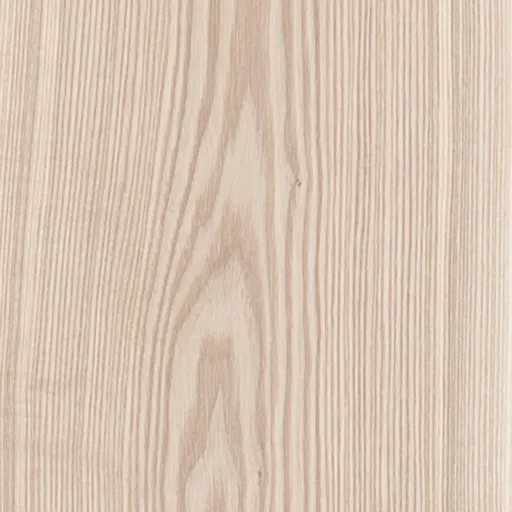
Ash Wood Veneer: White Ash and European Ash Compared
The ash wood veneer is the most preferred option among commonly used materials that range from furniture to cabinets and interior designs. To a large extent, it is due to its distinctive beauty and the ability to adapt to various applications. Nevertheless, the differences between the White Ash and the European Ash are sometimes not clear, and thus the forests of the different ash veneers become even more confusing. This article discusses the characteristics, visual attraction, and the different types of ash wood veneer including the White Ash and the European Ash. If you are a professional in the industry or a homeowner who wants to design a house, you will soon know how to select the veneer that fits your aesthetic and functional requirements. Read to the end to find out which ash veneer type appeals to your imagination the most!
Introduction to Ash Veneer
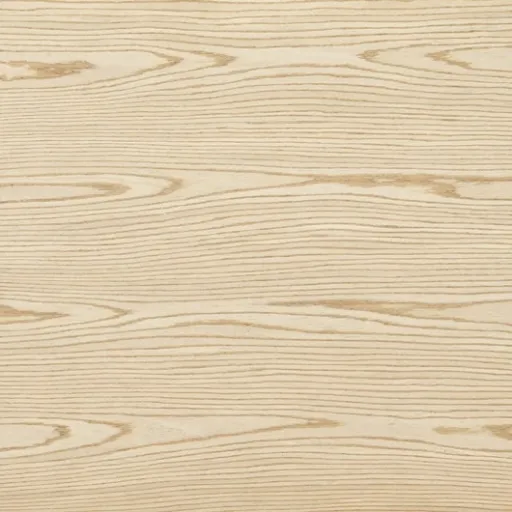
What is Ash Veneer?
Ash veneer is the main application of the thin top layer of a tree which is peeled or sliced off the wood of the ash trees. These trees are regarded as strong and versatile and the whole process of ash wood veneer production is very fascinating as it shows the beauty of the wood by the white and cream to dark colors of its different patterns and markings. It is a material that has been and is still used a lot in furniture, cupboards, flooring, and wall panels for the attractive appearance and long lifespan of usage.
Ash trees are scientifically called Fraxinus. Moreover, there are various species of ash around the world such as the North American White Ash tree (Fraxinus americana) and the European Ash (Fraxinus excelsior). The White Ash is very popular because of its straight and even grain that is very smooth and nice to the touch. Besides, the wood is tough and highly durable; its Janka hardness score is approximately 1,320 lbf (5,870 N), thus making the wood very suitable for applications where resistance is the primary consideration.
Applications of Ash Veneer
1. Furniture Manufacturing
Ash veneer plays a significant role in the production of high-end furniture pieces like dining tables, chairs, and dressers. The latest surveys show that furniture producers are mostly inclined to ash veneer for its lighter shade and the elegant and unique grain structure that together convey the classic yet modern look. Besides, the material is light and easy to work with allowing for intricate carving, and therefore elaborate designs. A rise in sales of about 15% for furniture made with ash veneer has been reported lately which is a clear indication of the ever-increasing consumers’ preference for eco-friendly as well as stylish alternatives.
2. Home Interior Decoration
Veneer of ash remains the top pick of the interior decorators. It is being used for wall panels, doors, and shelving, particularly in modern and Scandinavian-style houses. Its natural appearance and touch make the different spaces more attractive without losing the charm of being simple and sophisticated. The trend of using wood veneers like ash for interior refurbishment is becoming more and more prevalent, and the market for wood interior surfaces is predicted to expand by roughly 4% per year for the next five years.
3. Business and Office Settings
Veneer of ash is not only the most popular option in the commercial sector but also the office furniture sector. It is found in the form of conference tables, desks, and lobby designs. The aesthetic appeal of the material along with sustainability is the prime factor considered by the companies in making their interiors’ material selection. The latest market surveys indicate that ash veneer has emerged as one of the most sought-after sustainable materials for office furniture, being the choice of around 20% of the participants in the recent veneer preference surveys.
4. Doors and Cabinetry
The main usage of ash veneer wood is where its strength and texture can be utilized in both functionality and aesthetics. Especially, ash veneer is recognized for its non-cracking characteristic that ensures the longevity of production in high-traffic items such as sliding doors or kitchen cabinets. The global market’s preference for wood-veneered doors is gradually increasing with ash wood being one of the key contributors to this upsurge.
The Benefits of Ash Veneer
Durability and Strength of Ash Wood
Ash wood has gained a lot of respect for its durability and beautiful strength making it a favorite wood for various applications such as furniture, construction, and even sporting goods. With the Janka hardness rating of approximately 1,320 lbf (for white ash), the wood is so strong that even its surface can be scratched only with great difficulty and it can be used for a long time without being taken replaced. Its amazing power also comes along with a great deal of bending Ash is still the most used wood in sectors where it is very contrary to try requirement of toughness-resilient like baseball bats, handle tools, and flooring.
European ash, a cousin species, is not all that different when it comes to mechanical features with Janka’s rating of about 1,100 lbf. Hence, it is less hard than white ash; nonetheless, it still is pretty strong for many structural and decorative purposes, especially in those areas where the wood is readily available. Studies have shown that ash has a density of 0.60 to 0.85 g/cm³ for various species, which aids its light yet strong construction.
Aesthetic Appeal of Ash Veneer Sheets
Among the most gorgeous of natural wood veneers ash veneer sheets are, the reason being most prominent is their extraordinary grain patterns and soft colors together forming a classic pure beauty. The ash veneer’s light, creamy shades impart a warm and cozy feeling to the interior spaces, which is the reason why it is preferred by both modern and classical designers. Regarding the grain, ash veneers generally exhibit straight lines with rare wave-like character, thus yielding a surface that is rich, and full of personality.
In recent times, commercial studies have pointed out that the major area of application for the wood veneer sheets lies in the production of cabinets, wall panels, and furniture mainly due to their aesthetic appeal and versatility. These sheets are offered in different finishes from matte to glossy and the customization according to one’s particular stylistic preference is also an option. In addition, the use of ash veneer is in line with the principles of sustainable design as veneers resource the wood to the maximum through the production of thin layers and hence material wastage is minimized.
Current Trends in Ash Veneer Design
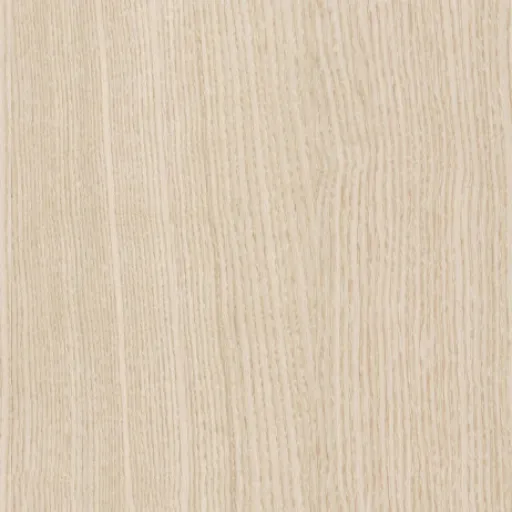
Modern Interior Applications
The use of ash veneer in interior design is really in vogue today and the attributes of this woody material i.e. its pale hue, the distinctive patterns of its grain, and the fact that it can serve various purposes. Among the many places where ash timber is applied, the most notable one is custom-made furniture. The hardiness and adaptability to blend nicely with various aesthetics make it the top selection for both purists and lovers of Scandinavian styles. In addition, wood has been envisaged to become a wall covering sooner or later to be providing the desired posh yet snug appearance through a gradual entry that is typical of modern-day luxe.
The latest intel appears to suggest that ash veneer has been a favorite among the makers of the top echelons of the furniture sector from the very beginning, as over 40% of the manufacturers have taken the material into account in their exquisite creations. Its being trouble-free with the up-to-date surfacing techniques like staining and lamination has been the conspicuous reason behind this growth, as it permits the artisans to achieve the custom looks that range from rural to super modern. Furthermore, its environmental friendliness has managed to convince the ‘green-home’ market of the ‘eco-consciousness’ and thus the ash has been able to maintain its position of being the leading material in the eco-design movement.
Innovative Furniture Designs Using Ash Veneer
Ash veneer has been one of the major materials selected in the production of contemporary and attractive furniture, which are highly appreciated for their attractive aspect and great flexibility. The designers of today are making use of the most sophisticated techniques to set trends that will be trendy but at the same time, and thus appeal to the market with a greater eco-consciousness.
One of the new trends that are ash wood using is modular furniture which means that the elements of it can easily be arranged in different places and for different purposes. For example, a system of cabinets and shelves made of ash wood is designed by high precision engineering for ensuring that they will fit perfectly and also be easy to assemble. The demand for modular furniture has increased all over the world by more than 5.4% in the year 2023 according to the statistics of Statsitica, during which ash veneer has been considered to be one of the best materials because of its versatility.
Another great use is the combination of ash veneer with smart home technology. Furniture designers have not only incorporated wireless chargers, LED lights, and secret storage solutions in their ash desks, beds, and tables but they have also treated the wood to give it a sophisticated and at the same time functional use. A study conducted by Google indicates that the term “smart furniture with wood veneer” is becoming more and more popular with a 23% year-on-year increase, which is a clear sign of strong consumer demand for such hybrid designs.
Sustainability and Eco-Friendliness of Ash Wood
Responsible Sourcing of Ash Lumber
The ash lumber that is the reason for its being is very essential for the sustainability of forests, and off-setting the pollutants coming out of the deforestation activities. The ashes trees are those which are facing the extinction threats from factors like cutting down the forests, insects like the precious emerald ash borer which killed a large number of ash trees in America and Europe. So it is a matter of great concern that the ash lumber, no matter whether made into furniture or in veneer comes from a sustainable and controlled source.
The Forest Stewardship Council (FSC) and the Program for the Endorsement of Forest Certification (PEFC) are the two organizations that are not only popular but also worldwide that approve logs formed by eco-friendly and sustainable methods. The ash wood coming from the FSC shows how forests are viewed and managed as the most valuable resources. For instance, more than 200 million hectares of certified forests exist globally and according to FSC data these forests are in the process of being the reliable sourcing of woods like ash.
Moreover it is very often that such furniture producers are making use of local and reclaimed ash wood as a means of reducing their carbon footprints. Researchers estimate that local suppliers might reduce transportation emissions by as much as 60%. On the other hand, sustainability compliance and transparency not only help organizations and companies in gaining environmentally friendly reputation but also in getting the customers who are interested in ethical materials.
Environmental Impact of Ash Veneer Production
The production of ash veneer takes place always with the same environmental concerns of wood products in relation to wood cutting practices, power and resources, and manufacturing. However, it is still more critical that the situation works with the trend and makes the ash very vital since among others the use of highly susceptible species like ash and borer is threatened. Cutting down trees or bad practices is the leading situations causing the loss of habitats and extinction of species in the forests.
On the positive side, the wood veneer production is said to be in the domain of requiring very little water and power consumption. The production process of wood veneer is estimated to be around 330-700 liters of water per cubic meter of processed wood, and this is entirely dependent on the selected production methods. The same goes for energy requirement, it varies but can be a significant contributor to greenhouse gas emissions when the manufacturing process is powered by non-renewable energy sources.
The good news is that production technologies and recycling have greatly contributed to the huge decrease in the environmental footprint of ash veneer. It is the companies that adopt this circular economy and use the wood offcuts that produce the least amount of waste. Currently, it is estimated that recycling wood products and by-products can lead to a reduction of 30% in the contribution to landfills, and the use of sawdust and other wood waste for energy, in turn, reduces the dependency on fossil fuels.
Practical Advice for Using Ash Veneer
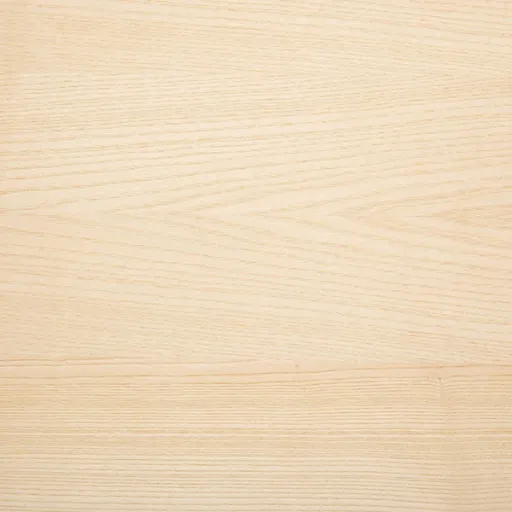
Choosing the Right Ash Veneer Sheet
If you want to pick an ash veneer sheet, you should consider all the various aspects, such as looks, veneer quality, application purpose, and material eco-friendliness. Both white ash and European ash are not only appreciated for their beauty but also for their practical properties. Nevertheless, the awareness of their differences will lead to a well-informed choice.
The veneer of white ash usually presents a straight, light basis with lines through it, which can be a great option for contemporary and minimalist designs. Furthermore, its qualities make it capable of bearing such applications as furniture, flooring, and cabinetry, since its durability and high-density are its main traits. The latest figures show that white ash’s hardness is rated approximately 1,320 lbf in accordance with the Janka hardness scale, thus certifying its leadership as one of the hardest wood species that are more durable.
On the other hand, the European ash veneer gives off a more relaxed and uniform look which include colors of creamy white and light brown daintily combined. Also, its texture most often resembles that of fine fabrics and hence, it fits well to such applications as wall paneling and interior accents wood. Furthermore, the European ash wood equals the hardness of the white ash with the Janka hardness measurement being 1,200 lbf, still permitting the use in situations that require only light to moderate endurance strength.
The ash wood veneer care and maintenance
Cleaning and Dusting
Regularly clean the ash veneer surface with a soft and dry microfiber cloth or, at most, a slightly damp one. Also, do not use harsh cleaning tools that can scratch the surface. For an extra clean surface, you can use a mixture of mild soap and water, but the surface must be dried immediately to prevent water-related damages.
Excess Moisture Prevention
Moisture is ash veneer’s worst enemy as it can warp or swell the veneer; thus, to protect it, do not place veneered furniture or panels in humid areas and make sure that spills are cleaned up immediately. Indoor humidity of 30% to 50% is the recommended moisture level for wood veneer.
Heat and Sunlight Protection
When exposed to direct sunlight for a long time, ash veneer’s surface tends to fade or change color. You may think about moving the furniture away from the window or applying curtains and/or UV-blocking films to prevent your furniture or wall coverings from getting damaged. Additionally, do not place hot items directly on the veneer surface but rather use coasters or heat mats as heat can cause burning or warping.
Cleaning Products Usage
Purchase cleaning products that are exclusively for the wood veneer surface. Strong chemicals or solvents should not be used as they can either ruin the finish or compromise the veneer. For example, ammonia-containing products should be highly avoided.
Scratches and Marks Prevention
Place protective pads or felt under decoration, vases, or hardware to avoid scratching the surface. In case you are writing on the veneer or keeping heavy items, then place soft surface or tablecloth under it to avoid impressions or marks being left.
Reference Sources
-
“Study on the dyeing and fastness properties of ash veneer with acid dyes”
- Key Findings: This study investigates the dyeing properties of ash veneer using acid dyes and the role of methyl alcohol as a solvent. It highlights the dyeability and fastness properties of ash veneer, providing insights into improving its aesthetic appeal.
- Methodology: The research involved dyeing ash veneer samples with acid dyes, analyzing the infiltration process, and evaluating the fastness properties under different conditions.
- Read the paper
-
“Experimental analysis of the forming behavior of ash wood veneer with nonwoven backings”
- Key Findings: This paper examines the formability of ash veneer with nonwoven backings, focusing on the effects of moisture content and steam pre-treatment. It compares the forming behavior of ash veneer with other wood species like birch and beech.
- Methodology: The study conducted experimental tests on veneer samples, varying moisture content and applying steam pre-treatment to assess their impact on formability.
- Read the paper
-
“Impact of structural defects on the surface quality of hardwood species sliced veneers”
- Key Findings: This research explores how structural defects, such as discoloration and eccentric annual rings, affect the surface quality of ash veneers. It identifies significant differences in surface quality based on the location of the veneer within the tree.
- Methodology: The study analyzed ash veneer samples from different tree sections, focusing on structural defects and their impact on surface quality using statistical methods.
- Read the paper
Frequently Asked Questions (FAQs)
What is ash veneer and how does it stack up against oakwood veneer?
Ash veneer is quite an expensive real wood veneer and normally comes from white or brown ash trees, hence the name, it is light to dark brown in color with softwood along the sapwood which is beige to light brown and also has a very nice and open grain. In relation to oakwood veneer, ash is in general lighter and has a more constant straight grain with fewer noticeable rays; both are equally hard and strong, hence suitable for construction and furniture.
What are the steps for applying wood veneer sheets and what kind of backer or backing is best?
Wood veneer sheets application typically requires choosing a backing material and applying a suitable glue type, for example, PVA or spray. When it comes to real wood veneer, common backer materials are MDF, plywood, and flexible backers for curvy surfaces. Peel and stick or PSA (pressure sensitive adhesive) veneers, along with 3M-backed items, can be found for quick and easy installation, but for fine quality outcomes on premium wood veneer products, many woodworkers still favor the classic glue-up and clamping methods that are detailed in various veneer tutorials and videos.
What are the differences among flat cut, quarter cut, and rotary cut ash wood veneer sheets?
Flat-cut (also known as plain sawn) yields a cathedral or two-tone figure with wide grain patterns making it the most common choice for decorative panels. Quarter cut produces straight, narrow grain lines and is often the cut that is chosen for consistent appearance and matching. On the other hand, rotary cutting allows the production of huge sheets with a wide, unpredictable pattern that is excellent for covering large surfaces.
Is it possible to use ash wood veneer sheets that have been reconstituted or perhaps reconstituted wood veneer instead?
Indeed, ash can be made available in both forms – natural wood veneer sheets and reconstituted wood veneer. The latter is the one where thin slices are dyed and then put together to make a consistent pattern. The reconstituted wood veneer can give the same variety of looks, it can also be very effective in terms of yield and costs especially in big architectural projects. High-quality reconstituted veneers replicate the amazing two-tone and intricate figure of natural ash while still providing control over color and pattern.
Is tamo ash or curly ash available? And how do such figures as curly or highly figured ash impact the project?
In the case of Tamo ash, it is usually the curly or highly figured grain that makes it expensive, also recommended for making musical instruments, furniture, and architectural features. Curly or lustrous figuring creates a visually very attractive two-tone effect with finish and is usually more costly and less accessible than straight-grain ash. In case of using such figured veneers, the sheets have limited sizes, and more importantly, matching becomes a critical component to maintain the flow across the panels.