

Wood Veneer Import/Export Guide: Regulations and Documentation
The import and export of wood veneers, which is a very complicated process, is a very big task for businesses and individuals to overcome. It is not easy to make sure that the rules are followed and still be efficient, considering that there are different jurisdictions and international standards. This manual is meant to make the scenario more understandable and to give you the basic information you need for the successful trade of wood veneer between countries. We’ll explain every step of this complicated procedure from import/export regulation familiarity to the necessary documentation preparation. Professionals with a lot of experience as well as those just starting to get familiar with the wood veneer market will find this article helpful in providing the necessary information for making wise choices and consequently smoothing out their operations.
Understanding Veneer and its Global Market
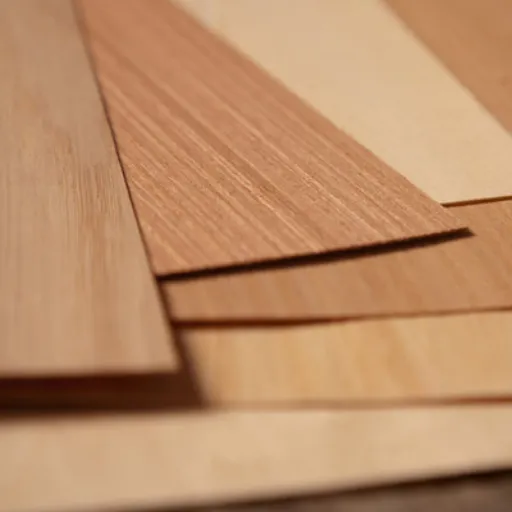
What is Veneer?
Veneer is a thin layer of wood that has been nature’s gift; a natural layer of wood that is finely dressed or sliced from the tree, often by using special techniques, to make sheets that maintain the beauty and feel of solid wood. Generally, these sheets are laid on the surfaces of furniture, cabinets, and other architectural features in order to give the aesthetic appeal of real wood at a lower price. The different types of woods like oak, maple, walnut, and mahogany provide unique patterns and colors which make veneers very much adaptable in designing for various applications.
The demand for wood veneer is steadily rising throughout the world. Recent studies predict that the global wood veneer market will reach a value of approximately $42 billion by 2030, mainly due to the increasing preference for sustainable and economical construction materials. The use of wood veneers has increased significantly owing to their environmental benefits. Wood veneers are eco-friendly, as they consist of thin slices of wood, hence they are more economical and less wasteful.
Global Demand for Veneer
The global need is such that the items made from veneer are used more and more due to their various advantages, their eco-friendliness and because they imitate the luxury look of solid wood at a lower price. Recent market reports estimate that the size of the global veneer market was about USD 3.8 billion in 2022 and is projected to grow with a compound annual growth rate (CAGR) of 5.1% from 2023 to 2030. This growth is mainly driven by the demand for engineered wood products in both residential and commercial construction sectors, and the rising popularity of high-quality and eco-friendly furniture.
Currently, the largest market for veneer products is in Asia-Pacific region and this is primarily due to the rapid urbanization, extensive infrastructural development and increased disposable incomes in countries that include China and India. However, North America and Europe continue to have a significant market share where the customers are looking for sustainable and aesthetically pleasing interior design options. The global demand is also augmented by the use of veneers in luxury interiors and furniture trends, plus building projects that promote the utilization of sustainable materials.
Key Export Regulations for Veneer
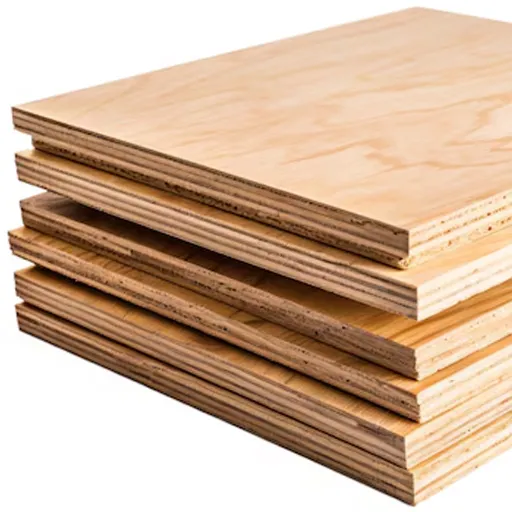
International Trade Regulations for Veneer
The laws governing international trade in veneer are of critical importance because they set up the division between the countries that buy and sell, and the classifications of the veneer are also affected by the price, species of wood, area of origin, and so forth. Directly or indirectly, these laws affect the flow of legal trade in wood and wood products. To an extent, one can consider trade regulations such as the Convention on International Trade in Endangered Species of Wild Fauna and Flora (CITES) as the condition of the wood market. Such wood species as mahogany or rosewood, whose populations are declared endangered or threatened, are just a few examples of the strictness of the standards that control world wood trade.
Moreover, even strict regulations in the European Union are shown by the EU Timber Regulation (EUTR), highly considered as the strictest, and by prohibiting the entry of illegally harvested timber products into the EU territory. In contrast, the U. S. Lacey Act requires the importers to declare the type and forest source of the wood products, therefore, demanding stricter supervision over illegal logging activities. These three governments’ regulations all focus on the same goal, sustainability and responsible acquisition of raw materials for the veneer industry.
Documentation Requirements for Exporting Veneer
Veneer export is solely reliant on the almost complete documentation that has to be prepared, and this is a prerequisite for running the international laws and conducting the environmentally-friendly trade. The basic documents, as a rule, include a certificate of origin, which specifies the country’s origin of the veneer; a Phytosanitary Certificate, whereby the country of import attests the wood conforms with its plant health standards; and export permits or licenses which are granted according to local and international regulations.
For example, the Convention on International Trade in Endangered Species of Wild Fauna and Flora (CITES) will require a CITES permit for the export of veneer made from an endangered tree species, for example, mahogany, and so on. Besides, the export will be cleared for customs only if the transformer submits thorough invoices indicating the type, quantity, and sizes of the veneer.
To mention a recent study, it reveals that the worldwide veneer market was worth about $12 billion in 2022 and further considerable increase has been predicted for the coming years. Therefore, it justifies the significance of the time-consuming, sometimes, costly, and hassle-free documentation requirements for this developing industry. In addition, many countries have set up advanced digital tracking systems for the export of veneer to improve its tracing and transparency which, in turn, would expedite the process even further.
Veneer Logs and Quality Standards
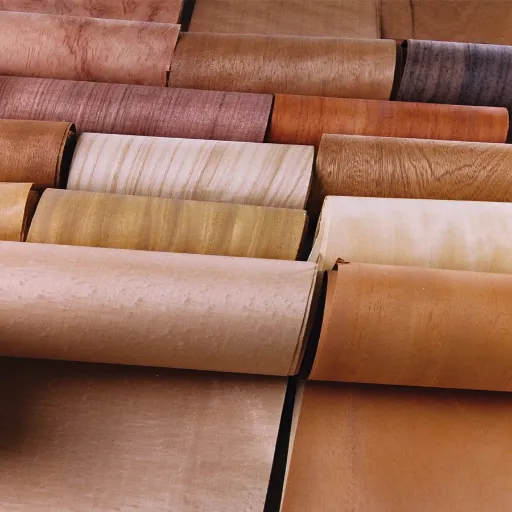
Understanding Veneer Logs
The logs of veneer, with their perfect wood quality and nice appearance, are the key raw materials for the manufacturing of furniture, flooring, and panels, as well as other related industries. The above-mentioned logs are usually obtained from these tree species – oak, walnut, maple, and mahogany – which are the best in terms of fine grains and sturdiness. The selection of premium quality veneer logs involves a major focus on the least amount of defects and the most uniform or consistent grain patterns that create the best veneers.
The analysis done by the industry recently suggests that the worldwide logging will keep to rise steadily, particularly in the Asia-Pacific and European regions because of the increased demand of wood products. The increase in demand for veneers is also one of the factors that contribute to this rise; in fact, the industry is expected to enjoy a compounded annual growth rate (CAGR) of 5.3% for the 2023-2028 period. This is most likely owing to the rapid urbanization and the rising consumer trend of eco-friendly materials.
Quality Assessment Criteria
The quality assessment of wood-based products, particularly veneers and logs, is a strict process and at the same time a guarantee of the products’ good longevity, being considered by many as a useful performance factor, and hence their being in competition. For this purpose the main criteria are the wood’s moisture content, grain-pattern, texture, density, and existence of defects like knots or splits. The International Wood Products Association (IWPA) assigns such classes as FAS (First and Second), Select, and Common to logs based on the visual and structural quality requirements of each grade.
Moisture content, which is one of the major quality assessment criteria, can literally be a lifesaver for wood. I.e. wood with high moisture is more prone to decay, its size will decrease, and on top of that it will develop cracks. The industry standards say that the moisture levels targeted for the manufacturing of furniture-grade wood are normally 6 to 8 percent. Grain character and consistency are also considered as the basic, but first-class logs can still win with straight and even grains and these factors add being both strength and aesthetics.
In addition, the quality assessment technology has become more accurate due to the use of advanced tools. The use of modern technology like X-ray scanners and 3D imaging systems not only helps in the detection of hidden internal defects but also increases the reliability of the results as compared to those obtained through visual inspection. It has been revealed in the recent market reports that over 70% of large sawmills have already employed digital systems for quality measurement, which has led to significant product wastage reduction and reliability enhancement.
Challenges in the Veneer Export Business
Market Competition and Supply Chain Issues
The wafer export business is a highly competitive market which rouses the global demand and attracts more players into the disputation. The countries that produce wood such as China, Malaysia, and Indonesia have turned out to be the leading suppliers of veneer due to their low production costs and abundant timber. To illustrate, China was responsible for almost a third of the world’s total veneer exports in 2022. The intense rivalry forces the market participants to resort to economical manufacturing and advanced technologies to retain the competitive advantage.
The global veneer exporters still have to deal with the issues of the supply chain, which mostly resulted from the major global calamities like the COVID-19 pandemic. The lack of logs, fluctuating shipping prices, and delayed deliveries have all negatively affected the output and schedules for exports. A study done in 2023 indicated that the cost of shipping wood products, including veneer, had risen 35% compared to the rates prior to the pandemic.
Regulatory Compliance Challenges
For multinationals that are present in global markets, one of the most serious challenges is the complex web of regulatory compliance. Countries have varying regulations, and this results in a long list of requirements concerning labor, environment, and trade policies that companies have to be ready to adapt to. The most prominent case in point is the Supply Chain Due Diligence Act of the European Union whose implementation may entail the need for compliance with human rights and sustainability standards according to the strictest criteria established for them thus driving exporters to some extent.
Aside from that, the latest customs regulations and trade tariffs are posing additional threats to the already complicated process of international dealings. A study by the World Bank suggests that exporters will incur up to 24% of the costs in extra costs resulting from compliance with global trade rules, which will then affect their competitiveness in the global market. To deal with such challenges, companies increasingly prefer to use AI-based compliance management systems to keep track of regulatory changes in different regions and handle them. The implementation of this technology not only accelerates the compliance process but also reduces the risk of penalties and increases the operational flexibility in an area where laws are shifting rapidly.
Opportunities for Suppliers in the Veneer Market
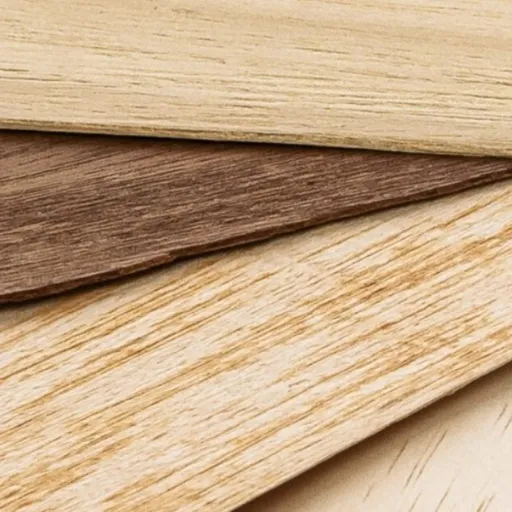
Emerging Markets for Veneer Export
The veneer market is experiencing a really great rise, and this is mainly because developed countries are now demanding more wood veneers. The main regions that this trend benefits and where the world’s veneer exporters can find their markets are the Asia-Pacific region, the Middle East, and Africa, which all have flourishing construction and interior decorations. The Global Wood Veneer Market Consumption Report 2022 states that the Asia-Pacific region accounted for more than a third of the global veneer consumption in that year.
The demand for quality veneers has been largely influenced by the Middle East’s luxury hotel development and high-end construction. Dubai and Saudi Arabia are at the forefront when it comes to the project costs and the quality of materials needed for grand architecture, which in turn, keeps the supply-demand scenario for imports affected positively. At the same time, Africa is emerging as a new player in the global market due to its ongoing modern and infrastructure development activities.
Technological Improvements in Veneer Production
Veneer production technology has taken a giant leap, and quite the opposite of old times, the manufacturers have geared up to deliver the world’s demands while maintaining the standards of quality and eco-friendliness. The newest technology has made the peeling, slicing, and drying processes the most efficient and, therefore, accurate with less waste of materials. For instance, modern veneer lathes and slicers with computer-controlled systems can even produce thinner veneers of even thicknesses, thus overall improving the uniformity of the end-product.
Furthermore, the application of AI and machine learning in the production of veneers has increased the output of factories and also improved the quality of products and to the production of the whole process. The AI quality control systems can now detect defects in the product while processing, thereby reducing the rejection rate and allowing only the best sheets to be passed on to the next stage. Also, it has reduced the time consumed in production to a great extent, besides having a good effect on the environment that manufacturing incurs.
One of the significant breakthroughs is the introduction of energy-efficient drying techniques. The installation of the latest drying kilns for veneers serves as an example as they have established a cutting-edge heat recovery system that has permitted them to considerably decrease their energy consumption without compromising their output or going green. Industry reports suggest that the energy use per company is reported at about 20% lower over the past few years due to these technological adjustments.
Reference Sources
-
“The status of wood products supply and demand in Ethiopia: a Review”
- Key Findings: This review examines the trade balance of wood products in Ethiopia, noting that the country exports a small quantity of wood products, including veneers. It provides data on import and export volumes.
- Methodology: The study reviews existing data on wood product supply and demand, analyzing trade balances and market trends.
- Read the paper
-
“Business Feasibility Study for The Development of Plywood Plant PT. X in Lumajang”
- Key Findings: This feasibility study explores the production process of plywood, from green veneer to dry veneer, and its potential for export. It emphasizes the economic viability of utilizing sengon plants for veneer production.
- Methodology: The study conducts a business feasibility analysis, including production process evaluation and market potential assessment for plywood and veneer products.
- Read the paper
Frequently Asked Questions (FAQs)
How will the characteristics of the product influence my selling veneers chances in the USA and globally?
Product specifications including thickness, species (hardwood versus softwood), face quality, moisture content, and grading are the essential factors for the US and world markets because both buyers and customs need to have the same standards. Providing clear HS codes, certificates of origin, sustainable forest documentation, and sample service can facilitate the attraction of customers in the US, UK, and emerging economies, whereas leading exporters of veneer sheets rely on trustworthy grading and traceability to get the best contracts.
Which tree types are most attractive for the US market of veneer exports?
Hardwood tree species like red and other tropical hardwoods, oak, ash, and maple are usually very popular in the USA especially for high-end furniture and architectural panels. Exporters should keep an eye on the market trends—main customer preferences and new markets—and make sure that they comply with US import regulations, phytosanitary certificates, and chain-of-custody requirements to stay competitive.
What customs and HS considerations do exporters of veneer sheets to the US need to be familiar with?
US exporters need to apply the right HS codes to their shipments, complete exports and imports documentation, and also comply with some regulations like the Lacey Act declarations for certain hardwoods and trade restrictions against certain countries like Ukraine or suppliers that are under sanctions. Accurate labeling, customs declarations, and timely service documentation minimize delays and penalties associated with sending veneer products to worldwide buyers.
What are the ways for small producers to make an entry into new markets and customer base worldwide?
Small producers can expand their market by improving the quality of their product, getting certified as a sustainable forest, applying digital marketing to exhibit the samples, collaborating with trustworthy freight and customs brokers, and participating in trade fairs. Meanwhile, coupling excellent customer service, lead times, and tailor-made product runs for specific customers in the US, UK, or emerging markets helps to lock-in long-term contracts and will be the key to entering new markets.